Kaifeng Jiang – författare
Visar alla böcker från författaren Kaifeng Jiang. Handla med fri frakt och snabb leverans.
7 produkter
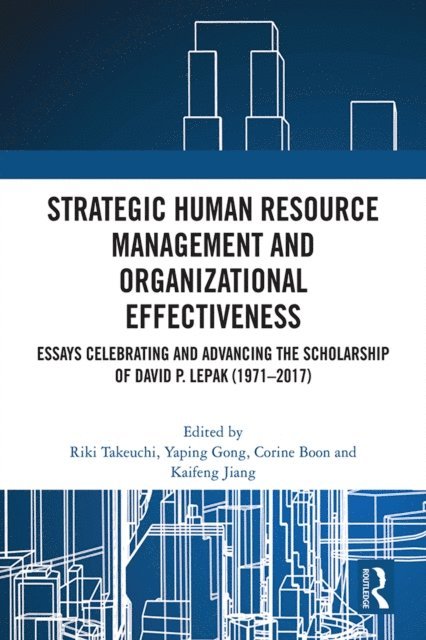
Strategic Human Resource Management and Organizational Effectiveness
Essays Celebrating and Advancing the Scholarship of David P. Lepak (1971–2017)
Av Kaifeng Jiang, Corine Boon m. fl.
E-bok, 2022
767 kr
Lägg i varukorg
This book on human resource management (HRM) research builds upon and extends the work of Professor David P. Lepak who was the Berthiaume Endowed Chair of Business Leadership in the Isenberg School of Management at the University of Massachusetts Amherst. Professor Lepak was an internationally …
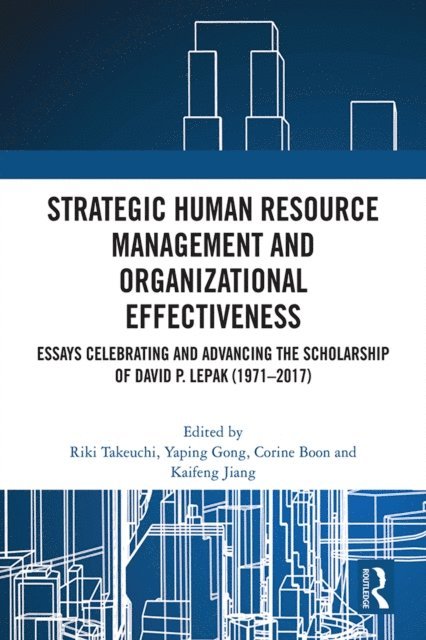
Strategic Human Resource Management and Organizational Effectiveness
Essays Celebrating and Advancing the Scholarship of David P. Lepak (1971–2017)
Av Kaifeng Jiang, Corine Boon m. fl.
E-bok, 2022
767 kr
Lägg i varukorg
This book on human resource management (HRM) research builds upon and extends the work of Professor David P. Lepak who was the Berthiaume Endowed Chair of Business Leadership in the Isenberg School of Management at the University of Massachusetts Amherst. Professor Lepak was an internationally …
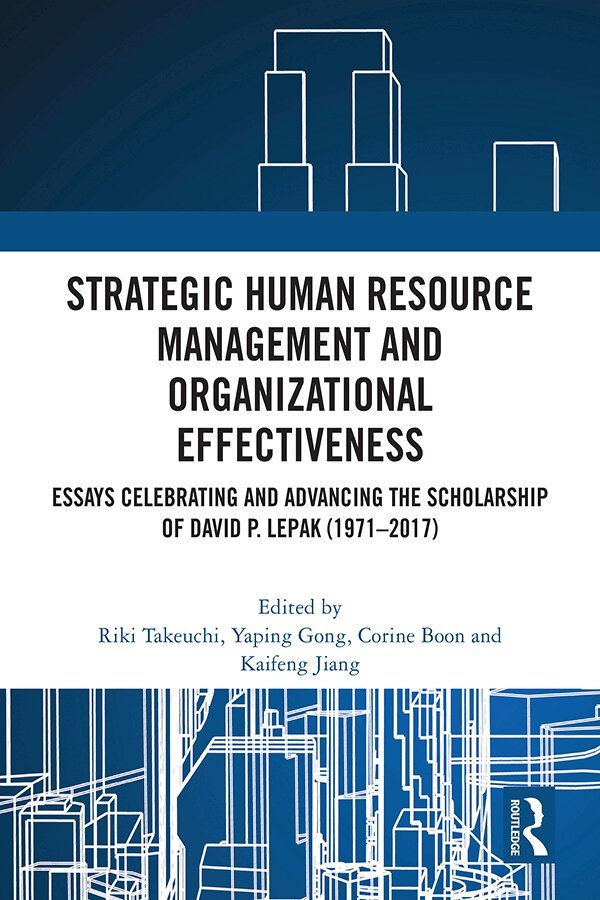
Strategic Human Resource Management and Organizational Effectiveness
Essays Celebrating and Advancing the Scholarship of David P. Lepak (1971–2017)
Av Riki Takeuchi, Yaping Gong m. fl.
Inbunden, 2022
2200 kr
Lägg i varukorg
This book on human resource management (HRM) research builds upon and extends the work of Professor David P. Lepak who was the Berthiaume Endowed Chair of Business Leadership in the Isenberg School of Management at the University of Massachusetts Amherst. Professor Lepak was an internationally …
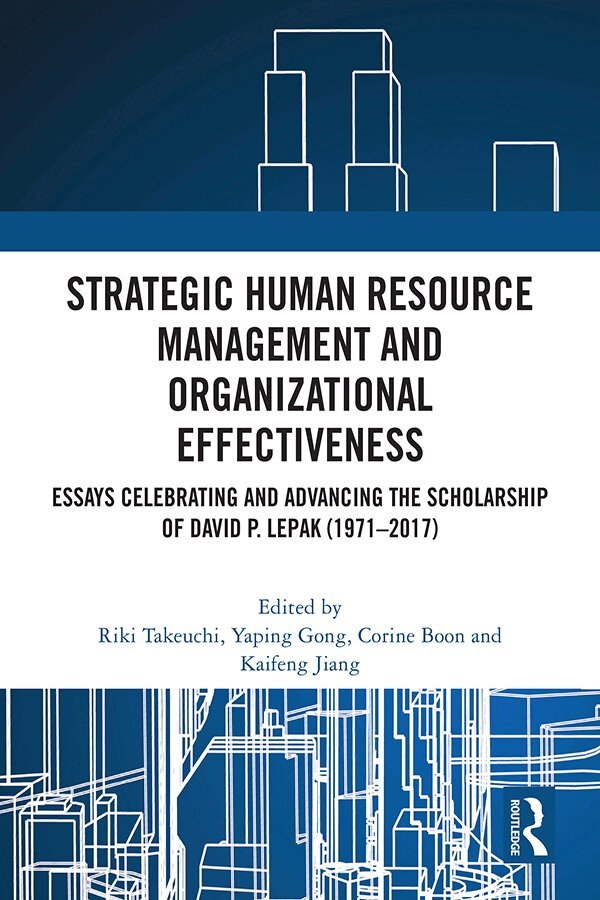
Strategic Human Resource Management and Organizational Effectiveness
Essays Celebrating and Advancing the Scholarship of David P. Lepak (1971–2017)
Av Riki Takeuchi, Yaping Gong m. fl.
Häftad, 2024
653 kr
Lägg i varukorg
This book on human resource management (HRM) research builds upon and extends the work of Professor David P. Lepak who was the Berthiaume Endowed Chair of Business Leadership in the Isenberg School of Management at the University of Massachusetts Amherst. Professor Lepak was an internationally …
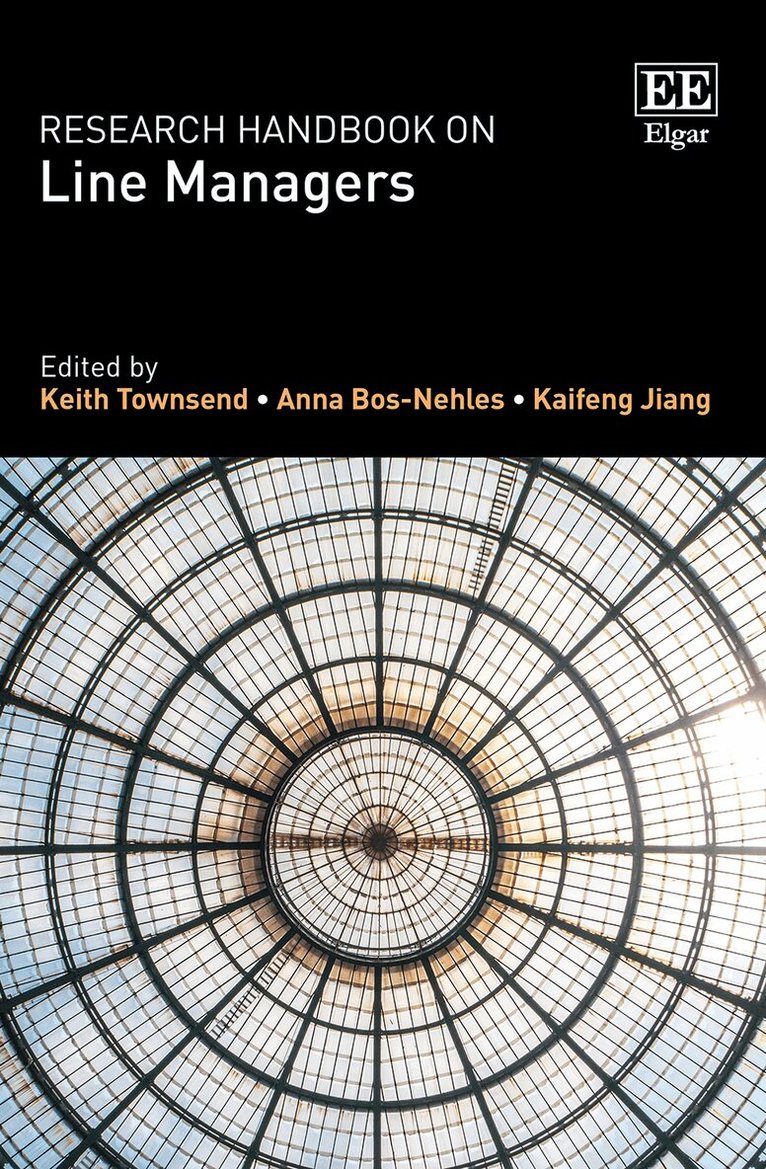
Research Handbook on Line Managers
Av Keith Townsend, Anna Bos-Nehles m. fl.
Häftad, 2024
768 kr
Lägg i varukorg
This timely Research Handbook brings together 24 chapters with a wide range of different theoretical perspectives, empirical research, and innovative thought provoking ideas relating to an area of organisation and management that has been neglected for many decades – line managers.With a resurgence …
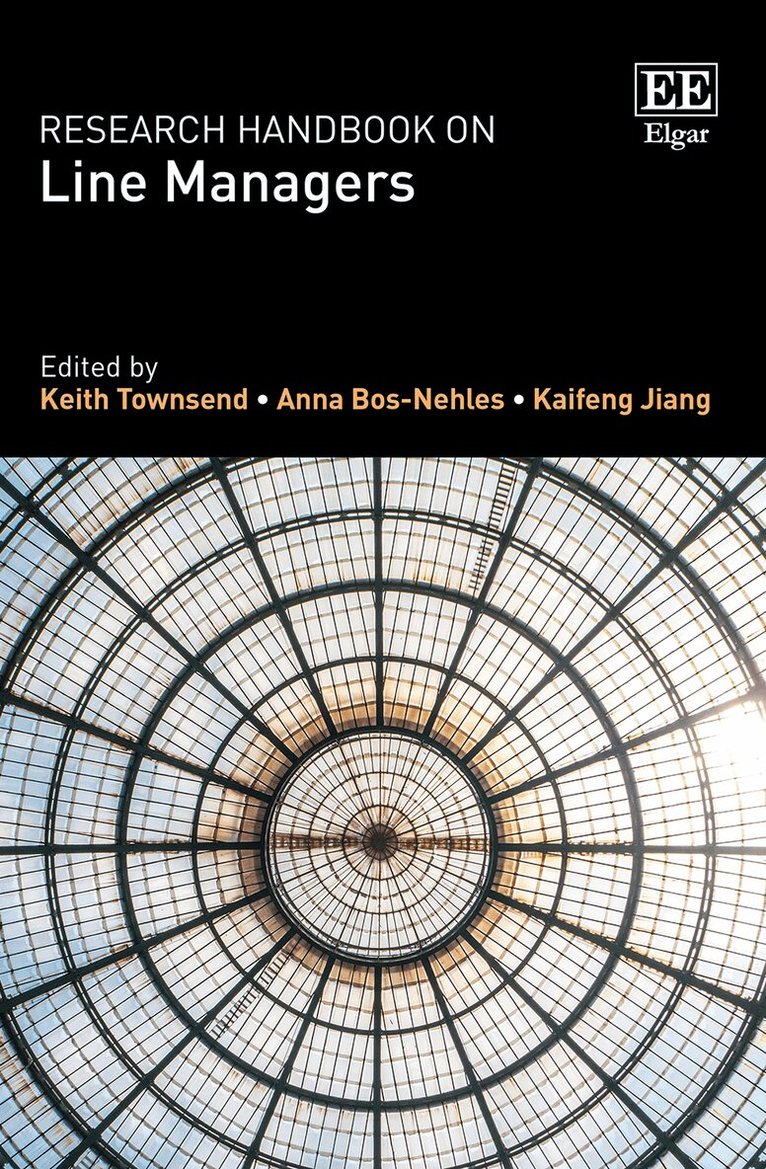
Research Handbook on Line Managers
Av Keith Townsend, Anna Bos-Nehles m. fl.
Inbunden, 2022
3954 kr
Lägg i varukorg
This timely Research Handbook brings together 24 chapters with a wide range of different theoretical perspectives, empirical research, and innovative thought provoking ideas relating to an area of organisation and management that has been neglected for many decades – line managers.With a resurgence …
Research Handbook on Line Managers
Av Kaifeng Jiang, Anna Bos-Nehles m. fl.
E-bok, 2022
737 kr
Lägg i varukorg
This timely Research Handbook brings together 24 chapters with a wide range of different theoretical perspectives, empirical research, and innovative thought provoking ideas relating to an area of organisation and management that has been neglected for many decades – line managers. With a …