Kalyan Singh – författare
4 294 kr
Läs direkt efter köp
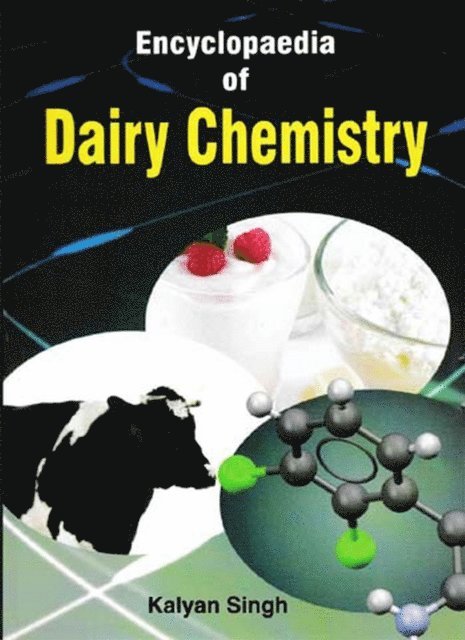
This title presents a thorough and accessible account of Dairy Chemistry and Animal Nutrition has undergone remarkable development in the last three decades, These developments, along with recent widespread application of the newest biomedical technologies, have imbues optimism that new strategies can developed for controlling the important diseases that for centuries have been the scourges of mankind. The role of milk in nature is to nourish and provide immunological protection for the mammalian young Milk has been a food source for humans since prehistoric times; from human goat, buffalo sheep yak to the focus of this section domesticated cow milk (genus Bos). milk and honey are the only articles of diet whose sole function in nature is food. To those with a good knowledge of chemistry and physics, the various formulae and equations will prove useful but it has it has been the Endeavour of the author to treat the subject matter in such a manner as to enable the salient facts to be appreciated by those with only an elementary knowledge of these two subject contents; introduction; milk History, Consumption Production, and Composition; Dairy Microbiology; Dairy Products: Overview and Fluid Milk Products; Milk Chemistry- An introduction Heat Treatments and Pasteurization Chemicals; Lead Mercury, Cadmium and other Metals; Condensed Milk and milk Powder; Nutrition and Maintenance of Dairy
4 450 kr
Läs direkt efter köp
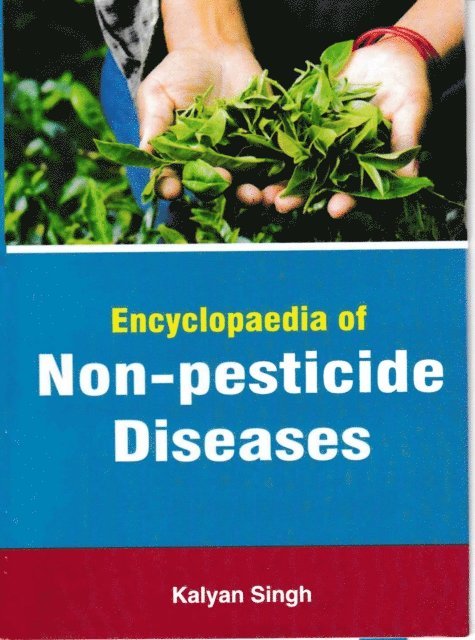
Agriculture is inseparable part of human life. lt is a primary activity-serving as the basis of many other activities. Agriculture supports food production, textile industries, food-based industries, agro-processing industries, oil-industry, sugar industry, etc. There is a misconception that agriculture does not cause pollution and is harmless. In fact, agriculture is the source of large pollutants entering into our environment. The main reason to consider as an activity generating pollutant is the use of synthetic chemicals in agriculture. The book discusses at length the effect of non-pesticide diseases. The book also contains the effect of alternative pesticides on bio control agents and other non targeted organisms .Contents: introduction; integrated Pest Management; Public Health Pests and Disease Vectors; The Future of Pesticides in Public Health Programs; Spray Drift of Pesticides; Pesticide impact Assessment Systems; Agrochemicals: imported Pollutants; Methods to Assess Adverse Effects of Pesticides on No target Organisms; Ecological Effects of Pesticides on No target Species; integrated Methods of Mosquito Management; Methods to Evaluate Exposures to Pesticides.
4 332 kr
Läs direkt efter köp
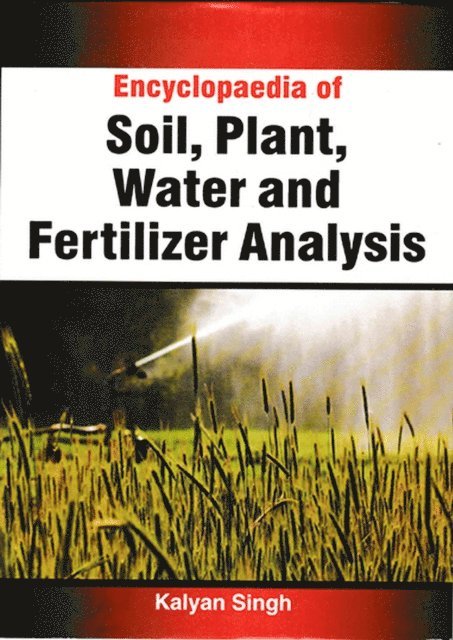
Farmers strive to grow healthy plants that produce an economic yield while minimizing environmental impact. An important part of farming is providing plants with proper amounts of lime and essential nutrients. Soil testing can be used to indicate if additional nutrients are needed to achieve optimal yield. Applying the correct ratio of nutrients helps achieve desirable yields and quality, while protecting the environment from excess nutrients. Successful vegetable growers use soil testing as a guide to fertilizer management. This book is useful to students, teachers, scientists and analysis studying/working in the field of biological and applied sciences, more specifically, in the fields of soil science, agronomy, horticulture, environmental science, plant science, geology, hydrology, microbiology and forestry. lt will also prove as a tool for soil testing, quality control and research laboratories of related fields. Contents: Sampling and Preparation of Soil, Plant and Water; Soil pH and Electrical Conductivity; Soil Analysis Terms and Testing; Plant Tissue Analysis; Foundation for Practical Application of Plant Analysis; Water Quality Assessment; interpretation of Water Analysis for Livestock Suitability; Comparative Analysis of Fertilizers; Fertilizer Recommendations and Techniques to Maintain Landscapes and Protect Water Quality.
4 450 kr
Läs direkt efter köp
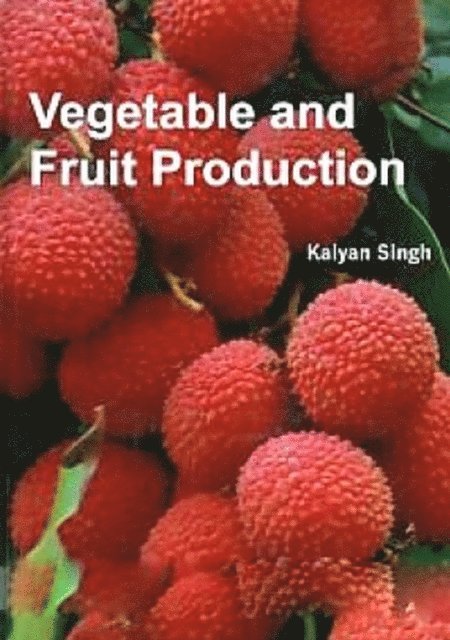
In culinary terms, a vegetable is an edible plant or part of a plant which may or may not propagate into offspring. In biological terms, “vegetable” designates members of the plant kingdom. The non-biological definition of a vegetable is largely based on culinary and cultural tradition. Therefore, the application of the word is somewhat arbitrary, based on cultural and/or personal views. For example, some people consider mushrooms to be vegetables even though they are not biologically plants, while others consider them a separate food category, some cultures group potatoes with cereal products such as noodles or rice, while most English speakers would consider them vegetables. The book has been prepared primarily to the benefit for the teachers and students of Horticulture, Agriculture, Food technology, Home-science and Post-harvest engineering, as well as extension workers, educated rural/urban youths and women can be engaged in food processing activities for poverty alleviation, employment generation, environment protection and earn more foreign exchange and economic transformation of rural India.
6 378 kr
Läs direkt efter köp