Kandikere R. Sridhar – författare
Visar alla böcker från författaren Kandikere R. Sridhar. Handla med fri frakt och snabb leverans.
26 produkter
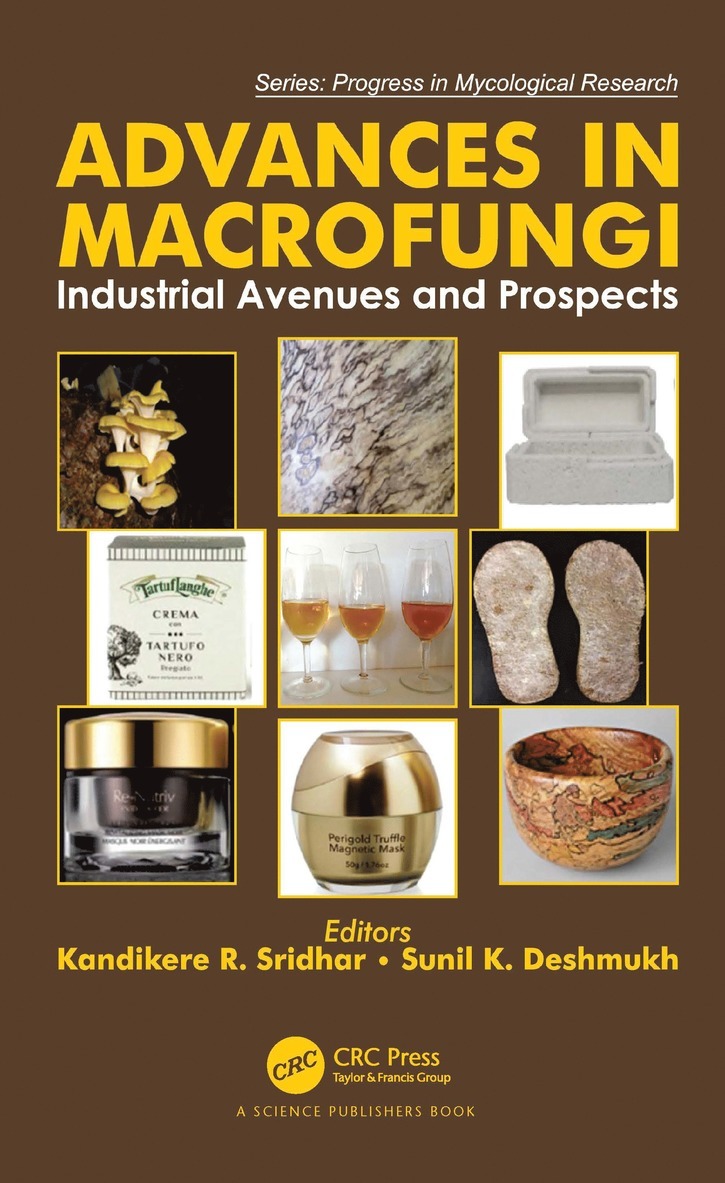
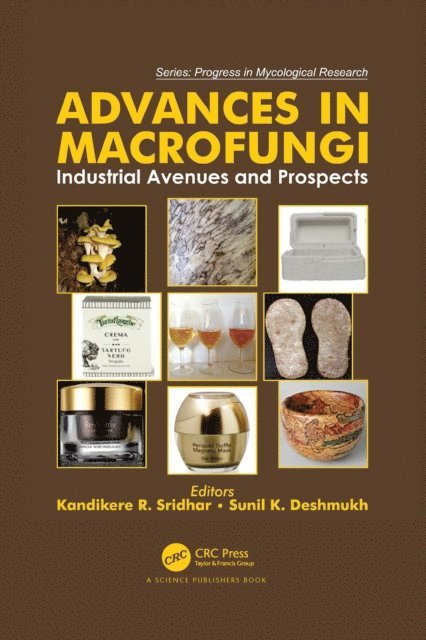
Advances in Macrofungi
Industrial Avenues and Prospects
Av Kandikere R. Sridhar, Sunil K. Deshmukh
Inbunden, 2021
3067 kr
Lägg i varukorg
Large scale cultivation of macrofungi is possible with fermentation, using easily accessible lignocellulosic agricultural residues applying economical methods to generate substantial biomass, food and biofuels. Bioconversion of lignocellulosic wastes by macrofungi generates value-added fungal …
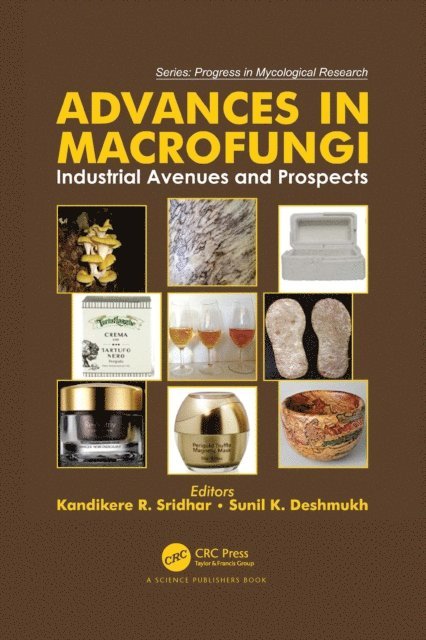
Advances in Macrofungi
Industrial Avenues and Prospects
Av Kandikere R. Sridhar, Sunil K. Deshmukh
Häftad, 2023
1100 kr
Lägg i varukorg
Large scale cultivation of macrofungi is possible with fermentation, using easily accessible lignocellulosic agricultural residues applying economical methods to generate substantial biomass, food and biofuels. Bioconversion of lignocellulosic wastes by macrofungi generates value-added fungal …
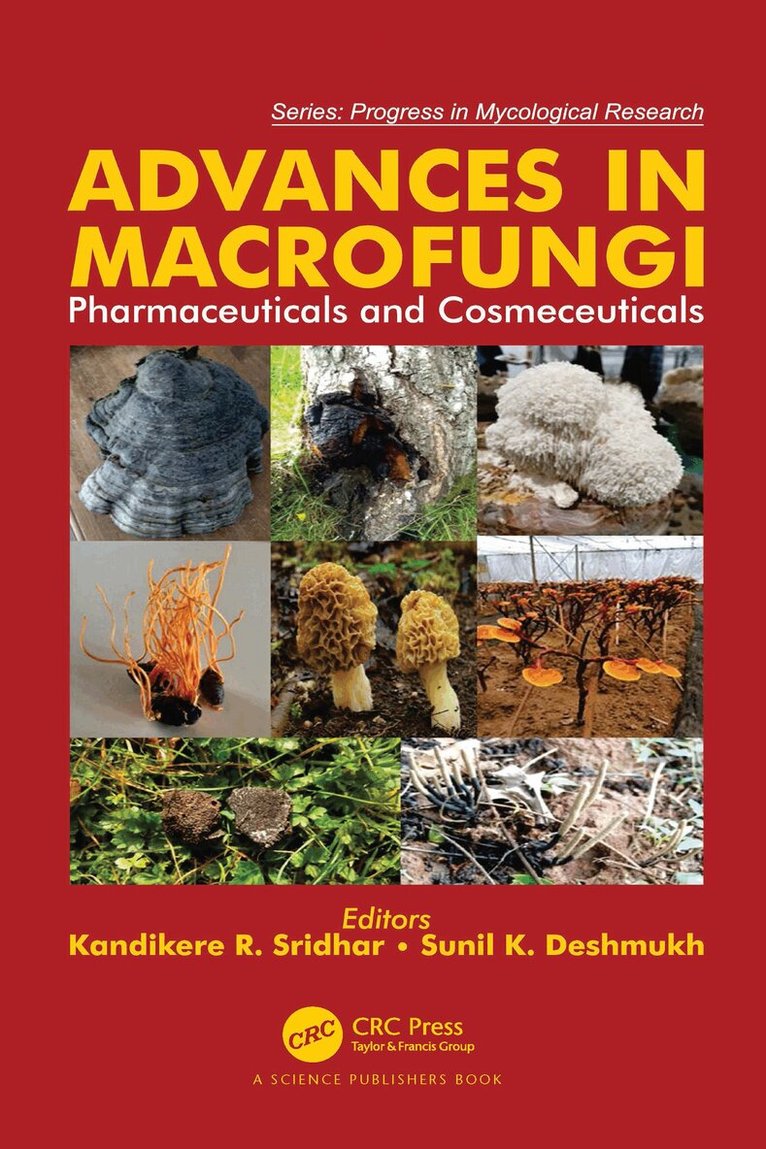
Advances in Macrofungi
Pharmaceuticals and Cosmeceuticals
Av Sunil Kumar Deshmukh, Kandikere R. Sridhar
E-bok, 2021
1271 kr
Lägg i varukorg
Large scale cultivation of macrofungi is possible with fermentation, using easily accessible lignocellulosic agricultural residues utilising economical methods to generate substantial biomass, food and biofuels. Bioconversion of lignocellulosic wastes by macrofungi generates value-added fungal …
Advances in Macrofungi
Pharmaceuticals and Cosmeceuticals
Av Sunil Kumar Deshmukh, Kandikere R. Sridhar
E-bok, 2021
1299 kr
Lägg i varukorg
Large scale cultivation of macrofungi is possible with fermentation, using easily accessible lignocellulosic agricultural residues utilising economical methods to generate substantial biomass, food and biofuels. Bioconversion of lignocellulosic wastes by macrofungi generates value-added fungal …
Advances in Macrofungi
Industrial Avenues and Prospects
Av Sunil K. Deshmukh, Kandikere R. Sridhar
E-bok, 2021
1338 kr
Lägg i varukorg
Large scale cultivation of macrofungi is possible with fermentation, using easily accessible lignocellulosic agricultural residues applying economical methods to generate substantial biomass, food and biofuels. Bioconversion of lignocellulosic wastes by macrofungi generates value-added fungal …
Advances in Macrofungi
Industrial Avenues and Prospects
Av Sunil K. Deshmukh, Kandikere R. Sridhar
E-bok, 2021
1338 kr
Lägg i varukorg
Large scale cultivation of macrofungi is possible with fermentation, using easily accessible lignocellulosic agricultural residues applying economical methods to generate substantial biomass, food and biofuels. Bioconversion of lignocellulosic wastes by macrofungi generates value-added fungal …
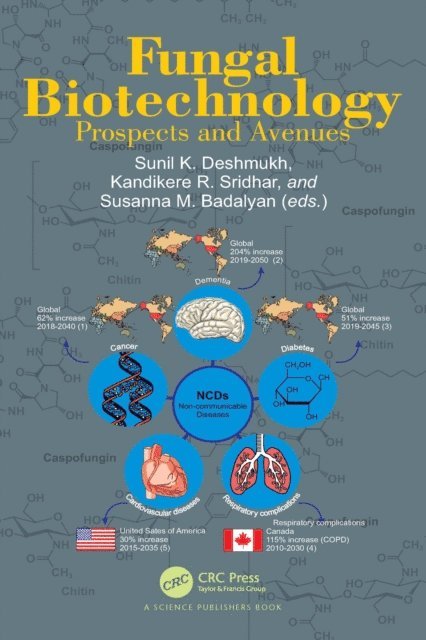
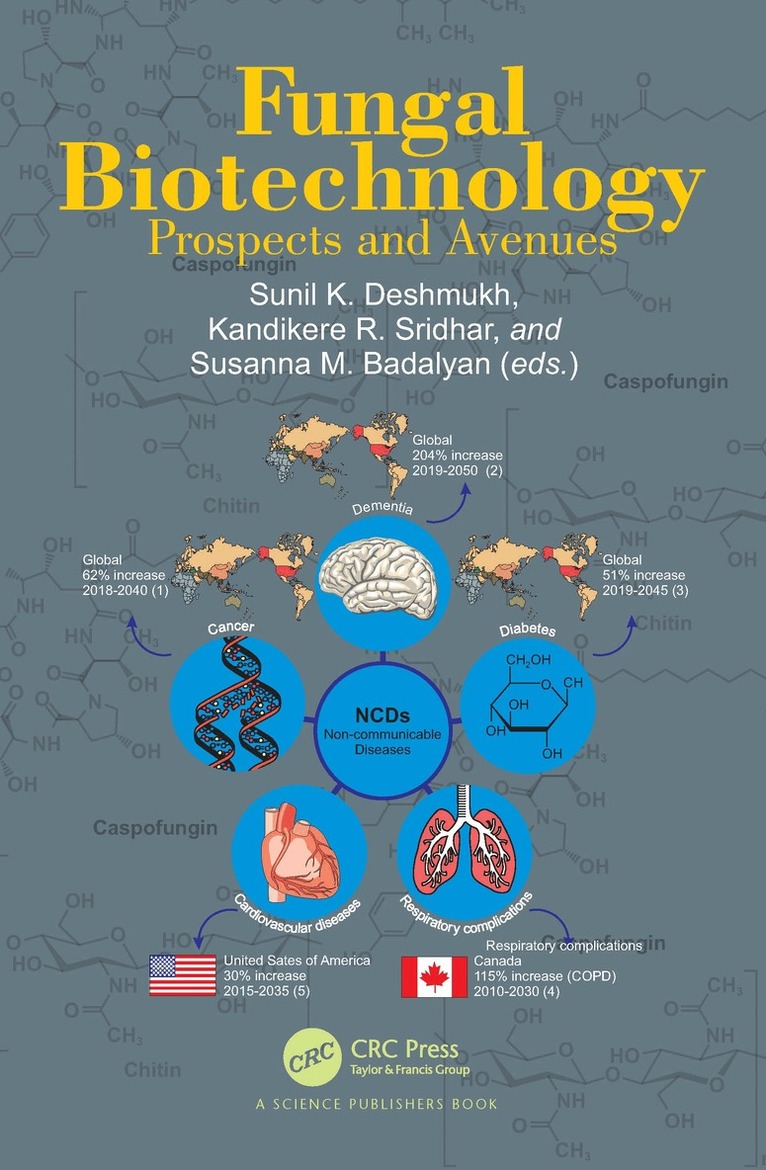
Fungal Biotechnology
Prospects and Avenues
Av Susanna M. Badalyan, Kandikere R. Sridhar m. fl.
E-bok, 2022
1247 kr
Lägg i varukorg
Traditional studies in mycology mainly deal with damage caused by fungi, for instance, diseases of plants, animal ailments, air-borne pathogens, decomposition of wood and production of mycotoxins in food. Applied mycology focuses on the fermentation of foods (flours, bakery products, cheese and …
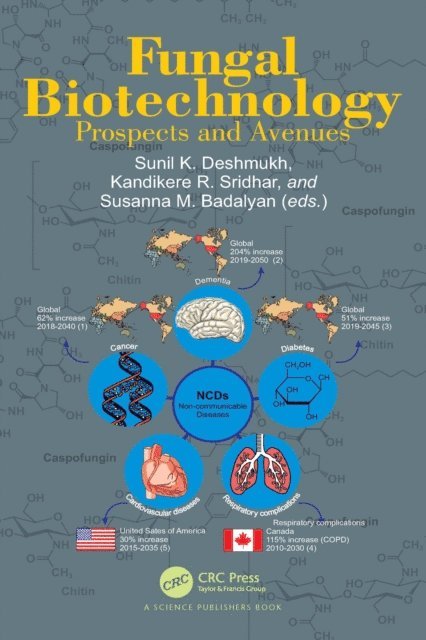
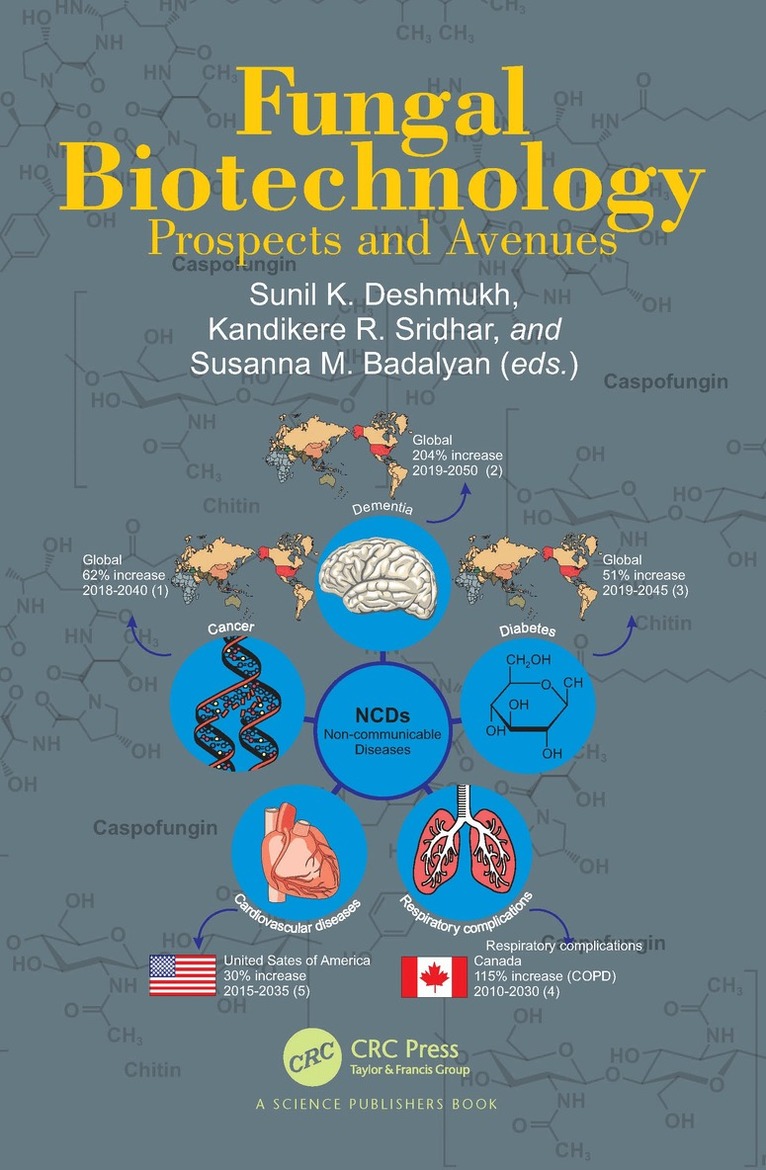
Fungal Biotechnology
Prospects and Avenues
Av Susanna M. Badalyan, Kandikere R. Sridhar m. fl.
E-bok, 2022
1207 kr
Lägg i varukorg
Traditional studies in mycology mainly deal with damage caused by fungi, for instance, diseases of plants, animal ailments, air-borne pathogens, decomposition of wood and production of mycotoxins in food. Applied mycology focuses on the fermentation of foods (flours, bakery products, cheese and …
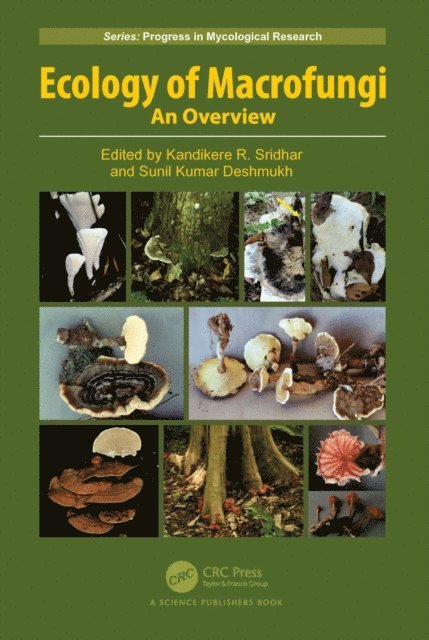
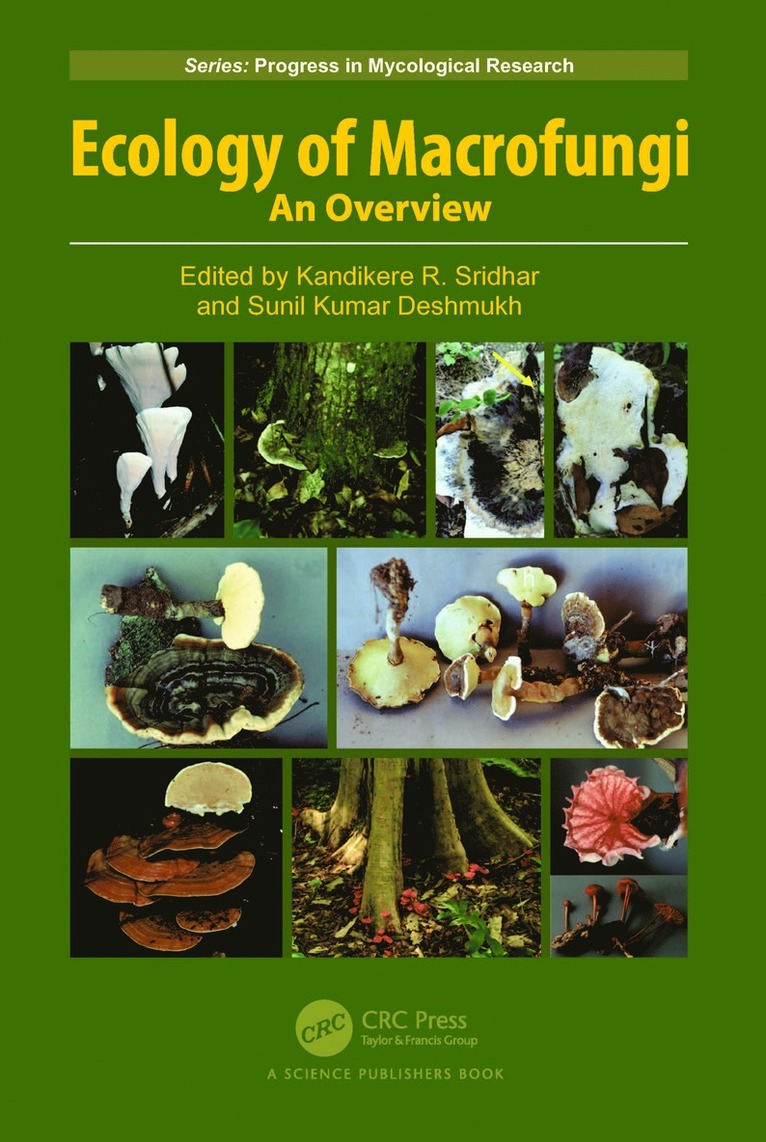
Ecology of Macrofungi
An Overview
Av Sunil Kumar Deshmukh, Kandikere R. Sridhar
E-bok, 2023
1004 kr
Lägg i varukorg
Macrofungi have significant importance in human health, particularly in nutrition, medicine, pharmaceuticals, agriculture and industries. They occupy a variety of ecosystems such as terrestrial (agricultural lands, forests and deserts), freshwater (bogs and marshes) and maritime (mangroves and …
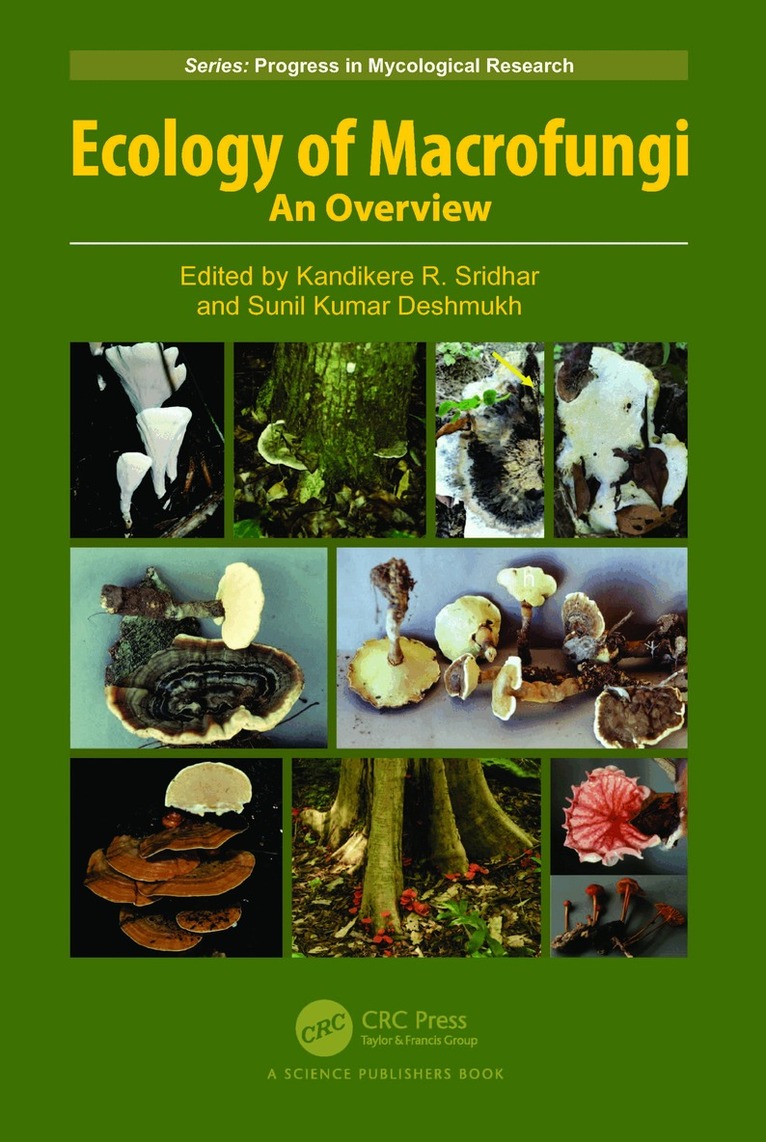
Ecology of Macrofungi
An Overview
Av Sunil Kumar Deshmukh, Kandikere R. Sridhar
E-bok, 2023
983 kr
Lägg i varukorg
Macrofungi have significant importance in human health, particularly in nutrition, medicine, pharmaceuticals, agriculture and industries. They occupy a variety of ecosystems such as terrestrial (agricultural lands, forests and deserts), freshwater (bogs and marshes) and maritime (mangroves and …
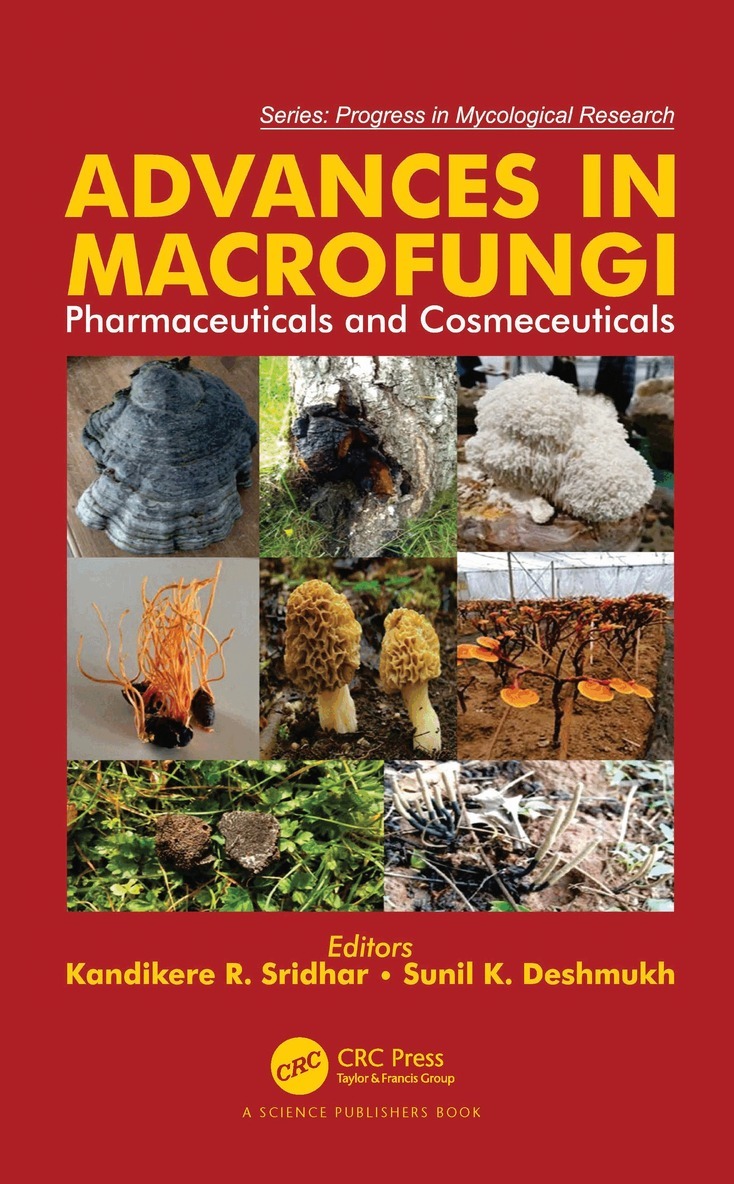
Advances in Macrofungi
Pharmaceuticals and Cosmeceuticals
Av Kandikere R. Sridhar, Sunil Kumar Deshmukh
Inbunden, 2021
2746 kr
Lägg i varukorg
Large scale cultivation of macrofungi is possible with fermentation, using easily accessible lignocellulosic agricultural residues utilising economical methods to generate substantial biomass, food and biofuels. Bioconversion of lignocellulosic wastes by macrofungi generates value-added fungal …
Advances in Macrofungi
Pharmaceuticals and Cosmeceuticals
Av Kandikere R. Sridhar, Sunil Kumar Deshmukh
Häftad, 2023
1100 kr
Lägg i varukorg
Large scale cultivation of macrofungi is possible with fermentation, using easily accessible lignocellulosic agricultural residues utilising economical methods to generate substantial biomass, food and biofuels. Bioconversion of lignocellulosic wastes by macrofungi generates value-added fungal …
Fungal Biotechnology
Prospects and Avenues
Av Sunil K. Deshmukh, Kandikere R. Sridhar m. fl.
Inbunden, 2022
3067 kr
Lägg i varukorg
Traditional studies in mycology mainly deal with damage caused by fungi, for instance, diseases of plants, animal ailments, air-borne pathogens, decomposition of wood and production of mycotoxins in food. Applied mycology focuses on the fermentation of foods (flours, bakery products, cheese and …
Fungal Biotechnology
Prospects and Avenues
Av Sunil K. Deshmukh, Kandikere R. Sridhar m. fl.
Häftad, 2024
1056 kr
Lägg i varukorg
Traditional studies in mycology mainly deal with damage caused by fungi, for instance, diseases of plants, animal ailments, air-borne pathogens, decomposition of wood and production of mycotoxins in food. Applied mycology focuses on the fermentation of foods (flours, bakery products, cheese and …
Ecology of Macrofungi
An Overview
Av Kandikere R. Sridhar, Sunil Kumar Deshmukh
Inbunden, 2023
2513 kr
Lägg i varukorg
Macrofungi have significant importance in human health, particularly in nutrition, medicine, pharmaceuticals, agriculture and industries. They occupy a variety of ecosystems such as terrestrial (agricultural lands, forests and deserts), freshwater (bogs and marshes) and maritime (mangroves and …
Ecology of Macrofungi
An Overview
Av Kandikere R. Sridhar, Sunil Kumar Deshmukh
Häftad, 2025
852 kr
Lägg i varukorg
Macrofungi have significant importance in human health, particularly in nutrition, medicine, pharmaceuticals, agriculture and industries. They occupy a variety of ecosystems such as terrestrial (agricultural lands, forests and deserts), freshwater (bogs and marshes) and maritime (mangroves and …
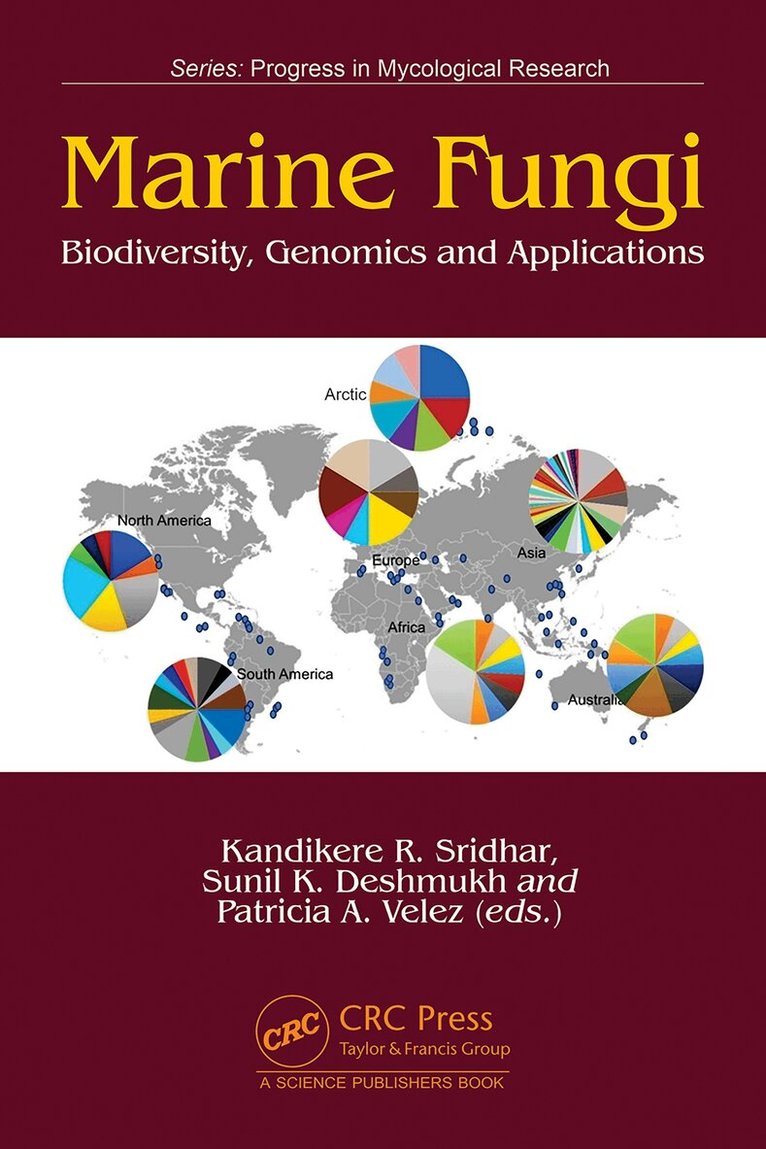
Marine Fungi
Biodiversity, Genomics and Applications
Av Kandikere R. Sridhar, Sunil K. Deshmukh m. fl.
Inbunden, 2026
1828 kr
Lägg i varukorg
Marine environments are home to vast ecosystems of fungi and other life forms. This book deals with diversity, ecology, genomics, phylogeny, bioactive potential, biotechnology and bioprospects of marine fungi. It emphasizes several basic and applied areas, including diversity, genomics, …
MARINE FUNGI
Biotechnology and Bioprospects
Av Kandikere R. Sridhar, Sunil K. Deshmukh
Inbunden, 2026
1828 kr
Lägg i varukorg
The book emphasizes applied aspects-abatement of pollution, applications in agriculture, bioactive metabolites, bioremediation, biosurfactants, health-promoting bioactive compounds, human nutrition, hydrophobins, and pigments. It comprises chapters from authors from different countries, divided …
Marine Fungi
Biodiversity, Genomics and Applications
Av Patricia Velez, Sunil K. Deshmukh m. fl.
E-bok, 2026
881 kr
Lägg i varukorg
Marine environments are home to vast ecosystems of fungi and other life forms. This book deals with diversity, ecology, genomics, phylogeny, bioactive potential, biotechnology and bioprospects of marine fungi. It emphasizes several basic and applied areas, including diversity, genomics, …
Marine Fungi
Biodiversity, Genomics and Applications
Av Patricia Velez, Sunil K. Deshmukh m. fl.
E-bok, 2026
901 kr
Lägg i varukorg
Marine environments are home to vast ecosystems of fungi and other life forms. This book deals with diversity, ecology, genomics, phylogeny, bioactive potential, biotechnology and bioprospects of marine fungi. It emphasizes several basic and applied areas, including diversity, genomics, …
Fungal Biopolymers and Biocomposites
Prospects and Avenues
Av Sunil K. Deshmukh, Mukund V. Deshpande m. fl.
Inbunden, 2022
2516 kr
Lägg i varukorg
The book covers an overview of fungal polymers, fungal mycelial biomass, and their applications besides providing a detailed account of various opportunities. This book also includes information on developments in mycotechnology related to fashion, furnishing, construction, packaging, …
Fungal Biopolymers and Biocomposites
Prospects and Avenues
Av Kandikere R. Sridhar, Mukund V. Deshpande m. fl.
E-bok, 2022
3348 kr
Lägg i varukorg
The book covers an overview of fungal polymers, fungal mycelial biomass, and their applications besides providing a detailed account of various opportunities. This book also includes information on developments in mycotechnology related to fashion, furnishing, construction, packaging, …
Fungal Biopolymers and Biocomposites
Prospects and Avenues
Av Sunil K. Deshmukh, Mukund V. Deshpande m. fl.
Häftad, 2023
2516 kr
Lägg i varukorg
The book covers an overview of fungal polymers, fungal mycelial biomass, and their applications besides providing a detailed account of various opportunities. This book also includes information on developments in mycotechnology related to fashion, furnishing, construction, packaging, …
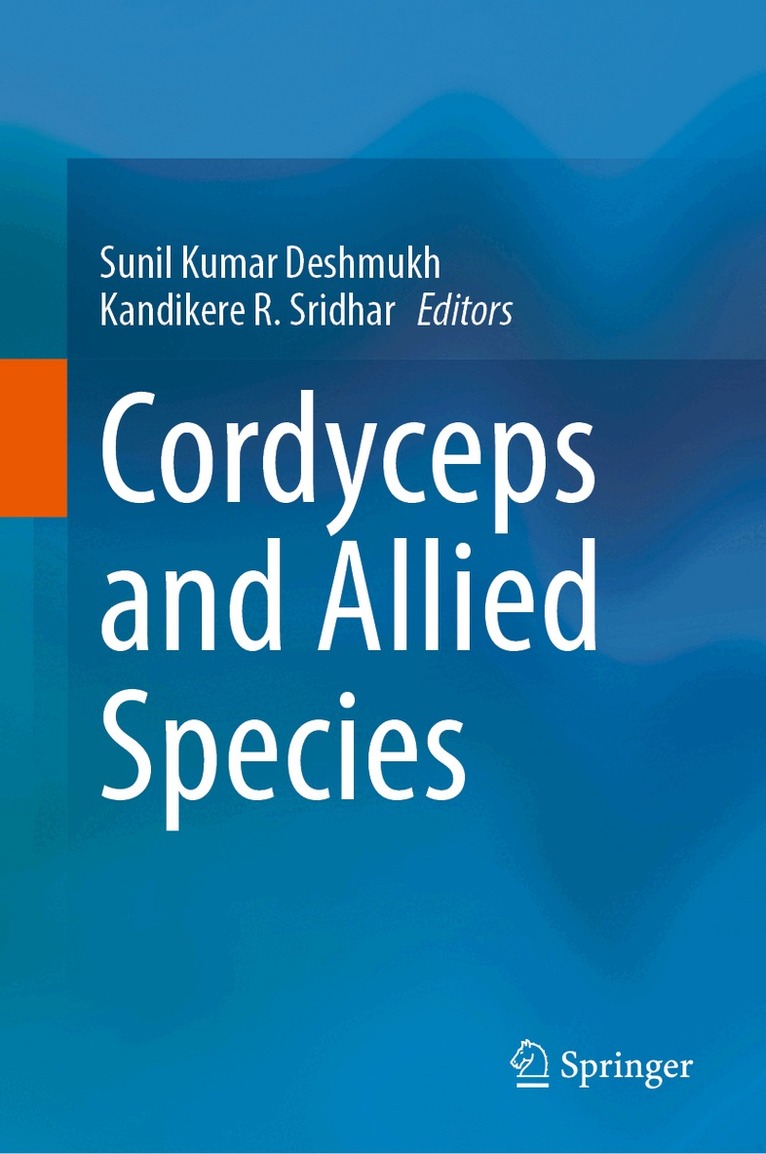
Cordyceps and Allied Species
Av Sunil Kumar Deshmukh, Kandikere R. Sridhar
Inbunden, 2025
3153 kr
Lägg i varukorg
This book comprehensively covers all aspects of distribution, taxonomy, life cycle, cultivation, application in traditional medicine, their secondary metabolites, and their biological properties, along with various parameters to yield improvement in selected species of Cordyceps. It covers the …
Cordyceps and Allied Species
Av Kandikere R. Sridhar, Sunil Kumar Deshmukh
E-bok, 2025
4187 kr
Lägg i varukorg
This book comprehensively covers all aspects of distribution, taxonomy, life cycle, cultivation, application in traditional medicine, their secondary metabolites, and their biological properties, along with various parameters to yield improvement in selected species of Cordyceps . It covers the …
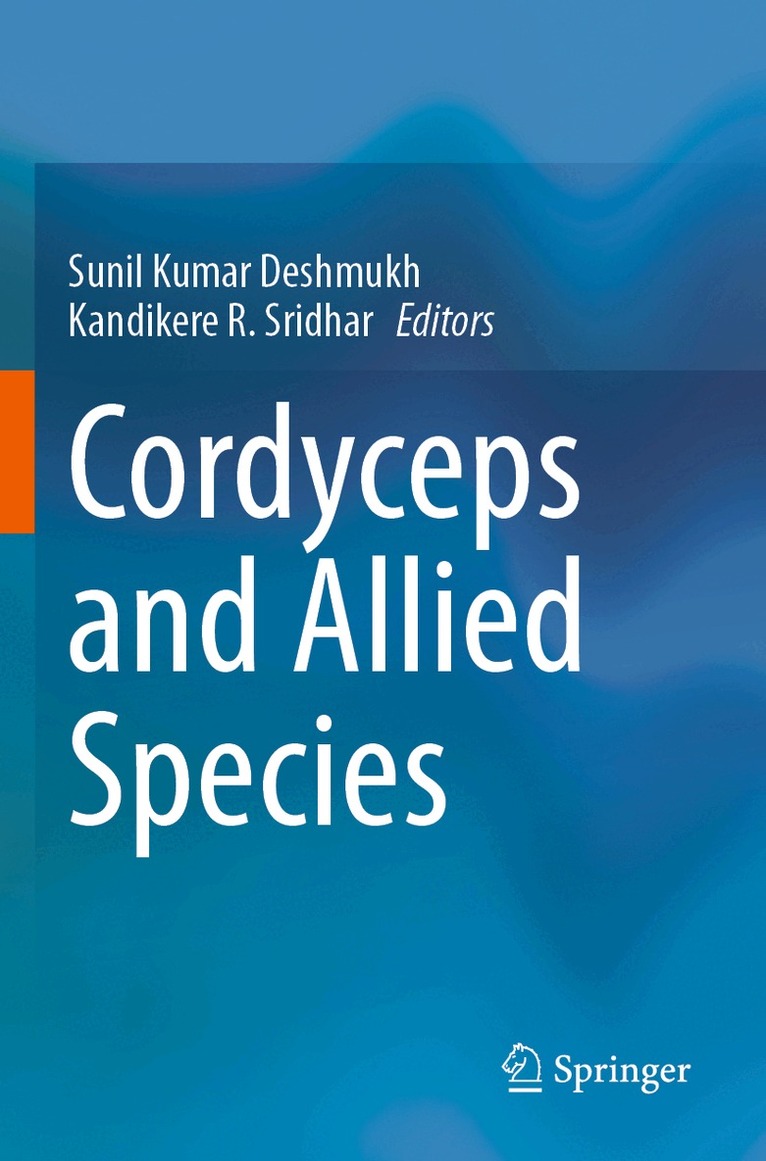
Cordyceps and Allied Species
Av Sunil Kumar Deshmukh, Kandikere R. Sridhar
Häftad, 2026
3153 kr
Lägg i varukorg
This book comprehensively covers all aspects of distribution, taxonomy, life cycle, cultivation, application in traditional medicine, their secondary metabolites, and their biological properties, along with various parameters to yield improvement in selected species of Cordyceps. It covers the …