Karen Haynes – författare
Visar alla böcker från författaren Karen Haynes. Handla med fri frakt och snabb leverans.
7 produkter
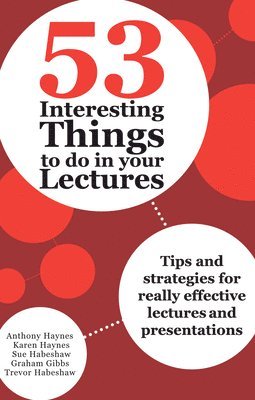
53 Interesting Things to do in your Lectures
Tips and strategies for really effective lectures and presentations
Av Anthony Haynes, Karen Haynes m. fl.
Inbunden, 2021
2626 kr
Lägg i varukorg
53 tried and tested tips for creating dynamic lectures and presentations that your students will remember.
More Than a Woman a Woman Marine
Av Karen Haynes
E-bok, 2015
55 kr
Lägg i varukorg
Inspiration of this book came to me while I was serving on Recruiting Duty in Shreveport, Louisiana. I discovered that there were not only myths about what male marines encounter in basic training but more myths about the women marines training. Most of what I heard was negative. Some of what I …
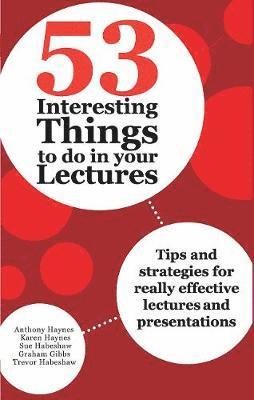
53 Interesting Things to do in your Lectures
Tips and strategies for really effective lectures and presentations
Av Anthony Haynes, Karen Haynes m. fl.
Häftad, 2012
373 kr
Lägg i varukorg
53 tried and tested tips for creating dynamic lectures and presentations that your students will remember.
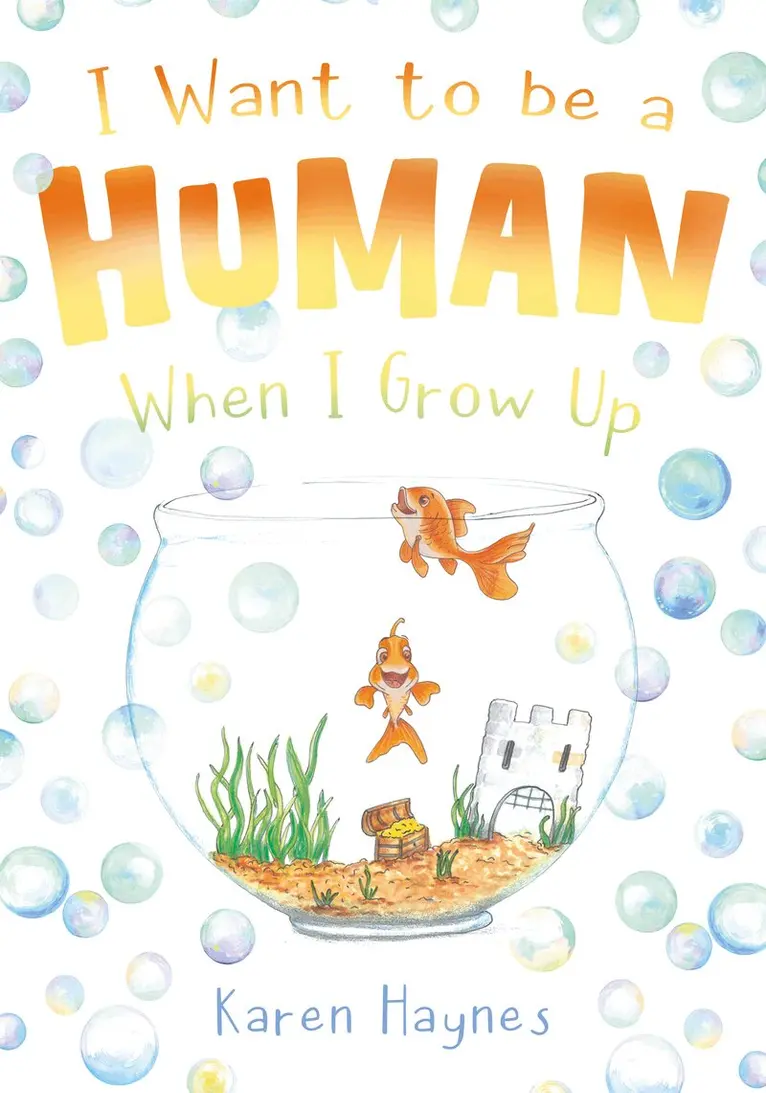
I Want to be a Human When I Grow Up
Av Karen Haynes
Häftad, 2025
109 kr
Lägg i varukorg
Dive into a whimsical underwater adventure with I want to be a human when I grow up; a charming tale of two curious goldfish pondering the age-old question: what do we want to be when we grow up? Told through playful rhymes and paired with stunning watercolour, pen, and wash illustrations, this …