Karen Oppenheim Mason – författare
Visar alla böcker från författaren Karen Oppenheim Mason. Handla med fri frakt och snabb leverans.
5 produkter
Gender and Family Change in Industrialized Countries
Av W. T. Mason, Mason m. fl.
Inbunden, 1995
3085 kr
Lägg i varukorg
This volume focuses on the relationship between change in the family and change in the roles of women and men on contemporary industrial societies. Of central concern is whether change in gender roles has fuelled - or is merely historically coincident with - such changes in the family as rising …
Impact of Population Growth on Well-being in Developing Countries
Av Dennis A. Ahlburg, Allen C. Kelley m. fl.
Inbunden, 1996
1639 kr
Lägg i varukorg
This book evaluates the evidence on the impacts of population growth on well-being in developing countries and concludes that slowing population growth from high current levels, especially in poor, agrarian societies facing pressure on land and resources, is advantageous to economic development, …
Impact of Population Growth on Well-being in Developing Countries
Av Dennis A. Ahlburg, Allen C. Kelley m. fl.
Häftad, 2010
1639 kr
Lägg i varukorg
This book examines the nature and significance of the impact of population growth on the weIl-being of developing countries-in particular, the effects on economic growth, education, health, food supply, housing, poverty, and the environment. In addition, because family planning programmes often …
Impact of Population Growth on Well-being in Developing Countries
Av Karen Oppenheim Mason, Allen C. Kelley m. fl.
E-bok, 2013
2111 kr
Lägg i varukorg
This book examines the nature and significance of the impact of population growth on the weIl-being of developing countries-in particular, the effects on economic growth, education, health, food supply, housing, poverty, and the environment. In addition, because family planning programmes often …
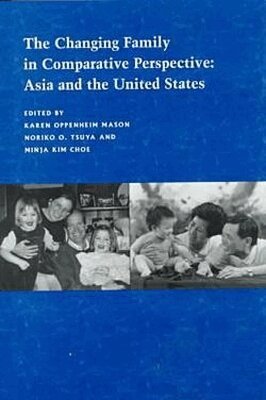
Changing Family in Comparative Perspective
Asia and the United States
Av Karen Oppenheim Mason, Noriko O. Tsuya m. fl.
Inbunden, 1998
453 kr
Tillfälligt slut
Economic development and globalization are affecting families in most countries of the world. Are families in Asia responding to modernizing forces by becoming more like families in the West? Or have they produced unique responses to modernization? This book compares family patterns in Japan, South …