Karin M. Ekstrom – författare
702 kr
Läs direkt efter köp
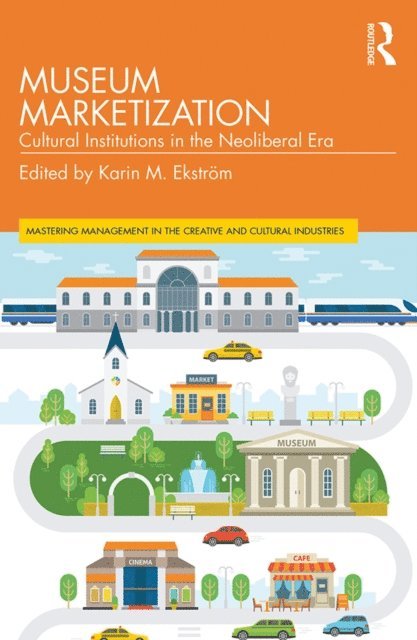
This wide-ranging book explores the impact of marketization on the creative industries. With critical perspectives from a variety of disciplines and global experts, numerous examples from international cultural institutions are employed to illuminate the topic.
Culture and business have become increasingly intertwined, and cultural institutions need to be aware of their place in the market. Commercial awareness, which was previously disparaged, is now seen as a legitimate and necessary response to increased competition, enhancing experience, increasing accessibility, broadening inclusivity and sustainable futures with diminishing funding. The contributions to this book highlight that marketing, public relations, sponsorship and fundraising have become integral to the survival of many museums, galleries and events.
Of interest to students and scholars across topics such as arts marketing, arts administration, heritage marketing and museum studies, the book is also insightful for reflective practitioners in the creative sector.
702 kr
Läs direkt efter köp
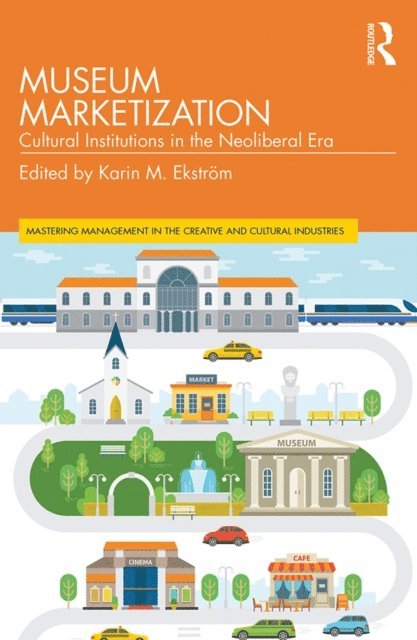
This wide-ranging book explores the impact of marketization on the creative industries. With critical perspectives from a variety of disciplines and global experts, numerous examples from international cultural institutions are employed to illuminate the topic.
Culture and business have become increasingly intertwined, and cultural institutions need to be aware of their place in the market. Commercial awareness, which was previously disparaged, is now seen as a legitimate and necessary response to increased competition, enhancing experience, increasing accessibility, broadening inclusivity and sustainable futures with diminishing funding. The contributions to this book highlight that marketing, public relations, sponsorship and fundraising have become integral to the survival of many museums, galleries and events.
Of interest to students and scholars across topics such as arts marketing, arts administration, heritage marketing and museum studies, the book is also insightful for reflective practitioners in the creative sector.
649 kr
Läs direkt efter köp
649 kr
Läs direkt efter köp
649 kr
Läs direkt efter köp
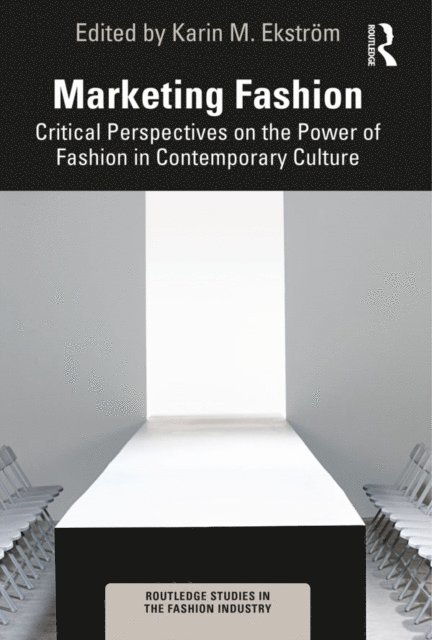
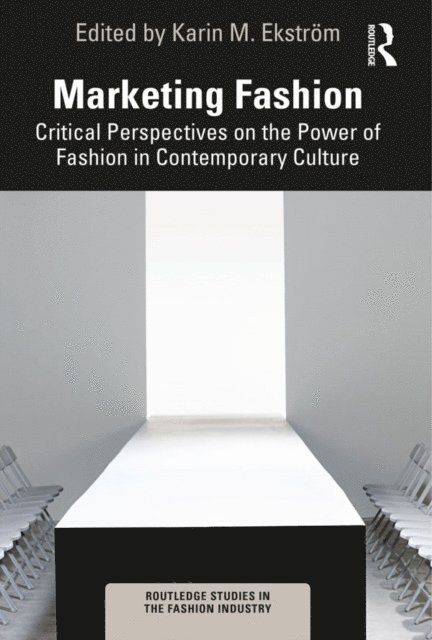
Fashion as a societal phenomenon has fascinated scholars in different disciplines such as history, sociology, anthropology, psychology, and marketing often from an interdisciplinary perspective. Fashion mirrors societal changes, cultural norms, and values over time. It can be interpreted as mundane everyday practices, constructions of identity and status as well as being associated with the art world. In this book, the focus lies on marketing and the role of marketers when fashion permeates society in deliberate and subtle ways.
This edited collection critically reflects upon the power of fashion in contemporary society and the role marketing and marketers play in the process of defining, creating, and preserving fashion, but also in divesting fashion that is no longer up to date. It expands on existing knowledge to better understand the role marketers play as cultural agents in determining fashion and its markets. Contributors to the book are international, advanced scholars from a variety of disciplines such as anthropology, marketing, psychology and sociology, who challenge traditional ways of thinking about marketing. In a society where problems with overproduction and excessive consumption represent major challenges, the critical perspective of the role fashion plays in contemporary society and what influence marketing has for shaping fashion are not merely relevant, but necessary.
This cutting-edge, interdisciplinary book will appeal to scholars across a broad range of fields including fashion marketing, fashion studies, and consumer culture research. It will also be valuable for students in advanced courses of study in a variety of disciplines besides marketing.
649 kr
Läs direkt efter köp
Fashion as a societal phenomenon has fascinated scholars in different disciplines such as history, sociology, anthropology, psychology, and marketing often from an interdisciplinary perspective. Fashion mirrors societal changes, cultural norms, and values over time. It can be interpreted as mundane everyday practices, constructions of identity and status as well as being associated with the art world. In this book, the focus lies on marketing and the role of marketers when fashion permeates society in deliberate and subtle ways.
This edited collection critically reflects upon the power of fashion in contemporary society and the role marketing and marketers play in the process of defining, creating, and preserving fashion, but also in divesting fashion that is no longer up to date. It expands on existing knowledge to better understand the role marketers play as cultural agents in determining fashion and its markets. Contributors to the book are international, advanced scholars from a variety of disciplines such as anthropology, marketing, psychology and sociology, who challenge traditional ways of thinking about marketing. In a society where problems with overproduction and excessive consumption represent major challenges, the critical perspective of the role fashion plays in contemporary society and what influence marketing has for shaping fashion are not merely relevant, but necessary.
This cutting-edge, interdisciplinary book will appeal to scholars across a broad range of fields including fashion marketing, fashion studies, and consumer culture research. It will also be valuable for students in advanced courses of study in a variety of disciplines besides marketing.