
Karina Dalen-Oskam – författare
Visar alla böcker från författaren . Handla med fri frakt och snabb leverans.
2 produkter
2 produkter
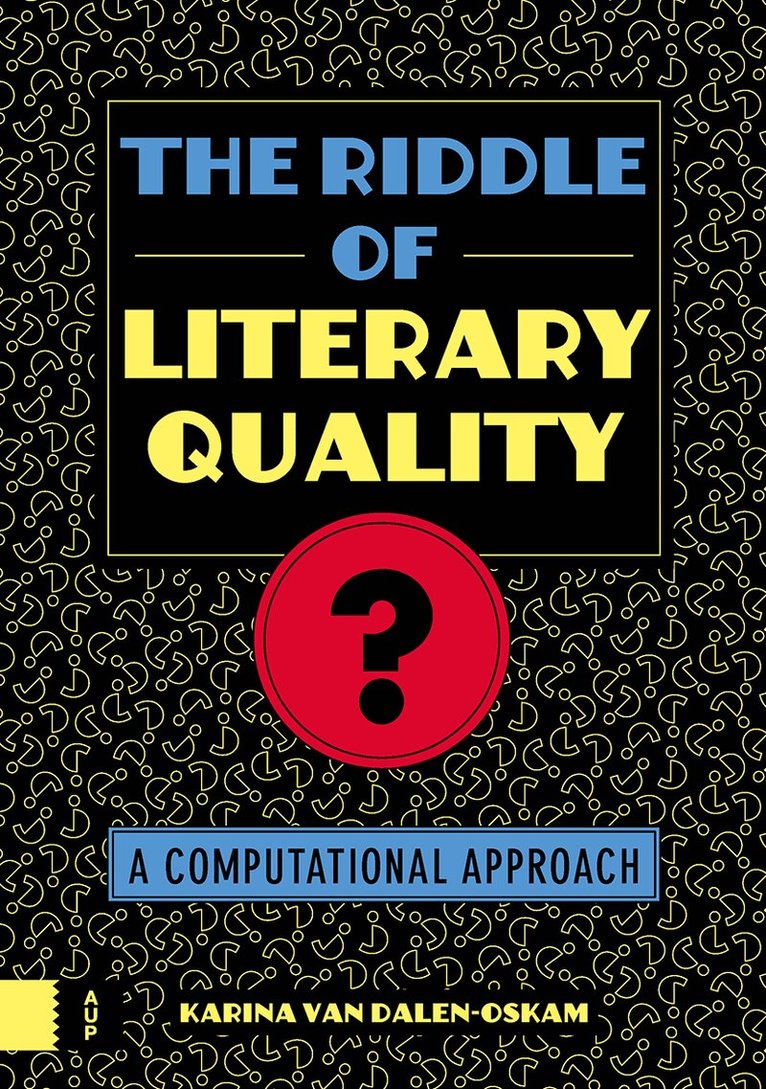
Inbunden, Engelska, 2023
1 703 kr
Skickas inom 10-15 vardagar
What is literature? Can we measure ‘literariness’ in texts themselves? The innovative Computational Humanities project The Riddle of Literary Quality asked thousands of Dutch readers for their opinion about contemporary Dutch and translated novels. The public shared which novels they had read, what they really thought of them, and how they judged their quality. Their judgments of the same novels were compared with the results of computational analysis of the books. Using evidence from almost 14,000 readers and building on more textual data than ever before, Van Dalen-Oskam and her team uncovered unconscious biases that shed new light on prejudices many people assumed no longer existed. This monograph explains in an accessible way how the project unfolded, which methods were used, and how the results may change the future of Literary Studies.
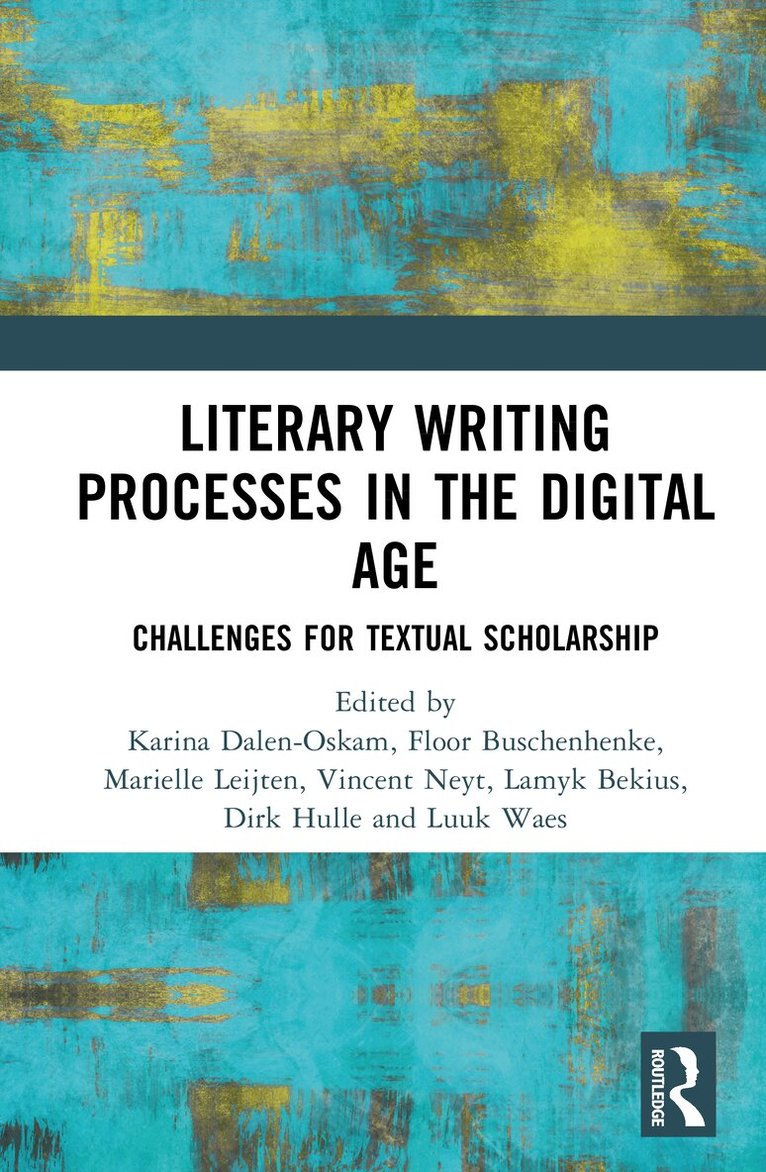
Inbunden, Engelska, 2026
2 526 kr
Kommande
Literary Writing Processes in the Digital Age examines what happens to the creative process when authors write with computers rather than with pen and paper. Taking readers behind the scenes of contemporary literature writing it uncovers the often-invisible processes that shape the books we read. It explores writing in an era where creation begins - and often remains - on the screen.This book challenges common assumptions, and it shows that “born-digital” texts offer unprecedented insight into the dynamics of writing, creating new opportunities to observe and reconstruct the creative process of writers at work. It brings together cutting-edge research from textual genetics, digital humanities, and cognitive writing studies, employing innovative methods such as keystroke logging, stylometry, and digital forensics to trace how manuscript drafts evolve, revisions unfold, and writers navigate planning, composition, and research. Contributors demonstrate how these data-rich approaches integrate with established theories of text genetics to reveal writing as a dynamic, traceable process rather than a finished product. The volume also addresses critical challenges of digital materiality—from preserving fragile literary archives to reconceptualizing textual versions—while providing new tools and theoretical frameworks for studying twenty-first-century literary production.Designed for scholars and graduate students in literary studies, digital humanities, textual criticism, and creative writing research, this book will appeal to researchers interested in authorship studies, manuscript genetics, book history, and the intersection of technology and literature, as well as archivists and librarians working with digital literary collections. The book is also valuable for anyone seeking to understand how contemporary writing practices are shaped by digital tools and what this means for the future of literary scholarship.