Karine Dana – Författare
Visar alla böcker från författaren Karine Dana. Handla med fri frakt och snabb leverans.
2 produkter
2 produkter
304 kr
Skickas inom 5-8 vardagar
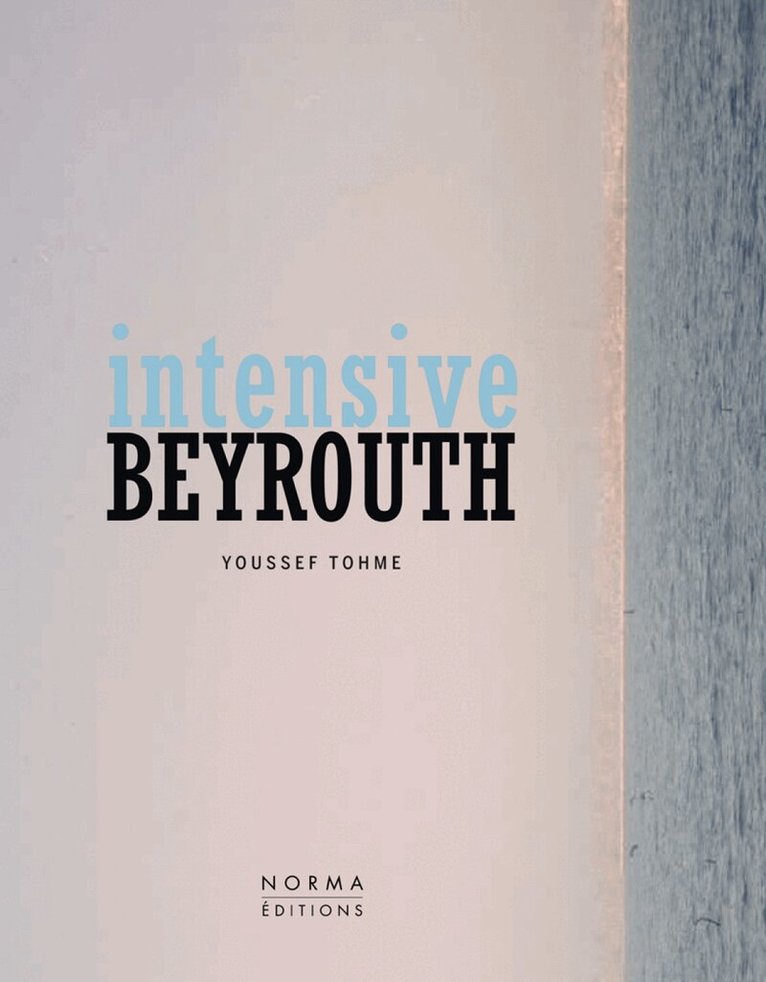
"Building in Lebanon is my way of taking a position with regard to the war." This statement by the French-Lebanese architect Youssef Tohme is key to getting into and grasping Intensive Beirut.This illustrated essay blends reflections on the urban development of the Lebanese capital with the experience gained on the projects of this architect-contractor, engaged in the effort to reopen the debate on architecture in his country. In a place where every situation is never more than a temporary state, the analysis of space is fundamental. The first part of the book examines Youssef Tohme's ideas, illustrated with 25 photos by Ziad Antar, a Lebanese visual artist-photographer. Equipped with a Holga and a Rollefleix, Antar has captured the architect's key projects - St. Joseph University in Beirut (designed with the office of 109 architects), the Villa T and the Villa M in Kornet Chehouane, and the Villa SC in Akoura. The second part, authored by Karine Dana, facilitated exchanges of ideas between Youssef Tohme and important figures of the Lebanese cultural scene such as the architect Tony Chakar, the artist Ziad Abilama and the singer Ahmed de Maschrou.Text in English and French.
614 kr
Skickas inom 5-8 vardagar
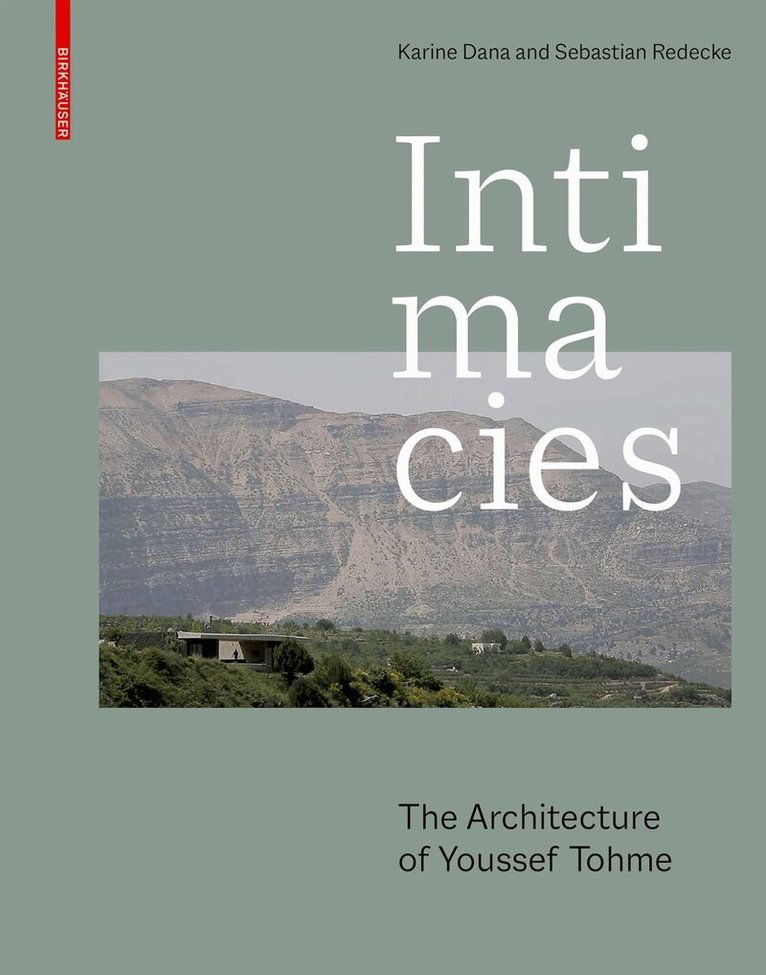
Das 2 8 gegründete, französisch-libanesische Architekturbüro Youssef Tohme Architects and Associates steht für eine sensible Handschrift, die den regionalen Kontext als unmittelbaren Ausgangspunkt für die jeweilige Architektursprache wählt. Die Verwendung unterschiedlichster Materialien im Zusammenspiel mit der bebauten Umgebung lässt Gebäude entstehen, die sich mit der Zeit und mit den Bewohnern entwickeln und verändern. Das Buch dokumentiert zwölf Projekte des Büros: vom Einfamilienhaus über ein Museum bis hin zu städtebaulichen Interventionen in Beirut, Paris, Bordeaux, Marseille und Bukarest. Ein fundierter Essay reflektiert die Arbeitsweise des Büros und geht dabei insbesondere auf die Dimension der Zeit und die damit verbundenen Veränderungen ein, die sich während der Nutzung der Gebäude einstellen.