Karine Varley – författare
Visar alla böcker från författaren Karine Varley. Handla med fri frakt och snabb leverans.
10 produkter
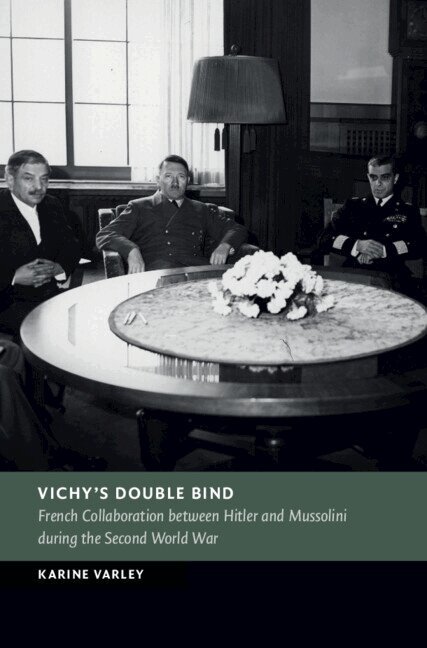
Vichy's Double Bind
French Collaboration between Hitler and Mussolini during the Second World War
Inbunden, 2023
1640 kr
Lägg i varukorg
Vichy's Double Bind advances a significant new interpretation of French collaboration during the Second World War. Arguing that the path to collaboration involved not merely Nazi Germany but Fascist Italy, it suggests that the Vichy French government was caught in a double bind. On the one hand, …
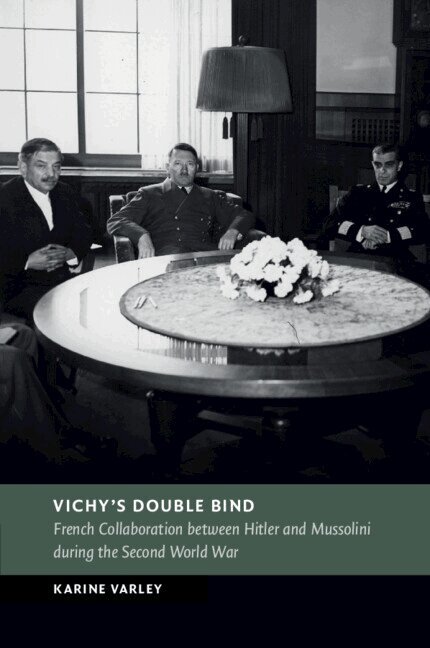
Vichy's Double Bind
French Collaboration between Hitler and Mussolini during the Second World War
Häftad, 2025
479 kr
Lägg i varukorg
Vichy's Double Bind advances a significant new interpretation of French collaboration during the Second World War. Arguing that the path to collaboration involved not merely Nazi Germany but Fascist Italy, it suggests that the Vichy French government was caught in a double bind. On the one hand, …
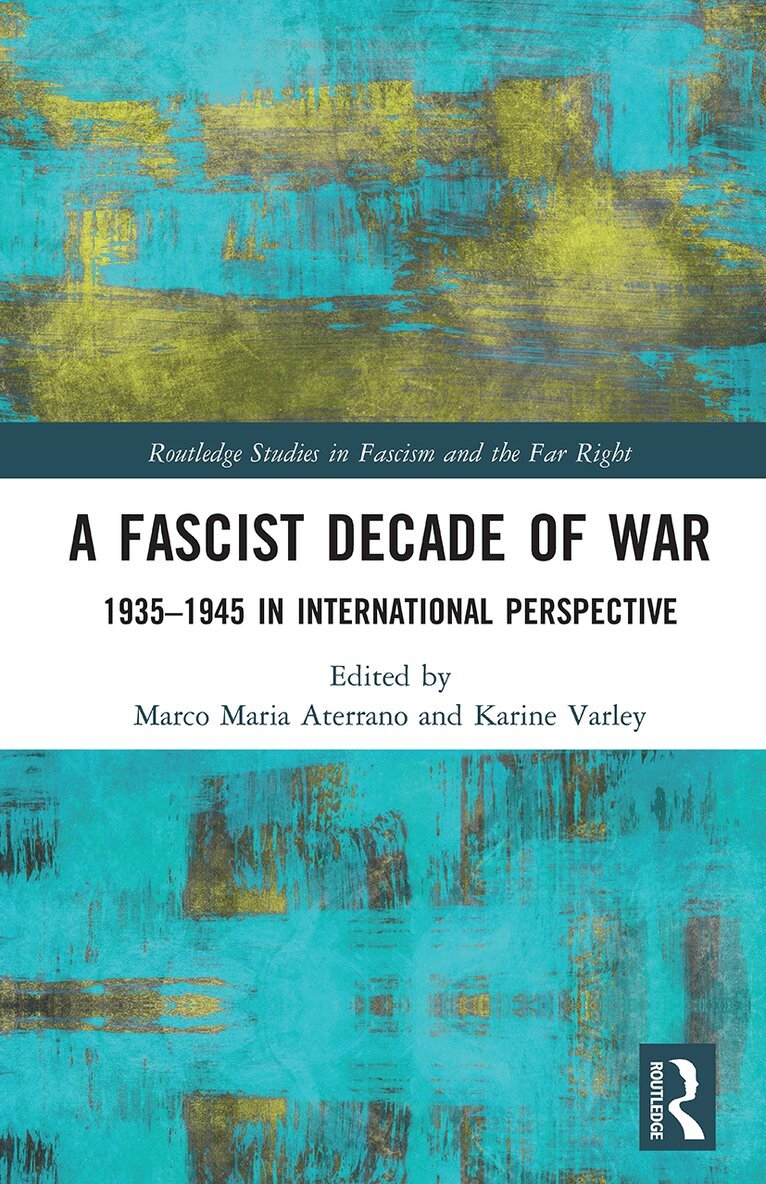
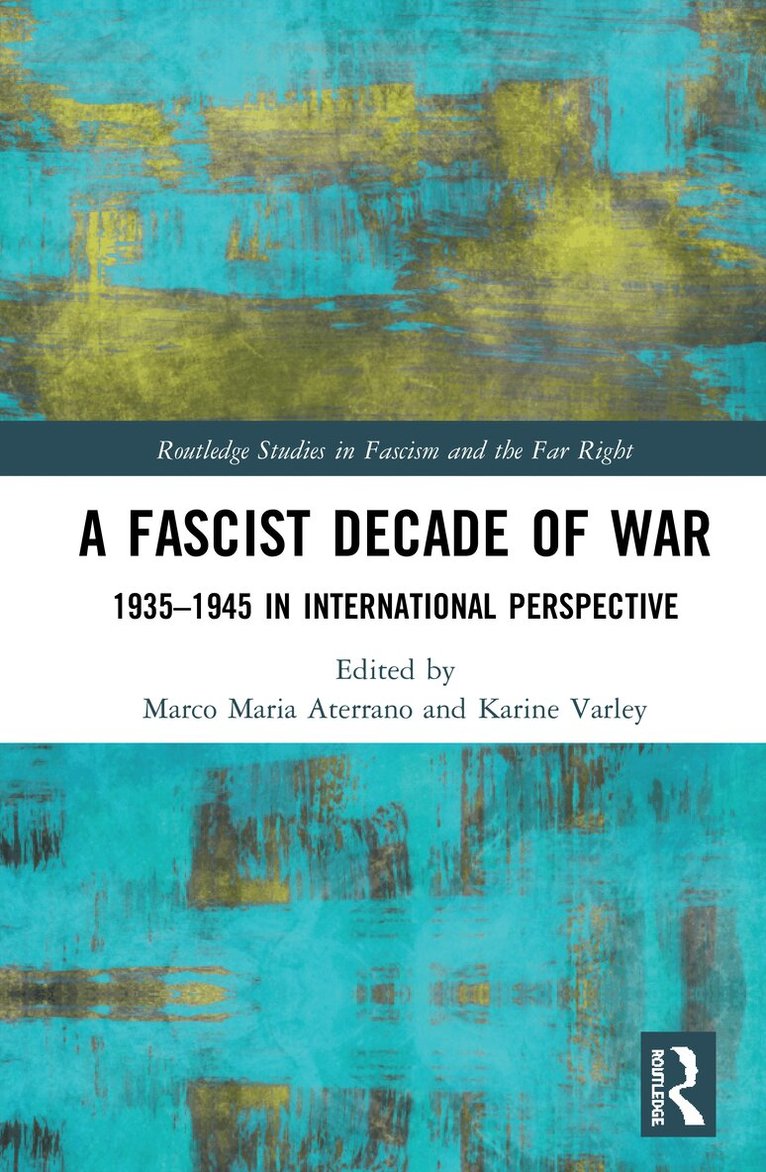
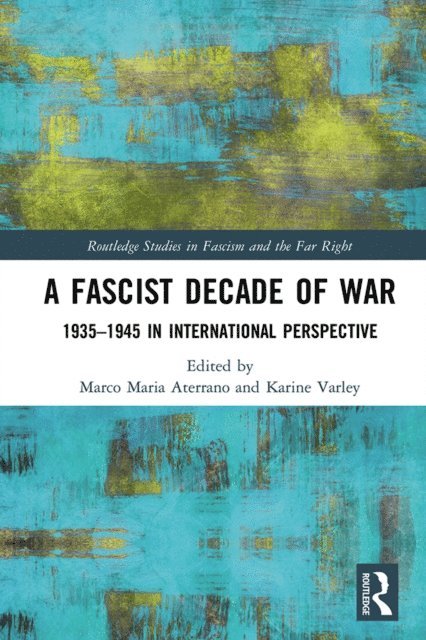
Fascist Decade of War
1935-1945 in International Perspective
Av Marco Maria Aterrano, Karine Varley
Häftad, 2021
727 kr
Lägg i varukorg
From the invasion of Ethiopia in 1935 through to the waning months of the World War II in 1945, Fascist Italy was at war. This Fascist decade of war comprised an uninterrupted stretch of military and political engagements in which Italian military forces were involved in Abyssinia, Spain, Albania, …
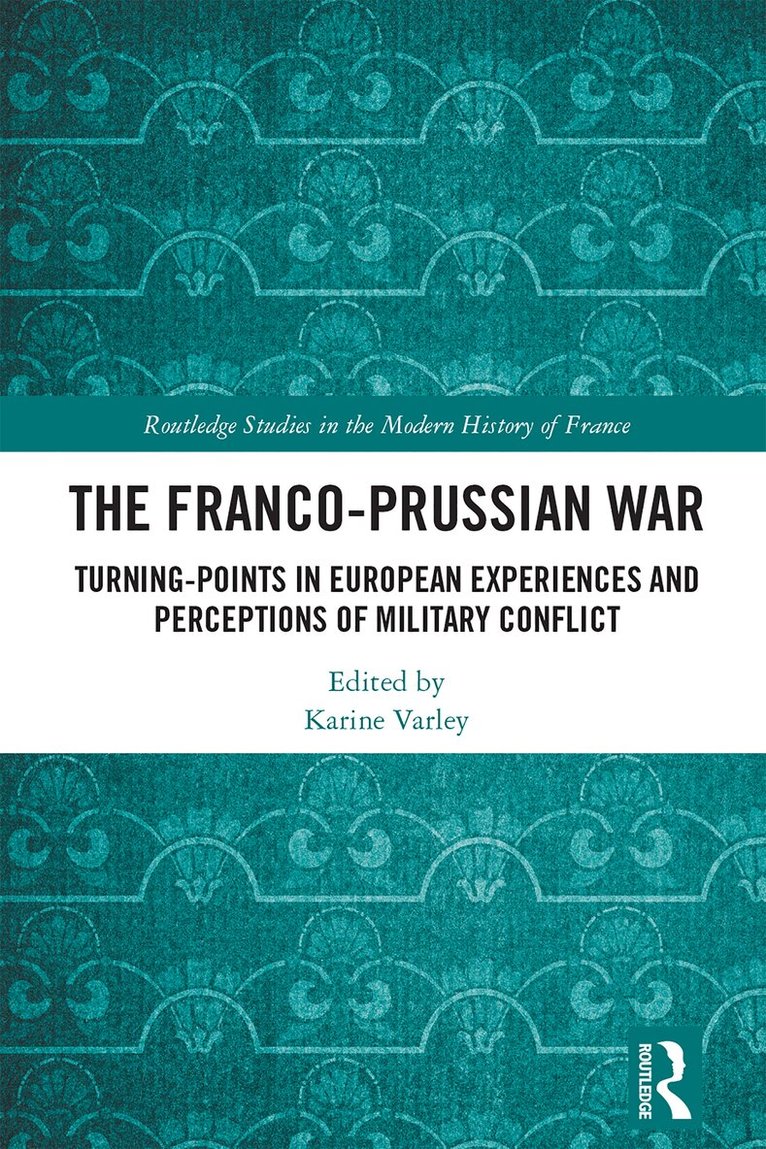
Franco-Prussian War
Turning-Points in European Experiences and Perceptions of Military Conflict
Inbunden, 2024
2585 kr
Lägg i varukorg
The Franco-Prussian War of 1870–71 has traditionally been seen as a limited conflict between French and German forces. This edited volume challenges this view and shows that it was a war of ideas, values, and perceptions, which transformed the political, diplomatic, and military culture across …
Franco-Prussian War
Turning-Points in European Experiences and Perceptions of Military Conflict
Häftad, 2026
727 kr
Lägg i varukorg
The Franco-Prussian War of 1870–71 has traditionally been seen as a limited conflict between French and German forces. This edited volume challenges this view and shows that it was a war of ideas, values, and perceptions, which transformed the political, diplomatic, and military culture across …
Franco-Prussian War
Turning-Points in European Experiences and Perceptions of Military Conflict
E-bok, 2024
856 kr
Lägg i varukorg
The Franco-Prussian War of 1870–71 has traditionally been seen as a limited conflict between French and German forces. This edited volume challenges this view and shows that it was a war of ideas, values, and perceptions, which transformed the political, diplomatic, and military culture across …
Franco-Prussian War
Turning-Points in European Experiences and Perceptions of Military Conflict
E-bok, 2024
838 kr
Lägg i varukorg
The Franco-Prussian War of 1870–71 has traditionally been seen as a limited conflict between French and German forces. This edited volume challenges this view and shows that it was a war of ideas, values, and perceptions, which transformed the political, diplomatic, and military culture across …
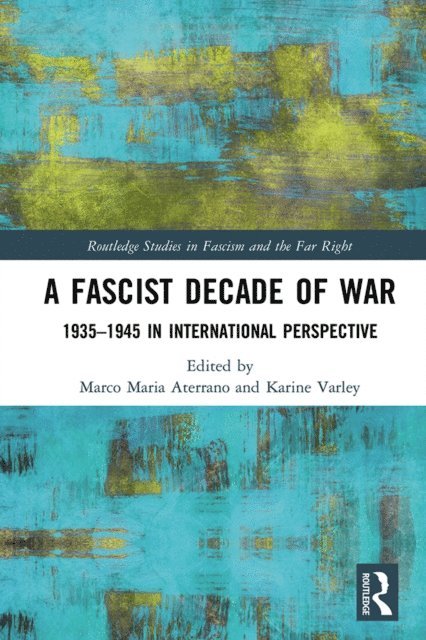
Fascist Decade of War
1935-1945 in International Perspective
Av Marco Maria Aterrano, Karine Varley
Inbunden, 2020
2585 kr
Lägg i varukorg
From the invasion of Ethiopia in 1935 through to the waning months of the World War II in 1945, Fascist Italy was at war. This Fascist decade of war comprised an uninterrupted stretch of military and political engagements in which Italian military forces were involved in Abyssinia, Spain, Albania, …
Fascist Decade of War
1935-1945 in International Perspective
Av Karine Varley, Marco Maria Aterrano
E-bok, 2020
856 kr
Lägg i varukorg
From the invasion of Ethiopia in 1935 through to the waning months of the World War II in 1945, Fascist Italy was at war. This Fascist decade of war comprised an uninterrupted stretch of military and political engagements in which Italian military forces were involved in Abyssinia, Spain, Albania, …
Fascist Decade of War
1935-1945 in International Perspective
Av Karine Varley, Marco Maria Aterrano
E-bok, 2020
831 kr
Lägg i varukorg
From the invasion of Ethiopia in 1935 through to the waning months of the World War II in 1945, Fascist Italy was at war. This Fascist decade of war comprised an uninterrupted stretch of military and political engagements in which Italian military forces were involved in Abyssinia, Spain, Albania, …