Karl Axelsson – författare
Visar alla böcker från författaren Karl Axelsson. Handla med fri frakt och snabb leverans.
12 produkter
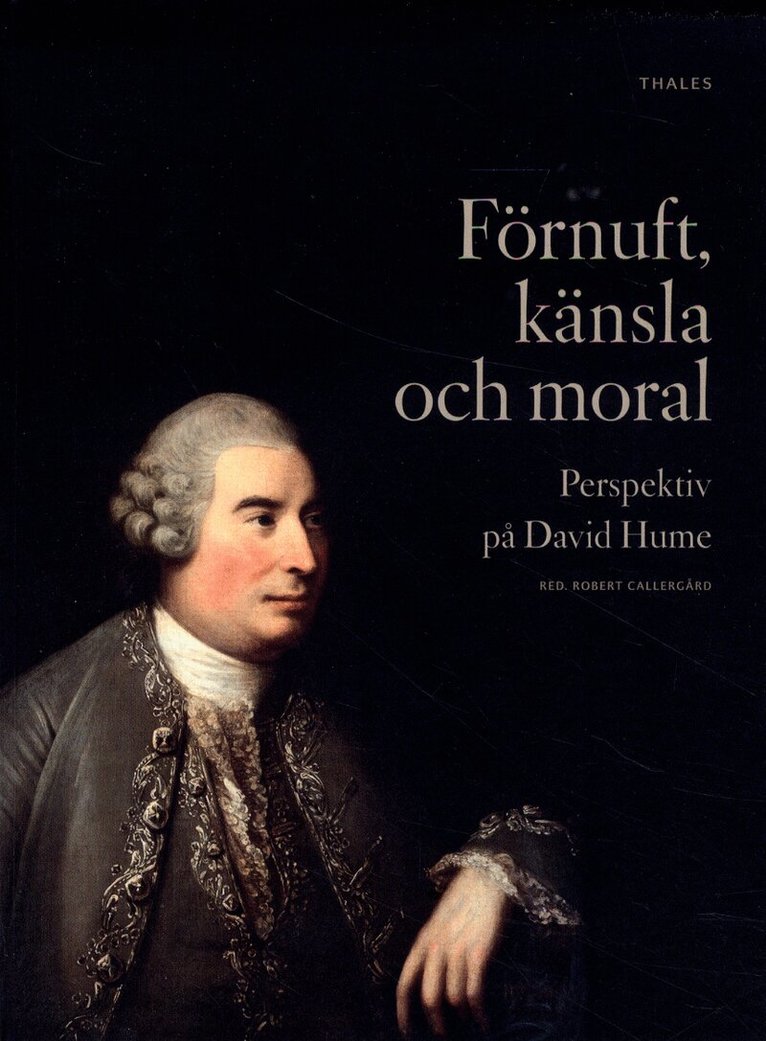
Förnuft, känsla och moral : perspektiv på David Hume
Av Karl Axelsson, Henrik Bohlin m. fl.
Häftad, 2011
4,0 utav 5 stjärnor. Totalt antal röster: (1)
217 kr
Lägg i varukorg
300 år efter sin födelse 1711 är David Hume fortfarande en levande filosof, vars tankar är högaktuella inom många av filosofins områden, från kunskapsteori till moralfilosofi. Förnuft, känsla och moral innehåller nyskrivna essäer av svenska filosofer, som presenterar och diskuterar Humes filosofi …
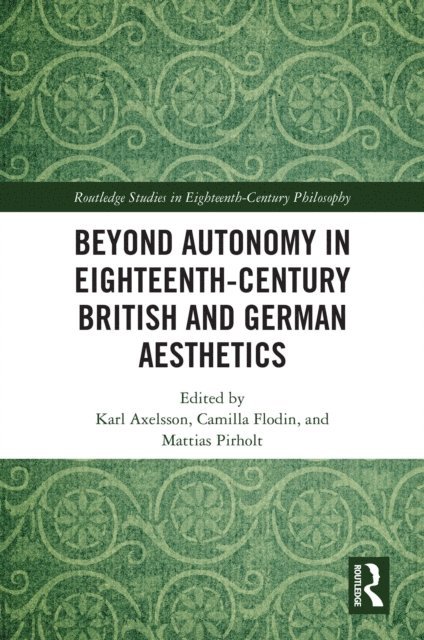
Beyond Autonomy in Eighteenth-Century British and German Aesthetics
Av Karl Axelsson, Camilla Flodin m. fl.
Inbunden, 2020
3161 kr
Lägg i varukorg
This volume re-examines traditional interpretations of the rise of modern aesthetics in eighteenth-century Britain and Germany. It provides a new account that connects aesthetic experience with morality, science, and political society. In doing so, it challenges long-standing teleological …
Beyond Autonomy in Eighteenth-Century British and German Aesthetics
Av Karl Axelsson, Camilla Flodin m. fl.
Häftad, 2022
813 kr
Lägg i varukorg
This volume re-examines traditional interpretations of the rise of modern aesthetics in eighteenth-century Britain and Germany. It provides a new account that connects aesthetic experience with morality, science, and political society. In doing so, it challenges long-standing teleological …
Beyond Autonomy in Eighteenth-Century British and German Aesthetics
Av Mattias Pirholt, Camilla Flodin m. fl.
E-bok, 2020
750 kr
Lägg i varukorg
This volume re-examines traditional interpretations of the rise of modern aesthetics in eighteenth-century Britain and Germany. It provides a new account that connects aesthetic experience with morality, science, and political society. In doing so, it challenges long-standing teleological …
Beyond Autonomy in Eighteenth-Century British and German Aesthetics
Av Mattias Pirholt, Camilla Flodin m. fl.
E-bok, 2020
750 kr
Lägg i varukorg
This volume re-examines traditional interpretations of the rise of modern aesthetics in eighteenth-century Britain and Germany. It provides a new account that connects aesthetic experience with morality, science, and political society. In doing so, it challenges long-standing teleological …
Shaftesbury, God, and Environmental Aesthetics
Inbunden, 2026
791 kr
Kommande
This study aims to initiate a dialogue between environmental aesthetics and Shaftesbury's theory of natural beauty. Rather than de-theologising Shaftesbury's theory, it shows how the theory is integral to his anti-voluntarism. The study considers the theory's origins in the Cambridge Platonism of …
Shaftesbury, God, and Environmental Aesthetics
Häftad, 2026
246 kr
Kommande
This study aims to initiate a dialogue between environmental aesthetics and Shaftesbury's theory of natural beauty. Rather than de-theologising Shaftesbury's theory, it shows how the theory is integral to his anti-voluntarism. The study considers the theory's origins in the Cambridge Platonism of …
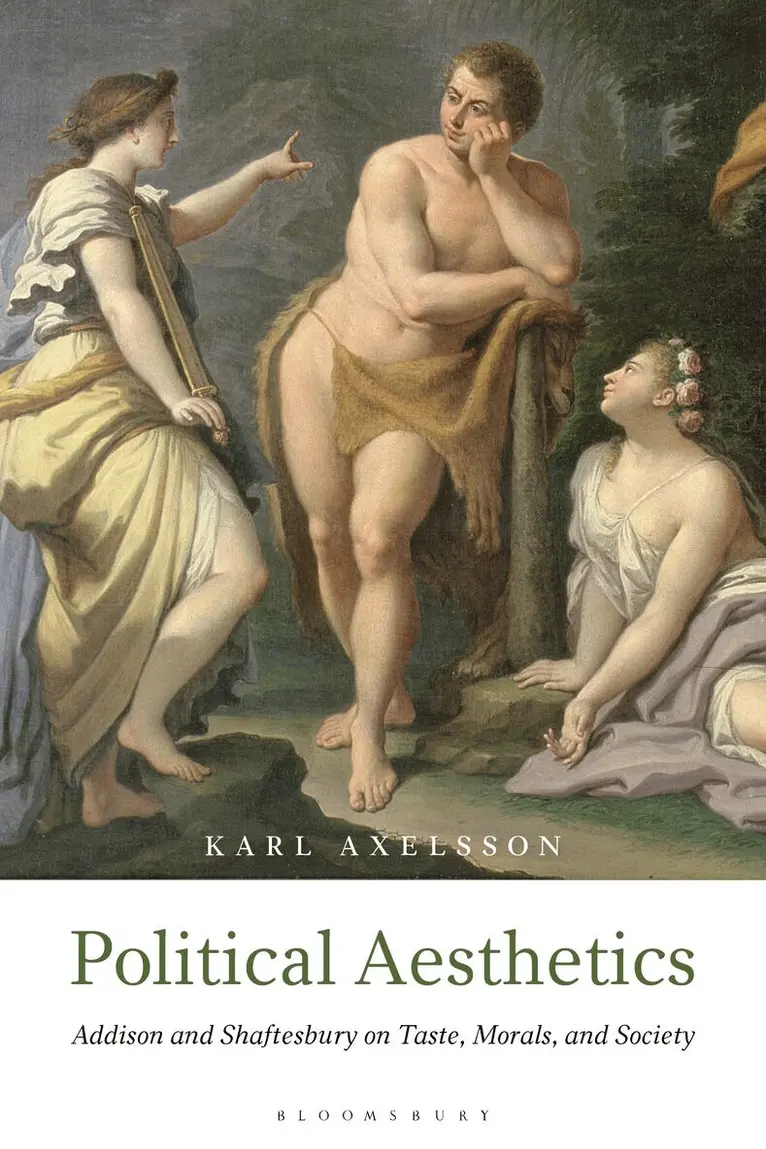
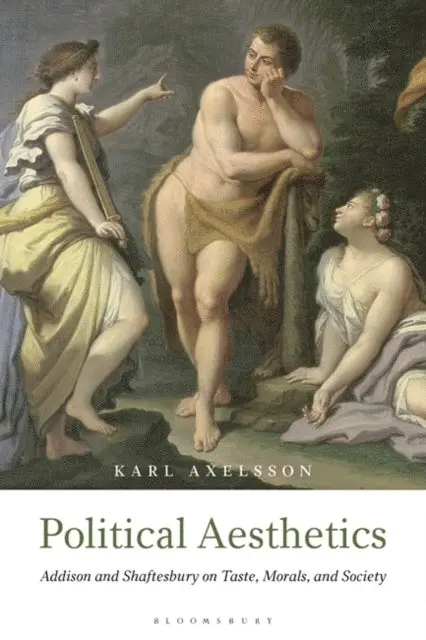
Political Aesthetics
Addison and Shaftesbury on Taste, Morals and Society
Inbunden, 2019
1705 kr
Lägg i varukorg
Providing a gateway to a new history of modern aesthetics, this book challenges conventional views of how art’s significance developed in society.The 18th century is often said to have involved a radical transformation in the concept of art: from the understanding that it has a practical purpose to …
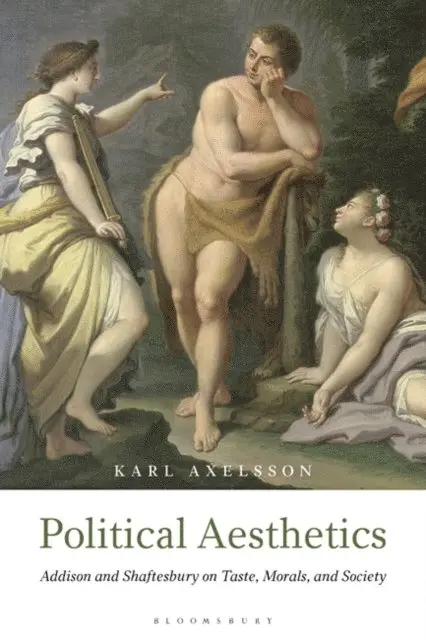
Political Aesthetics
Addison and Shaftesbury on Taste, Morals and Society
E-bok, 2019
515 kr
Lägg i varukorg
Providing a gateway to a new history of modern aesthetics, this book challenges conventional views of how art''s significance developed in society. The 18th century is often said to have involved a radical transformation in the concept of art: from the understanding that it has a practical purpose …
Political Aesthetics
Addison and Shaftesbury on Taste, Morals and Society
E-bok, 2019
515 kr
Lägg i varukorg
Providing a gateway to a new history of modern aesthetics, this book challenges conventional views of how art''s significance developed in society. The 18th century is often said to have involved a radical transformation in the concept of art: from the understanding that it has a practical purpose …
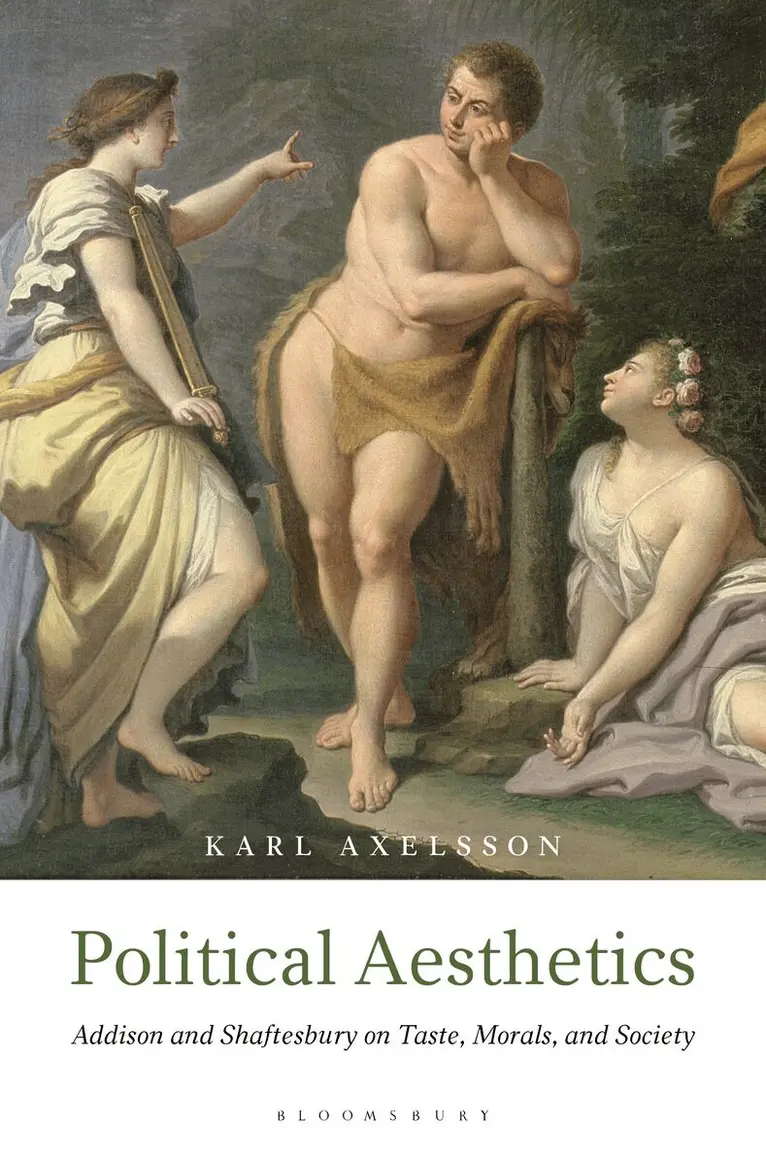
Political Aesthetics
Addison and Shaftesbury on Taste, Morals and Society
Häftad, 2021
474 kr
Lägg i varukorg
Providing a gateway to a new history of modern aesthetics, this book challenges conventional views of how art’s significance developed in society.The 18th century is often said to have involved a radical transformation in the concept of art: from the understanding that it has a practical purpose to …
Sublime
Precursors and British Eighteenth-Century Conceptions
Häftad, 2007
851 kr
Lägg i varukorg
The appeal of the sublime in the minds of British critics and poets during the eighteenth century holds a unique position in the history of aesthetics. At no other time has aesthetics displayed a similar interest in the experience of the sublime. This book explores the impulses behind the …