Karl Figlio – författare
485 kr
Läs direkt efter köp
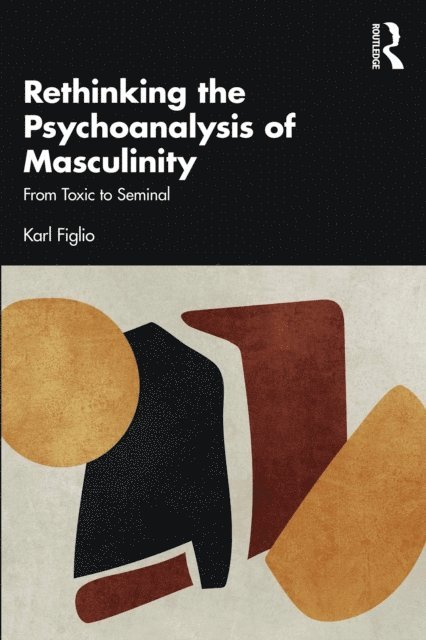
Drawing on a broad range of psychoanalytic, cultural and social influences, the author examines the concept of toxic masculinity for how it brings into focus a widespread anxiety about toxicity throughout daily life: In nature, society and personal relationships.
Aggressive, misogynistic masculinity has become a major topic in recent years, spreading throughout popular culture, the media and research. Often called ''phallic,'' it simmers in everyday life and hits the headlines for turning florid and violent in maintaining its dominance, especially towards women. But at the extreme, phallic masculinity has recently crystallized in a very different form, as toxic masculinity, and ''toxic'' has become the near-universal epithet for all forms of extreme destructiveness in a ''toxic culture.'' It has brought into focus, and named as masculine, an anxiety over toxicity in every corner of everyday life. Exploring toxic masculinity in depth brings out a misogynistic current that pervades individual and social realms, but also throws a sharp light on normal masculinity. By elaborating on the roots of this toxicity, Figlio is able to draw out a different, more positive alternative for masculinity, with particular reference to the underlying fears around fertility and the seminal.
With a strong research and clinical base, this book is essential reading for all psychoanalysts and psychoanalytic psychotherapists and cultural and social theorists interested in exploring concepts of masculinity.
489 kr
Läs direkt efter köp
Drawing on a broad range of psychoanalytic, cultural and social influences, the author examines the concept of toxic masculinity for how it brings into focus a widespread anxiety about toxicity throughout daily life: In nature, society and personal relationships.
Aggressive, misogynistic masculinity has become a major topic in recent years, spreading throughout popular culture, the media and research. Often called ''phallic,'' it simmers in everyday life and hits the headlines for turning florid and violent in maintaining its dominance, especially towards women. But at the extreme, phallic masculinity has recently crystallized in a very different form, as toxic masculinity, and ''toxic'' has become the near-universal epithet for all forms of extreme destructiveness in a ''toxic culture.'' It has brought into focus, and named as masculine, an anxiety over toxicity in every corner of everyday life. Exploring toxic masculinity in depth brings out a misogynistic current that pervades individual and social realms, but also throws a sharp light on normal masculinity. By elaborating on the roots of this toxicity, Figlio is able to draw out a different, more positive alternative for masculinity, with particular reference to the underlying fears around fertility and the seminal.
With a strong research and clinical base, this book is essential reading for all psychoanalysts and psychoanalytic psychotherapists and cultural and social theorists interested in exploring concepts of masculinity.

526 kr
Skickas inom 10-15 vardagar
2 025 kr
Skickas inom 10-15 vardagar
362 kr
Läs direkt efter köp
263 kr
Skickas inom 10-15 vardagar
1 374 kr
Skickas inom 10-15 vardagar
1 374 kr
Skickas inom 10-15 vardagar
1 672 kr
Läs direkt efter köp
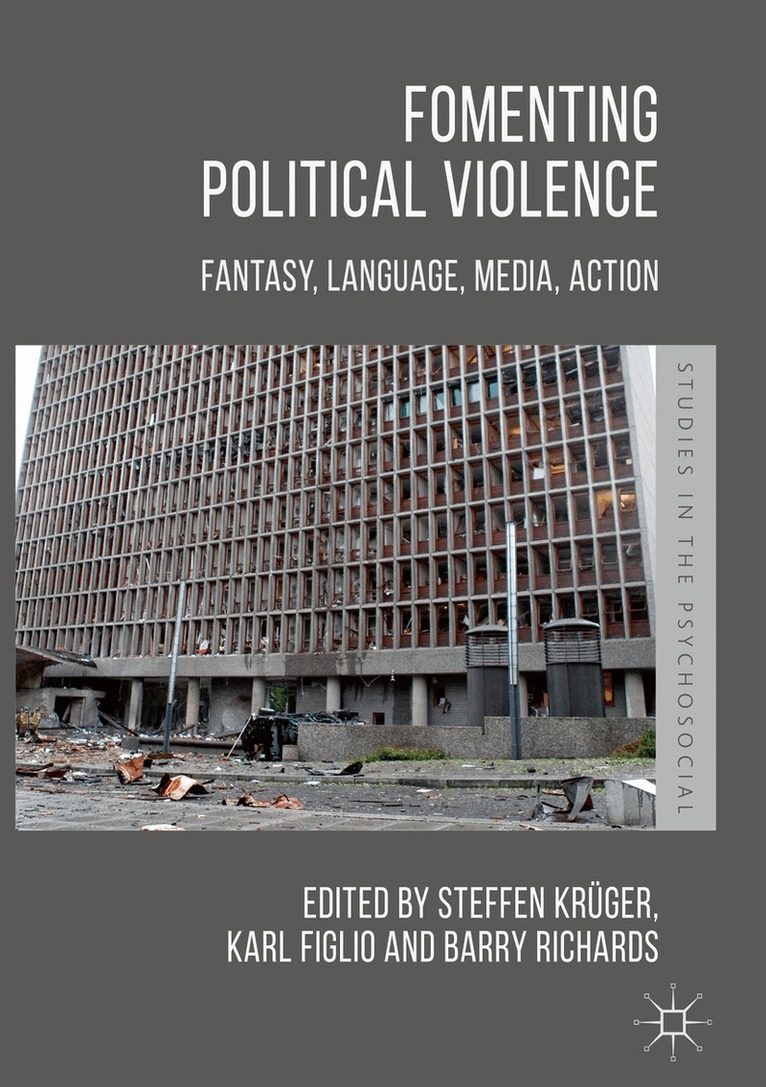
This book offers a psychosocial perspective on political violence, employing a strong current of psychoanalytic thinking. In the course of its chapters an international roster of researchers and scholars offers a richly complex and insightful view of diverse forms of political violence and its build-ups. The authors discuss the processes by which the ground for political violence is prepared, and how violent acts are facilitated. They question how social, cultural and political constellations can develop in such a way that, for certain people in this constellation, violence becomes a logical – perversely reasonable – response. This collection demonstrates what a psychoanalytic perspective can bring to existing approaches to political violence, going beyond the social movement approach by unfolding the inherent ambiguity in accepted concepts within the study of political violence.