Karl Kolbitz - Böcker
Visar alla böcker från författaren Karl Kolbitz. Handla med fri frakt och snabb leverans.
4 produkter
4 produkter
582 kr
Skickas inom 3-6 vardagar
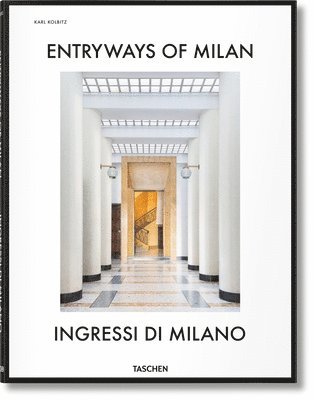
First impressions count, especially in Milano. In this unprecedented photographic journey, editor Karl Kolbitz opens the door to 144 of the city’s most sumptuous entrance halls, captivating in their diversity and splendor. These vibrant Milanese entryways, until now hidden away behind often restrained façades, are revealed as dazzling examples of Italian modernism, mediating public and private space with vivid configurations of color and form, from floors of juxtaposed stones to murals of minimalist geometry.The collection spans buildings from 1920 to 1970 and showcases the work of some of the city’s most illustrious architects and designers, including Giovanni Muzio, Gio Ponti, Piero Portaluppi, and Luigi Caccia Dominioni, as well as non-pedigreed architecture of equal impact and interest. The photographs for the publication were exclusively shot by Delfino Sisto Legnani, Paola Pansini, and Matthew Billings, each evoking the entryways with individual sensibility and a stylistic interplay of detail shots—such as stones, door handles, and handrails—with larger architectural views.The images are accompanied by concise contributions from Penny Sparke, Fabrizio Ballabio, Lisa Hockemeyer, Daniel Sherer, Brian Kish, and Grazia Signori, together bringing a wealth of architecture, design, and natural stone expertise to guide the reader through the applied materials and fittings as well as the art-historical and social implications of each of the ingressi. As much an architectural city guide as an aesthetic study, the book provides the exact address and an annotated Milan map for all featured entryways, as well as the architect name and date of construction.In the well-documented realm of 20th-century Italian design, Kolbitz has stepped over the threshold and delivered a brand new area of inquiry in Milanese modernism. With the rigor of its multifaceted research, poised photography, and breadth of its featured hallways, this is an invigorating new reference work and an inside look at the city’s design DNA across high to low architecture.
725 kr
Skickas inom 3-6 vardagar
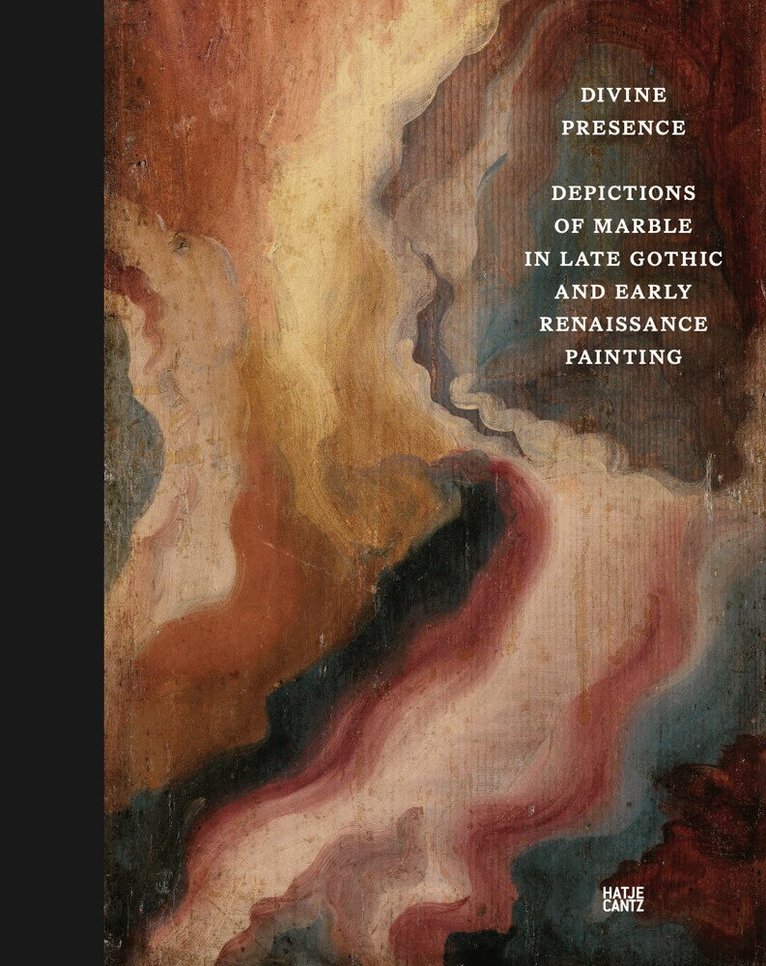
How do you represent the divine and the central miracles of Christianity? Divine Presence explores this question through the captivating world of marble representations in Late Gothic and Early Renaissance art.This groundbreaking study reveals how painters – including Fra Angelico, Bellini, Crivelli and Mantegna – transformed depictions of marble from mere decoration into a powerful theological tool. By blending naturalistic detail with imaginative color and texture, these artists created visual meditations on creation, incarnation, resurrection, and divine presence. Rooted in ancient beliefs that marble was a living substance, their works made the ineffable visible, inviting viewers to glimpse heaven through pigment and stone.The first visual study of this widespread visual phenomenon, Divine Presence offers fresh insights for art lovers, culture enthusiasts, and history buffs. Through stunning imagery, original research, and engaging texts, this book uncovers the spiritual and devotional power of painted marble in the art of the Late Gothic and Early Renaissance.
306 kr
Kommande
First impressions count, especially in Milano. In this unprecedented photographic journey, editor Karl Kolbitz opens the door to 144 of the city’s most sumptuous entrance halls, captivating in their diversity and splendor. These vibrant Milanese entryways, until now hidden away behind often restrained façades, are revealed as dazzling examples of Italian modernism, mediating public and private space with vivid configurations of color and form, from floors of juxtaposed stones to murals of minimalist geometry.The collection spans buildings from 1920 to 1970 and showcases the work of some of the city’s most illustrious architects and designers, including Giovanni Muzio, Gio Ponti, Piero Portaluppi, and Luigi Caccia Dominioni, as well as non-pedigreed architecture of equal impact and interest. The photographs for the publication were exclusively shot by Delfino Sisto Legnani, Paola Pansini, and Matthew Billings, each evoking the entryways with individual sensibility and a stylistic interplay of detail shots—such as stones, door handles, and handrails—with larger architectural views.The images are accompanied by concise contributions from Penny Sparke, Fabrizio Ballabio, Lisa Hockemeyer, Daniel Sherer, Brian Kish, and Grazia Signori, together bringing a wealth of architecture, design, and natural stone expertise to guide the reader through the applied materials and fittings as well as the art-historical and social implications of each of the ingressi. As much an architectural city guide as an aesthetic study, the book provides the exact address and an annotated Milan map for all featured entryways, as well as the architect name and date of construction.In the well-documented realm of 20th-century Italian design, Kolbitz has stepped over the threshold and delivered a brand new area of inquiry in Milanese modernism. With the rigor of its multifaceted research, poised photography, and breadth of its featured hallways, this is an invigorating new reference work and an inside look at the city’s design DNA across high to low architecture.
2 353 kr
Skickas inom 3-6 vardagar
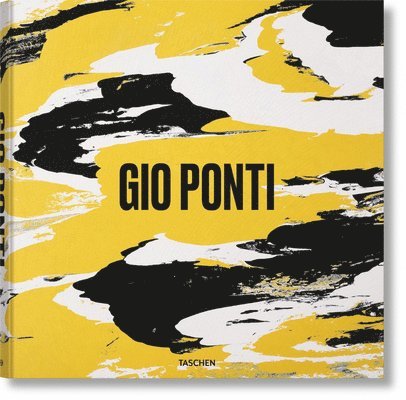
Also available as Art Edition (No. 1–1,000) including an exclusive, square format reproduction of the Arlecchino coffee table and a set of four numbered ocean liner interior prints. To study Gio Ponti’s prolific body of work is to appreciate the clear, unifying vision behind a complex creative universe. A synthesis of the arts, his creations expand intuitively with the Italian grandeur and studied lightness that defined his iconic style. Ponti’s rare capacity to move seamlessly between scales allowed him to approach the design of a teaspoon with the same conviction as he did an entire city. He was as much an architect and designer as he was a publisher, poet, and man. A treasure in its own regard, his contribution is also a distinctive landmark of Italy’s mid-century Renaissance and the modernist values it sought to realize. This is the most comprehensive account of Ponti’s work to date, unprecedented in scale and scope. It tracks the development of his oeuvre over 6 decades, with 136 projects indexed and reproduced in high resolution, each object framed by the context in which Ponti had created it. Like windows onto his elusive life, unpublished materials and candid imagery create new dialogues between his famous masterpieces and his lesser-known feats. A rich layer of texts, featuring an extensive biographical essay by Stefano Casciani, was produced in close collaboration with the Gio Ponti Archives offering an intimate insight on his life’s work. Materializing Ponti’s core philosophy of modernity, this book presents architecture as a performing object, a "self-illuminating" stage for his humanistic art de vivre and boundless creativity.