Karl Leyser – författare
Visar alla böcker från författaren Karl Leyser. Handla med fri frakt och snabb leverans.
5 produkter
Communications and Power in Medieval Europe
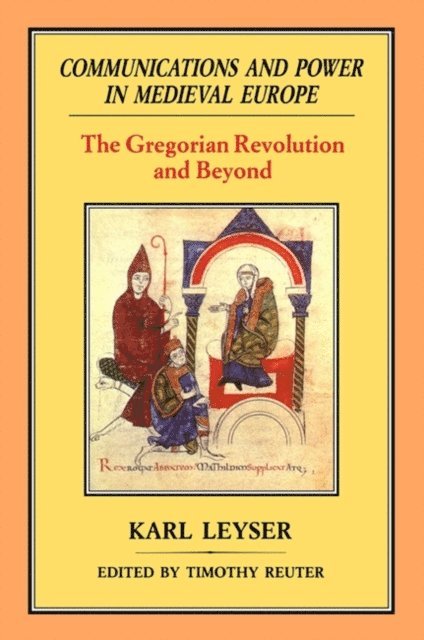
The Gregorian Revolution and Beyond
Av Karl Leyser
E-bok, 1994
2087 kr
Lägg i varukorg
In the first half of this collection of Karl Leyser''s studies on the high middle ages, two themes are especially explored. The first is the European aristocratic world of the early eleventh century; the second is the fragmentation of this world in the course of the revolution set in motion by …
Communications and Power in Medieval Europe
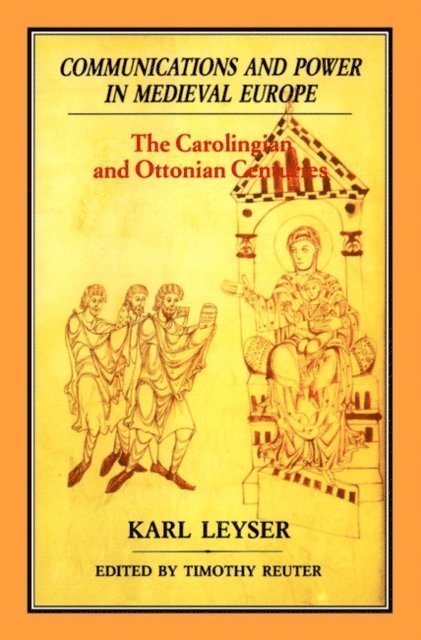
The Carolingian and Ottonian Centuries
Av Karl Leyser
E-bok, 1994
2568 kr
Lägg i varukorg
Karl Leyser''s intuitive and imaginative historical writing drew on deep reading in the primary sources and, above all, on an intimate knowledge of the major historians of the period displayed in this collection of his work. It was his contention that only through an understanding of the minds of …
Communications and Power in Medieval Europe
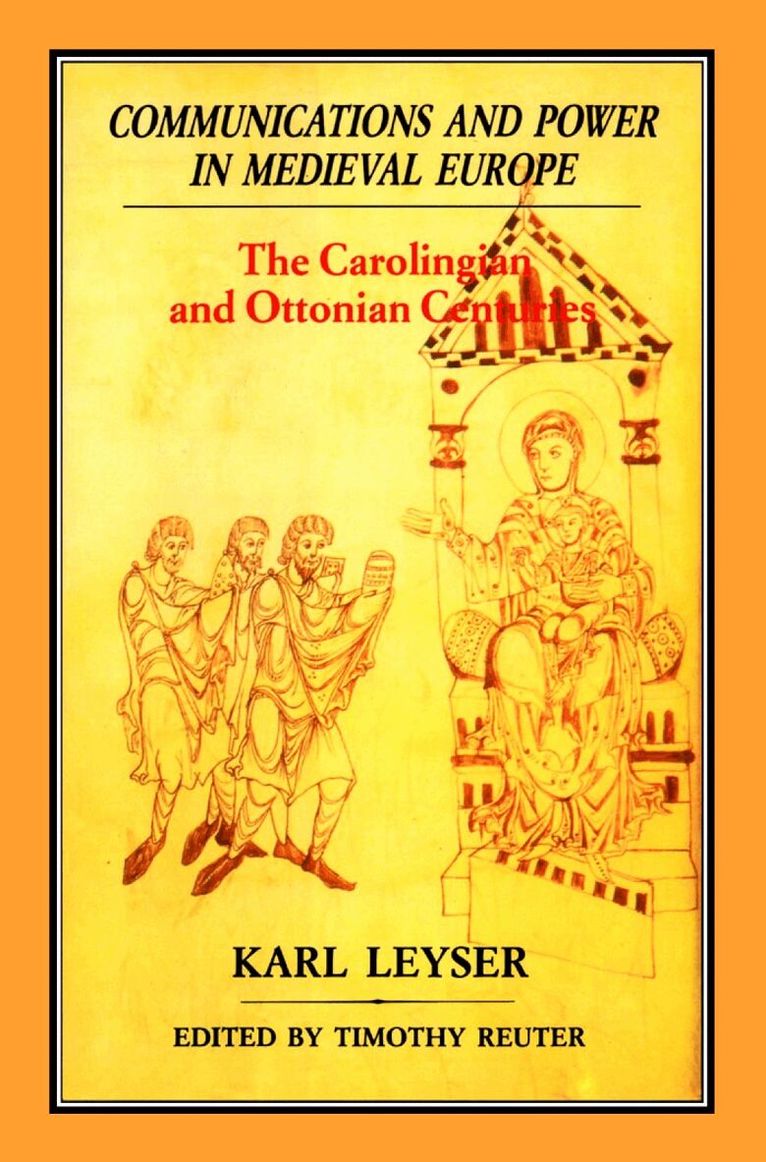
The Carolingian and Ottonian Centuries
Av Karl Leyser, Timothy Reuter
Inbunden, 1994
2334 kr
Lägg i varukorg
Karl Leyser's intuitive and imaginative historical writing drew on deep reading in the primary sources and, above all, on an intimate knowledge of the major historians of the period displayed in this collection of his work. It was his contention that only through an understanding of the minds of …
Communications and Power in Medieval Europe
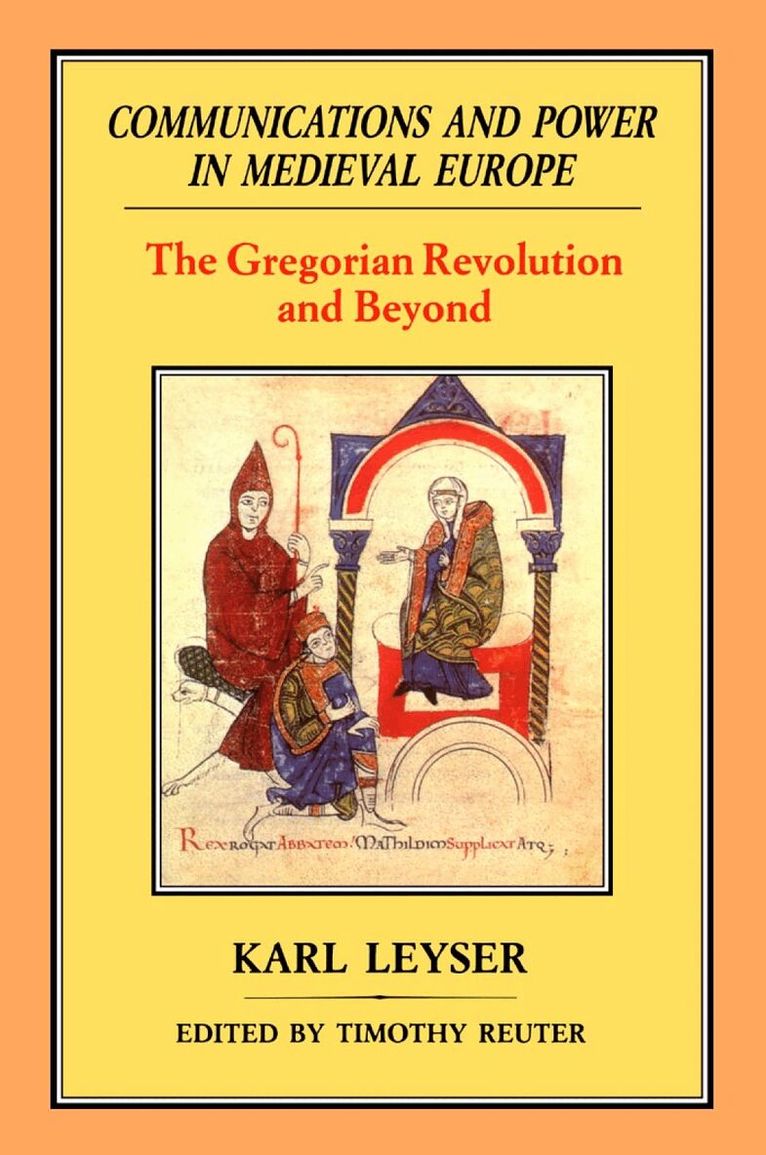
The Gregorian Revolution and Beyond
Av Karl Leyser, Timothy Reuter
Inbunden, 1994
1898 kr
Lägg i varukorg
In the first half of this collection of Karl Leyser's studies on the high middle ages, two themes are especially explored. The first is the European aristocratic world of the early eleventh century; the second is the fragmentation of this world in the course of the revolution set in motion by …