Karlo Basta – författare
1 431 kr
Skickas inom 5-8 vardagar
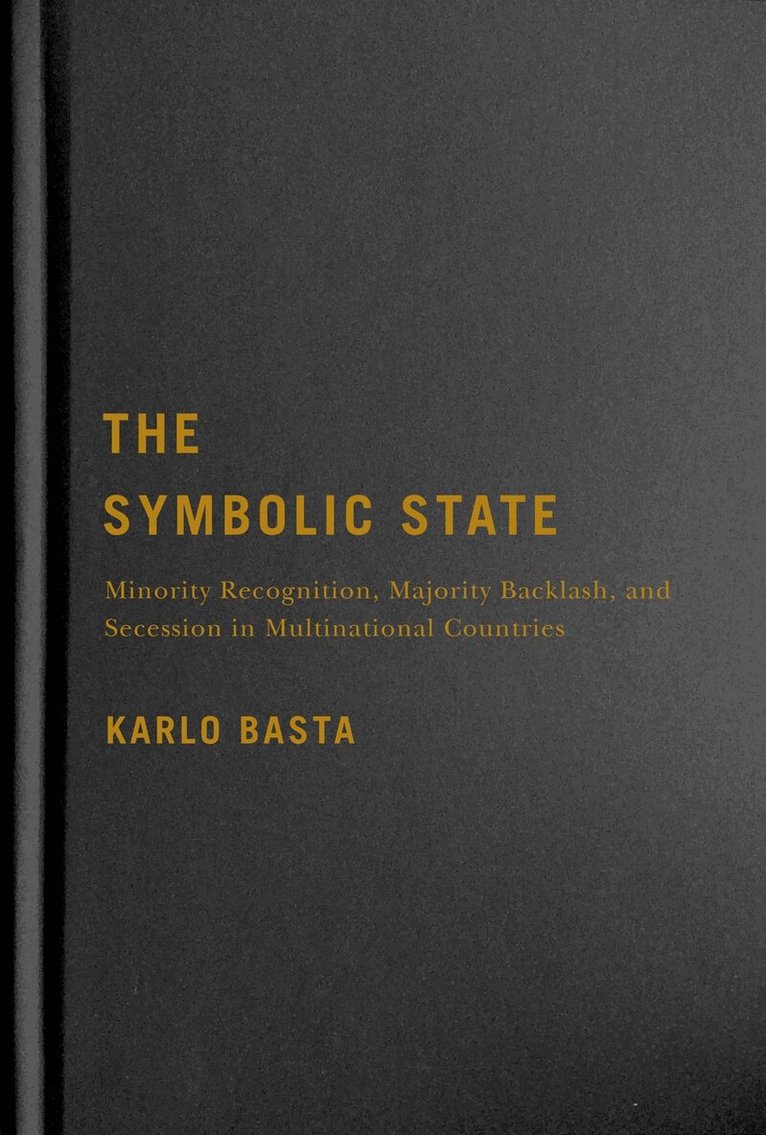
Symbolic State
Minority Recognition, Majority Backlash, and Secession in Multinational Countries
410 kr
Skickas inom 10-15 vardagar
305 kr
Läs direkt efter köp
The nation-state is a double sleight of hand, naturalizing both the nation and the state encompassing it. No such naturalization is possible in multinational states. To explain why these countries experience political crises that bring their very existence into question, standard accounts point to conflicts over resources, security, and power. This book turns the spotlight on institutional symbolism.When minority nations in multinational states press for more self-government, they are not only looking to protect their interests. They are asking to be recognized as political communities in their own right. Yet satisfying their demands for recognition threatens to provoke a reaction from members of majority nations who see such changes as a symbolic repudiation of their own vision of politics. Secessionist crises flare up when majority backlash reverses symbolic concessions to minority nations. Through a synoptic historical sweep of Canada, Spain, Yugoslavia, and Czechoslovakia, The Symbolic State shows us that institutions may be more important for what they mean than for what they do.A major contribution to the study of comparative nationalism and secession, comparative politics, and social theory, The Symbolic State is particularly timely in an era when the power of symbols – exemplified by Brexit, the Donald Trump presidency, and the rise of the Black Lives Matter movement – is reshaping politics.
305 kr
Läs direkt efter köp
The nation-state is a double sleight of hand, naturalizing both the nation and the state encompassing it. No such naturalization is possible in multinational states. To explain why these countries experience political crises that bring their very existence into question, standard accounts point to conflicts over resources, security, and power. This book turns the spotlight on institutional symbolism.When minority nations in multinational states press for more self-government, they are not only looking to protect their interests. They are asking to be recognized as political communities in their own right. Yet satisfying their demands for recognition threatens to provoke a reaction from members of majority nations who see such changes as a symbolic repudiation of their own vision of politics. Secessionist crises flare up when majority backlash reverses symbolic concessions to minority nations. Through a synoptic historical sweep of Canada, Spain, Yugoslavia, and Czechoslovakia, The Symbolic State shows us that institutions may be more important for what they mean than for what they do.A major contribution to the study of comparative nationalism and secession, comparative politics, and social theory, The Symbolic State is particularly timely in an era when the power of symbols – exemplified by Brexit, the Donald Trump presidency, and the rise of the Black Lives Matter movement – is reshaping politics.
1 090 kr
Skickas inom 5-8 vardagar
405 kr
Skickas inom 5-8 vardagar