Kashef Chowdhury - Böcker
Visar alla böcker från författaren Kashef Chowdhury. Handla med fri frakt och snabb leverans.
8 produkter
8 produkter
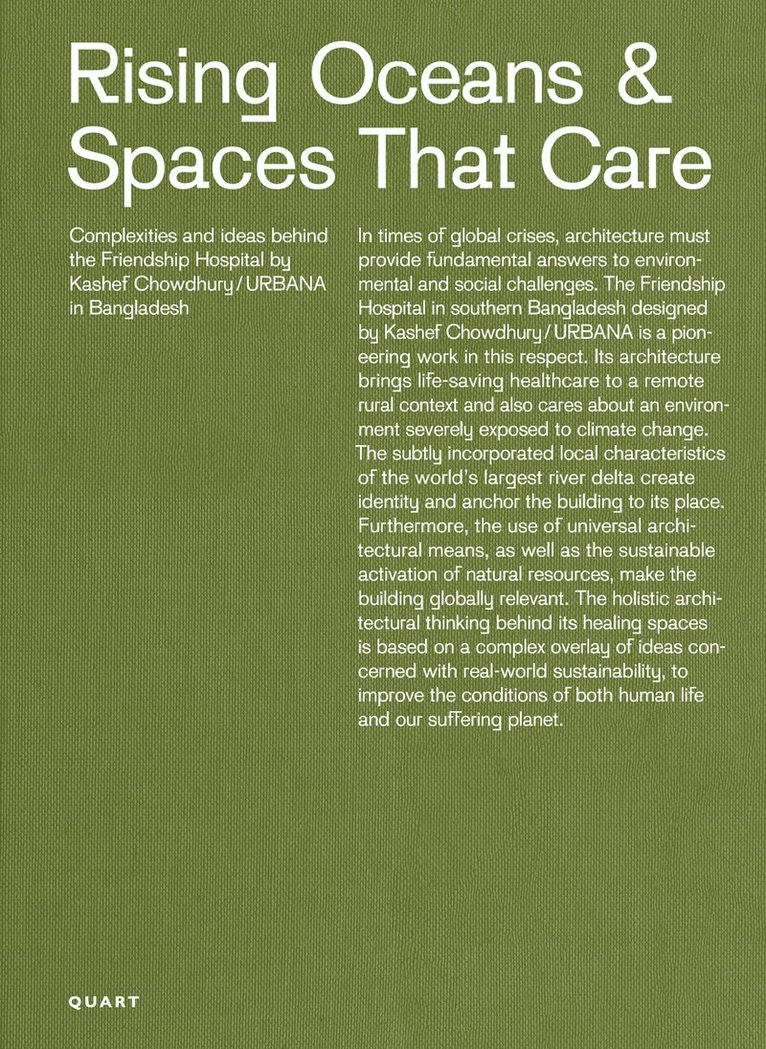
Rising Oceans & Spaces That Care
Complexities and ideas behind the Friendship Hospital by Kashef Chowdhury / URBANA in Bangladesh
Inbunden, Engelska, 2024
512 kr
Skickas inom 5-8 vardagar
In times of global crises, architecture must also seek new sustainable approaches to climatic and social challenges. Designed by Kashef Chowdhury / Urbana, the Friendship Hospital in southern Bangladesh can be regarded as pioneering in this respect. The hospital, which was awarded the 2022 RIBA International Prize, provides life-saving healthcare, as well as enhancing the identity of a coastal region that has been devastated by cyclones and soil salinisation as a result of rising sea levels. Constructed in local brickwork, the architecture collects the valuable rainwater and uses the wind for natural cooling, while subtly interacting with specific characteristics of the world’s largest river delta. It also applies universal architectural means such as space, light and proportions to ensure the well-being of patients and the people close to them. A profound architectural stance developed out of the geography and history of the local context makes this work globally relevant. This book, which includes a photo essay by Hélène Binet, presents plans, diagrams and model photos that offer insight into the design and construction process in one of the world’s most climate-affected regions.
265 kr
Skickas inom 11-20 vardagar
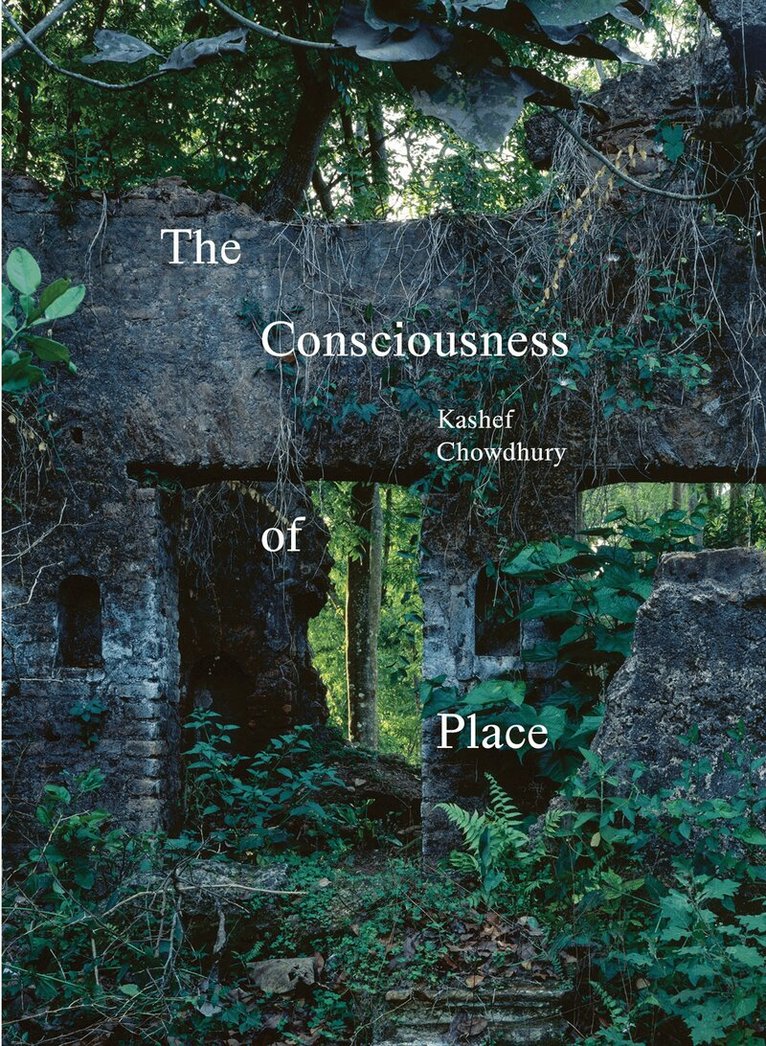
In his office Urbana, Bangladesh, Kashef Chowdhury designs architecture that is rooted in the history and nature of the location. Nature in this sense not only consists of vegetation, plants and forests, but also the spiritual and cultural context of a specific environment and landscape. The range of his works includes the transformation of ships, the development of housing and the construction of mosques, museums and corporate headquarters. All of his projects have the common feature that they are based on comprehensive research work, aimed at applying an awareness of a specific location and its nature to achieve a high degree of innovation and original expression. This combination of traditional building styles and contemporary architecture often has an inspirational effect. The Consciousness Of Place is Chowdhury’s philosophical engagement with his own understanding of architecture, based on his research and lectures. It focuses on the significance of architecture, which is able to connect us to nature and liberate us from hectic urban life. Buildings and workplaces should be transformed into oases of peace and relaxation in order to benefit from nature’s regenerative and relaxing qualities. Chowdhury stresses the need to listen to nature and appreciate its beauty. Accordingly, he prefers natural materials in his projects, while also using the interplay of light and shadow as a key element to create spaces that inspire us to pause and think. This publication is a manifesto of a form of architecture that harmonises with the respective location, reflecting the identity of its culture and people. Chowdhury regards his task not so much as work and more as an activity stemming from his love of an art form that serves the people – which he believes is the nature of architecture.In recent years, Chowdhury’s constructed works have attracted international attention and have been awarded prizes such as the 2022 RIBA International Prize and the 2016 Aga Khan Award for Architecture.
946 kr
Skickas
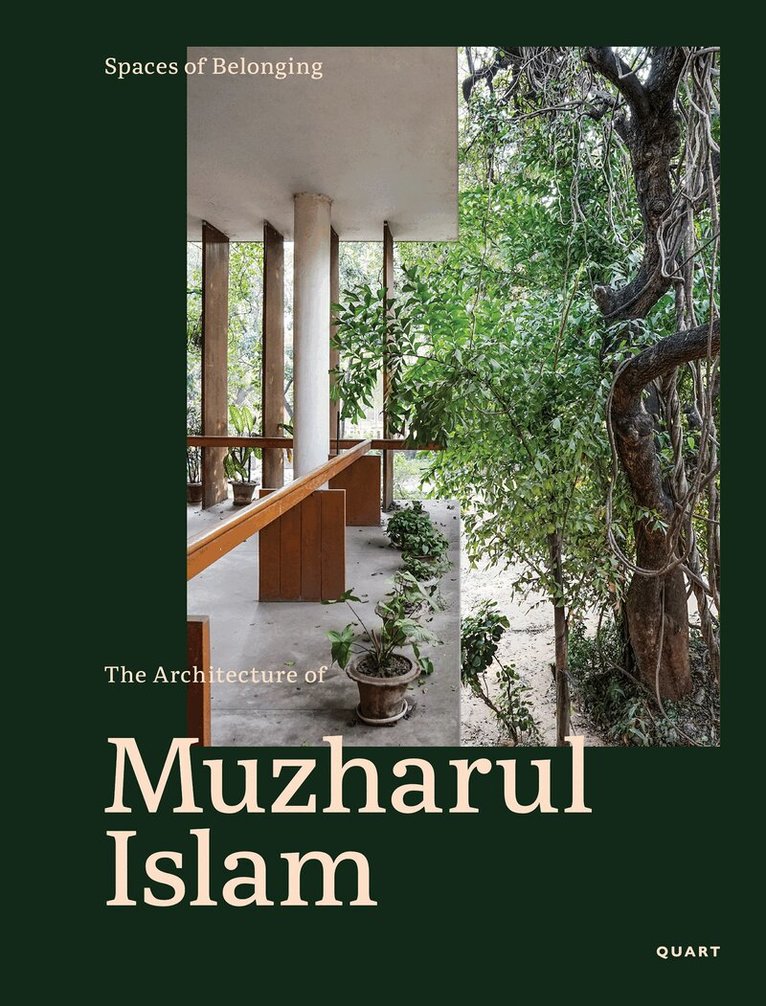
Muzharul Islam (1923–2012) has left behind an outstanding architectural legacy in Bangladesh, with a significance reaching far beyond the temporal and geographical horizons of its creation. Yet until now, his work has remained relatively unknown despite its relevance and singularity. This monograph presents numerous photographs and reproductions of detailed original drawings to introduce a series of unique buildings to an international audience, highlighting the Bengali architect’s way of thinking and actions, as well as his engagement in cross-cultural dialogue. Contributions by practising architects from different continents present multifaceted perspectives on Islam’s work, placing him within a historical context and global interconnections. Muzharul Islam’s pioneering and timeless works address burning issues that are currently shaping the global architectural debate: climate-sensitive and self-sufficient construction, social engagement and overcoming colonial mindsets are all fields that the architect pursued relentlessly since the beginning of his career in the 1950s.
273 kr
Skickas inom 5-8 vardagar
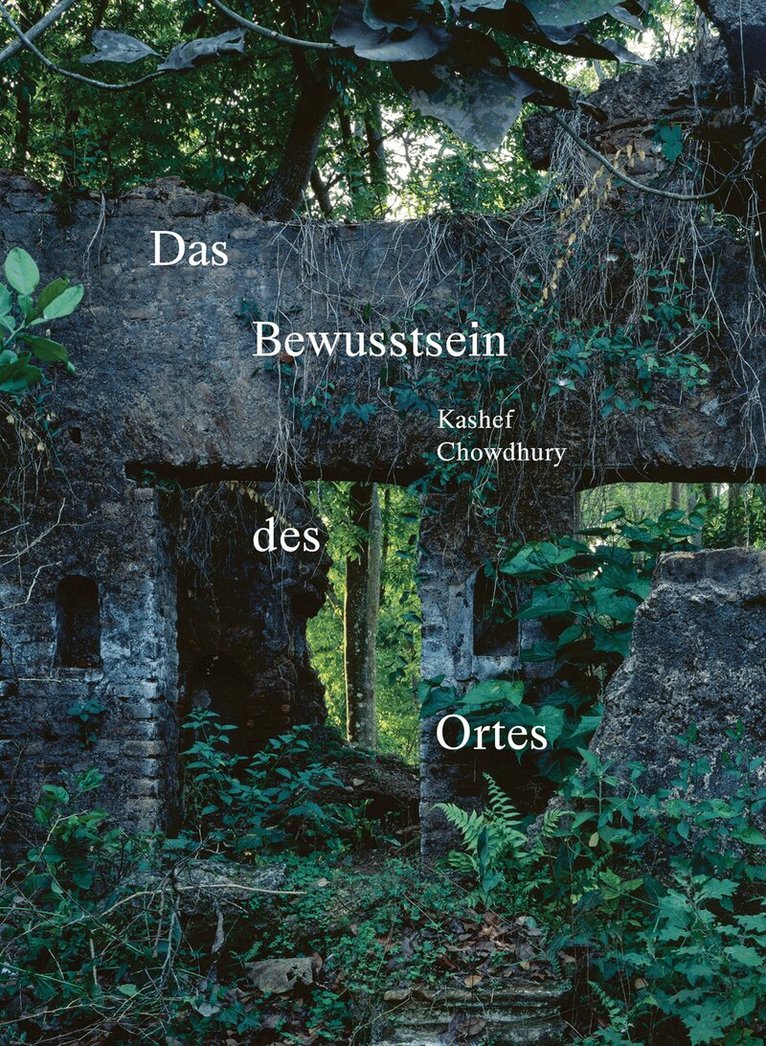
In his office Urbana, Bangladesh, Kashef Chowdhury designs architecture that is rooted in the history and nature of the location. Nature in this sense not only consists of vegetation, plants and forests, but also the spiritual and cultural context of a specific environment and landscape. The range of his works includes the transformation of ships, the development of housing and the construction of mosques, museums and corporate headquarters. All of his projects have the common feature that they are based on comprehensive research work, aimed at applying an awareness of a specific location and its nature to achieve a high degree of innovation and original expression. This combination of traditional building styles and contemporary architecture often has an inspirational effect. Das Bewusstsein des Ortes /The Consciousness Of Place is Chowdhury’s philosophical engagement with his own understanding of architecture, based on his research and lectures. It focuses on the significance of architecture, which is able to connect us to nature and liberate us from hectic urban life. Buildings and workplaces should be transformed into oases of peace and relaxation in order to benefit from nature’s regenerative and relaxing qualities. Chowdhury stresses the need to listen to nature and appreciate its beauty. Accordingly, he prefers natural materials in his projects, while also using the interplay of light and shadow as a key element to create spaces that inspire us to pause and think. This publication is a manifesto of a form of architecture that harmonises with the respective location, reflecting the identity of its culture and people. Chowdhury regards his task not so much as work and more as an activity stemming from his love of an art form that serves the people – which he believes is the nature of architecture.In recent years, Chowdhury’s constructed works have attracted international attention and have been awarded prizes such as the 2022 RIBA International Prize and the 2016 Aga Khan Award for Architecture.Text in German.
587 kr
Skickas inom 5-8 vardagar
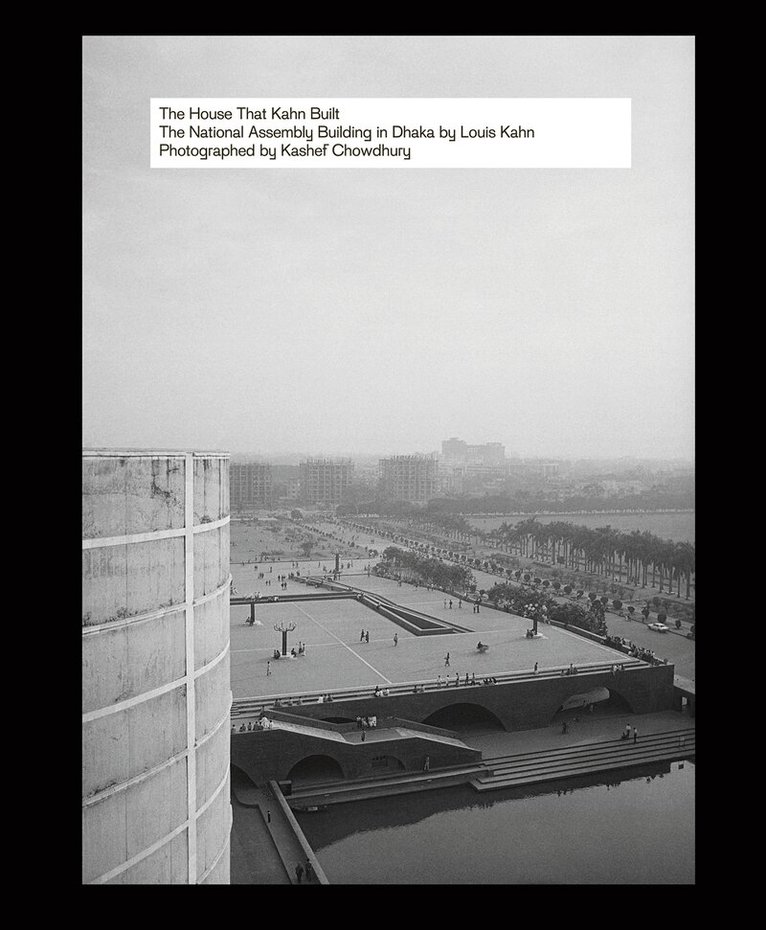
Working from his Urbana practice in Bangladesh, Kashef Chowdhury designs architecture that is rooted in the history and nature of its location – whereby the latter also relates to a spiritual and cultural level. This explains his fascination for Kahn’s parliamentary building in Dhaka, which inspired this volume of photo essays. Kahn’s design is characterised by an innovative architectural language that combines western and eastern traditions, forms and materials. For instance, in view of the great importance of water in Bengali tradition, he placed the building complex by an artificial lake. Furthermore, although it is defined by strict geometrical forms, the parliamentary building reflects the transcendental nature of the National Assembly, defining the hopeful founding years of the independent state of Bangladesh.
426 kr
Skickas inom 7-10 vardagar
Over the past years, Dhaka-based architect Kashef Chowdhury has become renowned for a body of work that responds with great sensitivity to places, local circumstances, and the demands of a building's users. At the 2016 International Architecture Exhibition of the Venice Biennale, Chowdhury presented four recent projects his firm URBANA has realised in Bangladesh in a fascinating exhibition which he has designed with equal sensitivity and care.The labyrinth is an age-old space of intrigue, discovery and accident, which has fascinated architects throughout history. For his installation in Venice, Chowdhury challenged spatial perceptions by a simple turn: the labyrinth - which hides and blocks - is suddenly made transparent. Notwithstanding the obvious reference to Venetian glass, the labyrinth retains, or even accentuates, a sense of spatial disorientation.The installation was conceived not merely as a hyper-maze but rather as an expression of the anxiety that the artist experiences in his work due to a myriad of uncertainties. From design to construction, funding to maintenance, the part of the world where URBANA chiefly works presents itself with challenges at every turn, and it is in this milieu that an architect must operate with firm resolve. Chowdhury's Glass Labyrinth in Venice seems to explicate the notion that, although an architect has a clear vision of what he wants to do, the path to achieving that in the environment in which he operates, is laden with perplexing barriers. This new book explores and documents Kashef Chowdhury's intriguing installation in Venice with beautiful photographs by Eric Chenal and an illuminating text by Robert McCarter.
665 kr
Skickas
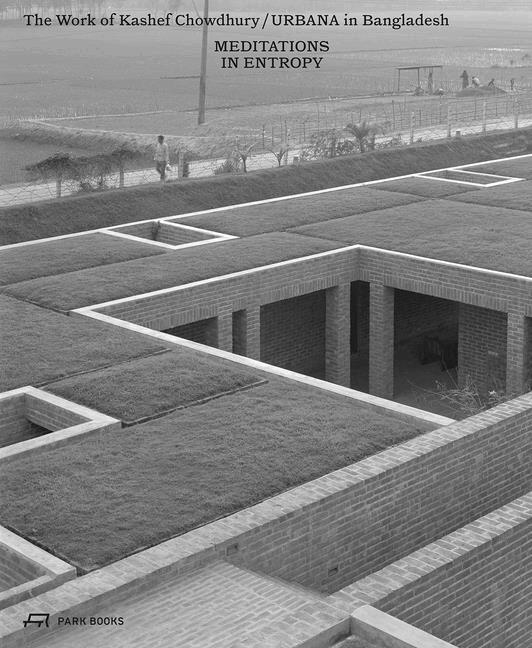
“The changing climate is no longer debatable here, it is this land’s unfeigned, monstrous reality,” says Dhaka-based architect Kashef Chowdhury. His firm URBANA, established in 1995, has produced an astonishingly diverse collection of works of divergent scales, typologies, and contexts and located in one of the meteorologically most complex and challenging regions in the world. A hospital introduced into an economy decimated by rising oceans, a shelter against cyclones in Bangladesh’s southern coastal region, projects for locations in the country’s north near the Himalaya mountains facing devouring waves of floods, and architectural interventions in one of the world’s densest metropolitan areas: URBANA’s designs are incisive critical responses to dissimilar issues and urgencies. They are all rooted in the belief that architecture can no longer be optical or sensational, but be built of philosophy and empathy for our increasingly fragile and shared ecological and human condition.Meditations in Entropy is the first-ever comprehensive monograph on the work of Kashef Chowdhury / URBANA. It features 16 of the firm’s designs in detail through photographs by acclaimed architectural photographer Hélène Binet and numerous plans, drawings, sketches, and further images. Perceptive essays are contributed by eminent critics and historians Kenneth Frampton, Robert McCarter, and William J R Curtis. The book is rounded-off with conversations between Chowdhury, Swiss architect Niklaus Graber, and the distinguished architectural historian Philip Ursprung that further explicate URBANA’s unique approach.
426 kr
Skickas inom 7-10 vardagar
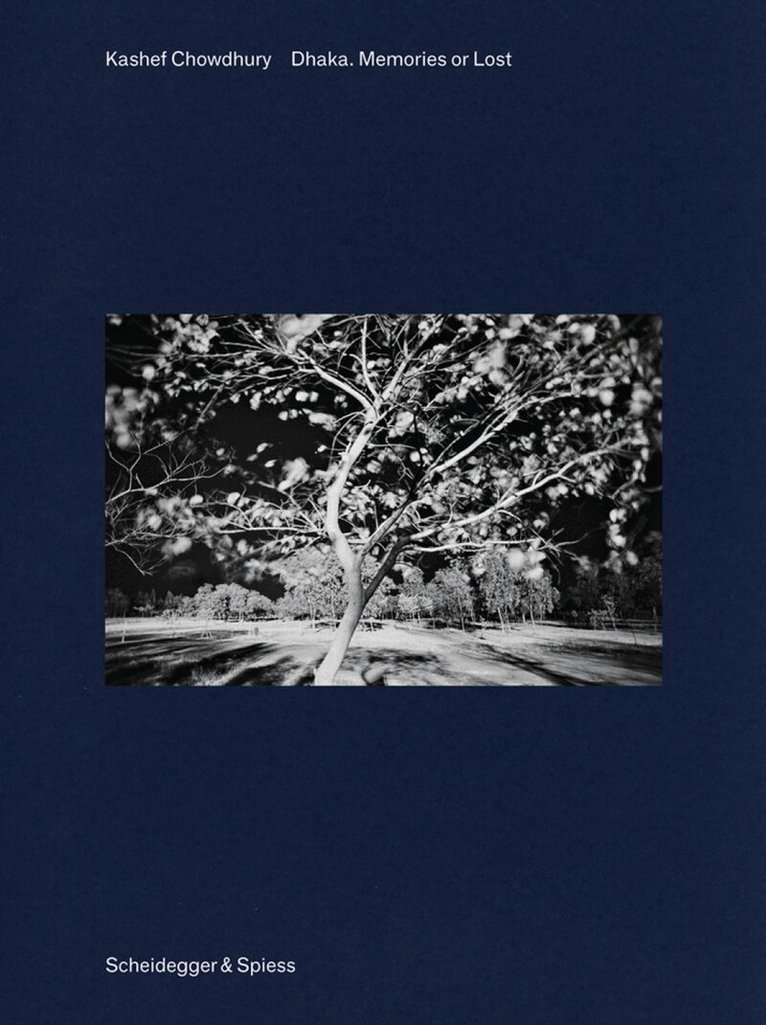
Upon setting foot in Dhaka, with its beautifully landscaped gardens adorning ancient mosques and monuments, it becomes clear that this is a city steeped in history. One of the oldest settlements in Bangladesh, it is today among the largest cities in the world, and rapid, often unplanned, urbanisation has vastly outpaced sustainability, threatening the historic buildings and communities that make up the city's cultural soul. But, despite bursting at the seams, Dhaka's six centuries of history are still visible if we look carefully in the shadows of the tall buildings, in the spaces between the speeding cars.Dhaka-based architect Kashef Chowdhury's camera captures a record of the capital city of the local character that may soon be lost due to urban development. In Chowdhury's photographs, a woman hangs sheets of polythene to dry and resell, a blind man sings mystic love songs. Other photographs reflect Dhaka's state of social and cultural flux, like an image of weary night-shift workers returning from a wholesale market in the late morning or of the barely visible lights of a pick-up truck concealed to prevent theft. Chowdhury is one of South Asia's most renowned architects, and Dhaka: Memories or Lost constitutes his deeply personal tribute to the city.