Katalin Petho-Kiss – författare
Visar alla böcker från författaren Katalin Petho-Kiss. Handla med fri frakt och snabb leverans.
7 produkter
Fortified Far Right?
Scrutinizing the Threat
Av Katalin Petho-Kiss, Rohan Gunaratna
Inbunden, 2024
2512 kr
Lägg i varukorg
Petho-Kiss and Gunaratna understand the nature of the threat posed by the far right because of their findings and they propose effective provisions and mechanisms for detecting and countering it.The book undertakes a consistent procession and empirical examination of available information to arrive …
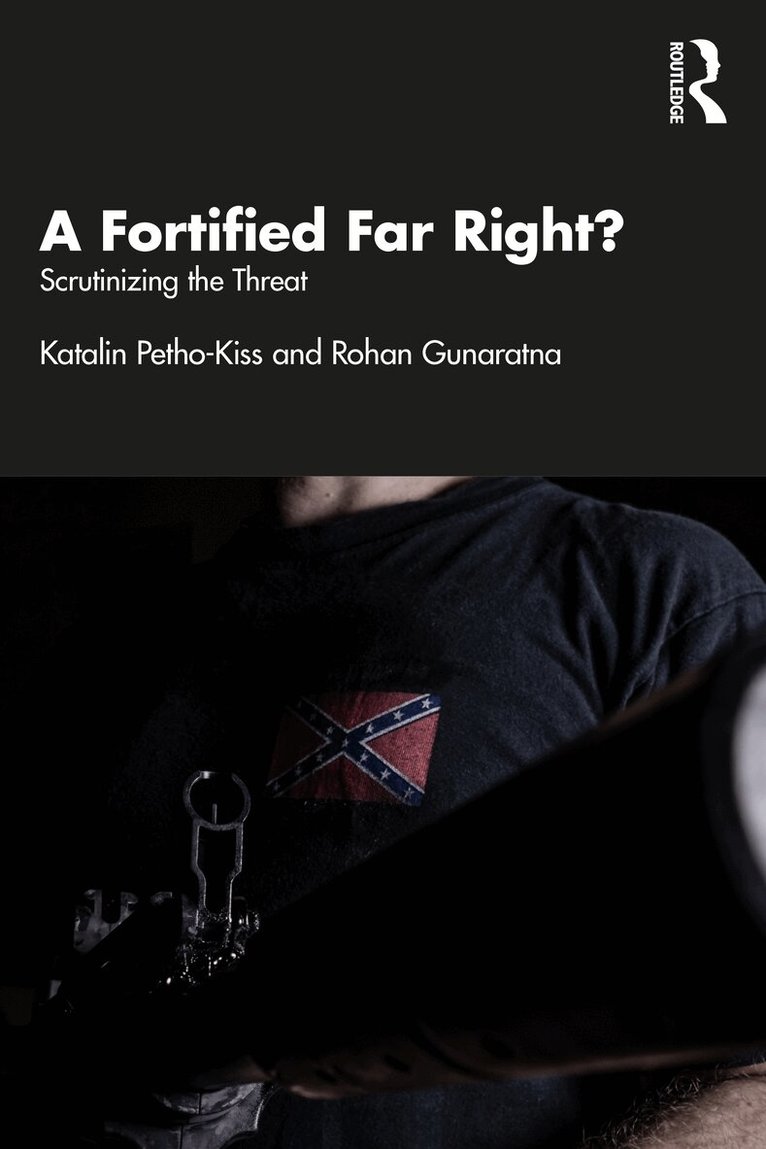
Fortified Far Right?
Scrutinizing the Threat
Av Katalin Petho-Kiss, Rohan Gunaratna
Häftad, 2024
633 kr
Lägg i varukorg
Petho-Kiss and Gunaratna understand the nature of the threat posed by the far right because of their findings and they propose effective provisions and mechanisms for detecting and countering it.The book undertakes a consistent procession and empirical examination of available information to arrive …
Fortified Far Right?
Scrutinizing the Threat
Av Rohan Gunaratna, Katalin Petho-Kiss
E-bok, 2024
685 kr
Lägg i varukorg
Petho-Kiss and Gunaratna understand the nature of the threat posed by the far right because of their findings and they propose effective provisions and mechanisms for detecting and countering it. The book undertakes a consistent procession and empirical examination of available information to …
Fortified Far Right?
Scrutinizing the Threat
Av Rohan Gunaratna, Katalin Petho-Kiss
E-bok, 2024
685 kr
Lägg i varukorg
Petho-Kiss and Gunaratna understand the nature of the threat posed by the far right because of their findings and they propose effective provisions and mechanisms for detecting and countering it. The book undertakes a consistent procession and empirical examination of available information to …
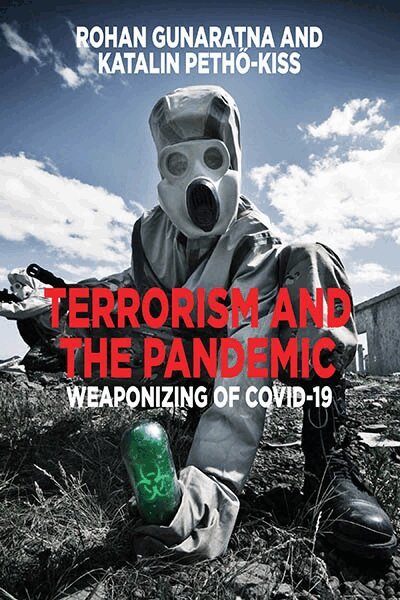
Terrorism and the Pandemic
Weaponizing of COVID-19
Av Rohan Gunaratna, Katalin Petho-Kiss
Inbunden, 2023
1916 kr
Lägg i varukorg
The global pandemic has offered extraordinary opportunities for extremists and terrorists to mobilize themselves and revive as more powerful actors in the security landscape. But could these threat groups actually capitalize on the coronavirus crisis and advance their malevolent agendas? Utilizing …
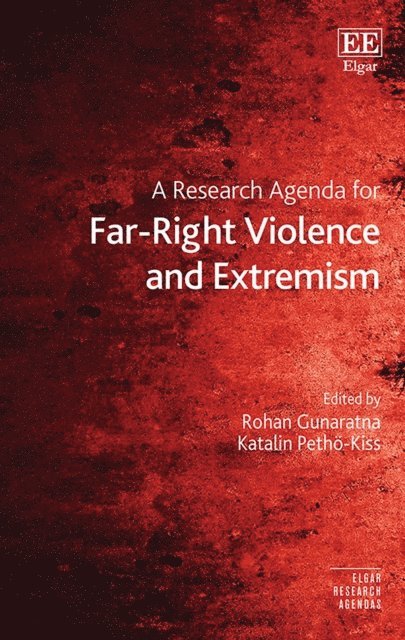
Research Agenda for Far-Right Violence and Extremism
Av Katalin Petho-Kiss, Rohan Gunaratna
E-bok, 2024
449 kr
Lägg i varukorg
Elgar Research Agendas outline the future of research in a given area. Leading scholars are given the space to explore their subject in provocative ways, and map out the potential directions of travel. They are relevant but also visionary. This prescient Research Agenda offers an in-depth …
Terrorism and the Pandemic
Weaponizing of COVID-19
Av Rohan Gunaratna, Katalin Petho-Kiss m. fl.
Häftad, 2025
229 kr
Lägg i varukorg
The global pandemic has offered extraordinary opportunities for extremists and terrorists to mobilize themselves and revive as more powerful actors in the security landscape. But could these threat groups actually capitalize on the coronavirus crisis and advance their malevolent agendas? Utilizing …