Kate Lister – författare
Visar alla böcker från författaren Kate Lister. Handla med fri frakt och snabb leverans.
15 produkter
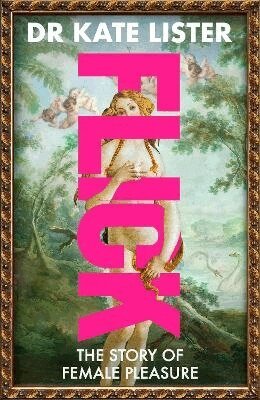
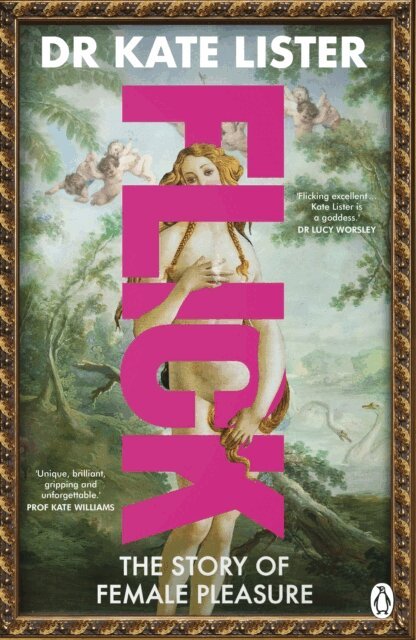
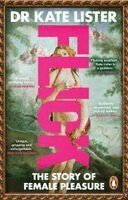
FLICK
The Story of Female Pleasure
Av Kate Lister
Häftad, 2026
197 kr
Lägg i varukorg
FLICK is a rousing history of women enjoying sex: sex with themselves, sex with each other, and occasionally sex with men as well. Meet the women throughout history who, quite literally, came before us. From the host of award-winning History Hit podcast Betwixt the Sheets. 'Flicking excellent . . . …
FLICK
The Story of Female Pleasure
Av Kate Lister
Inbunden, 2026
242 kr
Lägg i varukorg
FLICK is a rousing history of women enjoying sex: sex with themselves, sex with each other, and occasionally sex with men as well.Meet the women throughout history who, quite literally, came before us.From the host of award-winning History Hit podcast Betwixt the Sheets.'Flicking excellent . . . …
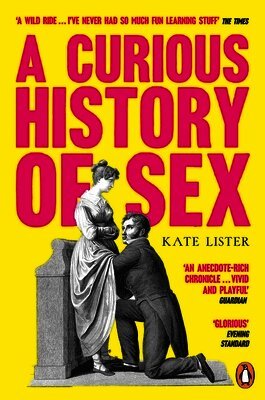
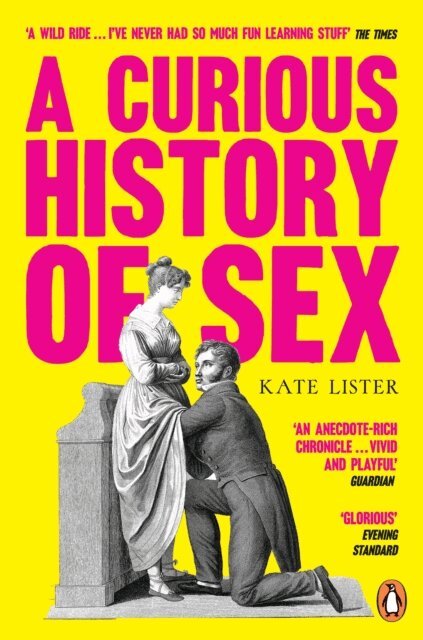
Curious History of Sex
Av Kate Lister
Häftad, 2026
160 kr
Lägg i varukorg
'Buckle your trousers, fasten your seatbelts, here comes Kate Lister. Her curious history of sex is a wild ride, made all the more enjoyable by a wonderfully irreverent approach . . . I’ve never had so much fun learning stuff' The Times'Had Victoria Wood decided to write a scholarly book about sex, …
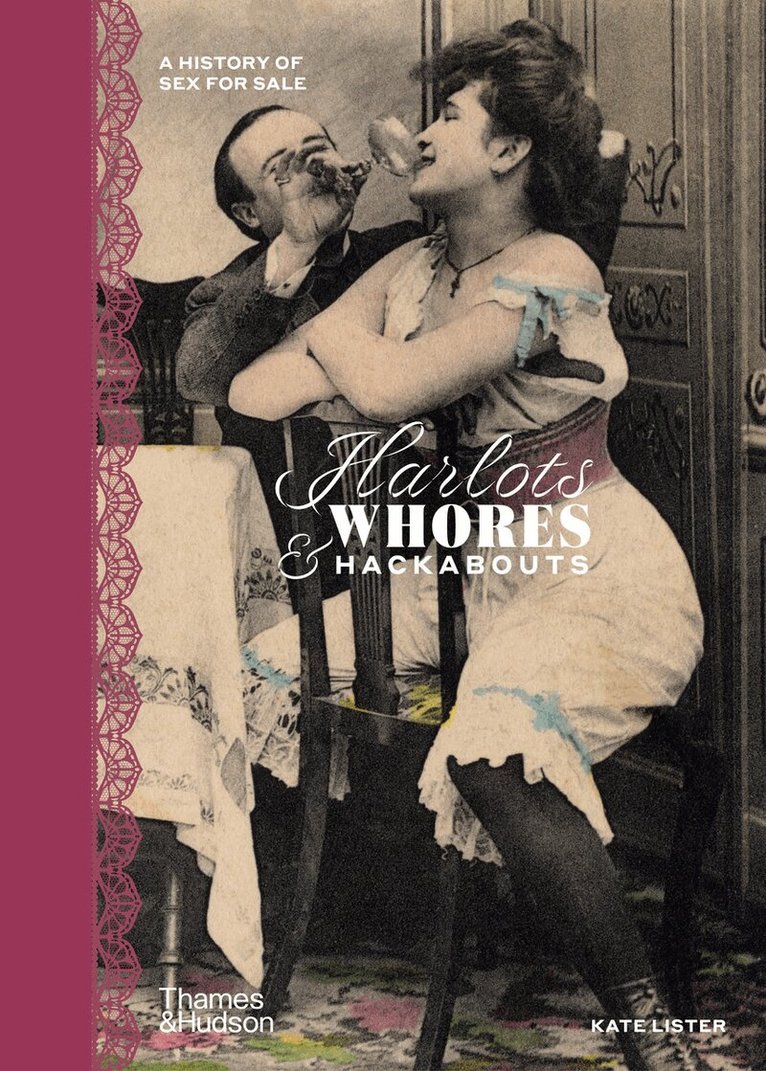
Harlots, Whores & Hackabouts
A History of Sex for Sale
Av Kate Lister, Wellcome Collection
Inbunden, 2021
256 kr
Lägg i varukorg
The history of selling sex is a hidden one, its practitioners a ‘damnable crew’ pushed to the margins of history. Harlots, Whores & Hackabouts redresses the balance, revealing the history of sex for sale, from medieval back street to Wild West saloon, and from the brothel to state bedroom. This …
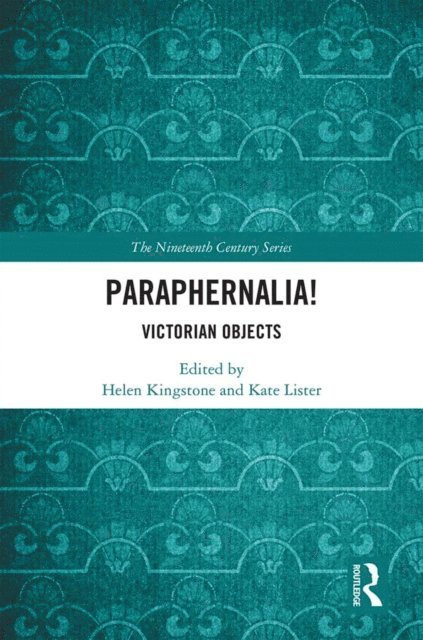
Paraphernalia! Victorian Objects
Av Helen Kingstone, Kate Lister
Häftad, 2020
843 kr
Lägg i varukorg
The Victorian era is famous for the collecting, hording, and displaying of things; for the mass production and consumption of things; for the invention, distribution and sale of things; for those who had things, and those who did not. For many people, the Victorian period is intrinsically …
Paraphernalia! Victorian Objects
Av Helen Kingstone, Kate Lister
Inbunden, 2018
2879 kr
Lägg i varukorg
The Victorian era is famous for the collecting, hording, and displaying of things; for the mass production and consumption of things; for the invention, distribution and sale of things; for those who had things, and those who did not. For many people, the Victorian period is intrinsically …
Paraphernalia! Victorian Objects
Av Kate Lister, Helen Kingstone
E-bok, 2018
967 kr
Lägg i varukorg
The Victorian era is famous for the collecting, hording, and displaying of things; for the mass production and consumption of things; for the invention, distribution and sale of things; for those who had things, and those who did not. For many people, the Victorian period is intrinsically …
Paraphernalia! Victorian Objects
Av Kate Lister, Helen Kingstone
E-bok, 2018
996 kr
Lägg i varukorg
The Victorian era is famous for the collecting, hording, and displaying of things; for the mass production and consumption of things; for the invention, distribution and sale of things; for those who had things, and those who did not. For many people, the Victorian period is intrinsically …
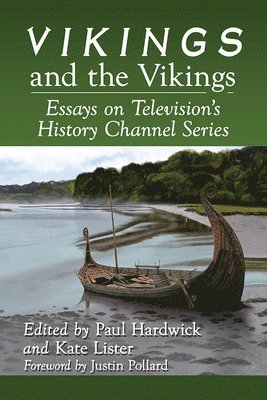
Vikings and the Vikings
Essays on Television's History Channel Series
Häftad, 2019
261 kr
Lägg i varukorg
This essay collection is a wide-ranging exploration of Vikings, the television series that has successfully summoned the historical world of the Norse people for modern audiences to enjoy. From a range of critical viewpoints, these all fresh essays explore the ways in which past and present …
FLICK
The Story of Female Pleasure
Av Kate Lister
E-bok, 2026
167 kr
Lägg i varukorg
FLICK is a rousing history of women enjoying sex: sex with themselves, sex with each other, and occasionally sex with men as well.Meet the women throughout history who, quite literally, came before us.From the host of award-winning History Hit podcast Betwixt the Sheets.'Flicking excellent . . . …
Curious History of Sex
Av Kate Lister
E-bok, 2026
125 kr
Lägg i varukorg
'Buckle your trousers, fasten your seatbelts, here comes Kate Lister. Her curious history of sex is a wild ride, made all the more enjoyable by a wonderfully irreverent approach . . . I’ve never had so much fun learning stuff' The Times'Had Victoria Wood decided to write a scholarly book about sex, …
FLICK
The Story of Female Pleasure
Av Kate Lister
Häftad, 2027
160 kr
Kommande
FLICK is a rousing history of women enjoying sex: sex with themselves, sex with each other, and occasionally sex with men as well.Meet the women throughout history who, quite literally, came before us.From the host of award-winning History Hit podcast Betwixt the Sheets.'Flicking excellent . . . …
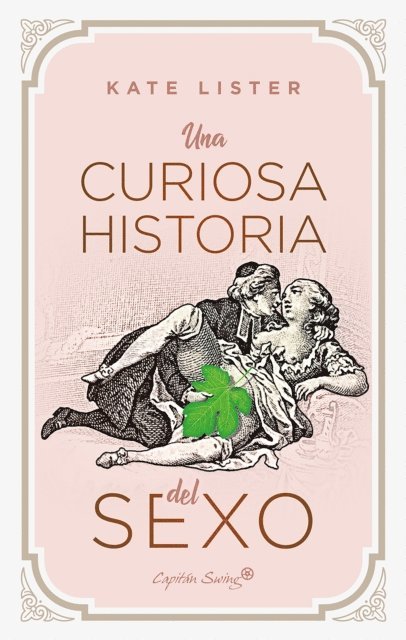
Una curiosa historia del sexo
Av Kate Lister
E-bok, 2022
124 kr
Lägg i varukorg
Basado en el popular proyecto de investigación Whores of Yore (Putas de Antaño) y escrito con su característico humor e ingenio, este libro se basa en los amplios conocimientos de la doctora Kate Lister sobre la historia del sexo.Desde las pruebas de impotencia medievales hasta los robos de …