Kate Seear - Böcker
Visar alla böcker från författaren Kate Seear. Handla med fri frakt och snabb leverans.
11 produkter
11 produkter
682 kr
Skickas inom 10-15 vardagar
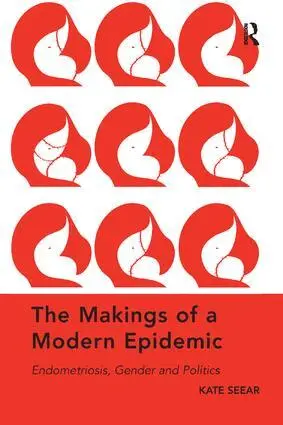
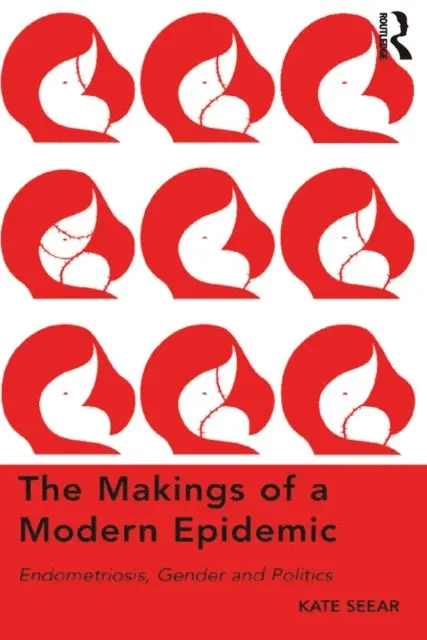
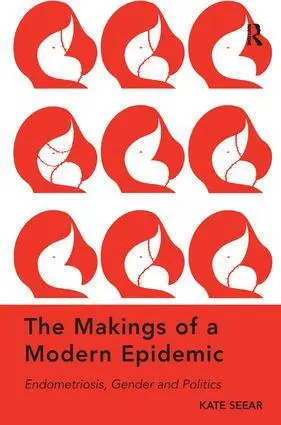
Since its ’discovery’ some 150 years ago, thinking about endometriosis has changed. With current estimates identifying it as more common than breast and ovarian cancer, this chronic, incurable gynaecological condition has emerged as a ’modern epidemic’, distinctive in being perhaps the only global epidemic peculiar to women. This timely book addresses the scholarly neglect of endometriosis by the social sciences, offering a critical assessment of one of the world’s most common - and burdensome - health problems for women. Drawing on a range of theoretical perspectives, including science and technology studies, feminist theory and queer theory, The Makings of a Modern Epidemic explores the symbolic, discursive and material dimensions of the condition. It demonstrates how shifts in thinking about gender, the body, race, modernity and philosophies of health have shaped the epidemic, and produces a compelling account of endometriosis as a highly politicised and grossly neglected disease. Drawing upon rich empirical data, including in-depth interviews with women who have endometriosis and medical and self-help literature, this ground-breaking volume will appeal to scholars and students across the social sciences with interests in gender studies, science and technology studies and the sociology and anthropology of medicine, health and the body.
597 kr
Skickas inom 10-15 vardagar
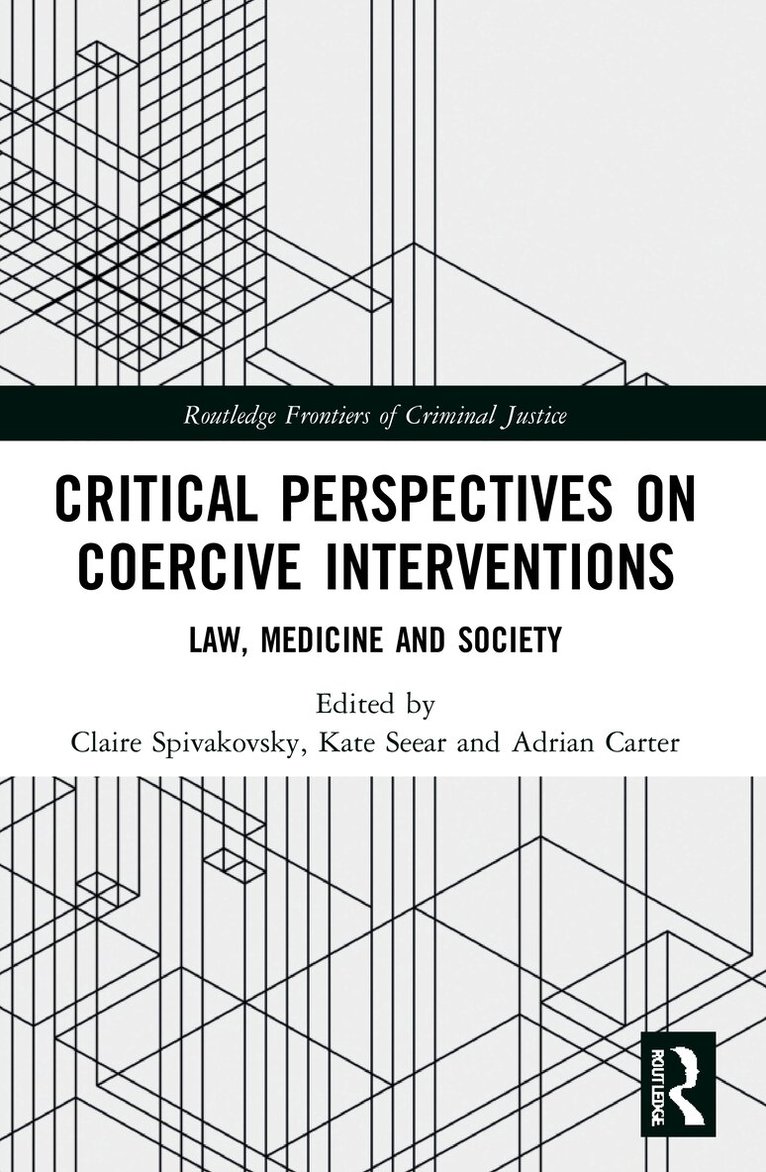
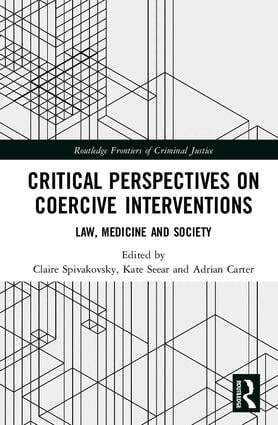
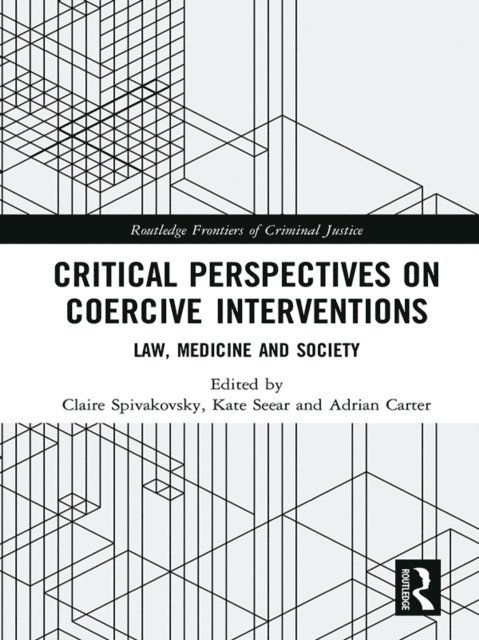
Coercive medico-legal interventions are often employed to prevent people deemed to be unable to make competent decisions about their health, such as minors, people with mental illness, disability or problematic alcohol or other drug use, from harming themselves or others. These interventions can entail major curtailments of individuals’ liberty and bodily integrity, and may cause significant harm and distress. The use of coercive medico-legal interventions can also serve competing social interests that raise profound ethical, legal and clinical questions.Examining the ethical, social and legal issues involved in coerced care, this book brings together the views and insights of leading researchers from a range of disciplines, including criminology, law, ethics, psychology and public health, as well as legal and medical practitioners, social-service ‘consumers’ and government officials. Topics addressed in this volume include: compulsory treatment and involuntary detention orders in civil mental health and disability law; mandatory alcohol and drug treatment programs and drug courts; community treatment orders; the use of welfare cards with Indigenous populations; mandated treatment of seriously ill minors; as well as adult guardianship and substituted decision-making regimes. These contributions attempt to shed light on why we use coercive interventions, whether we should, whether they are effective in achieving the benefits that are offered to justify their use, and the impact that they have on some of society’s most vulnerable citizens in the names of ‘justice’ and ‘treatment’. This book is essential reading for clinicians, researchers and legal practitioners involved in the study and application of coerced care, as well as students and scholars in the fields of law, medicine, ethics and criminology. The collection asks important questions about the increasing use of coercive care that demand to be answered, and offers critical insights, guidance and recommendations for those working in the field.
471 kr
Skickas inom 10-15 vardagar
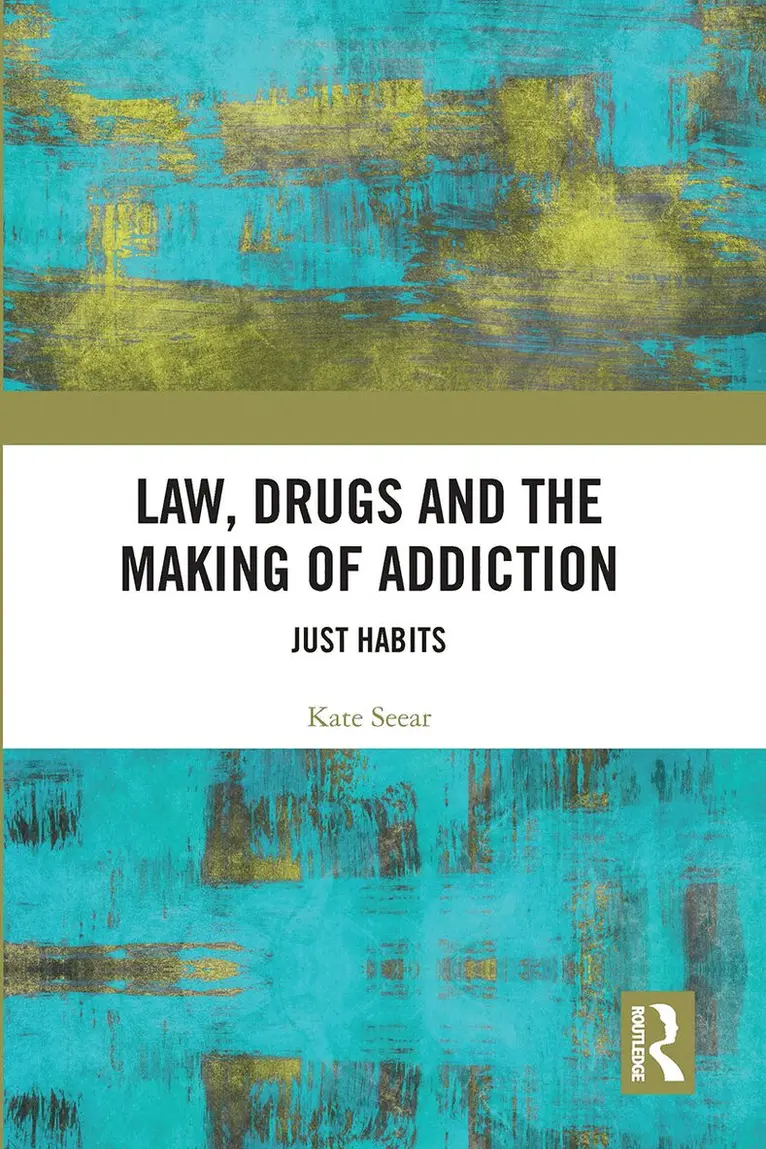
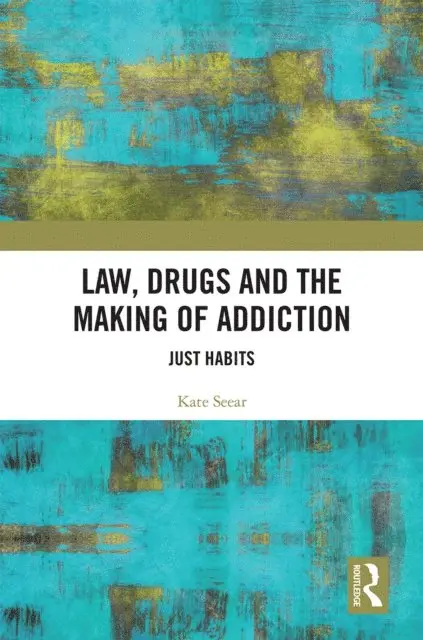
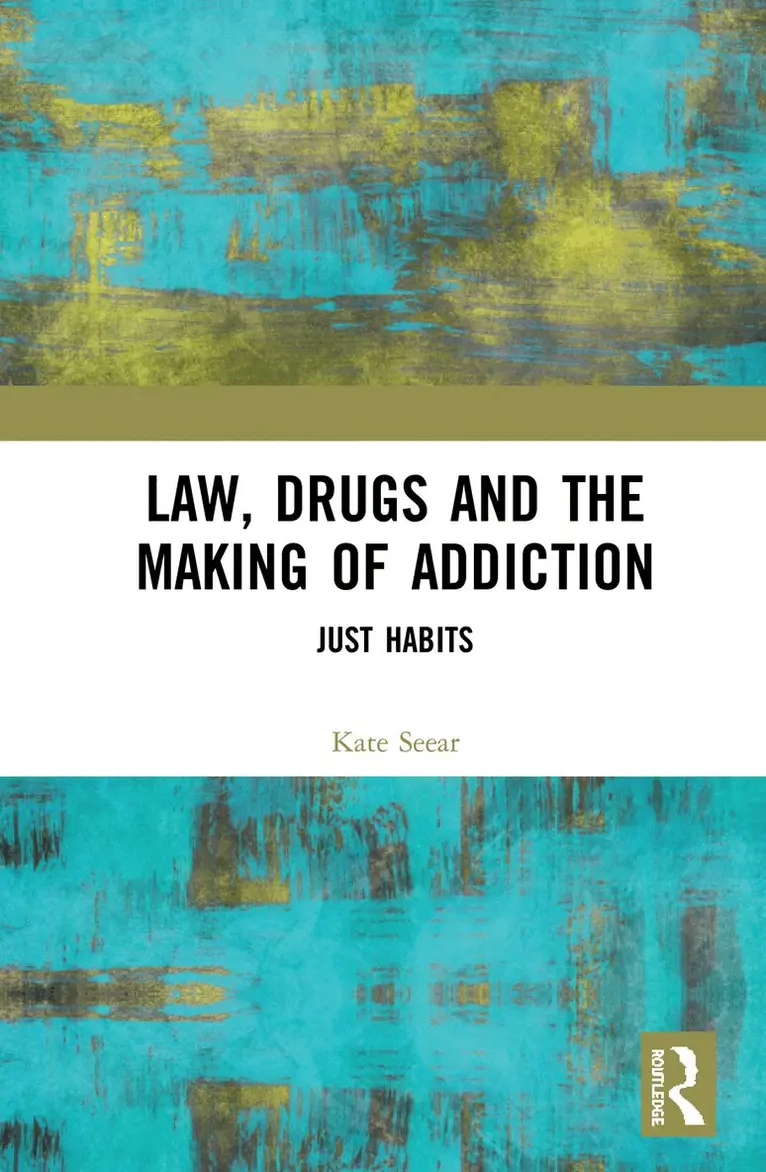
This book considers how largely accepted ‘legal truths’ about drugs and addiction are made and sustained through practices of lawyering.Lawyers play a vital and largely underappreciated role in constituting legal certainties about substances and ‘addiction’, including links between alcohol and other drugs, and phenomena such as family violence. Such practices exacerbate, sustain and stabilise ‘addicted’ realities, with a range of implications – many of them seemingly unjust – for people who use alcohol and other drugs. This book explores these issues, drawing upon data collected for a major international study on alcohol and other drugs in the law, including interviews with lawyers, magistrates and judges; analyses of case law; and legislation. Focussing on an array of legal practices, including processes of law-making, human rights deliberations, advocacy and negotiation strategies, and the sentencing of offenders, and buttressed by overarching analyses of the ethics and politics of such practices, the book looks at how alcohol and other drug ‘addiction’ emerges and is concretised through the everyday work lawyers and decision makers do. Foregrounding ‘practices’, the book also shows that law is more fragile than we might assume. It concludes by presenting a blueprint for how lawyers can rethink their advocacy practices in light of this fragility and the opportunities it presents for remaking law and the subjects and objects shaped by it.This ground-breaking book will be of interest not only to those studying and working within the field of alcohol and drug addiction but also to lawyers and judges practising in this area and to scholars in a range of disciplines, including law, science and technology studies, sociology, gender studies and cultural studies
1 278 kr
Kommande
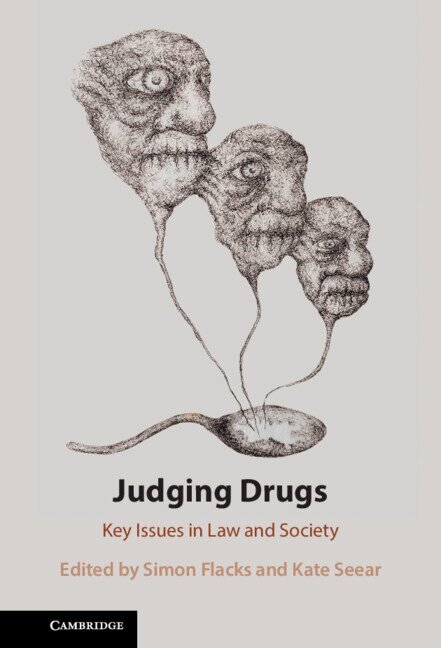
Every day, judges determine vital questions about 'addiction', 'drugs', and the rights of those who use them. Despite the law's crucial role in handling drug 'problems', and in shaping drug practices, effects and outcomes, drug scholars have often overlooked case law. In a rapidly changing drug policy landscape, how is the law managing drug effects and harms, stigma, addiction, agency and responsibility? Why do we regulate drugs? Are drug offenders responsible for their actions? Is drug use a disability? Is drug treatment a human right? Do drugs cause harm? And might drug law itself be harmful? Authors in this volume take a variety of approaches to these questions and more. Drawing on critical theory, all consider new ways of thinking about 'drug problems'. This vital new collection enables a deeper, critical understanding of how the law 'works' to shape knowledge about, as well as 'judge', drug use and its effects.
1 935 kr
Skickas inom 10-15 vardagar
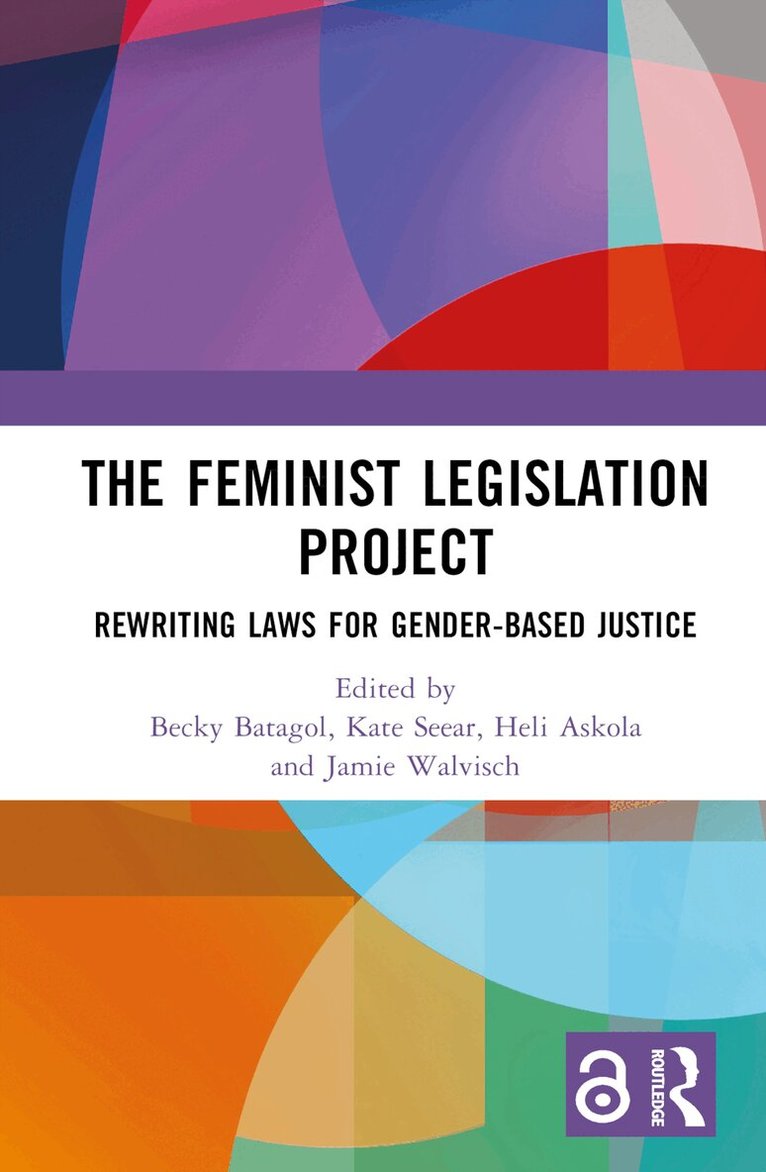
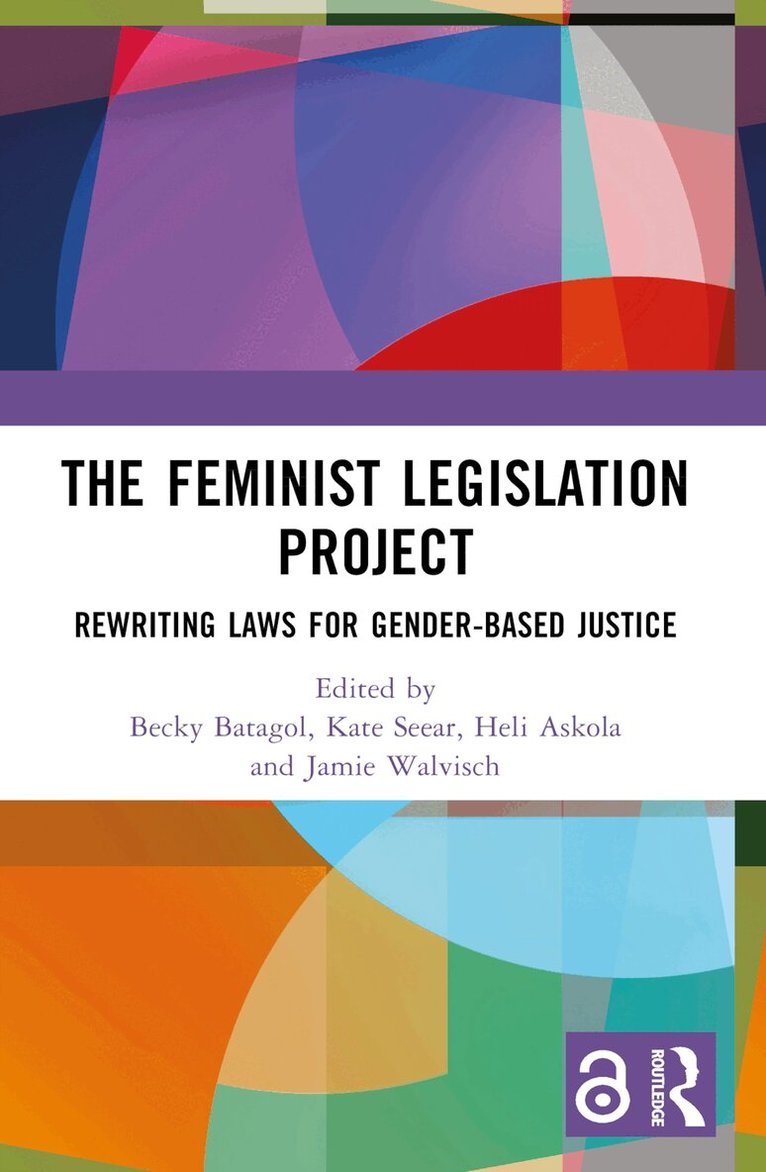
In this book, leading law academics along with lawyers, activists and others demonstrate what legislation could look like if its concern was to create justice for women.Each chapter contains a short piece of legislation – proposed in order to address a contemporary legal problem from a feminist perspective. These range across criminal law (sexual offences, Indigenous women’s experiences of criminal law, laws in relation to forced marriage, modern slavery, childcare and sentencing), civil law (aged care and housing rights, regulating the gig economy; surrogacy, gender equity in the construction industry) and constitutional law (human rights legislation, reimagining parliaments where laws are made for the benefit of women). The proposed laws are, moreover, drafted with feedback from a senior parliamentary draftsperson (providing guidance to contributors in a personal capacity), to ensure conformity with legislative rigour, as well as accompanied by an explanation of their reasons and their aims. Although the legislation is Australian-based, the issues raised by each are recognisably global, and are reflected in the legislation of most other nations.This first feminist legislation project will appeal to scholars of feminist legal studies, gender and the law, gender studies and others studying or working in relevant legal areas.
584 kr
Skickas inom 10-15 vardagar
In this book, leading law academics along with lawyers, activists and others demonstrate what legislation could look like if its concern was to create justice for women.Each chapter contains a short piece of legislation – proposed in order to address a contemporary legal problem from a feminist perspective. These range across criminal law (sexual offences, Indigenous women’s experiences of criminal law, laws in relation to forced marriage, modern slavery, childcare and sentencing), civil law (aged care and housing rights, regulating the gig economy; surrogacy, gender equity in the construction industry) and constitutional law (human rights legislation, reimagining parliaments where laws are made for the benefit of women). The proposed laws are, moreover, drafted with feedback from a senior parliamentary draftsperson (providing guidance to contributors in a personal capacity), to ensure conformity with legislative rigour, as well as accompanied by an explanation of their reasons and their aims. Although the legislation is Australian-based, the issues raised by each are recognisably global, and are reflected in the legislation of most other nations.This first feminist legislation project will appeal to scholars of feminist legal studies, gender and the law, gender studies and others studying or working in relevant legal areas.
1 935 kr
Skickas inom 10-15 vardagar
Coercive medico-legal interventions are often employed to prevent people deemed to be unable to make competent decisions about their health, such as minors, people with mental illness, disability or problematic alcohol or other drug use, from harming themselves or others. These interventions can entail major curtailments of individuals’ liberty and bodily integrity, and may cause significant harm and distress. The use of coercive medico-legal interventions can also serve competing social interests that raise profound ethical, legal and clinical questions.Examining the ethical, social and legal issues involved in coerced care, this book brings together the views and insights of leading researchers from a range of disciplines, including criminology, law, ethics, psychology and public health, as well as legal and medical practitioners, social-service ‘consumers’ and government officials. Topics addressed in this volume include: compulsory treatment and involuntary detention orders in civil mental health and disability law; mandatory alcohol and drug treatment programs and drug courts; community treatment orders; the use of welfare cards with Indigenous populations; mandated treatment of seriously ill minors; as well as adult guardianship and substituted decision-making regimes. These contributions attempt to shed light on why we use coercive interventions, whether we should, whether they are effective in achieving the benefits that are offered to justify their use, and the impact that they have on some of society’s most vulnerable citizens in the names of ‘justice’ and ‘treatment’. This book is essential reading for clinicians, researchers and legal practitioners involved in the study and application of coerced care, as well as students and scholars in the fields of law, medicine, ethics and criminology. The collection asks important questions about the increasing use of coercive care that demand to be answered, and offers critical insights, guidance and recommendations for those working in the field.
752 kr
Skickas inom 10-15 vardagar
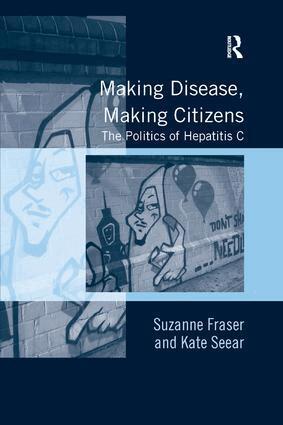
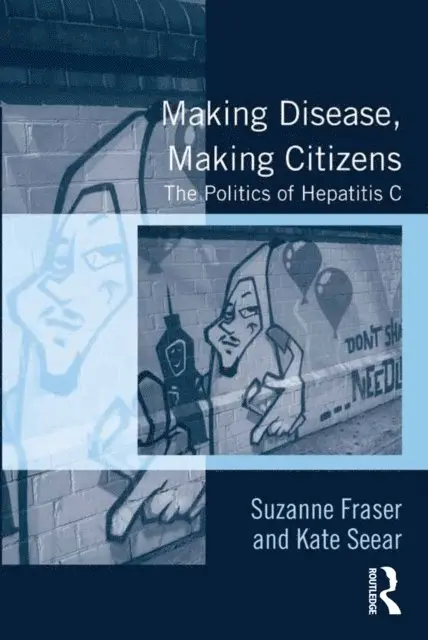
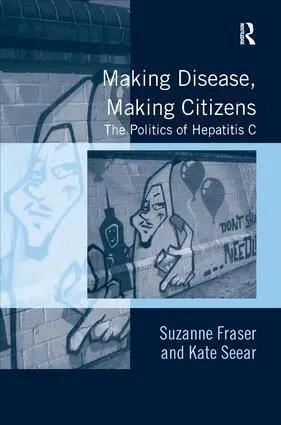
Since the naming of hepatitis C in 1989, knowledge about the disease has grown exponentially. So too, however, has the stigma with which it is linked. Associated with injecting drug use and tainted blood scandals, hepatitis C inspires fear and blame. Making Disease, Making Citizens takes a timely look at the disease, those directly affected by it and its social and cultural implications. Drawing on personal interviews and a range of textual sources, the book presents a scholarly and engaging analysis of a newly identified and highly controversial disease and its relationship to philosophies of health, risk and harm in the West. It maps the social and medical negotiations taking place around the disease, shedding light on the ways these negotiations are also co-producing new selves. Adopting a feminist science and technology studies approach, this theoretically sophisticated, empirically informed analysis of the social construction of disease and the philosophy of health will appeal to those with interests in the sociology of health and medicine, health communication and harm reduction, and science and technology studies.
1 624 kr
Skickas inom 10-15 vardagar
This book considers how largely accepted ‘legal truths’ about drugs and addiction are made and sustained through practices of lawyering.Lawyers play a vital and largely underappreciated role in constituting legal certainties about substances and ‘addiction’, including links between alcohol and other drugs, and phenomena such as family violence. Such practices exacerbate, sustain and stabilise ‘addicted’ realities, with a range of implications – many of them seemingly unjust – for people who use alcohol and other drugs. This book explores these issues, drawing upon data collected for a major international study on alcohol and other drugs in the law, including interviews with lawyers, magistrates and judges; analyses of case law; and legislation. Focussing on an array of legal practices, including processes of law-making, human rights deliberations, advocacy and negotiation strategies, and the sentencing of offenders, and buttressed by overarching analyses of the ethics and politics of such practices, the book looks at how alcohol and other drug ‘addiction’ emerges and is concretised through the everyday work lawyers and decision makers do. Foregrounding ‘practices’, the book also shows that law is more fragile than we might assume. It concludes by presenting a blueprint for how lawyers can rethink their advocacy practices in light of this fragility and the opportunities it presents for remaking law and the subjects and objects shaped by it.This ground-breaking book will be of interest not only to those studying and working within the field of alcohol and drug addiction but also to lawyers and judges practising in this area and to scholars in a range of disciplines, including law, science and technology studies, sociology, gender studies and cultural studies
2 235 kr
Skickas inom 10-15 vardagar
Since the naming of hepatitis C in 1989, knowledge about the disease has grown exponentially. So too, however, has the stigma with which it is linked. Associated with injecting drug use and tainted blood scandals, hepatitis C inspires fear and blame. Making Disease, Making Citizens takes a timely look at the disease, those directly affected by it and its social and cultural implications. Drawing on personal interviews and a range of textual sources, the book presents a scholarly and engaging analysis of a newly identified and highly controversial disease and its relationship to philosophies of health, risk and harm in the West. It maps the social and medical negotiations taking place around the disease, shedding light on the ways these negotiations are also co-producing new selves. Adopting a feminist science and technology studies approach, this theoretically sophisticated, empirically informed analysis of the social construction of disease and the philosophy of health will appeal to those with interests in the sociology of health and medicine, health communication and harm reduction, and science and technology studies.
2 235 kr
Skickas inom 10-15 vardagar
Since its ’discovery’ some 150 years ago, thinking about endometriosis has changed. With current estimates identifying it as more common than breast and ovarian cancer, this chronic, incurable gynaecological condition has emerged as a ’modern epidemic’, distinctive in being perhaps the only global epidemic peculiar to women. This timely book addresses the scholarly neglect of endometriosis by the social sciences, offering a critical assessment of one of the world’s most common - and burdensome - health problems for women. Drawing on a range of theoretical perspectives, including science and technology studies, feminist theory and queer theory, The Makings of a Modern Epidemic explores the symbolic, discursive and material dimensions of the condition. It demonstrates how shifts in thinking about gender, the body, race, modernity and philosophies of health have shaped the epidemic, and produces a compelling account of endometriosis as a highly politicised and grossly neglected disease. Drawing upon rich empirical data, including in-depth interviews with women who have endometriosis and medical and self-help literature, this ground-breaking volume will appeal to scholars and students across the social sciences with interests in gender studies, science and technology studies and the sociology and anthropology of medicine, health and the body.