Katherin A. Rogers – författare
1 082 kr
Läs direkt efter köp
1 082 kr
Läs direkt efter köp
1 350 kr
Skickas inom 5-8 vardagar
755 kr
Skickas inom 3-6 vardagar
633 kr
Läs direkt efter köp
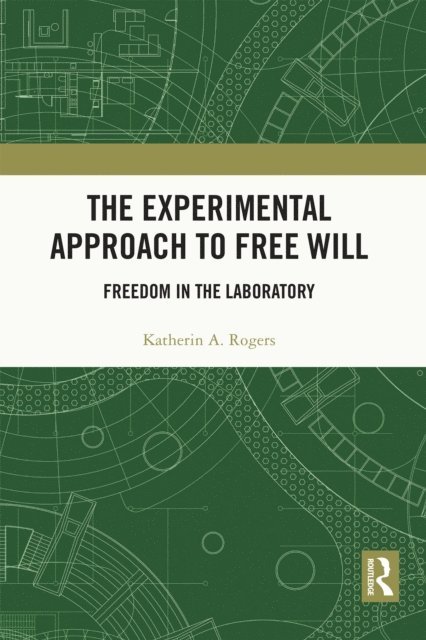
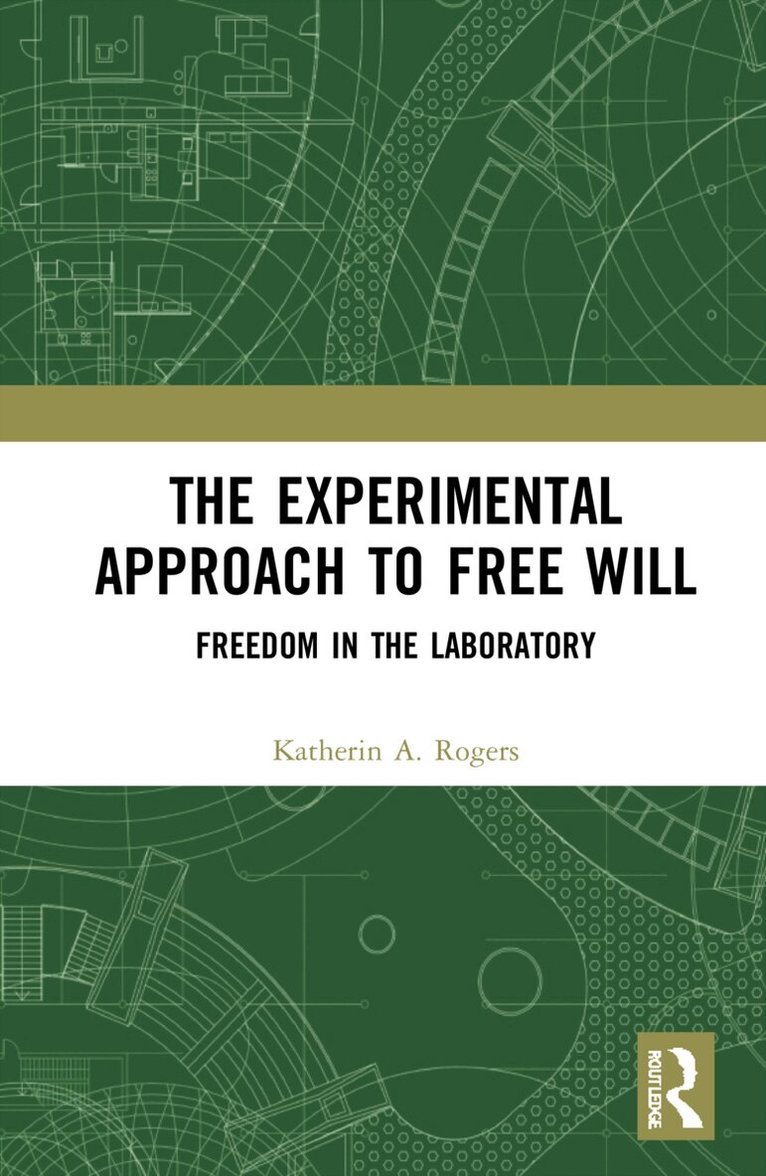
Recently, psychologists and neurobiologists have conducted experiments taken to show that human beings do not have free will. Many, including a number of philosophers, assume that, even if science has not decided the free will question yet, it is just a matter of time. In The Experimental Approach to Free Will, Katherin A. Rogers accomplishes several tasks. First, canvasing the literature critical of these recent experiments (or of conclusions drawn from them) and adding new criticisms of her own, she shows why these experiments should not undermine belief in human freedom – even robust, libertarian freedom. Indeed, many of the experiments do not even connect with any philosophical understanding of free will. Through this discussion, she generates a long list of problems – ethical as well as practical – facing the attempt to study free will experimentally. With these problems highlighted, she shows that even in the distant future, supposing the brain sciences to have advanced far beyond where they are today, it will likely be impossible to settle the question of free will experimentally. She concludes that, since philosophy has not, and science cannot, settle the question of free will, it is more reasonable to suppose that humans do indeed have freedom.
Brings together, and adds to, criticisms of recent experiments (or conclusions drawn from them) which supposedly show that human beings do not have free will Analyzes recent experiments supposedly related to human freedom through the lens of a philosophically informed portrait of a robust, libertarian free choice Develops a long list of problems – both practical and ethical – facing the experimental study of human freedom Proposes a thought experiment set in a distant future of advanced brain science to show that it is likely impossible for science ever to settle the question of free will.633 kr
Läs direkt efter köp
Recently, psychologists and neurobiologists have conducted experiments taken to show that human beings do not have free will. Many, including a number of philosophers, assume that, even if science has not decided the free will question yet, it is just a matter of time. In The Experimental Approach to Free Will, Katherin A. Rogers accomplishes several tasks. First, canvasing the literature critical of these recent experiments (or of conclusions drawn from them) and adding new criticisms of her own, she shows why these experiments should not undermine belief in human freedom – even robust, libertarian freedom. Indeed, many of the experiments do not even connect with any philosophical understanding of free will. Through this discussion, she generates a long list of problems – ethical as well as practical – facing the attempt to study free will experimentally. With these problems highlighted, she shows that even in the distant future, supposing the brain sciences to have advanced far beyond where they are today, it will likely be impossible to settle the question of free will experimentally. She concludes that, since philosophy has not, and science cannot, settle the question of free will, it is more reasonable to suppose that humans do indeed have freedom.
Brings together, and adds to, criticisms of recent experiments (or conclusions drawn from them) which supposedly show that human beings do not have free will Analyzes recent experiments supposedly related to human freedom through the lens of a philosophically informed portrait of a robust, libertarian free choice Develops a long list of problems – both practical and ethical – facing the experimental study of human freedom Proposes a thought experiment set in a distant future of advanced brain science to show that it is likely impossible for science ever to settle the question of free will.682 kr
Läs direkt efter köp
This book explores central philosophical questions in Christian theology and doctrine through the perspectives of three of the most influential Christian thinkers: St. Augustine, St. Anselm, and St. Thomas Aquinas.
Chapters analze long-contested debates around the Trinity, Original Sin, the Incarnation, Grace, Divine Foreknowledge and Free Will, the Afterlife, and Christian Exclusivity. From these topics emerge the "hard questions":
How are ideas of monotheism and the Trinity reconciled?
Is the doctrine of the Incarnation coherent?
Why does God give grace to some and not others?
How can the afterlife be understood?
How should non-Christians be treated?
Through a compelling comparative investigation of these ideas, Christianity and Western Theism uses the enduring concepts of three towering philosophers to show that Christian doctrine, though difficult, is coherent and, to some extent, understandable.
As an engaging and accessible introduction to this topic, this book is the ideal resource for new students of Christian Thought, Christian Philosophy, Philosophy of Religion, and Medieval Philosophy.
682 kr
Läs direkt efter köp
This book explores central philosophical questions in Christian theology and doctrine through the perspectives of three of the most influential Christian thinkers: St. Augustine, St. Anselm, and St. Thomas Aquinas.
Chapters analze long-contested debates around the Trinity, Original Sin, the Incarnation, Grace, Divine Foreknowledge and Free Will, the Afterlife, and Christian Exclusivity. From these topics emerge the "hard questions":
How are ideas of monotheism and the Trinity reconciled?
Is the doctrine of the Incarnation coherent?
Why does God give grace to some and not others?
How can the afterlife be understood?
How should non-Christians be treated?
Through a compelling comparative investigation of these ideas, Christianity and Western Theism uses the enduring concepts of three towering philosophers to show that Christian doctrine, though difficult, is coherent and, to some extent, understandable.
As an engaging and accessible introduction to this topic, this book is the ideal resource for new students of Christian Thought, Christian Philosophy, Philosophy of Religion, and Medieval Philosophy.
2 052 kr
Skickas inom 10-15 vardagar
599 kr
Skickas inom 10-15 vardagar
2 193 kr
Skickas inom 10-15 vardagar
585 kr
Skickas inom 10-15 vardagar