Katherine A.S. Sibley - Böcker
Visar alla böcker från författaren Katherine A.S. Sibley. Handla med fri frakt och snabb leverans.
5 produkter
5 produkter
695 kr
Skickas inom 10-15 vardagar
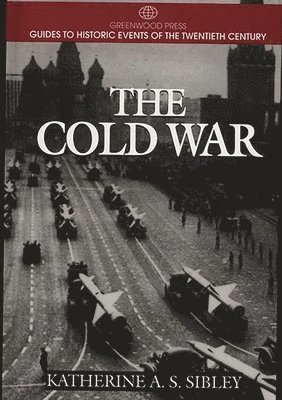
Designed to meet the needs of high school and college students, this one-stop resource features narrative history, analysis, biographical profiles, key primary documents, and other reference tools on the Cold War. Based on the latest scholarship, Sibley provides a concise yet comprehensive overview of the Cold War, which lasted from 1945 until the dissolution of the Soviet Union in 1991. Following a historical overview, six essays, organized topically, examine the key themes that characterized the Cold War: its origins in the distrust among the World War II allies, the force of American anti-Communism, Washington's enhanced postwar global role, the competing objectives of the U.S. and U.S.S.R. in pursuit of global influence, and the reasons why the Soviet Union did not survive the Cold War. A timeline of events, glossary of terms, biographical profiles of major players, and the text of 17 key documents necessary for student research on the Cold War provide valuable research tools.Following a timeline of events and narrative historical overview, six topical essays discuss the origins of the Cold War; McCarthyism and internal security in the United States; the Cold War in Asia; the Cold War in Latin America, the Middle East, and Africa; the end of detente and revived hopes for Soviet-American relations ushered in by Gorbachev, and its denouement; and the legacies and implications of the Cold War. Documents include a variety of speeches, excerpts from the memoirs of leaders on both sides of the Cold War, as well as the text of key government documents. Each document is preceded by an explanatory introduction. An annotated bibliography of works suitable for students, and a selection of photographs enhance the value of this work.
355 kr
Skickas inom 5-8 vardagar
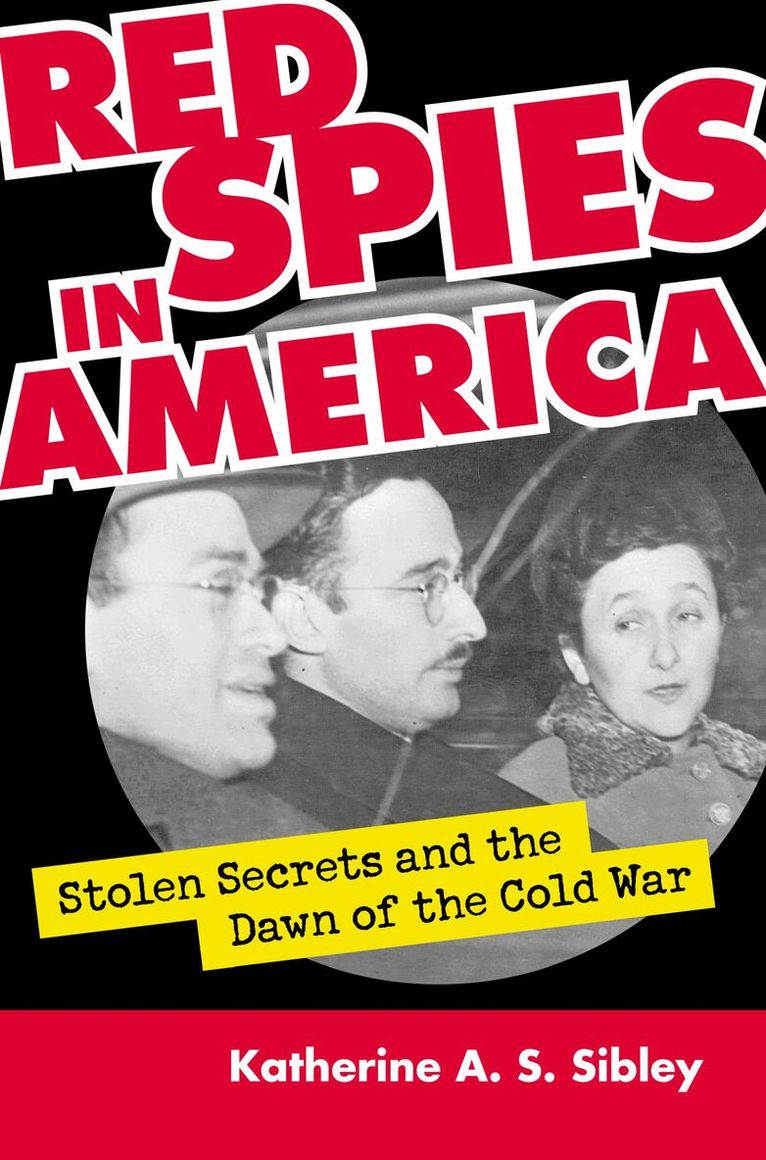
When the United States established diplomatic ties with the Soviet Union in 1933, it did more than normalize relations with the new Bolshevik state—it opened the door to a parade of Russian spies. In the 1930s and 1940s, Soviet engineers and technicians, under the guise of international cooperation, reaped a rich harvest of intelligence from our industrial plants. Factory layouts, aircraft blueprints, fuel formulas—all were grist for the Soviet espionage mill. And that, as Katherine Sibley shows, was just the beginning.While most historians date the onset of the Cold War with American fears of Soviet global domination after World War II, Sibley shows that it actually began during the war itself. The uncovering of atomic espionage in 1943 in particular not only led to increased surveillance of our ostensible Russian allies but also underscored a growing distrust of the Soviet Union that would eventually morph into full-blown hostility.Meticulously documented through exhaustive new research in American and Soviet archives, Sibley's book provides the most detailed study of Soviet military-industrial espionage to date, revealing that the United States knew much more about Soviet operations than previously acknowledged. She tells of spies like Steve Nelson and Clarence Hiskey, who passed on information about the Manhattan Project; moles within the federal government like Nathan Silvermaster; and Soviet agents like Andrei Schevchenko, who pressed defense workers to divulge high tech secrets. At the same time, as Sibley shows, hundreds of other Red agents went completely undetected. It was only through the revelations of defectors, and the postwar cracking of Soviet codes, that we began to fully understand these breaches in our national security.Sibley describes how our response to this wartime espionage shaped a generation of Red-baiting—triggering loyalty programs, blacklists, and the infamous HUAC hearings—and how it has clouded U.S.-Russian relations down to the present day. She also reviews recent cases—John Walker, Jr., Aldrich Ames, Robert Hanssen—that demonstrate how Russian efforts to gain American secrets continues well into our present times. For Cold War-watchers and spy aficionados alike, Sibley's work spells out what we actually knew about communist espionage and suggests how and why that knowledge should also shape our understanding of intelligence in the Age of Terrorism.
460 kr
Skickas inom 10-15 vardagar
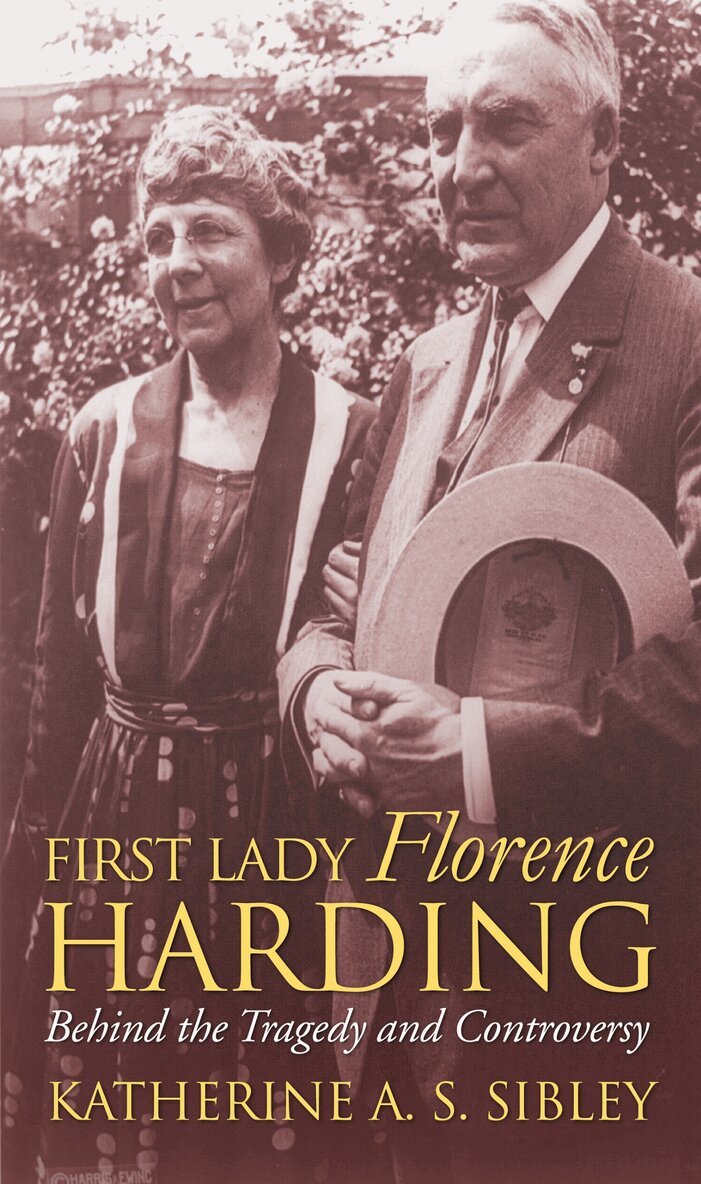
Florence Kling Harding has come down through history as one of our most scorned first ladies. Victimized by caricatures and branded a shrew, she stands at the bottom of historians' polls, her reputation tarnished by her husband's scandals despite their joint popularity while in office. These depictions, argues Katherine Sibley, have prevented us today from seeing how innovative a first lady Florence Harding really was. This new look at Mrs. Harding restores humanity to an oft-maligned figure by examining her progressive causes, her celebrity, and her role in her husband's work. For if Eleanor Roosevelt is credited with shattering the first lady's ceremonial mold, it was Florence Harding who made the first cracks. Sibley's is the first book to offer a full treatment of Florence as first lady rather than as mere supporting actress in the Harding administration. Never shying from publicity, she made herself more available to the press than did her predecessors and opened the White House up to the public. And she took such a pioneering role in Warren Harding's campaign and presidency that many thought she outdid her husband as a politician. Turning to primary sources that others have overlooked, Sibley challenges the cliches about Florence's time in the national spotlight. She describes how Mrs. Harding supported racial equality, lobbied for better treatment for veterans and female prisoners, and maintained a lifelong interest in preventing animal cruelty. As adviser to her husband, she assisted with his speech-writing and consulted with the cabinet; she was also the first first lady to deliver spontaneous speeches while traveling with the president. At a personal level, Sibley examines in detail how Mrs. Harding responded to her husband's death, assessing why this tragedy struck Americans with such force even as national empathy proved so fleeting. She also offers a more nuanced description of the president's philandering, viewing Nan Britton's claims with skepticism while noting the effects on Florence of his dalliance with Carrie Phillips. Florence Harding bequeathed an activist legacy, and it is due to her example that aspiring presidential wives are expected to campaign with their husbands and be accessible to public and press. Florence Harding truly set the stage for those to follow; this book delivers the full and fair portrait that has long been her due.
2 491 kr
Skickas inom 11-20 vardagar
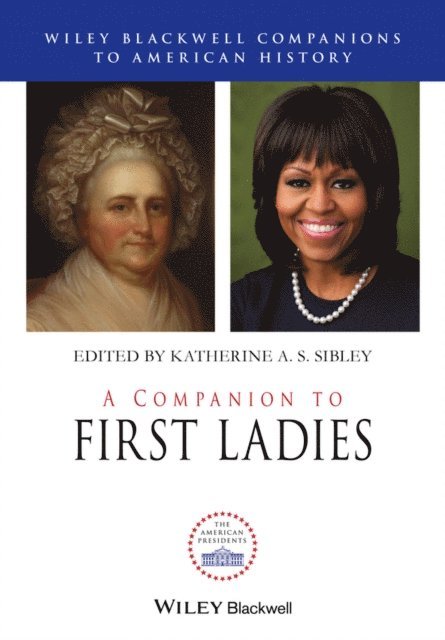
This volume explores more than two centuries of literature on the First Ladies, from Martha Washington to Michelle Obama, providing the first historiographical overview of these important women in U.S. history. Underlines the growing scholarly appreciation of the First Ladies and the evolution of the position since the 18th centuryExplores the impact of these women not only on White House responsibilities, but on elections, presidential policies, social causes, and in shaping their husbands’ legaciesBrings the First Ladies into crisp historiographical focus, assessing how these women and their contributions have been perceived both in popular literature and scholarly debateProvides concise biographical treatments for each First Lady
2 271 kr
Skickas inom 7-10 vardagar
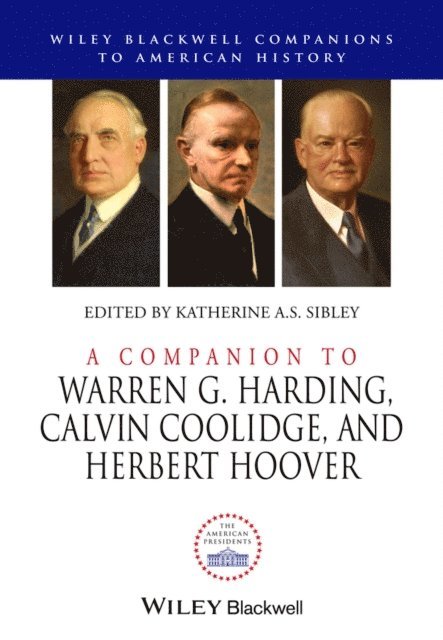
With the analysis of the best scholars on this era, 29 essays demonstrate how academics then and now have addressed the political, economic, diplomatic, cultural, ethnic, and social history of the presidents of the Republican Era of 1921-1933 - Harding, Coolidge, and Hoover. This is the first historiographical treatment of a long-neglected period, ranging from early treatments to the most recent scholarshipFeatures review essays on the era, including the legacy of progressivism in an age of "normalcy", the history of American foreign relations after World War I, and race relations in the 1920s, as well as coverage of the three presidential elections and a thorough treatment of the causes and consequences of the Great DepressionAn introduction by the editor provides an overview of the issues, background and historical problems of the time, and the personalities at play