Katherine Barbieri – författare
Visar alla böcker från författaren Katherine Barbieri. Handla med fri frakt och snabb leverans.
4 produkter
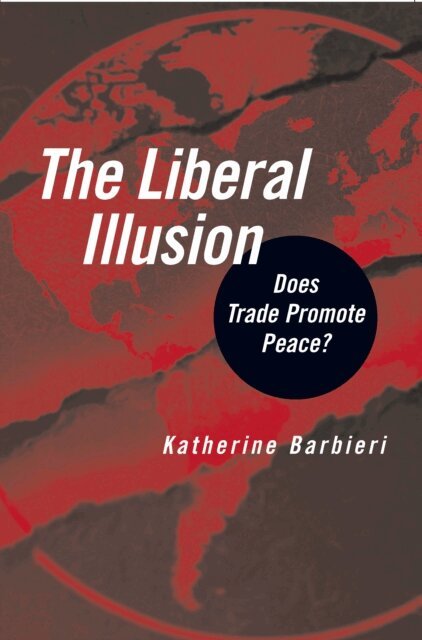
Liberal Illusion
Does Trade Promote Peace?
E-bok, 2009
568 kr
Lägg i varukorg
"A very important and long-awaited major contribution to the debate . . . Her work cannot be ignored." --Nils Petter Gleditsch, Journal of Peace Research "Barbieri builds on a solid foundation of work on trade and conflict and specifies the conditions under which trade reduces and increases …
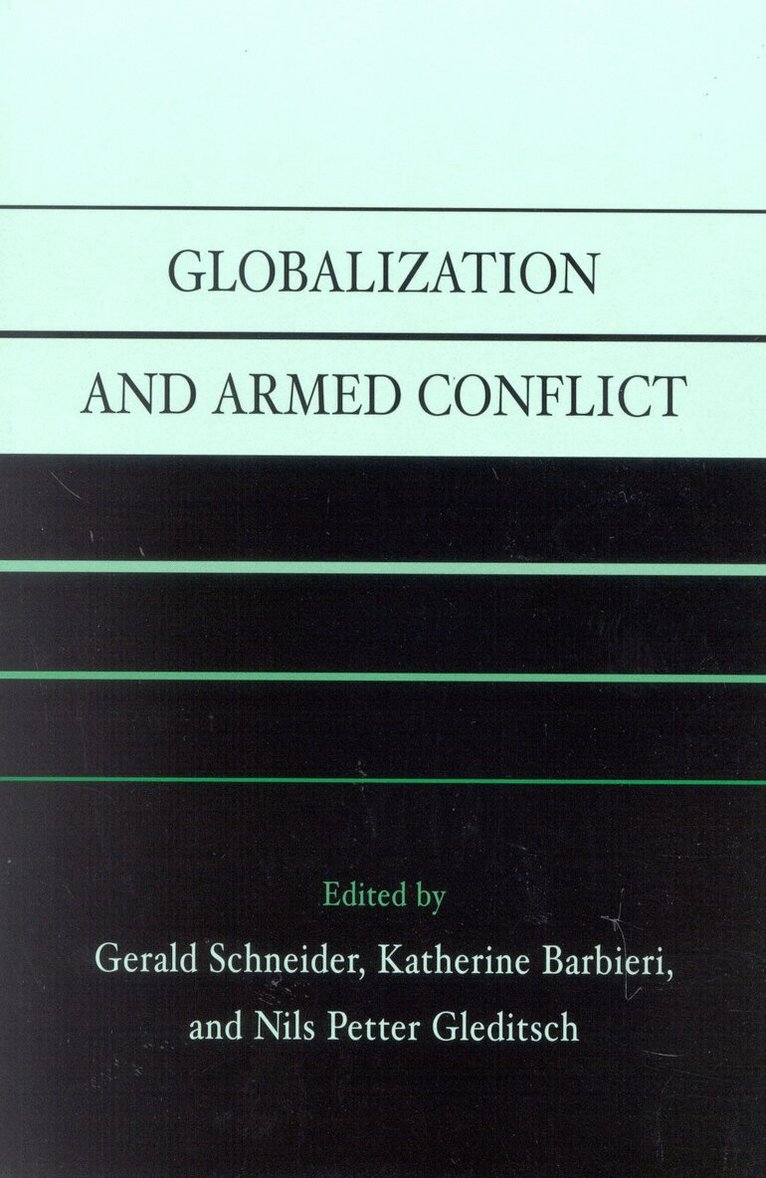
Globalization and Armed Conflict
Av Gerald Schneider, Katherine Barbieri m. fl.
Häftad, 2003
784 kr
Lägg i varukorg
Globalization and Armed Conflict addresses one of the most important and controversial issues of our time: Does global economic integration foster or suppress violent disputes within and between states? Here, cutting-edge research by leading figures in international relations shows that expanding …
Globalization and Armed Conflict
Av Gerald Schneider, Katherine Barbieri m. fl.
E-bok, 2003
857 kr
Lägg i varukorg
Globalization and Armed Conflict addresses one of the most important and controversial issues of our time: Does global economic integration foster or suppress violent disputes within and between states? Here, cutting-edge research by leading figures in international relations shows that expanding …
Liberal Illusion
Does Trade Promote Peace?
Häftad, 2005
368 kr
Tillfälligt slut
"A very important and long-awaited major contribution to the debate . . . Her work cannot be ignored."--Nils Petter Gleditsch, Journal of Peace Research"Barbieri builds on a solid foundation of work on trade and conflict and specifies the conditions under which trade reduces and increases conflict. …