Katherine M. Marino – författare
Visar alla böcker från författaren . Handla med fri frakt och snabb leverans.
5 produkter
5 produkter
2 096 kr
Läs direkt efter köp
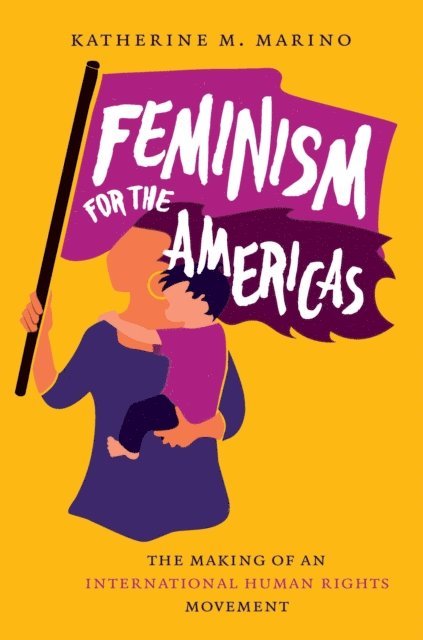
This book chronicles the dawn of the global movement for women’s rights in the first decades of the twentieth century. The founding mothers of this movement were not based primarily in the United States, however, or in Europe. Instead, Katherine M. Marino introduces readers to a cast of remarkable Latin American and Caribbean women whose deep friendships and intense rivalries forged global feminism out of an era of imperialism, racism, and fascism. Six dynamic activists form the heart of this story: from Brazil, Bertha Lutz; from Cuba, Ofelia Domíngez Navarro; from Uruguay, Paulina Luisi; from Panama, Clara González; from Chile, Marta Vergara; and from the United States, Doris Stevens. This Pan-American network drove a transnational movement that advocated women’s suffrage, equal pay for equal work, maternity rights, and broader self-determination. Their painstaking efforts led to the enshrinement of women’s rights in the United Nations Charter and the development of a framework for international human rights. But their work also revealed deep divides, with Latin American activists overcoming U.S. presumptions to feminist superiority. As Marino shows, these early fractures continue to influence divisions among today’s activists along class, racial, and national lines.Marino’s multinational and multilingual research yields a new narrative for the creation of global feminism. The leading women introduced here were forerunners in understanding the power relations at the heart of international affairs. Their drive to enshrine fundamental rights for women, children, and all people of the world stands as a testament to what can be accomplished when global thinking meets local action.

Häftad, Engelska, 2020
378 kr
Skickas
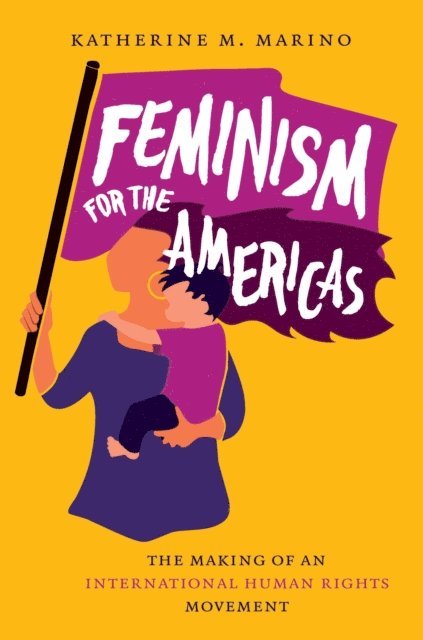
This book chronicles the dawn of the global movement for women's rights in the first decades of the twentieth century. The founding mothers of this movement were not based primarily in the United States, however, or in Europe. Instead, Katherine M. Marino introduces readers to a cast of remarkable Latin American and Caribbean women whose deep friendships and intense rivalries forged global feminism out of an era of imperialism, racism, and fascism. Six dynamic activists form the heart of this story: from Brazil, Bertha Lutz; from Cuba, Ofelia Domingez Navarro; from Uruguay, Paulina Luisi; from Panama, Clara Gonzalez; from Chile, Marta Vergara; and from the United States, Doris Stevens. This Pan-American network drove a transnational movement that advocated women's suffrage, equal pay for equal work, maternity rights, and broader self-determination. Their painstaking efforts led to the enshrinement of women's rights in the United Nations Charter and the development of a framework for international human rights. But their work also revealed deep divides, with Latin American activists overcoming U.S. presumptions to feminist superiority. As Marino shows, these early fractures continue to influence divisions among today's activists along class, racial, and national lines.Marino's multinational and multilingual research yields a new narrative for the creation of global feminism. The leading women introduced here were forerunners in understanding the power relations at the heart of international affairs. Their drive to enshrine fundamental rights for women, children, and all people of the world stands as a testament to what can be accomplished when global thinking meets local action.
147 kr
Läs direkt efter köp
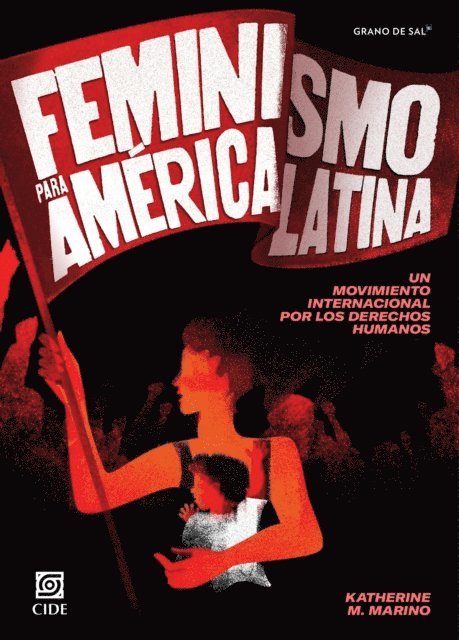
"¡Si pudiéramos nosotras, las mujeres, sacudir nuestro continente!", le escribió en 1931 la cubana Ofelia Domínguez Navarro a Paulina Luisi, la médica uruguaya que para entonces era una veterana de la lucha feminista en América Latina. Este libro es la historia de esa sacudida: Katherine M. Marino recorre aquí la singular forma de entender los derechos de la mujer que se dio en nuestro continente en la primera mitad del siglo XX. El feminismo panamericano fue un movimiento que se valió de las formas de la diplomacia para lograr el compromiso de los Estados por el sufragio femenino, la igualdad de derechos sociales y laborales, la protección de la infancia. En los agitados tiempos del Frente Popular, de la solidaridad internacional con la República Española, del temor al fascismo, un puñado de activistas supo sumar fuerzas más allá de las fronteras para expresar un pensamiento igualitario de vanguardia que pronto colocó la lucha feminista en un plano más amplio, aunque no menos polémico: la defensa de los derechos humanos. Además de Domínguez Navarro, Luisi y muchas más feministas de México, Argentina y otros países, estas páginas tienen como protagonistas a la bióloga brasileña Bertha Lutz, la abogada panameña Clara González y la periodista chilena Marta Vergara —y, quizás en el rol de antagonista, a la estadounidense Doris Stevens— y como clímax la aportación latinoamericana a los cimientos de la ONU. La sacudida que produjeron esas mujeres audaces y claridosas aún hoy puede sentirse."Este libro es un recuento brillante y ambicioso de los orígenes del feminismo global. Marino comprueba que en la primera mitad del siglo XX las latinoamericanas estaban a la vanguardia del activismo feminista internacional y reconstruye este movimiento radical, trasnacional e influyente." Michelle Chase, International Feminist Journal of Politics
E-bok
PDF, Engelska, 2019269 kr
Läs direkt efter köp
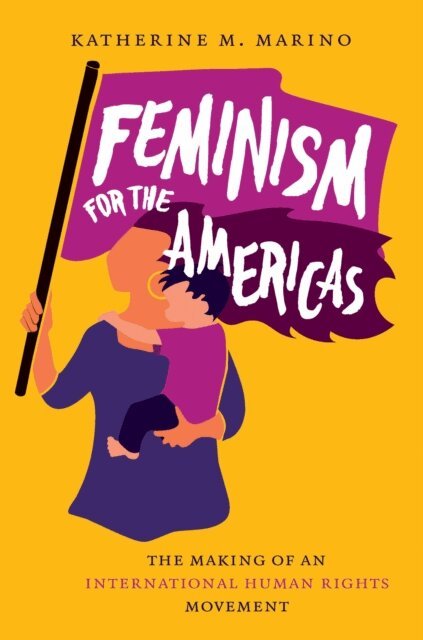
This book chronicles the dawn of the global movement for women’s rights in the first decades of the twentieth century. The founding mothers of this movement were not based primarily in the United States, however, or in Europe. Instead, Katherine M. Marino introduces readers to a cast of remarkable Latin American and Caribbean women whose deep friendships and intense rivalries forged global feminism out of an era of imperialism, racism, and fascism. Six dynamic activists form the heart of this story: from Brazil, Bertha Lutz; from Cuba, Ofelia Domíngez Navarro; from Uruguay, Paulina Luisi; from Panama, Clara González; from Chile, Marta Vergara; and from the United States, Doris Stevens. This Pan-American network drove a transnational movement that advocated women’s suffrage, equal pay for equal work, maternity rights, and broader self-determination. Their painstaking efforts led to the enshrinement of women’s rights in the United Nations Charter and the development of a framework for international human rights. But their work also revealed deep divides, with Latin American activists overcoming U.S. presumptions to feminist superiority. As Marino shows, these early fractures continue to influence divisions among today’s activists along class, racial, and national lines.Marino’s multinational and multilingual research yields a new narrative for the creation of global feminism. The leading women introduced here were forerunners in understanding the power relations at the heart of international affairs. Their drive to enshrine fundamental rights for women, children, and all people of the world stands as a testament to what can be accomplished when global thinking meets local action.
E-bok
PDF, Engelska, 20191 813 kr
Läs direkt efter köp
This book chronicles the dawn of the global movement for women’s rights in the first decades of the twentieth century. The founding mothers of this movement were not based primarily in the United States, however, or in Europe. Instead, Katherine M. Marino introduces readers to a cast of remarkable Latin American and Caribbean women whose deep friendships and intense rivalries forged global feminism out of an era of imperialism, racism, and fascism. Six dynamic activists form the heart of this story: from Brazil, Bertha Lutz; from Cuba, Ofelia Domíngez Navarro; from Uruguay, Paulina Luisi; from Panama, Clara González; from Chile, Marta Vergara; and from the United States, Doris Stevens. This Pan-American network drove a transnational movement that advocated women’s suffrage, equal pay for equal work, maternity rights, and broader self-determination. Their painstaking efforts led to the enshrinement of women’s rights in the United Nations Charter and the development of a framework for international human rights. But their work also revealed deep divides, with Latin American activists overcoming U.S. presumptions to feminist superiority. As Marino shows, these early fractures continue to influence divisions among today’s activists along class, racial, and national lines.Marino’s multinational and multilingual research yields a new narrative for the creation of global feminism. The leading women introduced here were forerunners in understanding the power relations at the heart of international affairs. Their drive to enshrine fundamental rights for women, children, and all people of the world stands as a testament to what can be accomplished when global thinking meets local action.