Kathleen A. Cooney - Böcker
Visar alla böcker från författaren Kathleen A. Cooney. Handla med fri frakt och snabb leverans.
6 produkter
6 produkter
2 143 kr
Skickas inom 5-8 vardagar
For more than 95 years, Goldman-Cecil Medicine has been the authoritative source for internal medicine and the care of adult patients. Every chapter is written by acclaimed experts who, with the oversight of our editors, provide definitive, unbiased advice on the diagnosis and treatment of thousands of common and uncommon conditions, always guided by an understanding of the epidemiology and pathobiology, as well as the latest medical literature. But Goldman-Cecil Medicine is not just a textbook. It is designed to optimize electronic searches that will rapidly take you to exactly the information you are seeking. Throughout the lifetime of each edition, periodic updates continually include the newest information from a wide range of journals. Furthermore, Goldman-Cecil Medicine is available for all users of ClinicalKey, Elsevier's full library of subspecialty textbooks that can be accessed by readers who may want even more in-depth information. More than 400 chapters authored by a veritable "Who’s Who" of modern medicine A practical, templated organization with an emphasis on up-to-date, evidence-based references New chapters on Population Health, Effects of Climate Change on Health, Bradycardias, Transgender Medicine, Whipple Disease, COVID-19 Virology and Pathobiology, COVID-19 Epidemiology/Clinical Manifestations/Diagnosis/Community Prevention, COVID-19 Treatment and Vaccination, Polyomaviruses, and more Thousands of algorithms, figures, and tables that make its information readily accessible Over 100 supplementary videos, heart sounds, and key references Available in print and on a variety of electronic devices Continuously updated by Lee Goldman, MD An eBook version is included with purchase. The eBook allows you to access all of the text, figures, and references, with the ability to search, customize your content, make notes and highlights, and have content read aloud.
521 kr
Tillfälligt slut
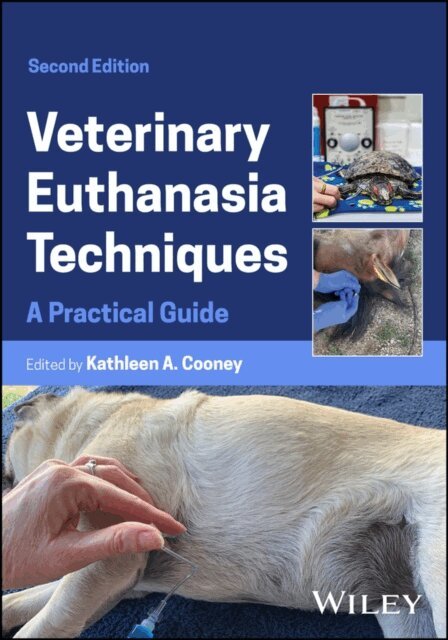
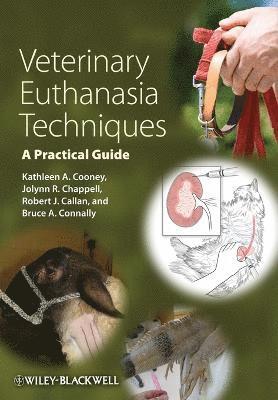
Veterinary Euthanasia Techniques: A Practical Guide provides detailed guidance on euthanasia procedures in a wide variety of species, including dogs, cats, exotics, horses, and production animals. Based on the current AVMA guidelines, the book offers step-by-step descriptions of the recommended methods of euthanasia, giving all the information needed to perform these techniques with confidence. Veterinary Euthanasia Techniques helps practitioners, students, and technicians expand their knowledge base and provide competent, compassionate euthanasia services. Including information on client considerations, equipment, positioning, sedation, and aftercare, the focus of the book is on providing detailed procedures for correctly performing euthanasia. Veterinary Euthanasia Techniques presents complete information on euthanasia, offering specific advice to improve skills and aid in decision making.
1 196 kr
Tillfälligt slut
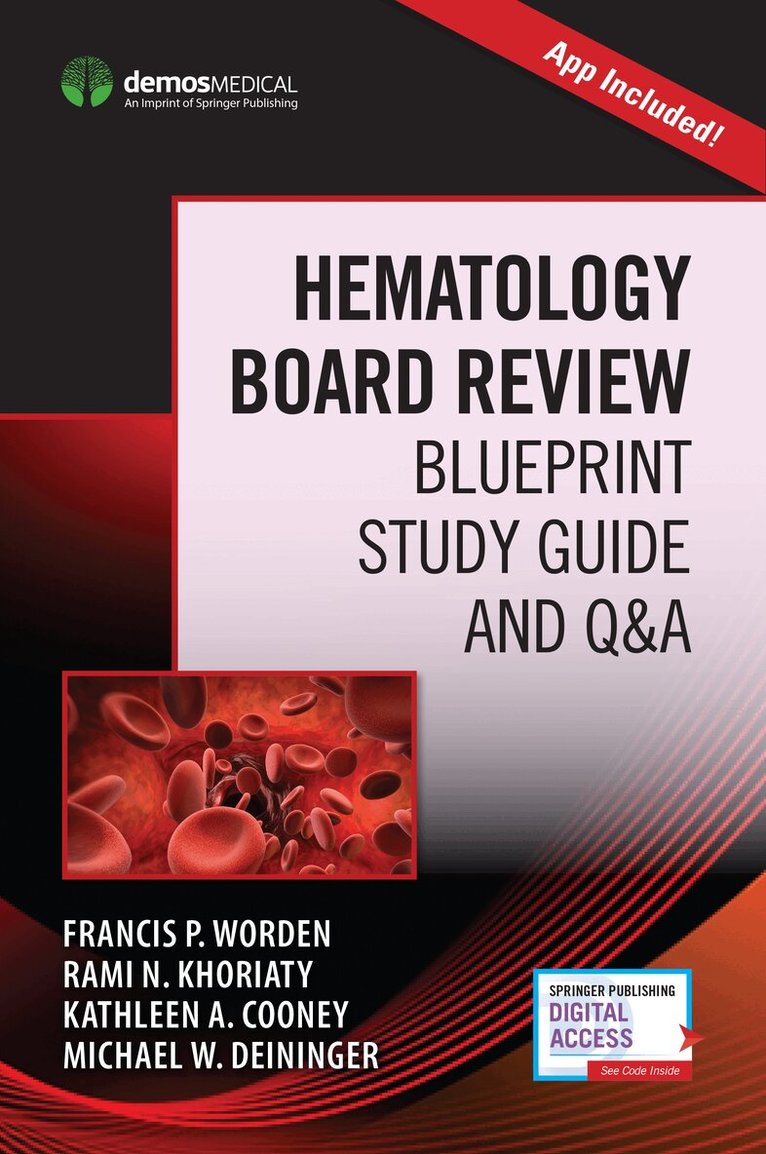
Hematology Board Review: Blueprint Study Guide and Q&A is a concise, outline-based study guide covering all topics that appear on the Hematology Certification Exam. The book includes all topics listed in the American Board of Internal Medicine (ABIM) blueprint as essential material for the exam and highlights topic areas that are often found on the test.For hematology and oncology fellows as well as practicing clinicians needing a refresher before taking MOC, this handy study guide provides succinct overviews of all blood disorders, syndromes and diseases with practice questions on the go. Each disorder or disease-based chapter provides the same structure for ease of use beginning with the epidemiology, and followed by the etiology and risk factors, signs and symptoms, diagnostic criteria, indications for treatment, prognostic factors, treatment recommendations, and special considerations. The authors provide the most accurate and up-to-date information, including well-established treatment regimens for a variety of blood disorders, including iron disorders, bone marrow failure syndromes, platelet and megakaryocytic disorders, hemostasis, thrombosis, and hematologic malignancies. Later chapters review other major subspecialty areas found on the exam including transfusion medicine and hematopoietic cell transplantation. With 200 board-style questions and answers with detailed rationales, Hematology Board Review is the go-to, quick review for any trainee preparing for initial certification and for hematologists or oncologists preparing for recertification.Key Features:Includes 200 board-style questions and answers with rationalesProvides key point summaries of each topic area for quick study and easy recallThorough coverage of hematologic malignancies, blood disorders, transfusion medicine, hematopoietic cell transplantation, and standard treatment regimensTables providing key data and information related to staging, treatment options, and disease classifications
909 kr
Skickas inom 7-10 vardagar
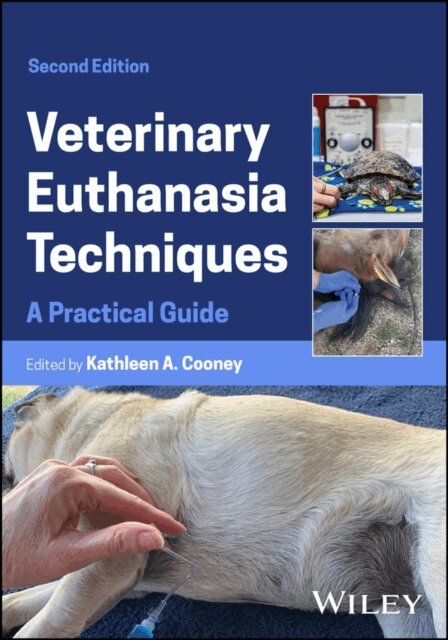
Practical how-to guidance to compassionately and confidently care for various species of animals through euthanasia Veterinary Euthanasia Techniques offers how-to guidance for performing euthanasia techniques in dogs, cats, exotic animals, horses, production animals, and, in this new edition, zoo and marine animals. This edition has been reorganized by species to make it easier to find information, with each species-specific chapter covering restraint, equipment, sedatives, and techniques. Sections discussing drugs and data have been updated throughout, with new discussions on how to handle pentobarbital shortages and animal welfare considerations. Veterinary Euthanasia Techniques includes information on: Pre-euthanasia sedation and anesthesia, covering unconscious and sedation assessmentEuthanasia techniques, including inhalant, injectable, and physical techniques, with guidance on how death is achieved, positioning and restraint, and how to choose an appropriate methodBurial aftercare, covering the burial process, composing, cremation/incineration, alkaline hydrolysis, and renderingClient considerations concerning companion animalsThe history of the field, current research, and emerging trendsOffering complete information and specific advice to improve skills and aid in decision making, Veterinary Euthanasia Techniques is a must-have reference for anyone involved in animal welfare work and veterinary euthanasia, including general practice vets, specialists, students, and veterinary technicians.
2 178 kr
Skickas inom 10-15 vardagar
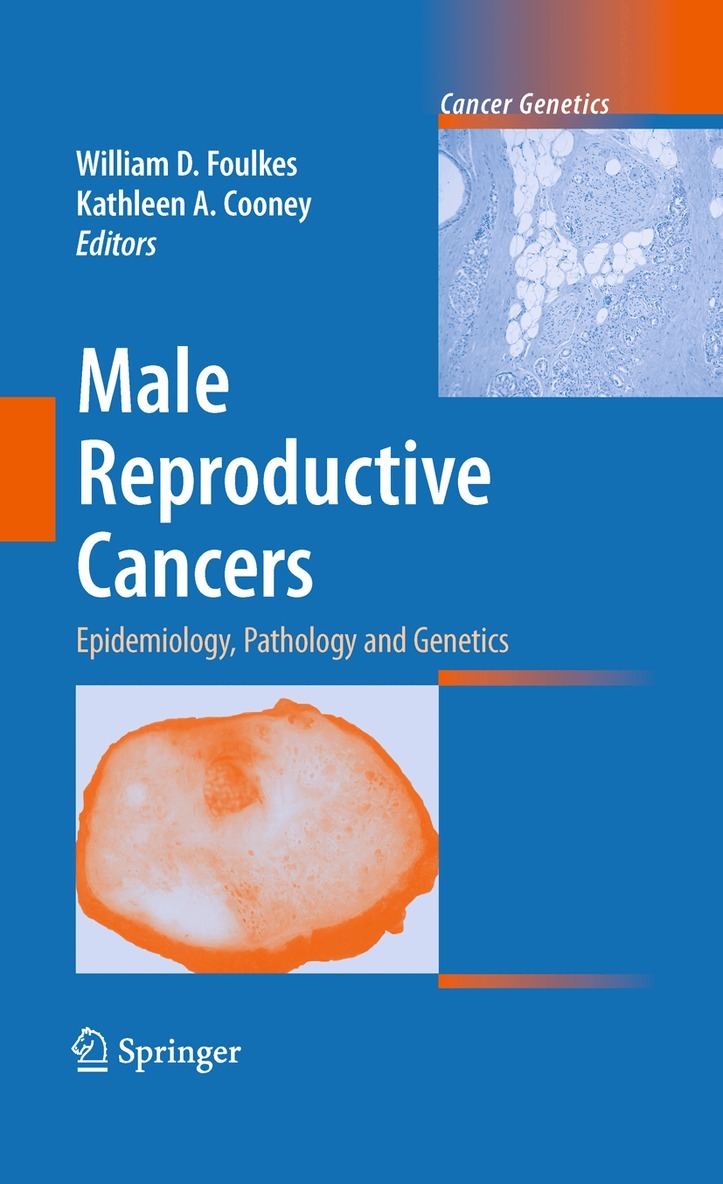
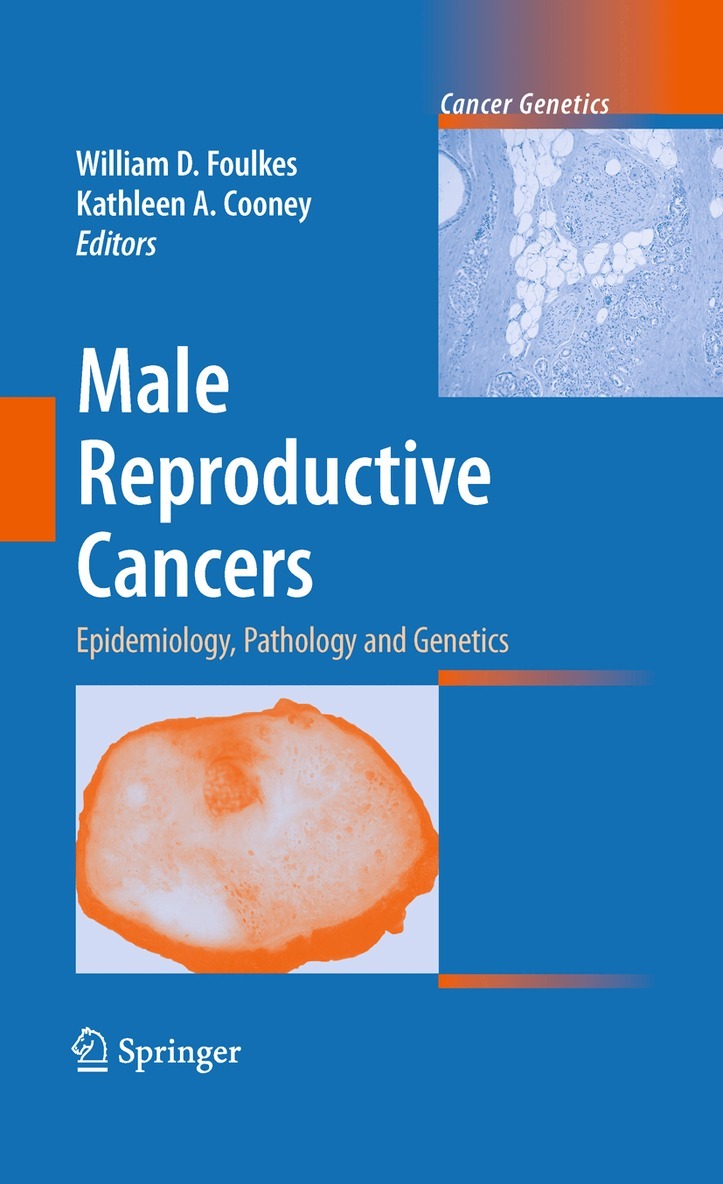
Knowledge about cancer genetics is rapidly expanding, and has implications for all aspects of cancer research and treatment, including molecular causation, diagnosis, prevention, screening, and treatment.Additionally, while cancer genetics has traditionally focused on mutational events that have their primary effect within the cancer cell, recently the focus has widened, with evidence of the importance of epigenetic events and of cellular interactions in cancer development. The role of common genetic variation in determining the range of individual susceptibility within the population is increasingly recognized, and is now being widely addressed using information from the Human Genome Project. These new research directions will highlight determinants of cancer that lie outside the cancer cell, suggest new targets for intervention, and inform the design of strategies for prevention in groups at increased risk.Today, the NCI is putting more and more money into research into the genetics of cancer. The very first of the NCI’s stated research priorities is a project called The Cancer Genome Atlas. The Cancer Genome Atlas (TCGA) is a comprehensive and coordinated effort to accelerate the understanding of the molecular basis of cancer through the application of genome analysis technologies, including large-scale genome sequencing. The NCI and the NHGRI (National Human Genome Research Institute, where the series editor is employed) have each committed $50 million over three years to the TCGA Pilot Project.This book proposes cover the latest findings in the genetics of male reproductive cancers; specifically cancers of the prostate and testes. The volume will cover the epidemiology of these cancers; model systems, pathology, molecular genetics, and inherited susceptibility.
2 178 kr
Skickas inom 10-15 vardagar
Knowledge about cancer genetics is rapidly expanding, and has implications for all aspects of cancer research and treatment, including molecular causation, diagnosis, prevention, screening, and treatment.Additionally, while cancer genetics has traditionally focused on mutational events that have their primary effect within the cancer cell, recently the focus has widened, with evidence of the importance of epigenetic events and of cellular interactions in cancer development. The role of common genetic variation in determining the range of individual susceptibility within the population is increasingly recognized, and is now being widely addressed using information from the Human Genome Project. These new research directions will highlight determinants of cancer that lie outside the cancer cell, suggest new targets for intervention, and inform the design of strategies for prevention in groups at increased risk.Today, the NCI is putting more and more money into research into the genetics of cancer. The very first of the NCI’s stated research priorities is a project called The Cancer Genome Atlas. The Cancer Genome Atlas (TCGA) is a comprehensive and coordinated effort to accelerate the understanding of the molecular basis of cancer through the application of genome analysis technologies, including large-scale genome sequencing. The NCI and the NHGRI (National Human Genome Research Institute, where the series editor is employed) have each committed $50 million over three years to the TCGA Pilot Project.This book proposes cover the latest findings in the genetics of male reproductive cancers; specifically cancers of the prostate and testes. The volume will cover the epidemiology of these cancers; model systems, pathology, molecular genetics, and inherited susceptibility.