Kathrin Koslicki – författare
Visar alla böcker från författaren Kathrin Koslicki. Handla med fri frakt och snabb leverans.
12 produkter
Structure of Objects
E-bok, 2008
479 kr
Lägg i varukorg
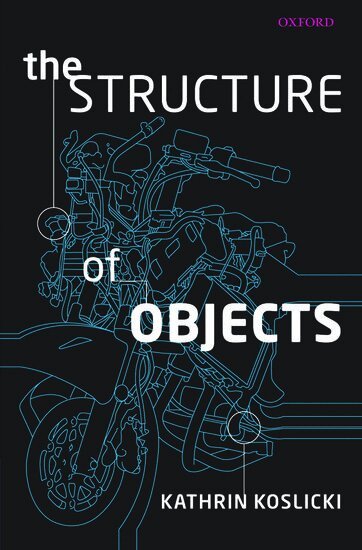
Kathrin Koslicki offers an analysis of ordinary materials objects, those material objects to which we take ourselves to be committed in ordinary, scientifically informed discourse. She focuses particularly on the question of how the parts of such objects are related to the wholes which they …
Structure of Objects
E-bok, 2008
550 kr
Lägg i varukorg
Kathrin Koslicki offers an analysis of ordinary materials objects, those material objects to which we take ourselves to be committed in ordinary, scientifically informed discourse. She focuses particularly on the question of how the parts of such objects are related to the wholes which they …
Form, Matter, Substance
E-bok, 2018
385 kr
Lägg i varukorg
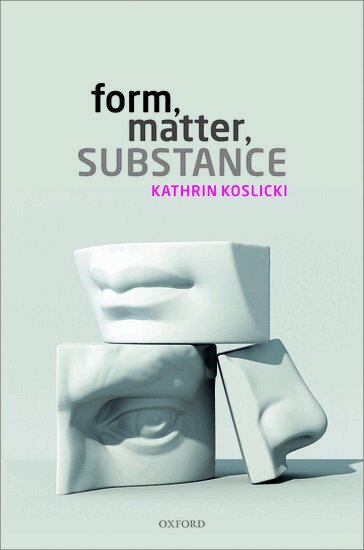
In Form, Matter, Substance , Kathrin Koslicki develops a contemporary defense of the Aristotelian doctrine of hylomorphism. According to this approach, objects are compounds of matter ( hule ) and form ( morphe or eidos ) and a living organism is not exhausted by the body, cells, organs, tissue and …
Form, Matter, Substance
E-bok, 2018
385 kr
Lägg i varukorg
In Form, Matter, Substance , Kathrin Koslicki develops a contemporary defense of the Aristotelian doctrine of hylomorphism. According to this approach, objects are compounds of matter ( hule ) and form ( morphe or eidos ) and a living organism is not exhausted by the body, cells, organs, tissue and …
Form, Matter, Substance
Inbunden, 2018
1775 kr
Lägg i varukorg
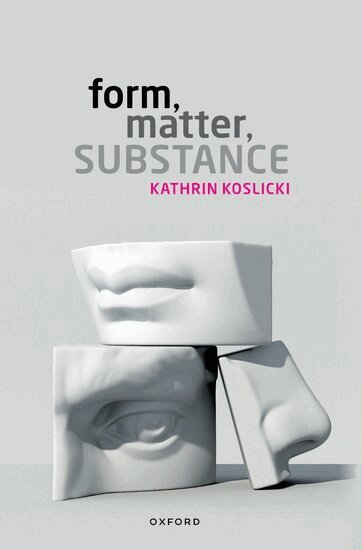
In Form, Matter, Substance, Kathrin Koslicki develops a contemporary defense of the Aristotelian doctrine of hylomorphism. According to this approach, objects are compounds of matter (hule) and form (morphe or eidos) and a living organism is not exhausted by the body, cells, organs, tissue and the …
Form, Matter, Substance
Häftad, 2023
435 kr
Lägg i varukorg
In Form, Matter, Substance, Kathrin Koslicki develops a contemporary defence of the Aristotelian doctrine of hylomorphism. According to this approach, objects are compounds of matter (hule) and form (morphe or eidos) and a living organism is not exhausted by the body, cells, organs, tissue, and the …
The Structure of Objects
Inbunden, 2008
2856 kr
Lägg i varukorg
Kathrin Koslicki offers an analysis of ordinary materials objects, those material objects to which we take ourselves to be committed in ordinary, scientifically informed discourse. She focuses particularly on the question of how the parts of such objects are related to the wholes which they …
The Structure of Objects
Häftad, 2010
781 kr
Lägg i varukorg
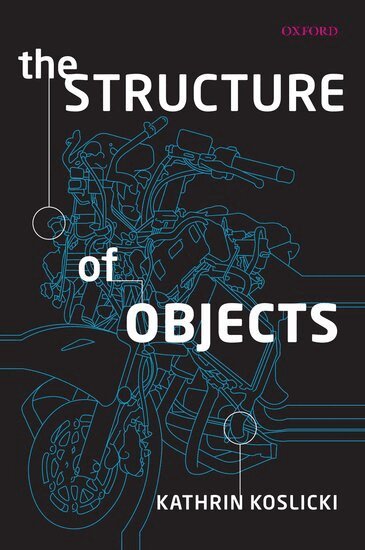
The objects we encounter in ordinary life and scientific practice -- cars, trees, people, houses, molecules, galaxies, and the like -- have long been a fruitful source of perplexity for metaphysicians. The Structure of Objects gives an original analysis of those material objects to which we take …
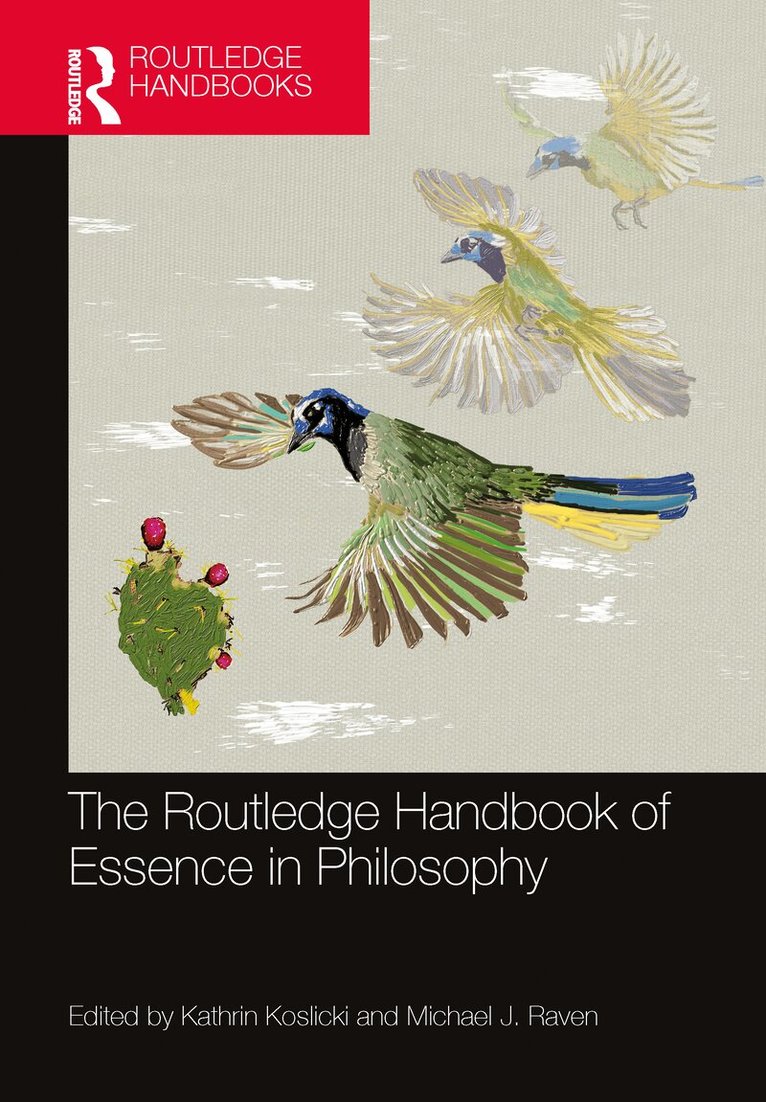
Routledge Handbook of Essence in Philosophy
Av Kathrin Koslicki, Michael J. Raven
Inbunden, 2024
3781 kr
Lägg i varukorg
Essences have been assigned important but controversial explanatory roles in philosophical, scientific, and social theorizing. Is it possible for the same organism to be first a caterpillar and then a butterfly? Is it impossible for a human being to transform into an insect like Gregor Samsa does …
Routledge Handbook of Essence in Philosophy
Av Kathrin Koslicki, Michael J. Raven
Häftad, 2025
791 kr
Lägg i varukorg
Essences have been assigned important but controversial explanatory roles in philosophical, scientific, and social theorizing. Is it possible for the same organism to be first a caterpillar and then a butterfly? Is it impossible for a human being to transform into an insect like Gregor Samsa does …
Routledge Handbook of Essence in Philosophy
Av Michael J. Raven, Kathrin Koslicki
E-bok, 2024
935 kr
Lägg i varukorg
Essences have been assigned important but controversial explanatory roles in philosophical, scientific, and social theorizing. Is it possible for the same organism to be first a caterpillar and then a butterfly? Is it impossible for a human being to transform into an insect like Gregor Samsa does …
Routledge Handbook of Essence in Philosophy
Av Michael J. Raven, Kathrin Koslicki
E-bok, 2024
935 kr
Lägg i varukorg
Essences have been assigned important but controversial explanatory roles in philosophical, scientific, and social theorizing. Is it possible for the same organism to be first a caterpillar and then a butterfly? Is it impossible for a human being to transform into an insect like Gregor Samsa does …