Kathryn C. Oleson - Böcker
Visar alla böcker från författaren Kathryn C. Oleson. Handla med fri frakt och snabb leverans.
5 produkter
5 produkter
981 kr
Tillfälligt slut
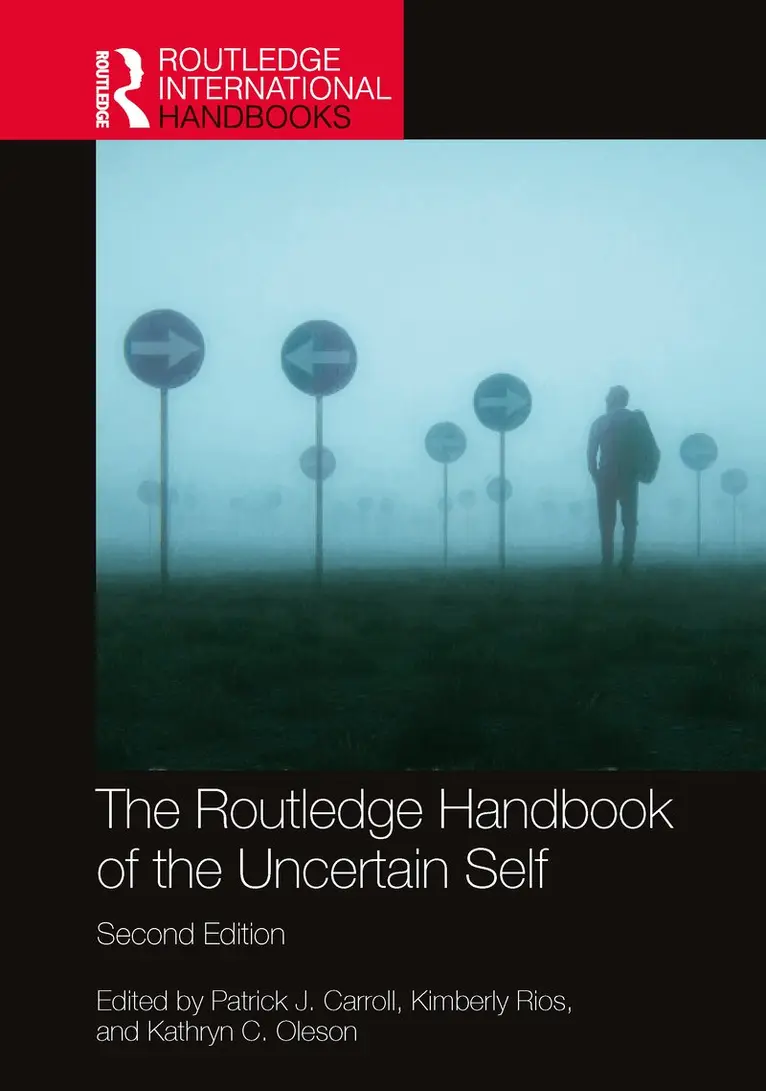
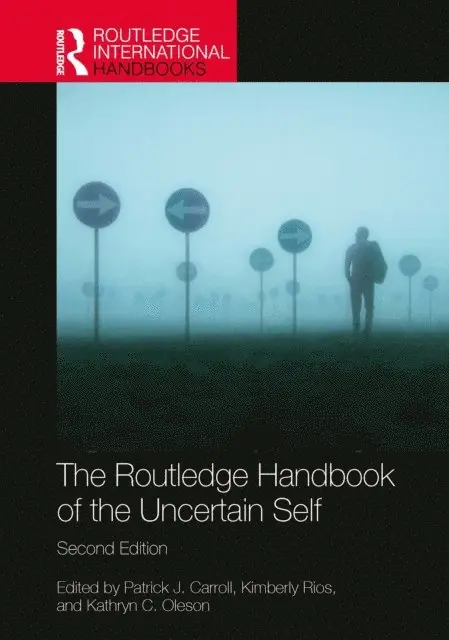
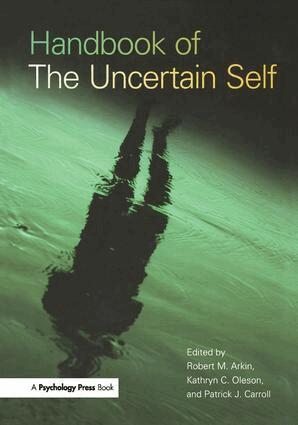
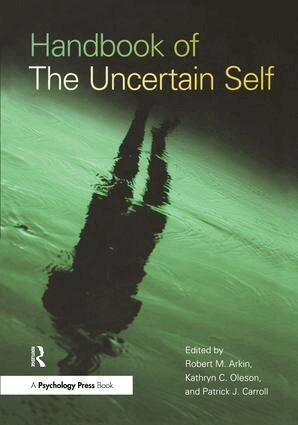
This Handbook explores the cognitive, motivational, interpersonal, clinical, and applied aspects of personal uncertainty. It showcases both the diversity and the unity that defines contemporary perspectives on uncertainty in self within social and personality psychology. The contributions to the volume are all written by distinguished scholars in personality, social psychology, and clinical psychology united by their common focus on the causes and consequences of self-uncertainty.Chapters explore the similarities and differences between personal uncertainty and other psychological experiences in terms of their nature and relationship with human thought, emotion, motivation, and behavior. Specific challenges posed by personal uncertainty and the coping strategies people develop in their daily life are identified. There is an assessment of the potential negative and positive repercussions of coping with the specific experience of self-uncertainty, including academic, health, and relationship outcomes. Throughout, strategies specifically designed to assist others in confronting the unique challenges posed by self-uncertainty in ways that emphasize healthy psychological functioning and growth are promoted.In addition, the contributions to the Handbook touch on the psychological, social, and cultural context of the new millennium, including concepts such as Friedman’s "flat world," confidence, the absence of doubt in world leaders, the threat of terrorism since 9/11, the arts, doubt and religious belief, and views of doubt as the universal condition of humankind.The Handbook is an invaluable resource for researchers, practitioners, and senior undergraduate and graduate students in social and personality psychology, clinical and counseling psychology, educational psychology, and developmental psychology.
3 242 kr
Skickas inom 10-15 vardagar
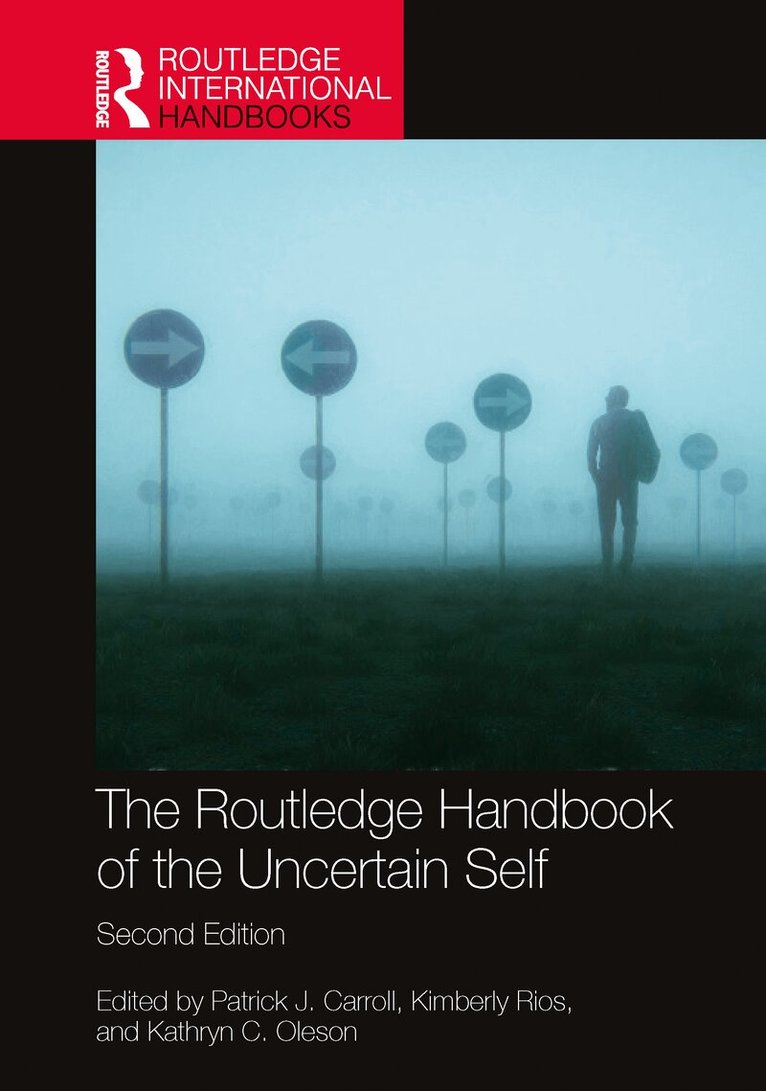
The second edition of this handbook explores the social, cognitive, motivational, interpersonal, clinical, and applied aspects of personal uncertainty. It showcases both the diversity and the unity that defines contemporary perspectives on uncertainty in self within social and personality psychology.Featuring chapters written by distinguished scholars from a range of disciplines in psychology, this book explores the similarities and differences between personal uncertainty and other psychological experiences in terms of their nature and relationship with human thought, emotion, motivation, and behavior. It takes an interactionist perspective to examine what social and personality psychology knows about the experience of self‑uncertainty in its various forms, exploring its determinants and consequences within and across individuals and groups. The new edition has been extensively revised and updated and includes new material on self‑uncertainty within intimate relationships, in groups, and within spiritual and educational contexts. There is also new content on conspiratorial thinking as well as on the uncertain self within the broader context of uncertainty associated with the COVID‑19 pandemic. Throughout, strategies specifically designed to assist others in confronting the unique challenges posed by self‑uncertainty in ways that emphasize healthy psychological functioning and growth are promoted.Featuring cutting‑edge theory and research on the determinants, experiences, and consequences of uncertainty in the self, the handbook is an invaluable resource for researchers, practitioners, and senior undergraduate and graduate students in social and personality psychology, clinical and counseling psychology, educational psychology, and developmental psychology.
481 kr
Tillfälligt slut
This Handbook explores the cognitive, motivational, interpersonal, clinical, and applied aspects of personal uncertainty. It showcases both the diversity and the unity that defines contemporary perspectives on uncertainty in self within social and personality psychology. The contributions to the volume are all written by distinguished scholars in personality, social psychology, and clinical psychology united by their common focus on the causes and consequences of self-uncertainty.Chapters explore the similarities and differences between personal uncertainty and other psychological experiences in terms of their nature and relationship with human thought, emotion, motivation, and behavior. Specific challenges posed by personal uncertainty and the coping strategies people develop in their daily life are identified. There is an assessment of the potential negative and positive repercussions of coping with the specific experience of self-uncertainty, including academic, health, and relationship outcomes. Throughout, strategies specifically designed to assist others in confronting the unique challenges posed by self-uncertainty in ways that emphasize healthy psychological functioning and growth are promoted.In addition, the contributions to the Handbook touch on the psychological, social, and cultural context of the new millennium, including concepts such as Friedman’s "flat world," confidence, the absence of doubt in world leaders, the threat of terrorism since 9/11, the arts, doubt and religious belief, and views of doubt as the universal condition of humankind.The Handbook is an invaluable resource for researchers, practitioners, and senior undergraduate and graduate students in social and personality psychology, clinical and counseling psychology, educational psychology, and developmental psychology.
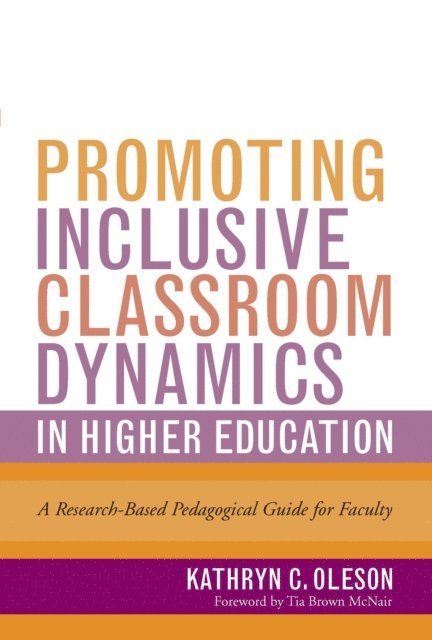
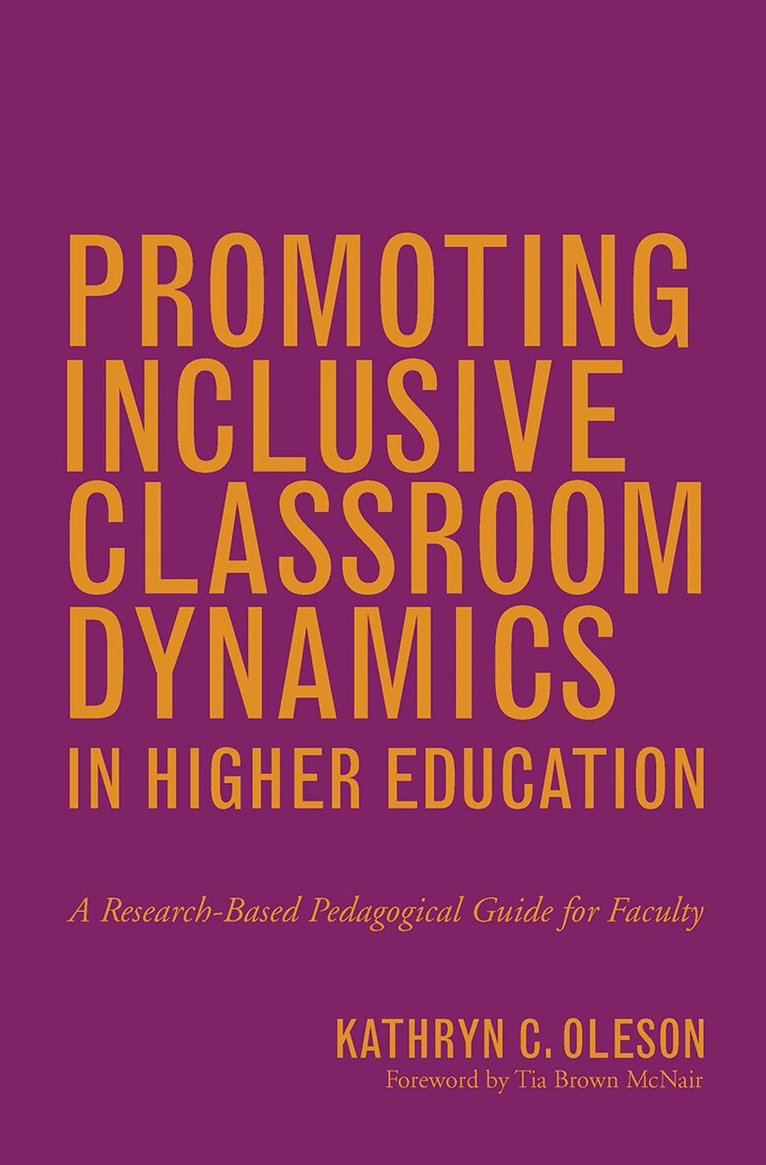
Promoting Inclusive Classroom Dynamics in Higher Education
A Research-Based Pedagogical Guide for Faculty
Inbunden, Engelska, 2020
2 053 kr
Skickas inom 10-15 vardagar
This powerful, practical resource helps faculty create an inclusive dynamic in their classrooms, so that all students are set up to succeed. Grounded in research and theory (including educational psychology, scholarship of teaching and learning, intergroup dialogue, and social justice theory), this book provides practical solutions to help faculty create an inclusive learning environment in which all students can thrive. Each chapter focuses on palpable ideas and adaptive strategies to use right away when teaching. The first chapter consider professors’ intersecting personal and social identities and their expectations for themselves and their students. Chapter 2 considers students’ backgrounds, including class, race, disability, and gender, and focuses on what students bring to the classroom, exploring their basic psychological needs of autonomy, competence, and belonging; their approaches to learning; and their self-doubts and uncertainties. Chapter 3 draws on universally-designed learning in combination with educational design rooted in social justice and multiculturalism to describe ways to design spaces in which students flourish academically. Two chapters focus on classroom dynamics. Chapter 4 primarily focuses on preparation for having difficult conversations in the classroom, considering how instructors can create a shared understanding between themselves and their students. Chapter 5 focuses on in-the-moment strategies to both create and manage discomfort about sensitive and controversial topics while supporting students of various social identities (such as gender, race, disability). In the closing chapter, the author integrates all the elements in the preceding chapters, and also presents more general college-wide programs to help faculty develop and improve their teaching.
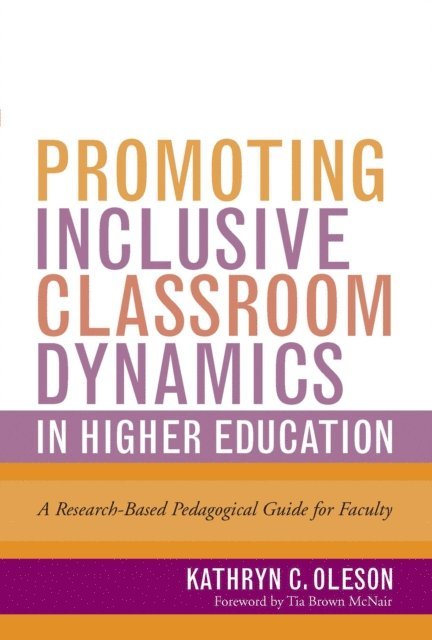
Promoting Inclusive Classroom Dynamics in Higher Education
A Research-Based Pedagogical Guide for Faculty
Häftad, Engelska, 2020
456 kr
Skickas inom 10-15 vardagar
This powerful, practical resource helps faculty create an inclusive dynamic in their classrooms, so that all students are set up to succeed. Grounded in research and theory (including educational psychology, scholarship of teaching and learning, intergroup dialogue, and social justice theory), this book provides practical solutions to help faculty create an inclusive learning environment in which all students can thrive. Each chapter focuses on palpable ideas and adaptive strategies to use right away when teaching. The first chapter consider professors’ intersecting personal and social identities and their expectations for themselves and their students. Chapter 2 considers students’ backgrounds, including class, race, disability, and gender, and focuses on what students bring to the classroom, exploring their basic psychological needs of autonomy, competence, and belonging; their approaches to learning; and their self-doubts and uncertainties. Chapter 3 draws on universally-designed learning in combination with educational design rooted in social justice and multiculturalism to describe ways to design spaces in which students flourish academically. Two chapters focus on classroom dynamics. Chapter 4 primarily focuses on preparation for having difficult conversations in the classroom, considering how instructors can create a shared understanding between themselves and their students. Chapter 5 focuses on in-the-moment strategies to both create and manage discomfort about sensitive and controversial topics while supporting students of various social identities (such as gender, race, disability). In the closing chapter, the author integrates all the elements in the preceding chapters, and also presents more general college-wide programs to help faculty develop and improve their teaching.