Patrick J. Carroll - Böcker
Visar alla böcker från författaren Patrick J. Carroll. Handla med fri frakt och snabb leverans.
7 produkter
7 produkter
261 kr
Skickas inom 10-15 vardagar
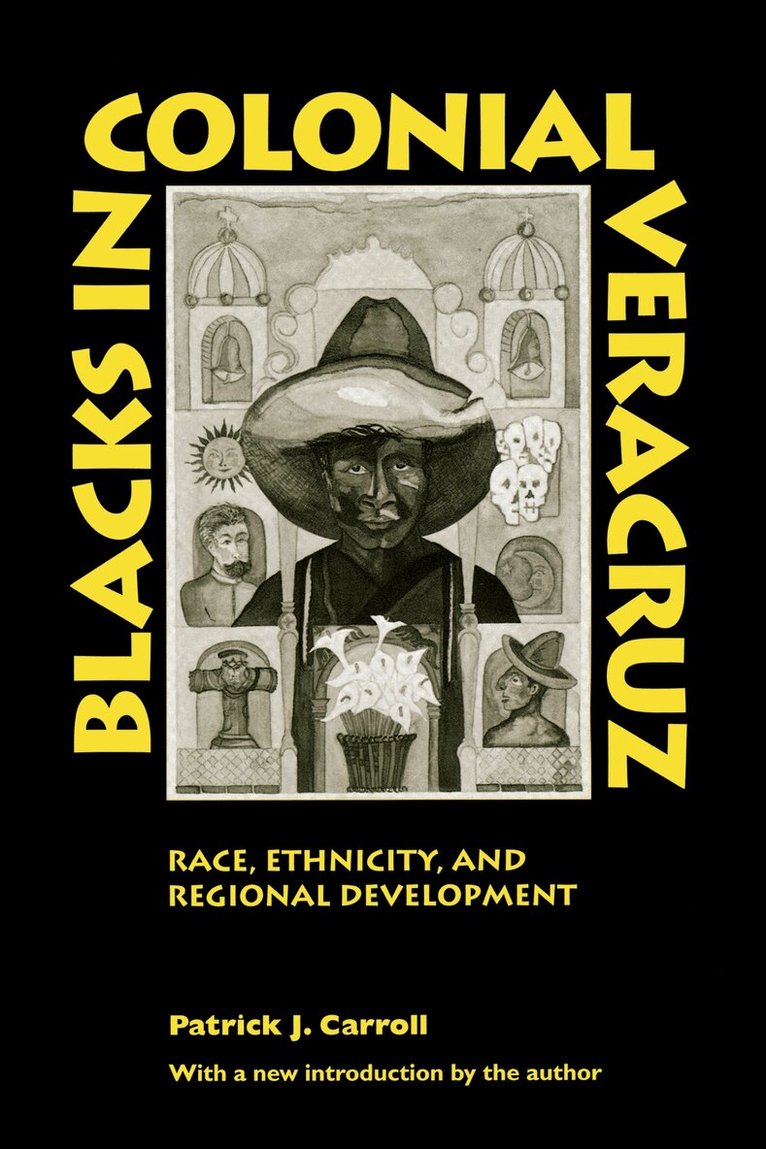
Beginning with the Spanish conquest, Mexico has become a racially complex society intermixing Indian, Spanish, and African populations. Questions of race and ethnicity have fueled much political and scholarly debate, sometimes obscuring the experiences of particular groups, especially blacks. Blacks in Colonial Veracruz seeks to remedy this omission by studying the black experience in central Veracruz during virtually the entire colonial period.The book probes the conditions that shaped the lives of inhabitants in Veracruz from the first European contact through the early formative period, colonial years, independence era, and the postindependence decade. While the primary focus is on blacks, Carroll relates their experience to that of Indians, Spaniards, and castas (racially hybrid people) to present a full picture of the interplay between local populations, the physical setting, and technological advances in the development of this important but little-studied region.
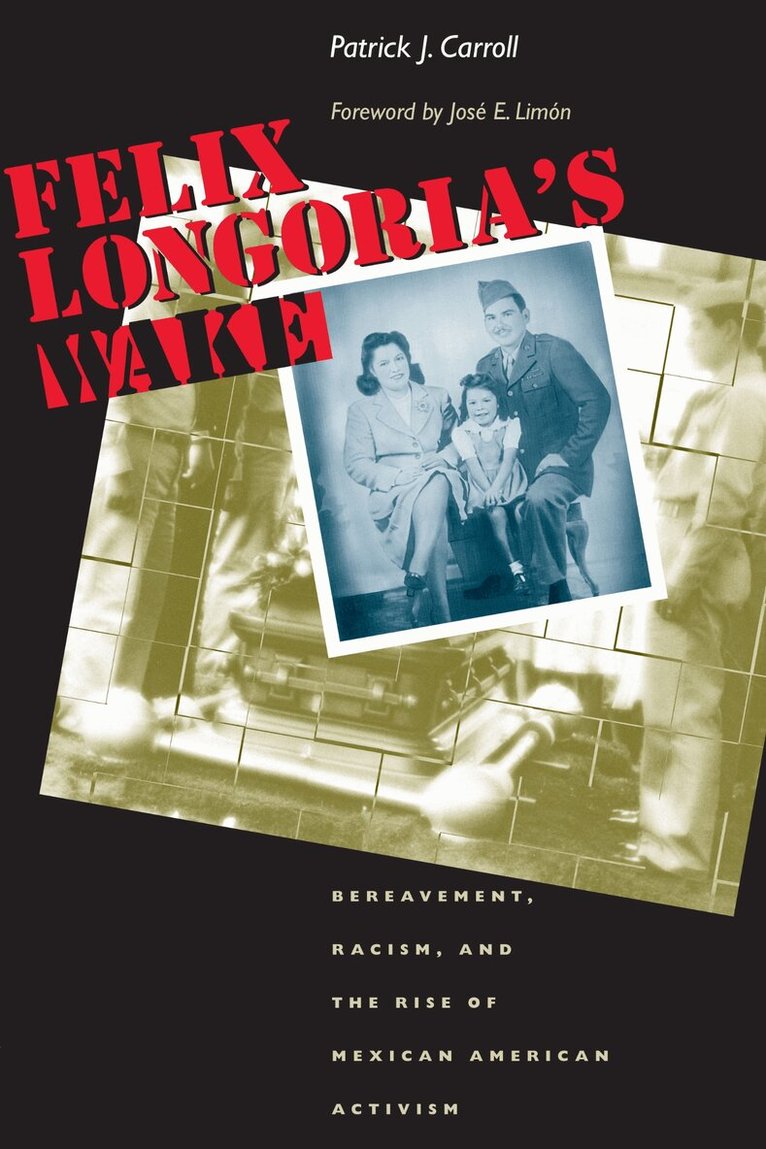
Felix Longoria's Wake
Bereavement, Racism, and the Rise of Mexican American Activism
Häftad, Engelska, 2003
301 kr
Skickas inom 10-15 vardagar
Winner, Tullis Prize, Texas State Historical Association, 2004Private First Class Felix Longoria earned a Bronze Service Star, a Purple Heart, a Good Conduct Medal, and a Combat Infantryman's badge for service in the Philippines during World War II. Yet the only funeral parlor in his hometown of Three Rivers, Texas, refused to hold a wake for the slain soldier because "the whites would not like it." Almost overnight, this act of discrimination became a defining moment in the rise of Mexican American activism. It launched Dr. HÉctor P. GarcÍa and his newly formed American G.I. Forum into the vanguard of the Mexican civil rights movement, while simultaneously endangering and advancing the career of Senator Lyndon B. Johnson, who arranged for Longoria's burial with full military honors in Arlington National Cemetery.In this book, Patrick Carroll provides the first fully researched account of the Longoria controversy and its far-reaching consequences. Drawing on extensive documentary evidence and interviews with many key figures, including Dr. GarcÍa and Mrs. Longoria, Carroll convincingly explains why the Longoria incident, though less severe than other acts of discrimination against Mexican Americans, ignited the activism of a whole range of interest groups from Argentina to Minneapolis. By putting Longoria's wake in a national and international context, he also clarifies why it became such a flash point for conflicting understandings of bereavement, nationalism, reason, and emotion between two powerful cultures-Mexicanidad and Americanism.
981 kr
Tillfälligt slut
This Handbook explores the cognitive, motivational, interpersonal, clinical, and applied aspects of personal uncertainty. It showcases both the diversity and the unity that defines contemporary perspectives on uncertainty in self within social and personality psychology. The contributions to the volume are all written by distinguished scholars in personality, social psychology, and clinical psychology united by their common focus on the causes and consequences of self-uncertainty.Chapters explore the similarities and differences between personal uncertainty and other psychological experiences in terms of their nature and relationship with human thought, emotion, motivation, and behavior. Specific challenges posed by personal uncertainty and the coping strategies people develop in their daily life are identified. There is an assessment of the potential negative and positive repercussions of coping with the specific experience of self-uncertainty, including academic, health, and relationship outcomes. Throughout, strategies specifically designed to assist others in confronting the unique challenges posed by self-uncertainty in ways that emphasize healthy psychological functioning and growth are promoted.In addition, the contributions to the Handbook touch on the psychological, social, and cultural context of the new millennium, including concepts such as Friedman’s "flat world," confidence, the absence of doubt in world leaders, the threat of terrorism since 9/11, the arts, doubt and religious belief, and views of doubt as the universal condition of humankind.The Handbook is an invaluable resource for researchers, practitioners, and senior undergraduate and graduate students in social and personality psychology, clinical and counseling psychology, educational psychology, and developmental psychology.
3 242 kr
Skickas inom 10-15 vardagar
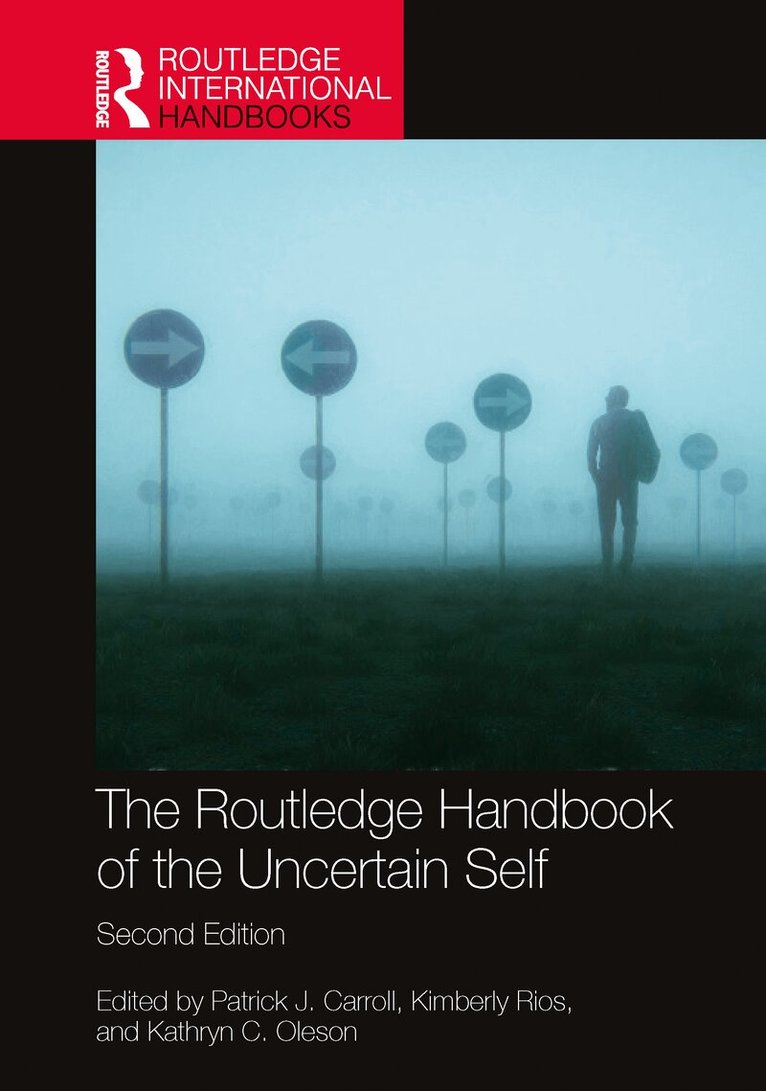
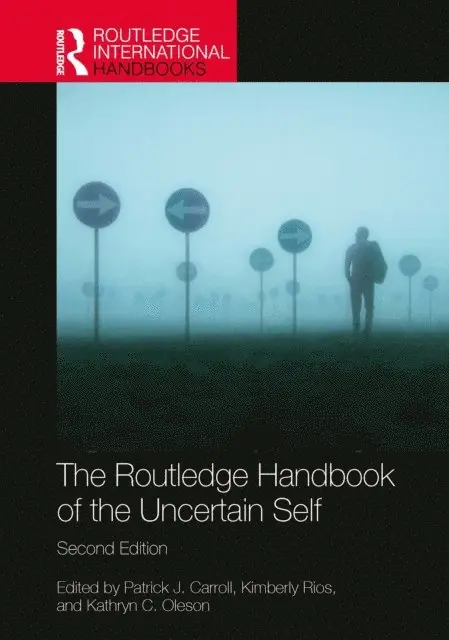
The second edition of this handbook explores the social, cognitive, motivational, interpersonal, clinical, and applied aspects of personal uncertainty. It showcases both the diversity and the unity that defines contemporary perspectives on uncertainty in self within social and personality psychology.Featuring chapters written by distinguished scholars from a range of disciplines in psychology, this book explores the similarities and differences between personal uncertainty and other psychological experiences in terms of their nature and relationship with human thought, emotion, motivation, and behavior. It takes an interactionist perspective to examine what social and personality psychology knows about the experience of self‑uncertainty in its various forms, exploring its determinants and consequences within and across individuals and groups. The new edition has been extensively revised and updated and includes new material on self‑uncertainty within intimate relationships, in groups, and within spiritual and educational contexts. There is also new content on conspiratorial thinking as well as on the uncertain self within the broader context of uncertainty associated with the COVID‑19 pandemic. Throughout, strategies specifically designed to assist others in confronting the unique challenges posed by self‑uncertainty in ways that emphasize healthy psychological functioning and growth are promoted.Featuring cutting‑edge theory and research on the determinants, experiences, and consequences of uncertainty in the self, the handbook is an invaluable resource for researchers, practitioners, and senior undergraduate and graduate students in social and personality psychology, clinical and counseling psychology, educational psychology, and developmental psychology.
481 kr
Tillfälligt slut
This Handbook explores the cognitive, motivational, interpersonal, clinical, and applied aspects of personal uncertainty. It showcases both the diversity and the unity that defines contemporary perspectives on uncertainty in self within social and personality psychology. The contributions to the volume are all written by distinguished scholars in personality, social psychology, and clinical psychology united by their common focus on the causes and consequences of self-uncertainty.Chapters explore the similarities and differences between personal uncertainty and other psychological experiences in terms of their nature and relationship with human thought, emotion, motivation, and behavior. Specific challenges posed by personal uncertainty and the coping strategies people develop in their daily life are identified. There is an assessment of the potential negative and positive repercussions of coping with the specific experience of self-uncertainty, including academic, health, and relationship outcomes. Throughout, strategies specifically designed to assist others in confronting the unique challenges posed by self-uncertainty in ways that emphasize healthy psychological functioning and growth are promoted.In addition, the contributions to the Handbook touch on the psychological, social, and cultural context of the new millennium, including concepts such as Friedman’s "flat world," confidence, the absence of doubt in world leaders, the threat of terrorism since 9/11, the arts, doubt and religious belief, and views of doubt as the universal condition of humankind.The Handbook is an invaluable resource for researchers, practitioners, and senior undergraduate and graduate students in social and personality psychology, clinical and counseling psychology, educational psychology, and developmental psychology.
4 151 kr
Skickas inom 10-15 vardagar
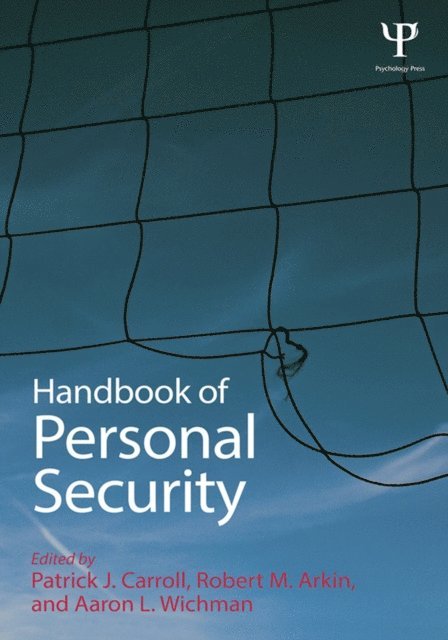
The issue of psychological security within an increasingly unstable, interconnected world has become a defining challenge of modern individual and cultural life. The terror attacks of September 11, 2001 and the global financial crisis that unfolded in 2008 have intensified a sense of global and personal insecurity. This concern with psychological insecurity is reflected in contemporary culture, politics, the business world, consumer behavior, the arts, and other areas.Within this context, the psychological sciences have kept pace, vigorously investigating these issues. This handbook features the latest theory and research examining cognitive, emotional, and behavioral responses to security threats. It expands the conceptual focus from specific security threats to the broader range of antecedents, processes, and consequences of psychological security/insecurity.The chapters are organized into four content areas: personal security in individual contexts, personal security in interpersonal contexts, personal security with cultural and health contexts, and interdisciplinary analyses of personal security. They represent a new and vibrant area of research unified by the common goal of understanding the factors that shape a sense of personal security. Together, these provocative chapters provide specific starting points that will shape future theory, policy, and practice on this dominant social issue of the 21st Century and, more importantly, offer opportunities to connect social and personality psychology to its scientific kin.
1 705 kr
Skickas inom 10-15 vardagar
The issue of psychological security within an increasingly unstable, interconnected world has become a defining challenge of modern individual and cultural life. The terror attacks of September 11, 2001 and the global financial crisis that unfolded in 2008 have intensified a sense of global and personal insecurity. This concern with psychological insecurity is reflected in contemporary culture, politics, the business world, consumer behavior, the arts, and other areas.Within this context, the psychological sciences have kept pace, vigorously investigating these issues. This handbook features the latest theory and research examining cognitive, emotional, and behavioral responses to security threats. It expands the conceptual focus from specific security threats to the broader range of antecedents, processes, and consequences of psychological security/insecurity.The chapters are organized into four content areas: personal security in individual contexts, personal security in interpersonal contexts, personal security with cultural and health contexts, and interdisciplinary analyses of personal security. They represent a new and vibrant area of research unified by the common goal of understanding the factors that shape a sense of personal security. Together, these provocative chapters provide specific starting points that will shape future theory, policy, and practice on this dominant social issue of the 21st Century and, more importantly, offer opportunities to connect social and personality psychology to its scientific kin.