Kathryn DeZur – författare
Visar alla böcker från författaren . Handla med fri frakt och snabb leverans.
5 produkter
5 produkter
Inbunden, Engelska, 2012
1 371 kr
Skickas inom 10-15 vardagar
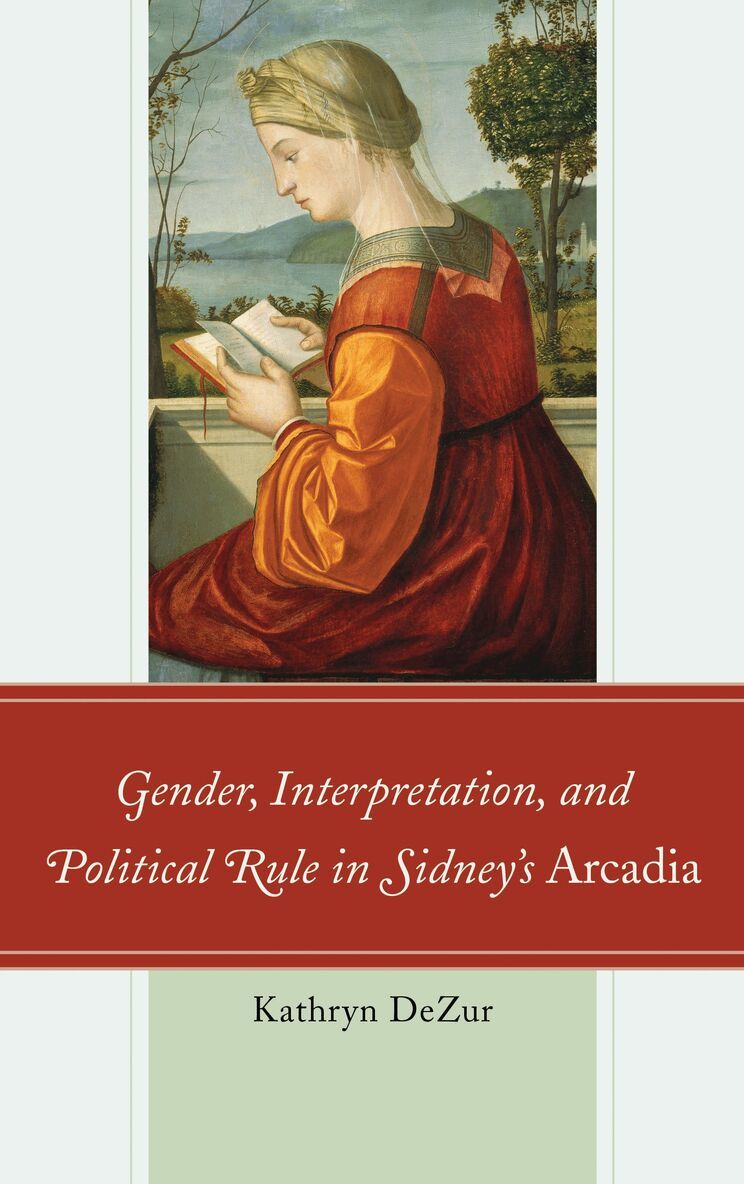
Gender, Interpretation, and Political Rule in Sidney’s Arcadia studies cultural ideologies regarding gender and monarchy in early modern England by examining transformations of a single text, Sir Philip Sidney’s Arcadia, in their historical contexts. It reveals changing tensions in the ideological struggles over queenship, especially with respect to cultural debates focused on anxieties about gendered reception and interpretation of persuasive rhetoric. The cultural shift between about 1550 and 1650 regarding gendered interpretation and political rule—a shift that was by no means complete or homogenous—reflects the changing position of women and their relationship to language within early modern domestic and political ideological discourses. The book begins by investigating primary cultural, political, and historical sources in order to provide a cultural scaffolding helpful to the interpretation of Sidney’s enormously popular work. These sources include conduct manuals, gynecocratic debates, paintings, poems, diaries, pamphlets, and letters. Gender, Interpretation, and Political Rule then considers the initial version of the Arcadia (the Old Arcadia) Sidney authored and argues that Sidney’s involvement in the marriage debate regarding the Duke of Anjou’s courtship of Elizabeth I in the late 1570s shaped his representations of female characters and their questionable ability to interpret persuasive rhetoric. Next, the book turns to Sidney’s expanded and revised version (the New Arcadia), authorized and published by his sister the Countess of Pembroke Mary Sidney Herbert. The New Arcadia ultimately provides a more positive representation of women readers and rulers and reveals a shift in cultural understandings of women’s relationship to the persuasive rhetoric that both describes and enacts political power and authority. The penultimate chapter examines paradigms of active reading and their political consequences in Lady Mary Wroth’s The Countess of Montgomery’s Urania that demonstrate a need for well-balanced identification with characters. Finally, this book focuses on a little-studied seventeenth-century continuation of Sidney’s work by a young woman, Anna Weamys, who asserts her authority as an interpreter of Sidney’s Arcadia and in the process creates a political commentary about the legitimacy of female authority and influence just after the English Civil War.
E-bok
Engelska, 2012870 kr
Läs direkt efter köp
Gender, Interpretation, and Political Rule in Sidney’s Arcadia studies cultural ideologies regarding gender and monarchy in early modern England by examining transformations of a single text, Sir Philip Sidney’s Arcadia, in their historical contexts. It reveals changing tensions in the ideological struggles over queenship, especially with respect to cultural debates focused on anxieties about gendered reception and interpretation of persuasive rhetoric. The cultural shift between about 1550 and 1650 regarding gendered interpretation and political rule—a shift that was by no means complete or homogenous—reflects the changing position of women and their relationship to language within early modern domestic and political ideological discourses. The book begins by investigating primary cultural, political, and historical sources in order to provide a cultural scaffolding helpful to the interpretation of Sidney’s enormously popular work. These sources include conduct manuals, gynecocratic debates, paintings, poems, diaries, pamphlets, and letters. Gender, Interpretation, and Political Rule then considers the initial version of the Arcadia (the Old Arcadia) Sidney authored and argues that Sidney’s involvement in the marriage debate regarding the Duke of Anjou’s courtship of Elizabeth I in the late 1570s shaped his representations of female characters and their questionable ability to interpret persuasive rhetoric. Next, the book turns to Sidney’s expanded and revised version (the New Arcadia), authorized and published by his sister the Countess of Pembroke Mary Sidney Herbert. The New Arcadia ultimately provides a more positive representation of women readers and rulers and reveals a shift in cultural understandings of women’s relationship to the persuasive rhetoric that both describes and enacts political power and authority. The penultimate chapter examines paradigms of active reading and their political consequences in Lady Mary Wroth’s The Countess of Montgomery’s Urania that demonstrate a need for well-balanced identification with characters. Finally, this book focuses on a little-studied seventeenth-century continuation of Sidney’s work by a young woman, Anna Weamys, who asserts her authority as an interpreter of Sidney’s Arcadia and in the process creates a political commentary about the legitimacy of female authority and influence just after the English Civil War.
Häftad, Engelska, 2014
810 kr
Skickas inom 10-15 vardagar
Gender, Interpretation, and Political Rule in Sidney’s Arcadia studies cultural ideologies regarding gender and monarchy in early modern England by examining transformations of a single text, Sir Philip Sidney’s Arcadia, in their historical contexts. It reveals changing tensions in the ideological struggles over queenship, especially with respect to cultural debates focused on anxieties about gendered reception and interpretation of persuasive rhetoric. The cultural shift between about 1550 and 1650 regarding gendered interpretation and political rule—a shift that was by no means complete or homogenous—reflects the changing position of women and their relationship to language within early modern domestic and political ideological discourses. The book begins by investigating primary cultural, political, and historical sources in order to provide a cultural scaffolding helpful to the interpretation of Sidney’s enormously popular work. These sources include conduct manuals, gynecocratic debates, paintings, poems, diaries, pamphlets, and letters. Gender, Interpretation, and Political Rule then considers the initial version of the Arcadia (the Old Arcadia) Sidney authored and argues that Sidney’s involvement in the marriage debate regarding the Duke of Anjou’s courtship of Elizabeth I in the late 1570s shaped his representations of female characters and their questionable ability to interpret persuasive rhetoric. Next, the book turns to Sidney’s expanded and revised version (the New Arcadia), authorized and published by his sister the Countess of Pembroke Mary Sidney Herbert. The New Arcadia ultimately provides a more positive representation of women readers and rulers and reveals a shift in cultural understandings of women’s relationship to the persuasive rhetoric that both describes and enacts political power and authority. The penultimate chapter examines paradigms of active reading and their political consequences in Lady Mary Wroth’s The Countess of Montgomery’s Urania that demonstrate a need for well-balanced identification with characters. Finally, this book focuses on a little-studied seventeenth-century continuation of Sidney’s work by a young woman, Anna Weamys, who asserts her authority as an interpreter of Sidney’s Arcadia and in the process creates a political commentary about the legitimacy of female authority and influence just after the English Civil War.
Häftad, Engelska, 2019
206 kr
Skickas inom 5-8 vardagar
Häftad, Engelska, 2026
113 kr
Kommande
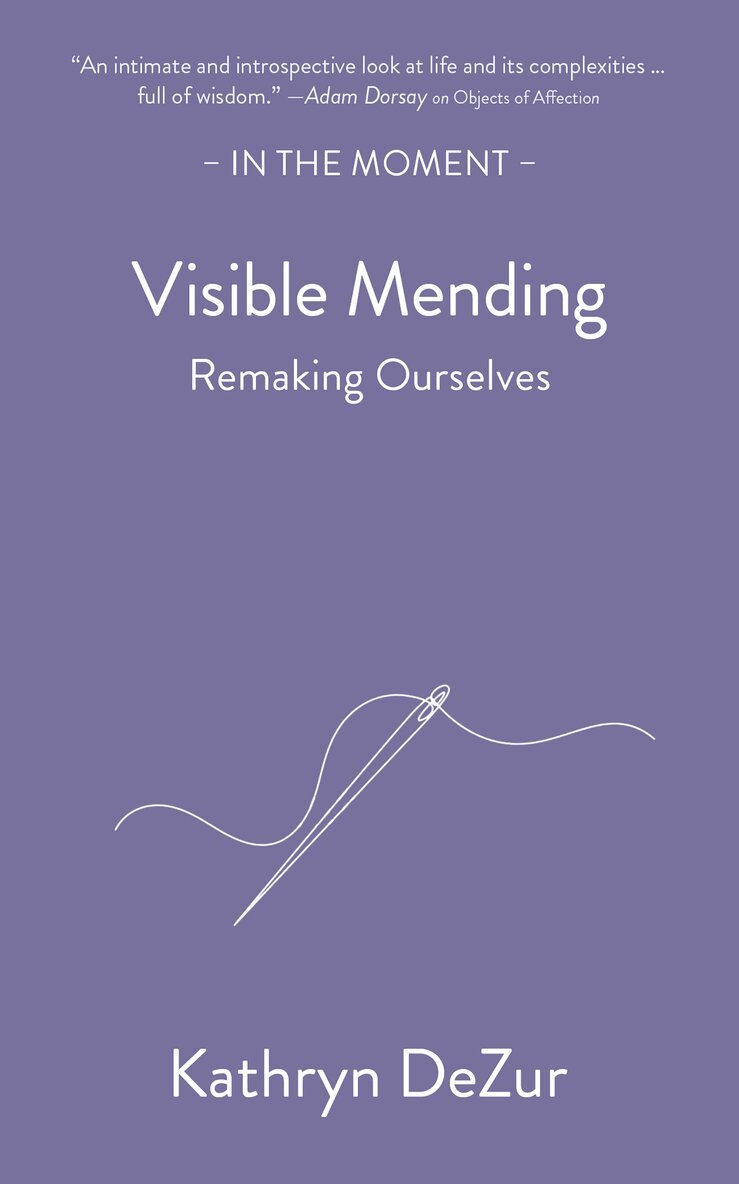
Bold, beautiful, unhidden: Visible Mending reclaims repair as an act of care, creativity, and quiet resistance. In Visible Mending, essayist, poet, and Emerita Professor Kathryn DeZur turns her keen eye for the intimate and overlooked toward the humble act of repair. Beginning with a small pile of worn, beloved garments, DeZur unspools a layered meditation on mending—not to erase damage, but to honor it.Blending memoir, textile history, and cultural critique, this book-length braided essay explores the aesthetics and ethics of visible mending within contemporary Western culture. DeZur considers how acts of repair intersect with sustainability, status, fast fashion, and the politics of bodies—touching on fatphobia, ageism, and the pressures of self-presentation. Throughout, she asks what it might mean to live—and dress—in ways that acknowledge wear, time, and transformation.At once personal and expansive, Visible Mending invites readers to reconsider the stories embedded in the things we keep, the marks we conceal, and the ways we might instead choose to make them seen.