Kathryn Harkup – författare
Visar alla böcker från författaren Kathryn Harkup. Handla med fri frakt och snabb leverans.
19 produkter
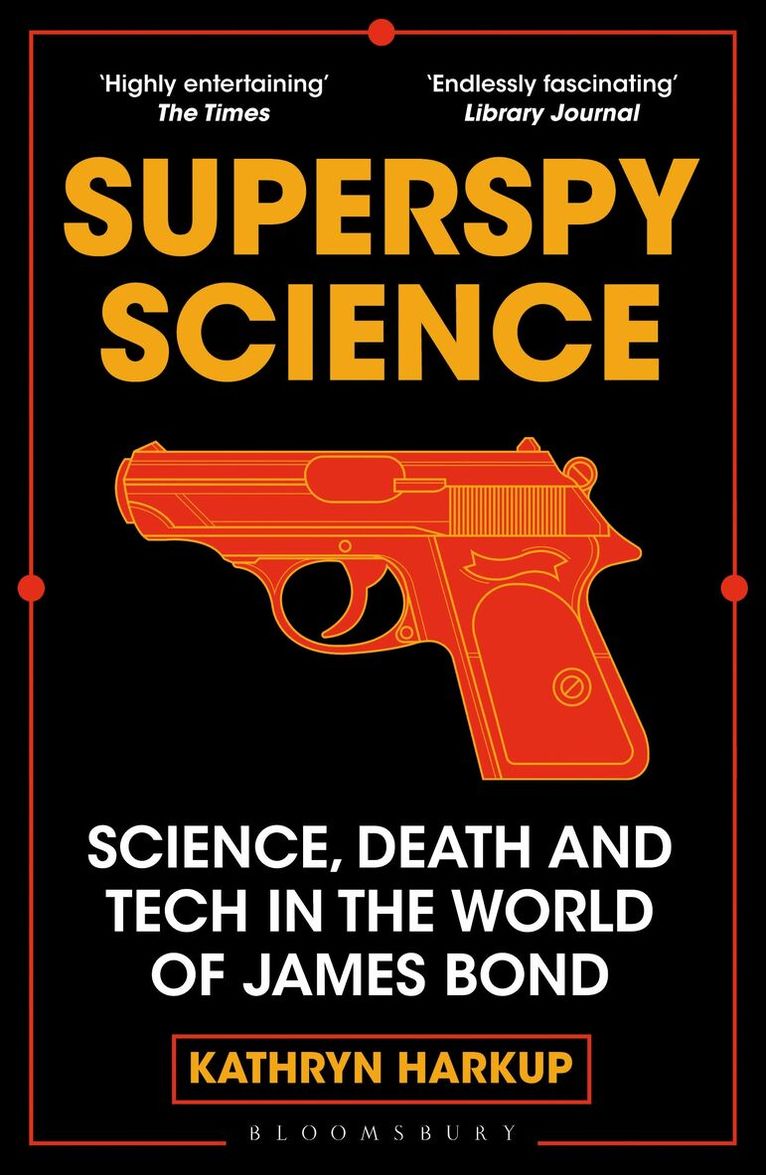
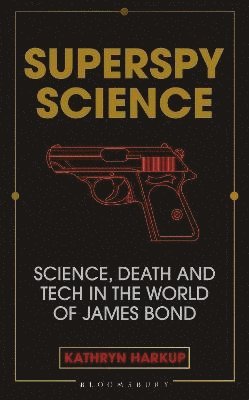
Superspy Science
Science, Death and Tech in the World of James Bond
Häftad, 2024
130 kr
Lägg i varukorg
‘Witty and well researched.’ THE TIMES‘A scientific dose of reality.’ MAIL ON SUNDAY‘A fun and comprehensive exploration.’ LINDA McROBBIE‘Endlessly fascinating.’ LIBRARY JOURNALThe science behind James Bond’s exploits – armaments, tactics, plots and enemy tech.The adventures of James Bond have …
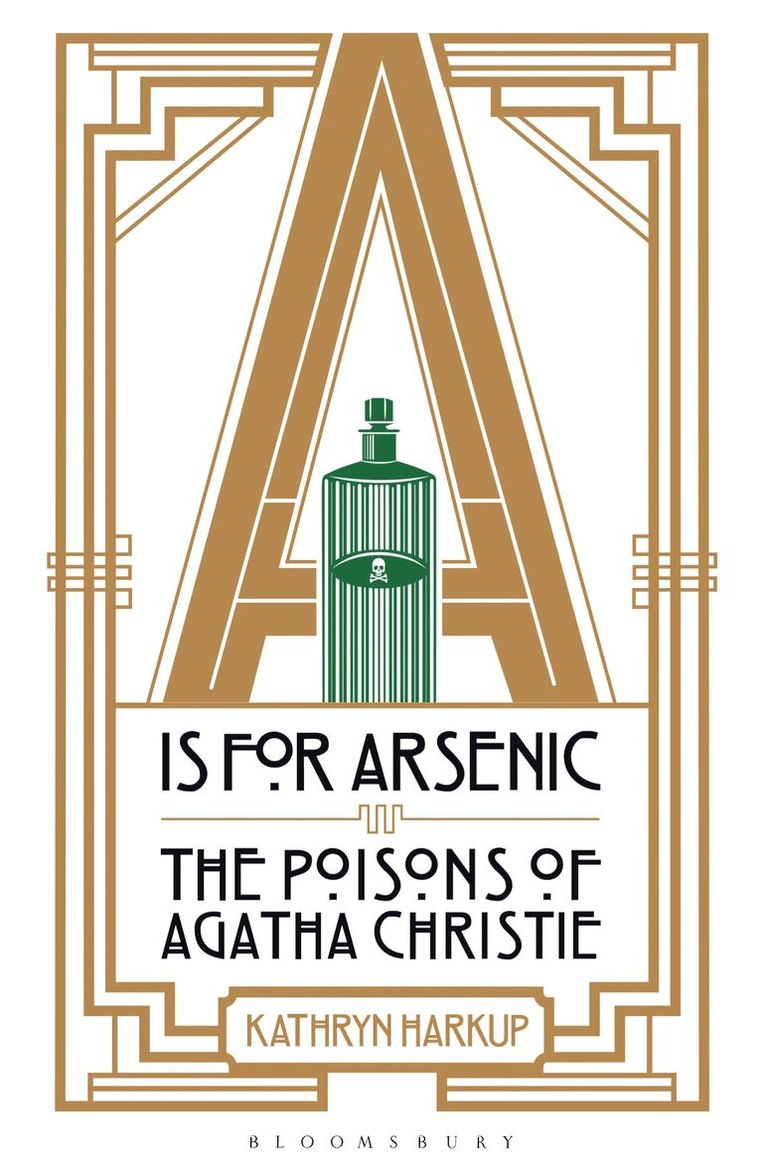
is for Arsenic
The Poisons of Agatha Christie
Häftad, 2016
148 kr
Lägg i varukorg
Shortlisted for the BMA Book Awards and Macavity Awards 2016Fourteen novels. Fourteen poisons. Just because it's fiction doesn’t mean it's all made-up ...Agatha Christie revelled in the use of poison to kill off unfortunate victims in her books; indeed, she employed it more than any other murder …
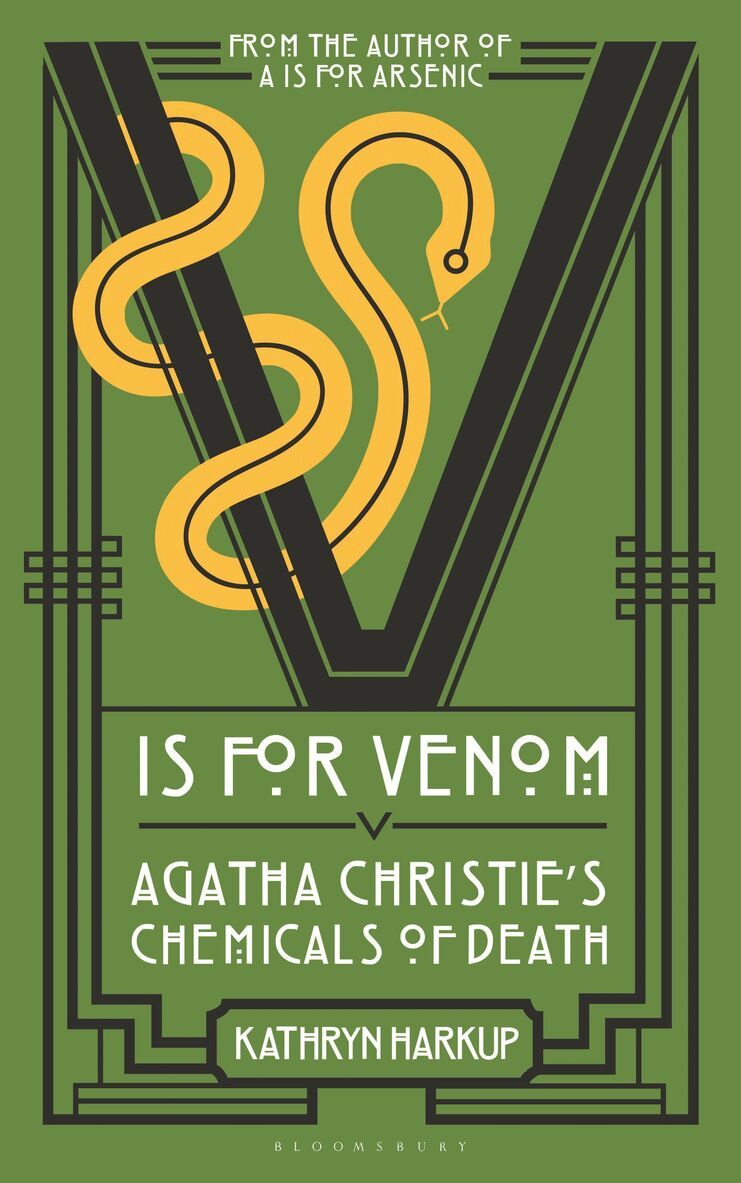
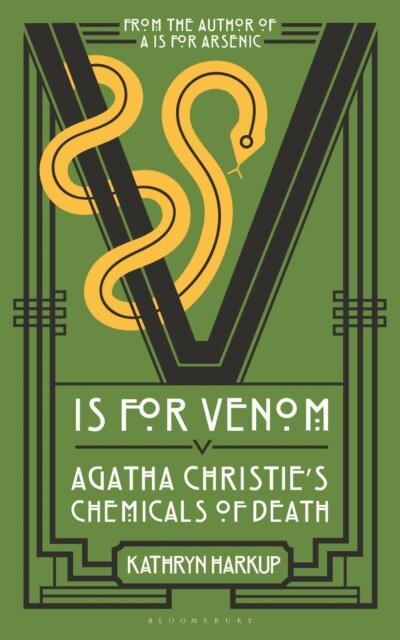
V is for Venom
Agatha Christie's Chemicals of Death
Inbunden, 2025
231 kr
Lägg i varukorg
SHORTLISTED FOR THE 2026 EDGAR ALLAN POE AWARDS (BEST CRITICAL/BIOGRAPHICAL)'Hugely entertaining and informative' MARK ALDRIDGE'Harkup balances the macabre with the scientifically intricate' NEW SCIENTISTFourteen stories. Fourteen more poisons. Just because it's fiction doesn’t mean it's all …
Superspy Science
Science, Death and Tech in the World of James Bond
E-bok, 2022
132 kr
Lägg i varukorg
''Witty and well researched.'' THE TIMES ''A scientific dose of reality.'' MAIL ON SUNDAY ''A fun and comprehensive exploration.'' LINDA McROBBIE ''Endlessly fascinating.'' LIBRARY JOURNAL The science behind James Bond''s exploits – armaments, tactics, plots and enemy tech. The adventures of James …
V is for Venom
Agatha Christie's Chemicals of Death
E-bok, 2025
214 kr
Lägg i varukorg
Fourteen stories. Fourteen more poisons. Just because it''s fiction doesn''t mean it''s all made-up ... Agatha Christie is renowned for her captivating plots and creative ways of killing off ill-fated victims. And what better way to add intrigue to a story than poison? The surreptitious ways they …
V is for Venom
Agatha Christie's Chemicals of Death
Häftad, 2026
157 kr
Lägg i varukorg
SHORTLISTED FOR THE 2026 EDGAR ALLAN POE AWARDS (BEST CRITICAL/BIOGRAPHICAL)'Hugely entertaining and informative' MARK ALDRIDGE'Harkup balances the macabre with the scientifically intricate' NEW SCIENTISTFourteen stories. Fourteen more poisons. Just because it's fiction doesn’t mean it's all …
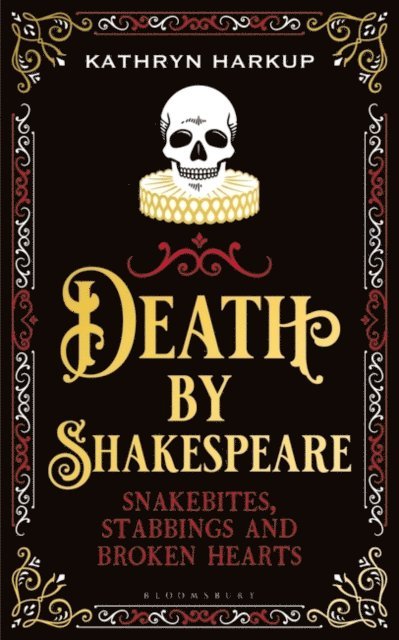
Death By Shakespeare
Snakebites, Stabbings and Broken Hearts
Häftad, 2022
159 kr
Lägg i varukorg
A deep dive into the science behind the creative ways Shakespeare killed off his characters.William Shakespeare found dozens of different ways to kill off his characters, and audiences today still enjoy the same reactions – shock, sadness, fear – that they did more than 400 years ago when these …
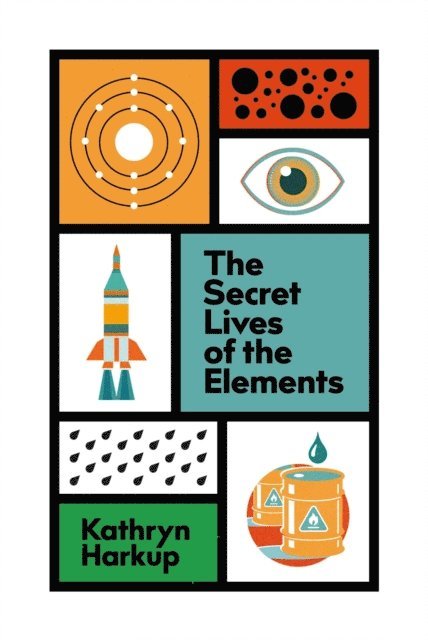
Secret Lives of the Elements
Häftad, 2025
147 kr
Lägg i varukorg
'The perfect book to escape our human-sized existence and take a tour of the atomic world instead.' Helen Arney, science comedian and broadcasterWhen we think of the periodic table we picture orderly rows of elements that conform to type and never break the rules. In this book Kathryn Harkup …
V is for Venom
Agatha Christie's Chemicals of Death
E-bok, 2025
210 kr
Lägg i varukorg
Fourteen stories. Fourteen more poisons. Just because it''s fiction doesn''t mean it''s all made-up ... Agatha Christie is renowned for her captivating plots and creative ways of killing off ill-fated victims. And what better way to add intrigue to a story than poison? The surreptitious ways they …
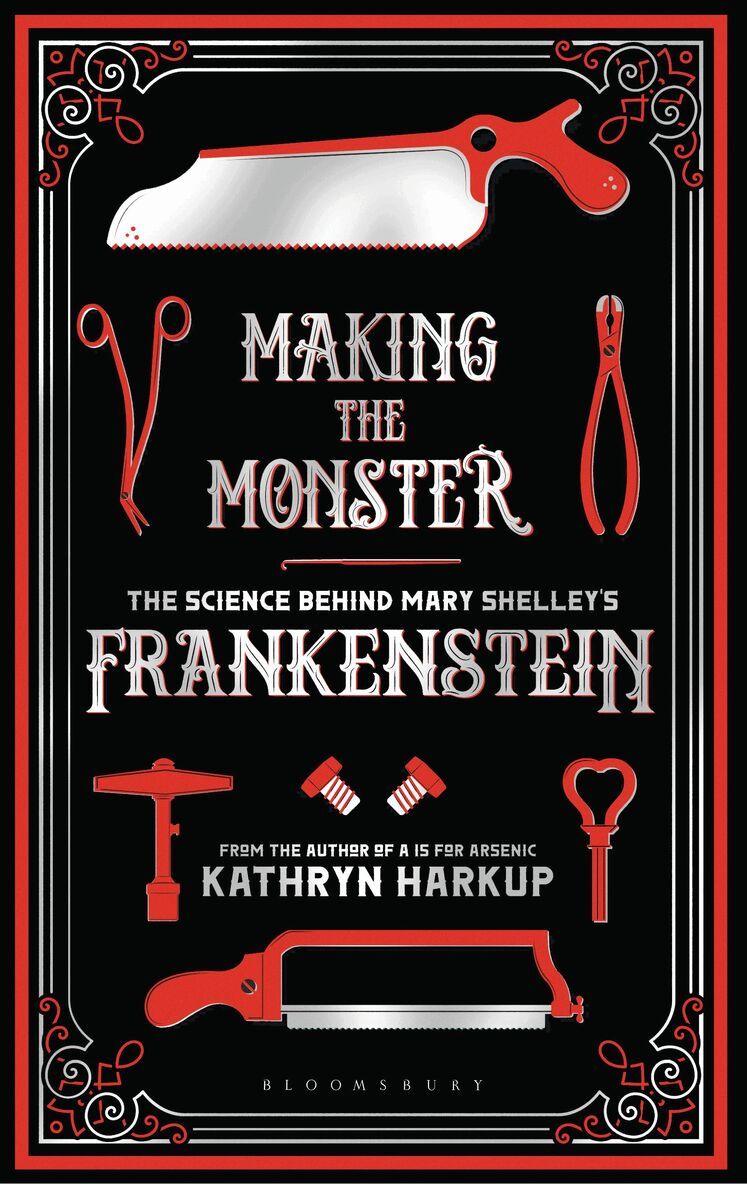
Making the Monster
The Science Behind Mary Shelley's Frankenstein
E-bok, 2018
253 kr
Lägg i varukorg
A thrilling and gruesome look at the science that influenced Mary Shelley''s Frankenstein. The year 1818 saw the publication of one of the most influential science-fiction stories of all time. Frankenstein: or, The Modern Prometheus by Mary Shelley had a huge impact on the gothic horror and …
Making the Monster
The Science Behind Mary Shelley's Frankenstein
Häftad, 2019
244 kr
Lägg i varukorg
A thrilling and gruesome look at the science that influenced Mary Shelley's Frankenstein.The year 1818 saw the publication of one of the most influential science-fiction stories of all time. Frankenstein: or, The Modern Prometheus by Mary Shelley had a huge impact on the gothic horror and …
Death By Shakespeare
Snakebites, Stabbings and Broken Hearts
E-bok, 2020
164 kr
Lägg i varukorg
A deep dive into the science behind the creative ways Shakespeare killed off his characters. William Shakespeare found dozens of different ways to kill off his characters, and audiences today still enjoy the same reactions – shock, sadness, fear – that they did more than 400 years ago when these …
Superspy Science
Science, Death and Tech in the World of James Bond
Häftad, 2022
150 kr
Lägg i varukorg
‘Witty and well researched.’ THE TIMES ‘A scientific dose of reality.’ MAIL ON SUNDAY ‘A fun and comprehensive exploration.’ LINDA McROBBIE ‘Endlessly fascinating.’ LIBRARY JOURNAL The science behind James Bond’s exploits – armaments, tactics, plots and enemy tech. The adventures of James Bond have …
Secret Lives of the Elements
Inbunden, 2021
190 kr
Lägg i varukorg
'A delightful and engaging treasure trove of a book that brings the chemical elements to life and gives them personalities of their own. A wonderful read for young and old alike to get you inspired by chemistry.' Jim Al-Khalili 'The perfect book to escape our human-sized existence and take a tour …
Secret Lives of the Elements
E-bok, 2021
45 kr
Lägg i varukorg
''The perfect book to escape our human-sized existence and take a tour of the atomic world instead.'' Helen Arney, science comedian and broadcaster When we think of the periodic table we picture orderly rows of elements that conform to type and never break the rules. In this book Kathryn Harkup …
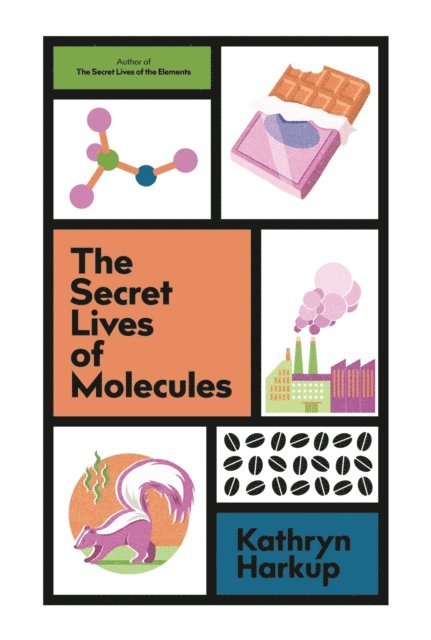
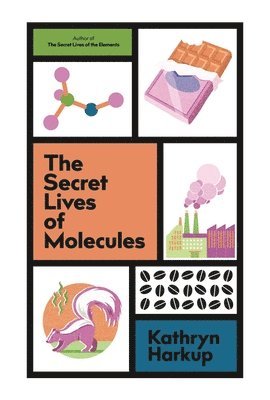
Secret Lives of Molecules
E-bok, 2023
44 kr
Lägg i varukorg
What happens when you really get under the skin of the world around you? Everything that surrounds us - and we ourselves - are made of molecules, constructed from a limited set of elements that can combine to form an almost limitless kaleidoscope of possibilities. Dr Kathryn Harkup reveals the …
Secret Lives of Molecules
Inbunden, 2023
212 kr
Lägg i varukorg
What happens when you really get under the skin of the world around you? Everything that surrounds us - and we ourselves - are made of molecules, constructed from a limited set of elements that can combine to form an almost limitless kaleidoscope of possibilities.Dr Kathryn Harkup reveals the inner …
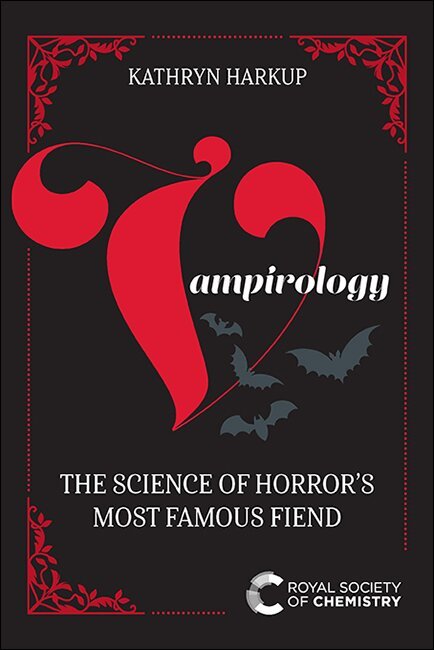
Vampirology
The Science of Horror's Most Famous Fiend
Häftad, 2021
309 kr
Lägg i varukorg
Our fascination with the vampire myth has scarcely diminished since Bram Stoker’s publication of the classic Dracula tale in 1897, but how much of the lore is based in fact and can science explain the origins of horror’s most famous fiend? Vampirology charts the murky waters of the vampire myth – …
Vampirology
The Science of Horror''s Most Famous Fiend
E-bok, 2021
375 kr
Lägg i varukorg
Our fascination with the vampire myth has scarcely diminished since Bram Stoker’s publication of the classic Dracula tale in 1897, but how much of the lore is based in fact and can science explain the origins of horror’s most famous fiend? Vampirology charts the murky waters of the vampire myth – …