Kathryn Warner - Böcker
Visar alla böcker från författaren Kathryn Warner. Handla med fri frakt och snabb leverans.
23 produkter
23 produkter
181 kr
Skickas inom 7-10 vardagar
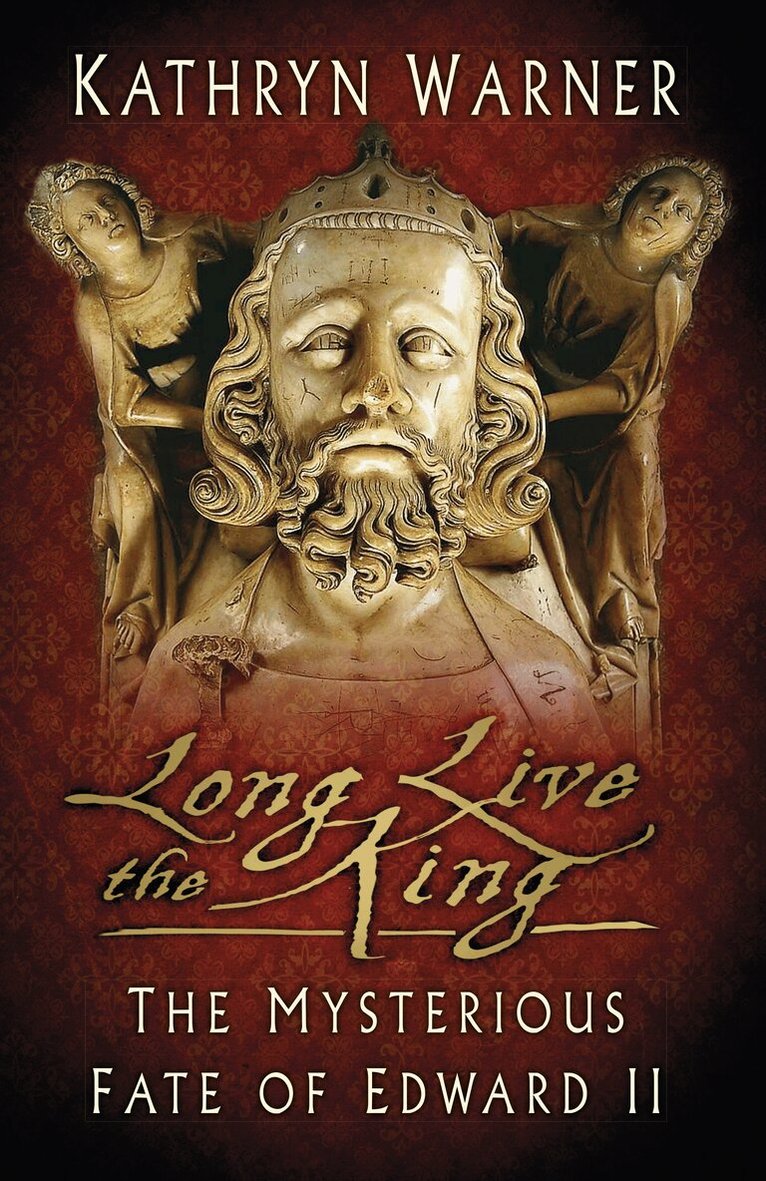
Edward II’s murder at Berkeley Castle in 1327 is one of the most famous and lurid tales in all of English history. But is it true? For over five centuries, few people questioned it, but with the discovery in a Montpellier archive of a remarkable document, an alternative narrative has presented itself: that Edward escaped from Berkeley Castle and made his way to an Italian hermitage.In Long Live the King, medieval historian Kathryn Warner explores in detail Edward’s downfall and forced abdication in 1326/27, the role possibly played by his wife Isabella of France, the wide variation in chronicle accounts of his murder at Berkeley Castle and the fascinating possibility that Edward lived on in Italy for many years after his official funeral was held in Gloucester in December 1327.
181 kr
Skickas inom 7-10 vardagar
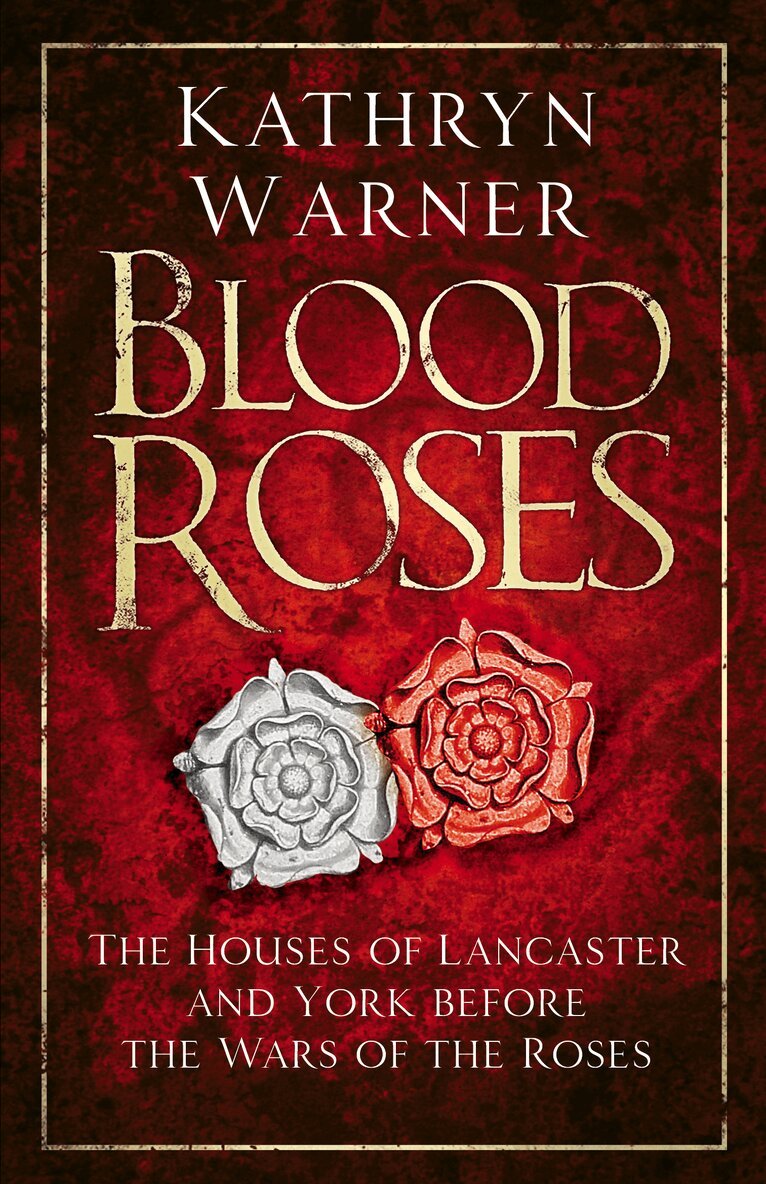
The Wars of the Roses didn’t start on the battlefield: Blood Roses traces it back to the beginning.Starting in 1245 with the founding of the House of Lancaster, Kathryn Warner follows a twisted path of political intrigue, bloody war and fascinating characters over 200 years. From the Barons’ Wars to the overthrowing of Edward II, Eleanor of Castile to Isabella of France, and true love to Loveday, Blood Roses reframes some of the biggest events of the medieval era – not as stand-alone conflicts, but as part of a long-running family feud that would have drastic consequences.
235 kr
Skickas
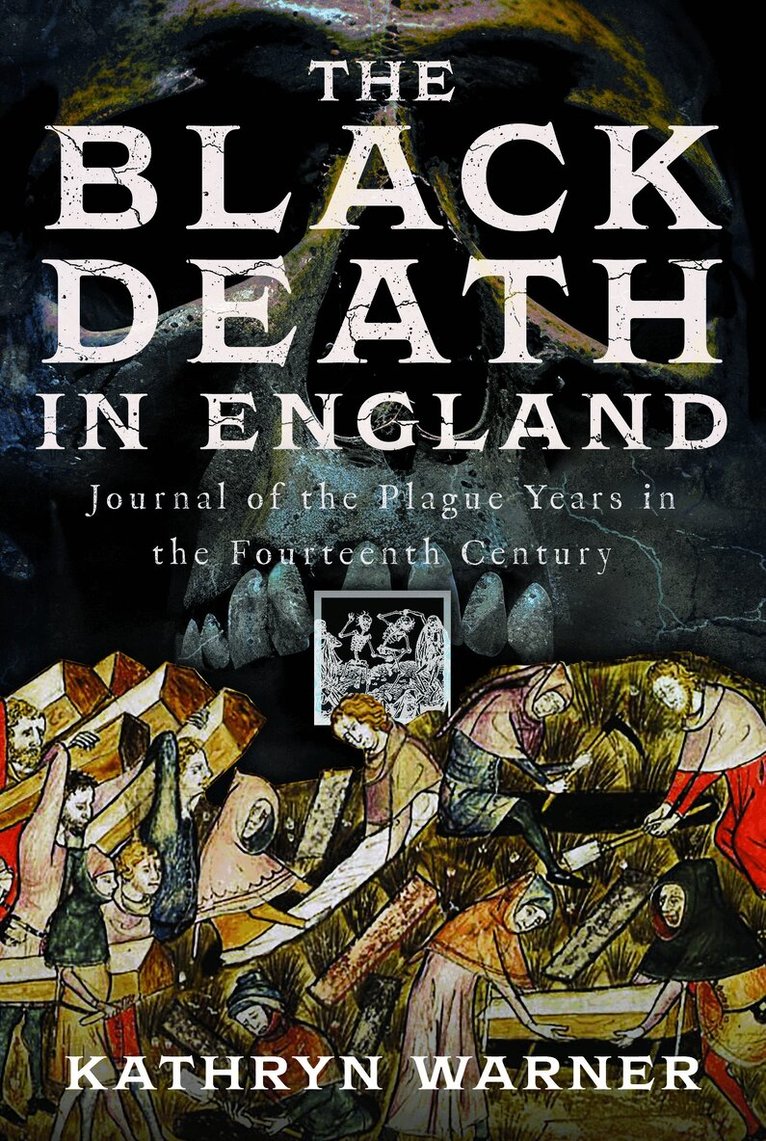
We have all heard of the Black Death and how it scythed its way through England and the rest of Europe in the late 1340s, and we hear that a third or perhaps even half of the entire English population died in this terrible pandemic. However the numbers are so vast that the victims become little more than statistics. They blur into a kind of unreality, a mute testimony to a catastrophe beyond imagination or comprehension. The Black Death in England aims to rectify this by giving names to some of the people who died in the fourteenth-century epidemics of the Plague Years and recognises those who lived through it, recreating something of their lives and what they went through.
121 kr
Skickas
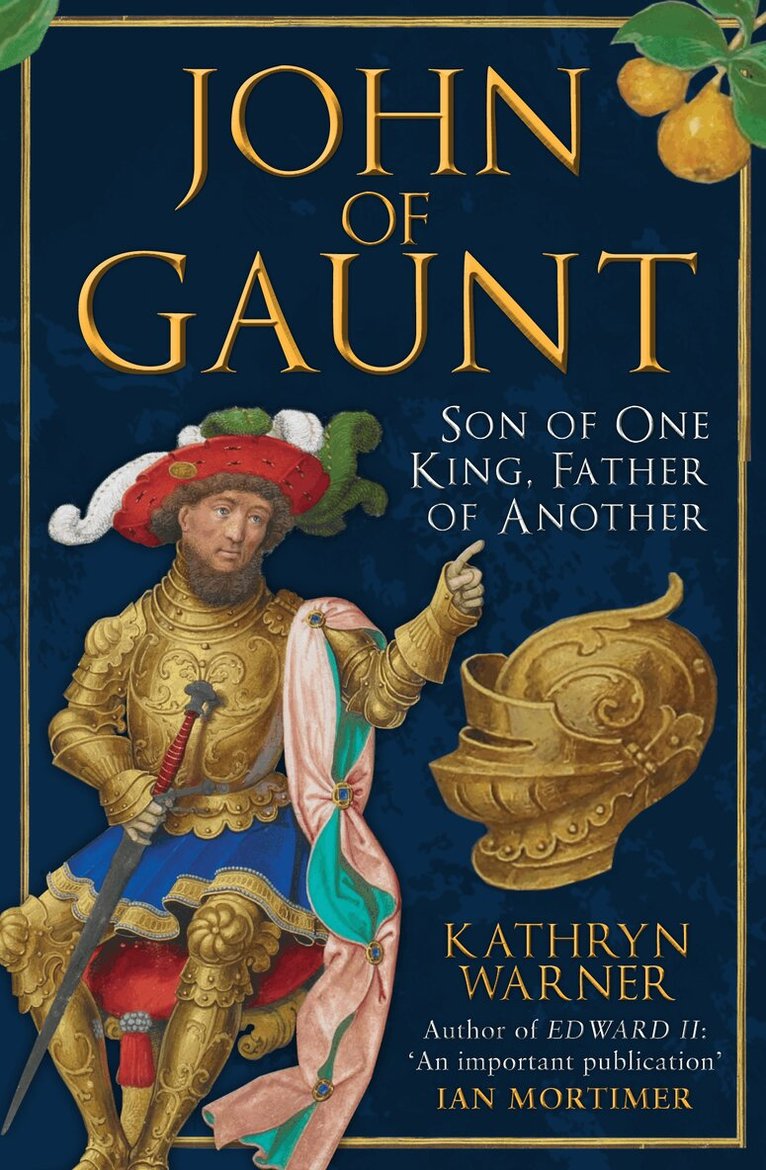
‘Old John of Gaunt, time-honour’d Lancaster’John of Gaunt (1340–1399) was the son of one king and the father of another. He claimed a Spanish kingdom via his wife, daughter of King Pedro the Cruel. He was the wealthiest, most powerful and most hated man in England for decades. He had a famous and enduring love affair with his mistress Katherine Swynford, whom he later married. He was sometimes the ally and sometimes the enemy of his capricious nephew Richard II. His descendants battled for control of the kingdom during the Wars of the Roses. Via his three marriages, he was the ancestor of numerous royal and noble families across Europe.John of Gaunt is the first biography of this most intriguing of men to appear for decades, and the first to tell his personal story.
163 kr
Tillfälligt slut
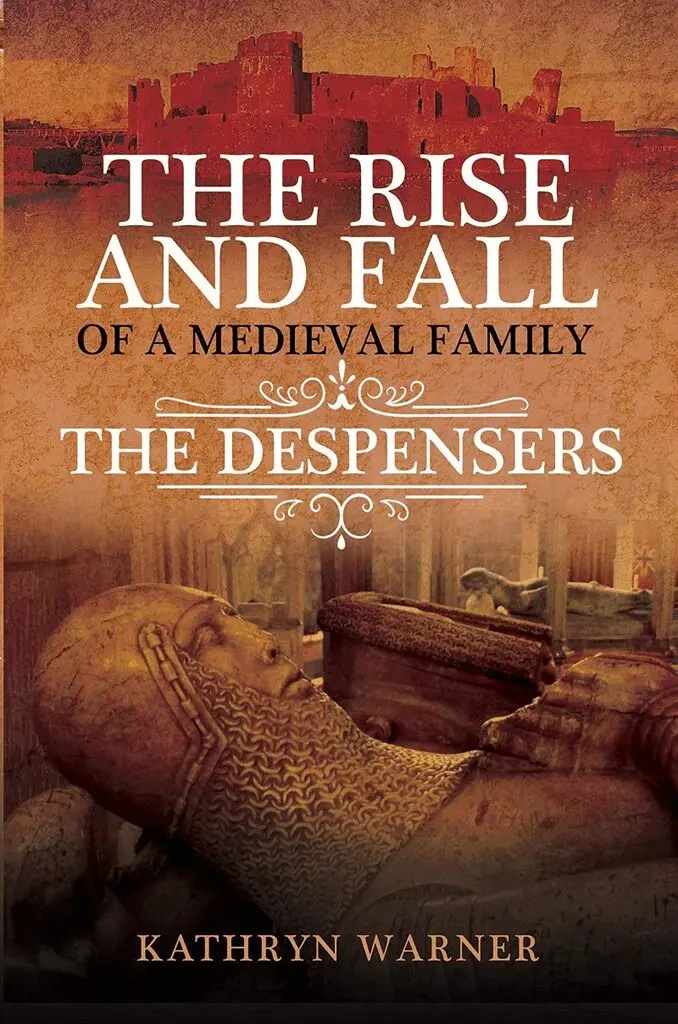
The Despensers were a baronial English family who rose to great prominence in the reign of Edward II (1307-27) when Hugh Despenser the Younger became the king's chamberlain, favourite and perhaps lover. He and his father Hugh the Elder wielded great influence, and Hugh the Younger's greed and tyranny brought down a king for the first time in English history and almost destroyed his own family. _Rise and Fall of a Medieval Family_ tells the story of the ups and downs of this fascinating family from the thirteenth to the fifteenth centuries, when three Despenser lords were beheaded and two fell in battle. We begin with Hugh the justiciar, who died rebelling against King Henry III and his son in 1265, and end with Thomas Despenser, summarily beheaded in 1400 after attempting to free a deposed Richard II, and Thomas's posthumous daughter Isabella, a countess twice over and the grandmother of Richard III's queen.From the medieval version of Prime Ministers to the (possible) lovers of monarchs, the aristocratic Despenser family wielded great power in medieval England. Drawing on the popular intrigue and infamy of the Despenser clan, Kathryn Warner's book traces the lives of the most notorious, powerful and influential members of this patrician family over a 200-year span.
157 kr
Kommande
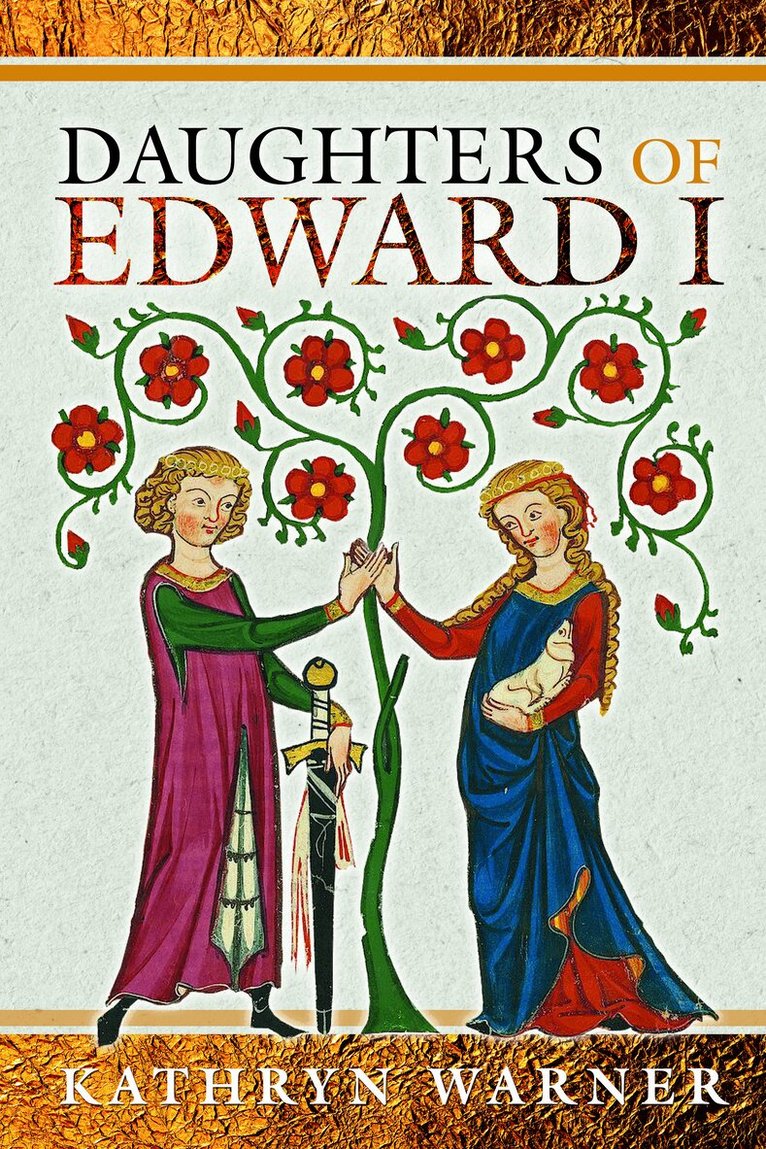
In 1254 the teenage heir to the English throne married a Spanish bride, the sister of the king of Castile, in Burgos, and their marriage of thirty-six years proved to be one of the great royal romances of the Middle Ages. Edward I of England and Leonor of Castile had at least fourteen children together, though only six survived into adulthood, five of them daughters.Daughters of Edward I traces the lives of these five capable, independent women, including Joan of Acre, born in the Holy Land, who defied her father by marrying a second husband of her own choice, and Mary, who did not let her forced veiling as a nun stand in the way of the life she really wanted to live. The women's stories span the decades from the 1260s to the 1330s, through the long reign of their father, the turbulent reign of their brother Edward II, and into the reign of their nephew, the child-king Edward III.
163 kr
Skickas
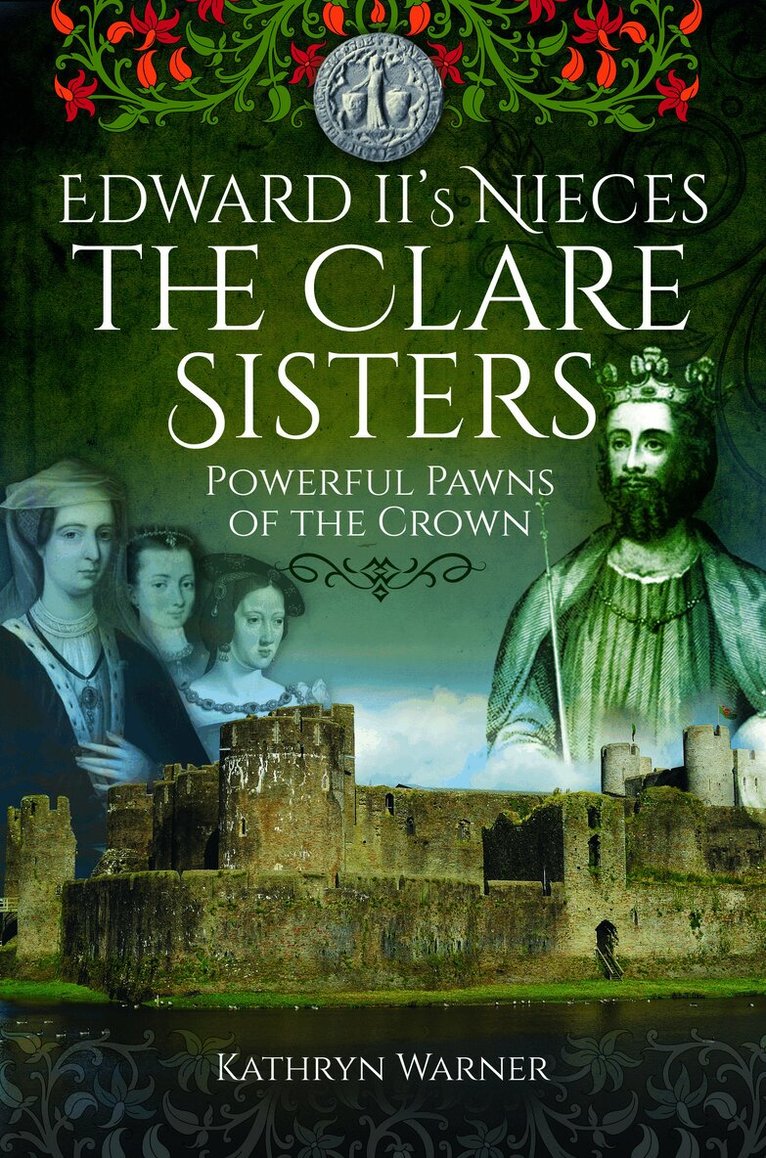
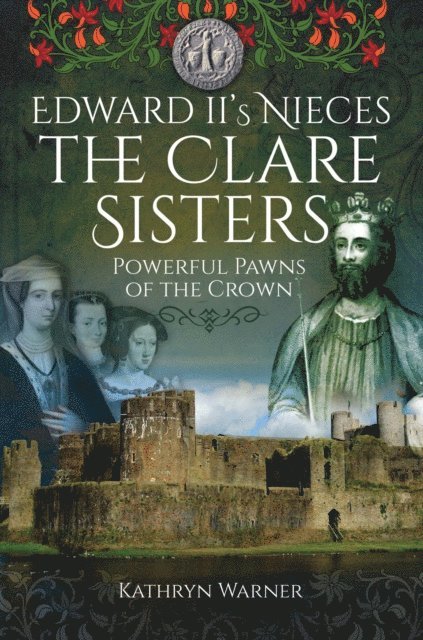
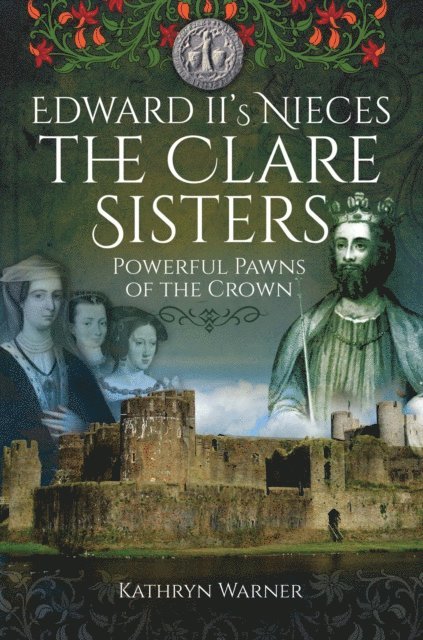
The de Clare sisters Eleanor, Margaret and Elizabeth were born in the 1290s as the eldest granddaughters of King Edward I of England and his Spanish queen Eleanor of Castile, and were the daughters of the greatest nobleman in England, Gilbert ‘the Red’ de Clare, earl of Gloucester. They grew to adulthood during the turbulent reign of their uncle Edward II, and all three of them were married to men involved in intense, probably romantic or sexual, relationships with their uncle.When their elder brother Gilbert de Clare, earl of Gloucester, was killed during their uncle’s catastrophic defeat at the battle of Bannockburn in June 1314, the three sisters inherited and shared his vast wealth and lands in three countries, but their inheritance proved a poisoned chalice. Eleanor and Elizabeth, and Margaret’s daughter and heir, were all abducted and forcibly married by men desperate for a share of their riches, and all three sisters were imprisoned at some point either by their uncle Edward II or his queen Isabella of France during the tumultuous decade of the 1320s. Elizabeth was widowed for the third time at twenty-six, lived as a widow for just under forty years, and founded Clare College at the University of Cambridge.
163 kr
Skickas
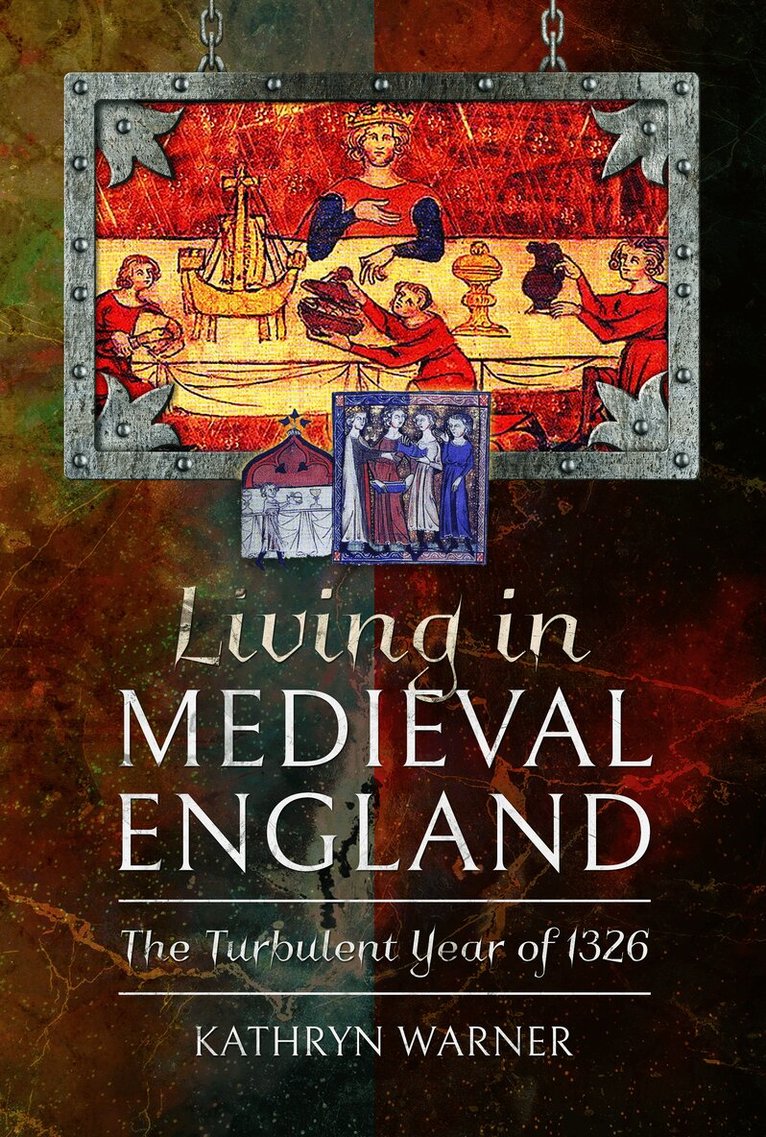
1326 was one of the most dramatic years in English history. The queen of England, Isabella of France, invaded the country with an army of mercenaries to destroy her husband's powerful and detested lover, Hugh Despenser the Younger, and brought down her husband King Edward II in the process. It was also a year, however, when the majority of English people carried on living their normal, ordinary lives: Eleyne Glaswreghte ran her own successful glass-making business in London, Jack Cressing the master carpenter repaired the beams in a tower of Kenilworth Castle, Alis Coleman sold her best ale at a penny and a half for a gallon in Byfleet, and Will Muleward made the king 'laugh greatly' when he spent time with him at a wedding in Marlborough. England sweltered in one of the hottest, driest summers of the Middle Ages, a whale washed ashore at Walton-on-the-Naze, and the unfortunate John Toly died when he relieved himself out of the window of his London house at midnight, and lost his balance.Living in Medieval England: The Turbulent Year of 1326 tells the true and fascinating stories of the men and women alive in England in this most eventful year, narrated chronologically with a chapter devoted to each month.
266 kr
Skickas
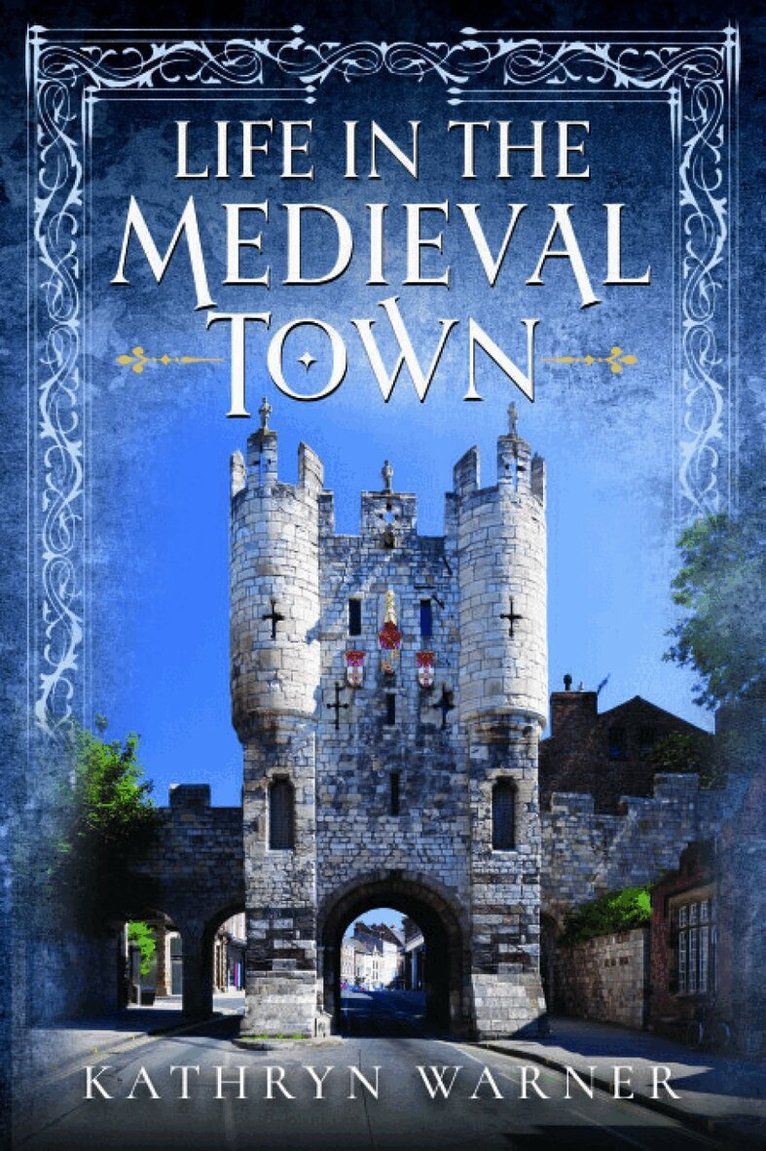
An original work of social history focusing on numerous fascinating aspects of life in an English town in the late Middle Ages.Welcome to a world which ordered people not to leave their homes after nightfall and not to let their pigs wander the streets, where butchers who sold bad meat to the public were locked into a pillory with the meat burning beneath them, and where dirt heaps, common scolds, and attempts to cure diseases with dead animal flesh were a normal part of life. Were medieval towns really as filthy as we might think? If not, how did people wash themselves and their clothes? What did being drawn on the hurdle mean? What did people eat, and where did they buy it? What happened to criminals? Did women work outside the home, and if so, in which professions? What were people’s houses like? How did they entertain themselves? How much did they earn, and how much did things cost? What kind of medical treatment was available? Did people travel to other towns, and if so, how did they get there?
214 kr
Skickas inom 11-20 vardagar
Isabella of France married Edward II in January 1308, and afterwards became one of the most notorious women in English history. In 1325, she was sent to her homeland to negotiate a peace settlement between her husband and her brother Charles IV, king of France. She refused to return. Instead, she began a relationship with her husband’s deadliest enemy, the English baron Roger Mortimer. With the king’s son and heir, the future Edward III, under their control, the pair led an invasion of England which ultimately resulted in Edward II’s forced abdication in January 1327. Isabella and Mortimer ruled England during Edward III’s minority until he overthrew them in October 1330.A rebel against her own husband and king, and regent for her son, Isabella was a powerful, capable and intelligent woman. She forced the first ever abdication of a king in England, and thus changed the course of English history. Examining Isabella’s life with particular focus on her revolutionary actions in the 1320s, this book corrects the many myths surrounding her and provides a vivid account of this most fascinating and influential of women.
168 kr
Skickas inom 11-20 vardagar
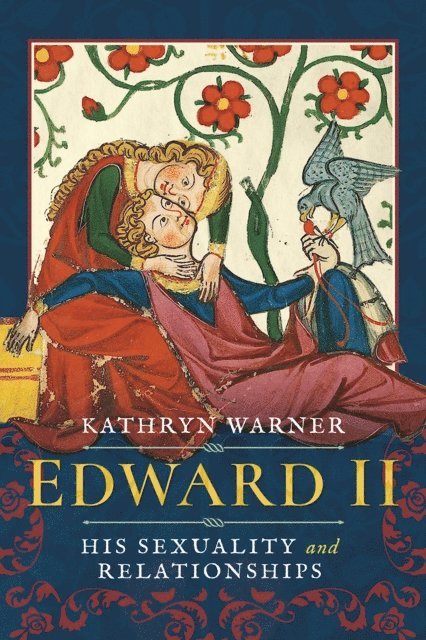
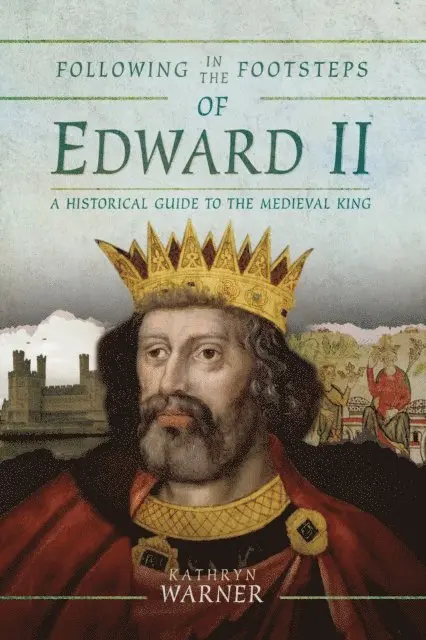
He is one of the most reviled English kings in history. He drove his kingdom to the brink of civil war a dozen times in less than twenty years. He allowed his male lovers to rule the kingdom. He led a great army to the most ignominious military defeat in English history. His wife took a lover and invaded his kingdom, and he ended his reign wandering around Wales with a handful of followers, pursued by an army. He was the first king of England forced to abdicate his throne. Popular legend has it that he died screaming impaled on a red-hot poker, but in fact the time and place of his death are shrouded in mystery. His life reads like an Elizabethan tragedy, full of passionate doomed love, bloody revenge, jealousy, hatred, vindictiveness and obsession.He was Edward II, and this book tells his story. Using almost exclusively fourteenth-century sources and Edward’s own letters and speeches wherever possible, Kathryn Warner strips away the myths which have been created about him over the centuries, and provides a far more accurate and vivid picture of him than has previously been seen.
163 kr
Skickas
Isabella of France married Edward II in January 1308, and afterwards became one of the most notorious women in English history. In 1325, she was sent to her homeland to negotiate a peace settlement between her husband and her brother Charles IV, king of France. She refused to return. Instead, she began a relationship with her husband’s deadliest enemy, the English baron Roger Mortimer. With the king’s son and heir, the future Edward III, under their control, the pair led an invasion of England which ultimately resulted in Edward II’s forced abdication in January 1327. Isabella and Mortimer ruled England during Edward III’s minority until he overthrew them in October 1330.A rebel against her own husband and king, and regent for her son, Isabella was a powerful, capable and intelligent woman. She forced the first ever abdication of a king in England, and thus changed the course of English history. Examining Isabella’s life with particular focus on her revolutionary actions in the 1320s, this book corrects the many myths surrounding her and provides a vivid account of this most fascinating and influential of women.
221 kr
Skickas inom 11-20 vardagar
Richard II is a figure famous in England's national myths – the king who went insane, the narcissist, the tyrant of Shakespeare's play. History regards his rule either as that of a superhuman monarch or a crazed and vicious ruler. But Richard II was a complex and conflicted man – a person with faults and shortcomings thrust into a role that demanded greatness. In this book, Kathryn Warner returns with the first modern biography of Richard II in decades, to paint a portrait of the king with all of his strengths and imperfections left in the picture. An aesthete and patron of the arts as well as a person troubled by a much-maligned ‘personality disorder’, Richard II here emerges from behind the mask of a theatrical character.
221 kr
Skickas inom 11-20 vardagar
Philippa of Hainault: Mother of the English Nation is the first full-length biography of the queen at the centre of the some of the most dramatic events in English history. Philippa's marriage to Edward III was arranged in order to provide ships and mercenaries for her mother-in-law to invade her father-in-law’s kingdom in 1326, yet it became one of the most successful royal marriages and endured for more than four decades. The chronicler Jean Froissart described her as, ‘The most gentle Queen, most liberal, and most courteous that ever was Queen in her days.’Philippa stood by her husband’s side as he began a war against her uncle, Philip VI of France, and claimed his throne. She frequently accompanied him to France and Flanders during his early campaigns of the Hundred Years War. She also acted as regent in 1346 when Edward was away from his kingdom at the time of a Scottish invasion. She appeared on horseback to rally the English army to victory.Philippa became popular with the people due to her kindness and compassion. This popularity helped maintain peace in England throughout Edward's reign. Her son, later known as the Black Prince - the eldest of her thirteen children - became one of the greatest warriors of the Middle Ages. Her extraordinary life did not escape tragedy: in 1348 three of her children died, almost certainly of the Black Death.
125 kr
Skickas
He is one of the most reviled English kings in history. He drove his kingdom to the brink of civil war a dozen times in less than twenty years. He allowed his male lovers to rule the kingdom. He led a great army to the most ignominious military defeat in English history. His wife took a lover and invaded his kingdom, and he ended his reign wandering around Wales with a handful of followers, pursued by an army. He was the first king of England forced to abdicate his throne. Popular legend has it that he died screaming impaled on a red-hot poker, but in fact the time and place of his death are shrouded in mystery. His life reads like an Elizabethan tragedy, full of passionate doomed love, bloody revenge, jealousy, hatred, vindictiveness and obsession.He was Edward II, and this book tells his story. Using almost exclusively fourteenth-century sources and Edward’s own letters and speeches wherever possible, Kathryn Warner strips away the myths which have been created about him over the centuries, and provides a far more accurate and vivid picture of him than has previously been seen.
214 kr
Skickas inom 11-20 vardagar
‘Old John of Gaunt, time-honour’d Lancaster’John of Gaunt (1340-1399) was the son of one king and the father of another. He claimed a Spanish kingdom via his wife, daughter of King Pedro the Cruel. He was the wealthiest, most powerful and most hated man in England for decades. He had a famous and enduring love affair with his mistress Katherine Swynford, whom he later married. He was sometimes the ally and sometimes the enemy of his capricious nephew Richard II. His descendants battled for control of the kingdom during the Wars of the Roses. Via his three marriages, he was the ancestor of numerous royal and noble families across Europe. John of Gaunt is the first biography of this most intriguing of men to appear for decades, and the first to tell his personal story.
121 kr
Skickas
Isabella of France married Edward II in January 1308, and afterwards became one of the most notorious women in English history. In 1325, she was sent to her homeland to negotiate a peace settlement between her husband and her brother Charles IV, king of France. She refused to return. Instead, she began a relationship with her husband’s deadliest enemy, the English baron Roger Mortimer. With the king’s son and heir, the future Edward III, under their control, the pair led an invasion of England which ultimately resulted in Edward II’s forced abdication in January 1327. Isabella and Mortimer ruled England during Edward III’s minority until he overthrew them in October 1330.A rebel against her own husband and king, and regent for her son, Isabella was a powerful, capable and intelligent woman. She forced the first ever abdication of a king in England, and thus changed the course of English history. Examining Isabella’s life with particular focus on her revolutionary actions in the 1320s, this book corrects the many myths surrounding her and provides a vivid account of this most fascinating and influential of women.
266 kr
Skickas
The Despensers were a baronial English family who rose to great prominence in the reign of Edward II (1307-27) when Hugh Despenser the Younger became the king's chamberlain, favourite and perhaps lover. He and his father Hugh the Elder wielded great influence, and Hugh the Younger's greed and tyranny brought down a king for the first time in English history and almost destroyed his own family. Rise and Fall tells the story of the ups and downs of this fascinating family from the thirteenth to the fifteenth centuries, when three Despenser lords were beheaded and two fell in battle. We begin with Hugh the justiciar, who died rebelling against King Henry III and his son in 1265, and end with Thomas Despenser, summarily beheaded in 1400 after attempting to free a deposed Richard II, and Thomas's posthumous daughter Isabella, a countess twice over and the grandmother of Richard III's queen.From the medieval version of Prime Ministers to the (possible) lovers of monarchs, the aristocratic Despenser family wielded great power in medieval England. Drawing on the popular intrigue and infamy of the Despenser clan, Kathryn Warner's book traces the lives of the most notorious, powerful and influential members of this patrician family over a 200 year span.
266 kr
Skickas
In 1254 the teenage heir to the English throne married a Spanish bride, the sister of the king of Castile, in Burgos, and their marriage of thirty-six years proved to be one of the great royal romances of the Middle Ages. Edward I of England and Leonor of Castile had at least fourteen children together, though only six survived into adulthood, five of them daughters._Daughters of Edward I_ traces the lives of these five capable, independent women, including Joan of Acre, born in the Holy Land, who defied her father by marrying a second husband of her own choice, and Mary, who did not let her forced veiling as a nun stand in the way of the life she really wanted to live. The women's stories span the decades from the 1260s to the 1330s, through the long reign of their father, the turbulent reign of their brother Edward II, and into the reign of their nephew, the child-king Edward III.
168 kr
Skickas
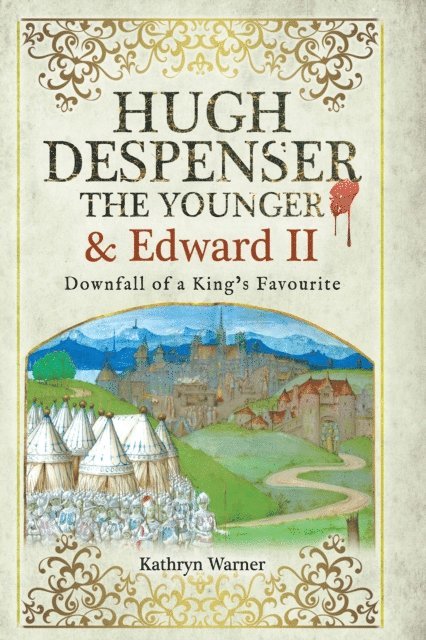
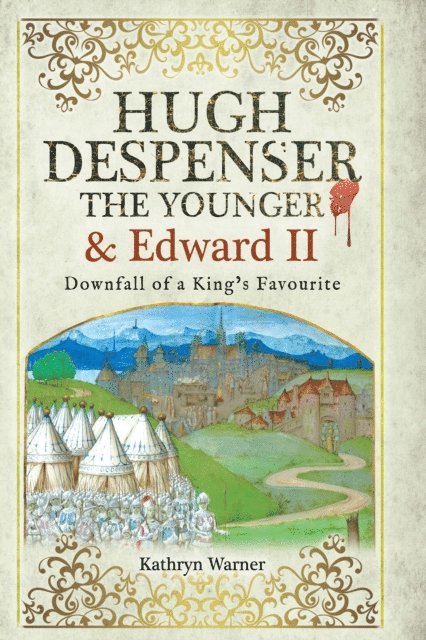
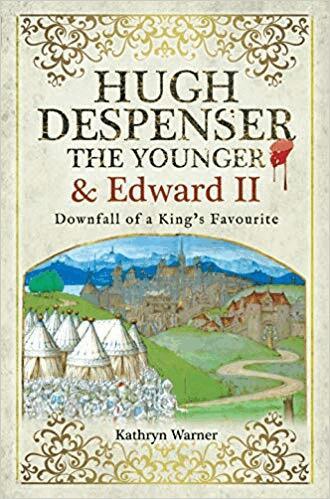
Hugh Despenser the Younger and Edward II tells the story of the greatest villain of the fourteenth century', his dazzling rise as favourite to the king and his disastrous fall.Born in the late 1280s, Hugh married King Edward I of England's eldest granddaughter when he was a teenager. Ambitious and greedy to an astonishing degree, Hugh chose a startling route to power: he seduced his wife's uncle, the young King Edward II, and became the richest and most powerful man in the country in the 1320s. For years he dominated the English government and foreign policy, and took whatever lands he felt like by both quasi-legal and illegal methods, with the king's connivance. His actions were to bring both himself and Edward II down, and Hugh was directly responsible for the first forced abdication of a king in English history; he had made the horrible mistake of alienating and insulting Edward's queen Isabella of France, who loathed him, and who had him slowly and grotesquely executed in her presence in November 1326.
266 kr
Skickas
The Brienne/Beaumonts, a noble family originally from Champagne, spread across Europe and the Eastern Mediterranean in the Middle Ages. Their story begins with John de Brienne (c. 1175/78-1237), who was the emperor of Constantinople, became king of Jerusalem by marriage, and claimed the throne of a kingdom in modern-day Turkey called Armenian Cilicia. His life, his children and his grandchildren’s lives were remarkably international. His daughters were born in Italy and what is now Lebanon; one of his sons, who grew up in Constantinople, France and Spain, was the stepfather of the king of Scotland; one of his grandchildren was the king of Germany, Italy and Sicily; and several other grandchildren settled in England, where one married a Scottish heiress and was the great-grandfather of a king of England and an English-born queen of Portugal. The Beaumonts tells the story of the places where the Brienne/Beaumont family settled and held influence between the twelfth and fourteenth centuries. It begins in the Crusader states and moves to the Latin Empire of Constantinople, the Holy Roman Empire, Spain, France, Scotland, and England.
214 kr
Tillfälligt slut
For the medieval period that was witness to a legion of political and natural disasters, the rise and fall of empires across the globe and one of the most devastating and greatest pandemics human kind has ever experienced, the fourteenth century was transformative.Peering through the looking-glass to focus on one of Europe's largest medieval cities, and centre of an international melting pot on the global stage, this is a social history of England's (in)famous capital and its multi-cultural residents in the first half of the fourteenth century. Using a rich variety of important sources that provide first-hand accounts of everyday life and personal interactions between loved ones, friends, foreigners and foes alike, such as the Assize of Nuisance, Coroners' Rolls, wills, household accounts, inquisitions post mortem and many more, this chronicle begins at the start of the fourteenth century and works its way up to the first mass outbreak of the Black Death at the end of the 1340s. It is a narrative that builds a vivid, multi-layered picture of London's inhabitants who lived in one of the most turbulent and exciting periods in European history.
242 kr
Skickas
Edward III may be known for his restoration of English kingly authority after the disastrous and mysterious fall of his father, Edward II, and eventual demise of his mother, Queen Isabella. It was Edward III who arguably put England on the map as a military might. This show of power and strength was not simply through developments in government, success in warfare or the establishment of the Order of the Garter, which fused ideals of chivalry and national identity to form camaraderie between king and peerage. The expansion of England as a formidable European powerhouse was also achieved through the traditional lines of political marriages, particularly those of the king of England's own granddaughters.This is a joint biography of nine of those women who lived between 1355 and 1440, and their dramatic, turbulent lives. One was queen of Portugal and was the mother of the Illustrious Generation; one married into the family of her parents' deadly enemies and became queen of Castile; one became pregnant by the king of England's half-brother while married to someone else, and her third husband was imprisoned for marrying her without permission; one was widowed at about 24 when her husband was summarily beheaded by a mob, and some years later bore an illegitimate daughter to an earl; one saw her marriage annulled so that her husband could marry a Bohemian lady-in-waiting; one was born illegitimate, had sixteen children, and was the grandmother of two kings of England.