Katja Castryck-Naumann – författare
Visar alla böcker från författaren Katja Castryck-Naumann. Handla med fri frakt och snabb leverans.
4 produkter
4 produkter
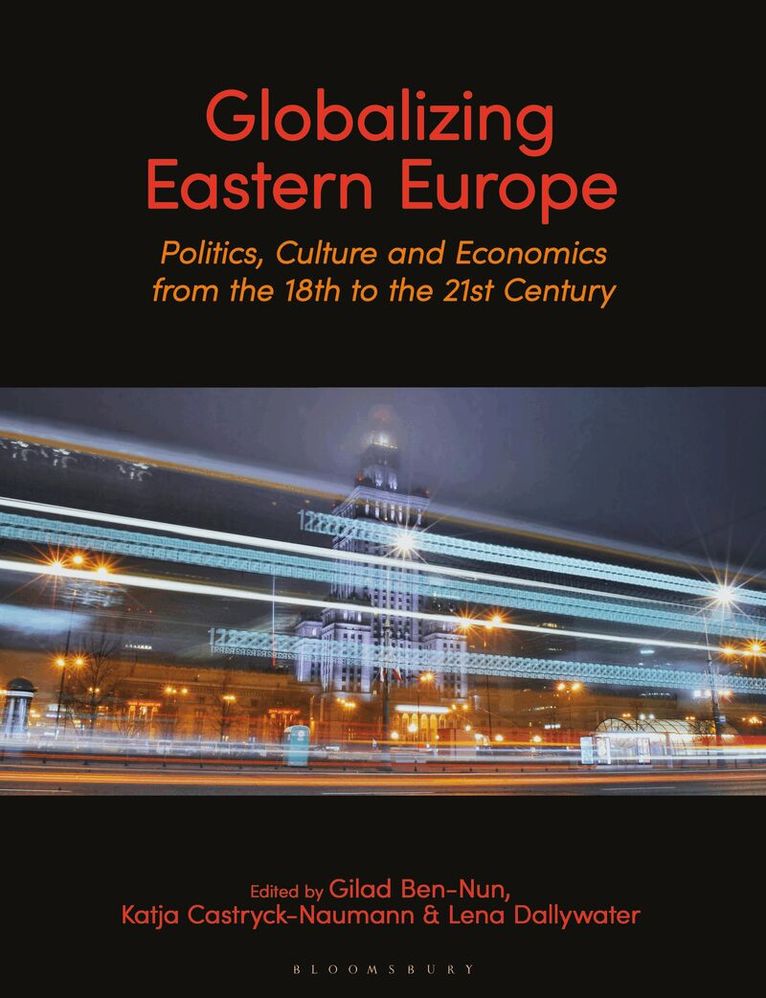
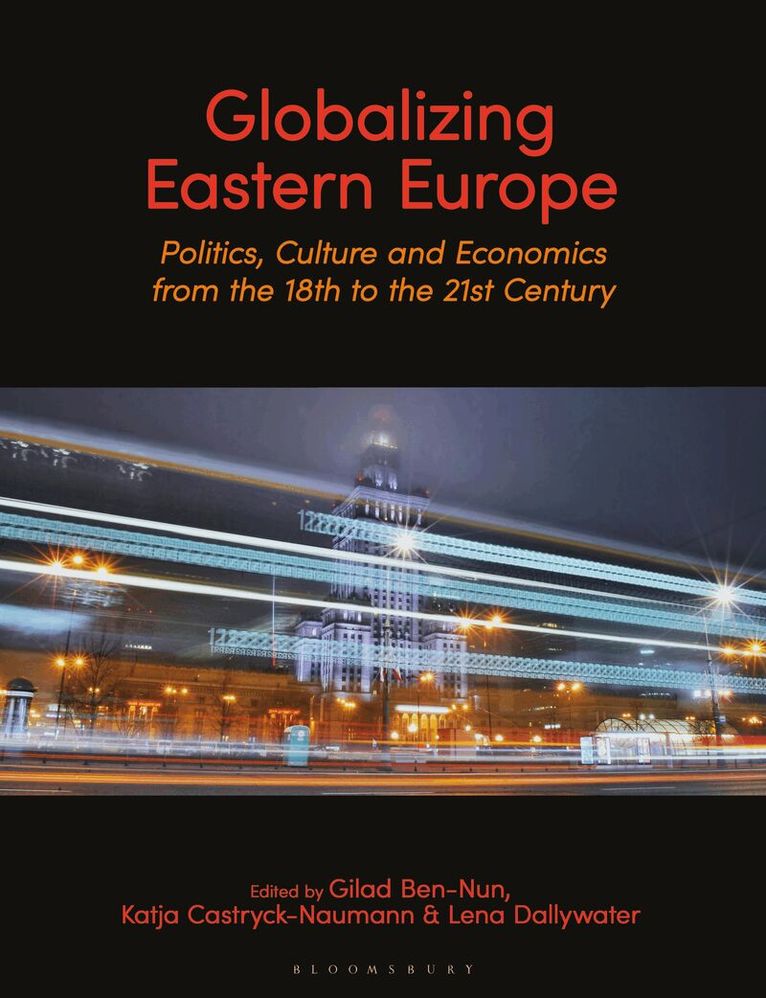
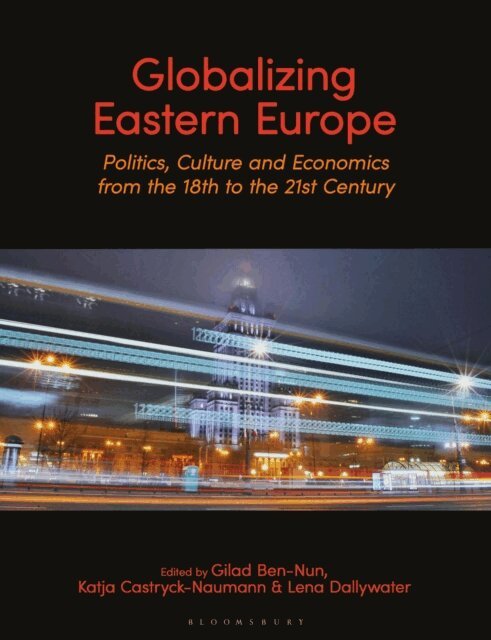
Globalizing Eastern Europe
Politics, Culture and Economics from the 18th to the 21st Century
Inbunden, Engelska, 2025
875 kr
Skickas inom 10-15 vardagar
For far too long, views of Eastern Europe as a negligible and peripheral region have shaped popular perceptions of this part of the world. Presenting new research, Globalizing Eastern Europe: Politics, Culture and Economics from the 18th to the 21st Century offers refreshing arguments to counter such misconceptions. Global politics and international law have been profoundly shaped by the experiences and expertise that emanated from this region. Migration to and from Eastern Europe, has fostered deep ties with neighbouring and distant societies, as have this area’s literature and music. The importance of its agricultural development has reverberated in the global economy. This volume recasts Eastern Europe as a global region. It shows how people from this part of the world shaped the 'global', and how in turn, the 'global' shaped them. Authors from a range of disciplines, chart century-long traditions of entanglements and contemporary interactions. In doing so, this book further enriches the perennial debates regarding this region’s spatial boundaries.
Globalizing Eastern Europe
Politics, Culture and Economics from the 18th to the 21st Century
Häftad, Engelska, 2025
299 kr
Skickas inom 5-8 vardagar
For far too long, views of Eastern Europe as a negligible and peripheral region have shaped popular perceptions of this part of the world. Presenting new research, Globalizing Eastern Europe: Politics, Culture and Economics from the 18th to the 21st Century offers refreshing arguments to counter such misconceptions. Global politics and international law have been profoundly shaped by the experiences and expertise that emanated from this region. Migration to and from Eastern Europe, has fostered deep ties with neighbouring and distant societies, as have this area’s literature and music. The importance of its agricultural development has reverberated in the global economy. This volume recasts Eastern Europe as a global region. It shows how people from this part of the world shaped the 'global', and how in turn, the 'global' shaped them. Authors from a range of disciplines, chart century-long traditions of entanglements and contemporary interactions. In doing so, this book further enriches the perennial debates regarding this region’s spatial boundaries.
1 022 kr
Skickas inom 5-8 vardagar
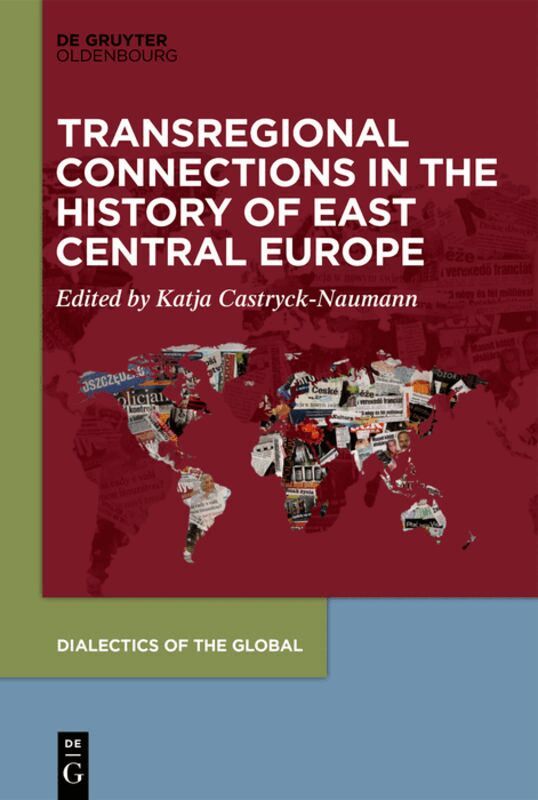
Transregional connections play a fundamental role in the history of East-Central Europe. This volume explores this connectivity by showing how people from eastern and central parts of Europe have positioned themselves within global processes while, in turn, also shaping them. The contributions examine different fields of action such as economy, arts, international regulations and law, development aid, and migration, focusing on the period between the middle of the nineteenth century and the end of the Cold War. The authors uncover spaces of interaction and emphasize that internal and external entanglements have established East-Central Europe as a distinct region. Understanding the connectedness of this subregion is stimulating for the historiography of East-Central Europe as it is for the field of global history.
1 649 kr
Kommande
Russia’s war on Ukraine has been closely watched and widely debated worldwide. These discussions extend beyond the war itself to encompass its implications for the world order and the future of globalisation. This reader documents that debate by bringing together articles from all regions of the world published in newspapers, journals, magazines, and blogs between Russia’s full-scale invasion of Ukraine in 2022 and Donald Trump’s election victory in 2024. The collection includes texts originally written in English as well as translations from Arabic, Chinese, French, German, Polish, Portuguese, Russian, Serbian, Spanish, Turkish, and Ukrainian. It offers reflections on international law and international organisations; postcolonial and decolonial critiques of power; rearmament, neutrality, and non-alignment; transregional religious solidarities; and the economic and environmental consequences of the war. As part of the series GWZO Studies on Central and Eastern Europe: Interdisciplinary Approaches to Culture, History, and the Environment, this reader seeks to provide new, nuanced, and multifaceted insights into the region within the broader context of global (dis)entanglements.