Katja May – författare
Visar alla böcker från författaren Katja May. Handla med fri frakt och snabb leverans.
4 produkter
4 produkter
Inbunden, Engelska, 1996
2 413 kr
Skickas inom 10-15 vardagar
Illuminating the historical development of race relations from African American, Cherokee, and Muskeg (Creek) points of views, this book weaves a rich tapestry from oral history accounts, manuscript census schedules, and ethnohistorical literature. The Cherokee and Creek tribes were two of the largest in the Southeast and their forcible removal to Indian Territory affected tens of thousands of Africans and Native Americans This innovative study describes Creek and Cherokee social organization and culture change in the early 19th century, uses oral accounts to examine the impact of Removal on black-Indian relations, and analyzes Creek-black Indian political alliances during the Green Peach War and the anti-allotment Crazy Snake Uprising. Two chapters contain analyses of samples from federal manuscript census schedules of 1900 and 1910, describing demographics, intermarriage patterns, and education The study also links African American and European American immigration to race relations in Creek and Cherokee history between 1880 and 1920, consulting many sources that have not been used before. The comparison between the neighboring Cherokees and Creeks in the Indian Territory shows different approaches to similar problems, documenting culture change that affected the two societies. The census figures at the beginning of the century are analyzed in terms of four population segments: black Indians, including freedmen, and post-1880 black immigrants, so-called fullbloods, and (white-Indian) mixed-bloods. The study shows how these categories became metaphors for political and social outlooks and attitudes about race and native Americans. The book ends with a detailed, comprehensive bibliography containing primary and secondary sources with guides to their locations. (Ph.D. dissertation, University of California, Berkeley 1994; revised with new preface and index)
Häftad, Engelska, 2016
748 kr
Skickas inom 10-15 vardagar
Illuminating the historical development of race relations from African American, Cherokee, and Muskeg (Creek) points of views, this book weaves a rich tapestry from oral history accounts, manuscript census schedules, and ethnohistorical literature. The Cherokee and Creek tribes were two of the largest in the Southeast and their forcible removal to Indian Territory affected tens of thousands of Africans and Native Americans This innovative study describes Creek and Cherokee social organization and culture change in the early 19th century, uses oral accounts to examine the impact of Removal on black-Indian relations, and analyzes Creek-black Indian political alliances during the Green Peach War and the anti-allotment Crazy Snake Uprising. Two chapters contain analyses of samples from federal manuscript census schedules of 1900 and 1910, describing demographics, intermarriage patterns, and education The study also links African American and European American immigration to race relations in Creek and Cherokee history between 1880 and 1920, consulting many sources that have not been used before. The comparison between the neighboring Cherokees and Creeks in the Indian Territory shows different approaches to similar problems, documenting culture change that affected the two societies. The census figures at the beginning of the century are analyzed in terms of four population segments: black Indians, including freedmen, and post-1880 black immigrants, so-called fullbloods, and (white-Indian) mixed-bloods. The study shows how these categories became metaphors for political and social outlooks and attitudes about race and native Americans. The book ends with a detailed, comprehensive bibliography containing primary and secondary sources with guides to their locations. (Ph.D. dissertation, University of California, Berkeley 1994; revised with new preface and index)
Inbunden, Engelska, 2023
1 251 kr
Skickas inom 5-8 vardagar
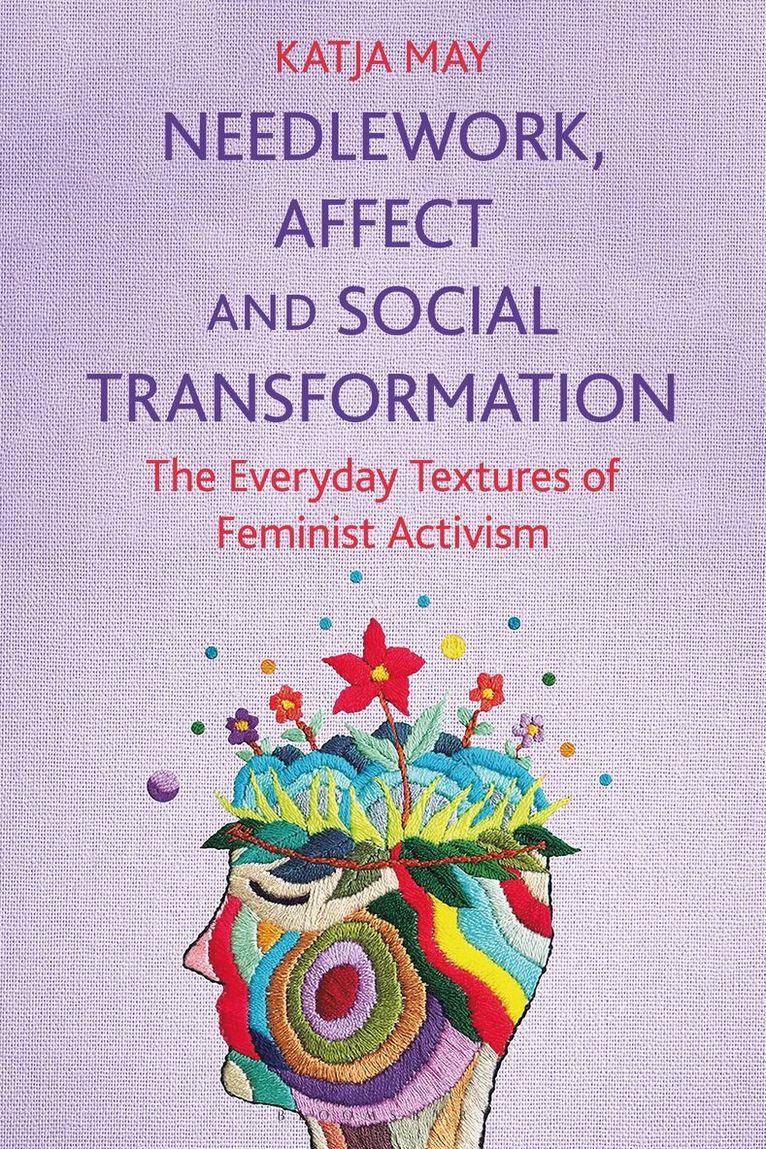
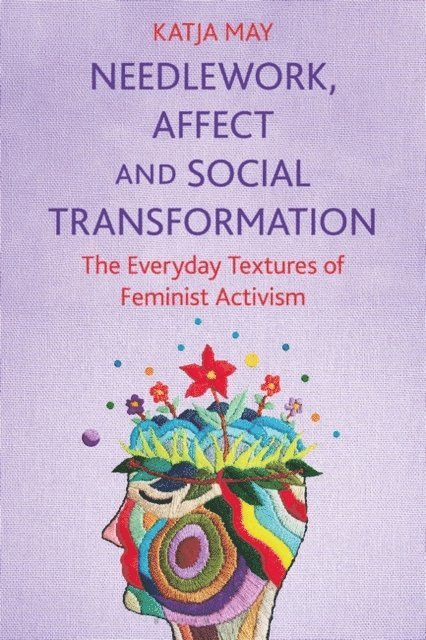
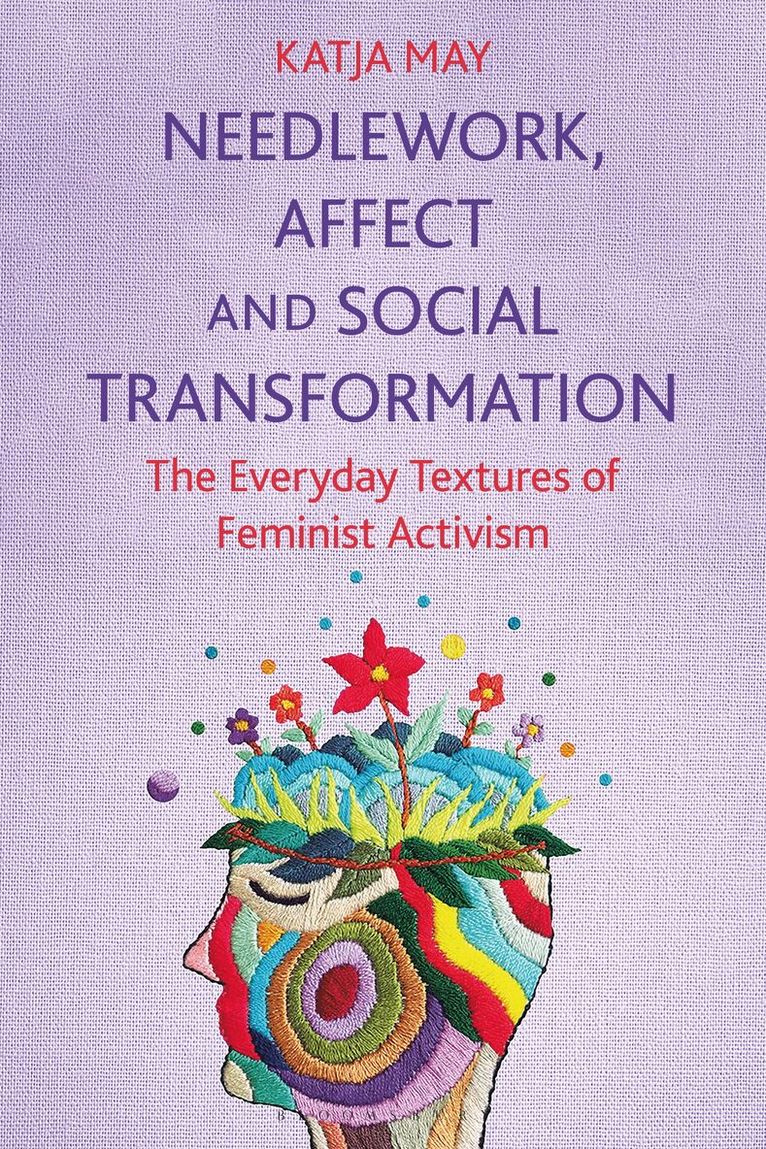
Needlework, Affect and Social Transformation offers an original framework for moving beyond binary discourses that class practices of needlework as either feminist or reactionary. Using transnational, contemporary case studies – such as the Social Justice Sewing Academy, fictionalised Bangladeshi garment workers as well as the famous Pussyhat Project – Katja May suggests a new approach to the interpretation of textile crafts as an affective social practice, and draws on under-represented issues of race.May connects her study to broader material and social conditions of inequality, allowing for a nuanced and sensitive understanding of the role of needlework in feminist political activism. This broader look at how textile crafts function in the realms of politics and activism conceptualizes quilting, dressmaking, embroidery and knitting as routine activities invested with emotions and entangled with material and social conditions as well as political potential.
Häftad, Engelska, 2025
414 kr
Skickas inom 10-15 vardagar
Needlework, Affect and Social Transformation offers an original framework for moving beyond binary discourses that class practices of needlework as either feminist or reactionary. Using transnational, contemporary case studies – such as the Social Justice Sewing Academy, fictionalised Bangladeshi garment workers as well as the famous Pussyhat Project – Katja May suggests a new approach to the interpretation of textile crafts as an affective social practice, and draws on under-represented issues of race.May connects her study to broader material and social conditions of inequality, allowing for a nuanced and sensitive understanding of the role of needlework in feminist political activism. This broader look at how textile crafts function in the realms of politics and activism conceptualizes quilting, dressmaking, embroidery and knitting as routine activities invested with emotions and entangled with material and social conditions as well as political potential.