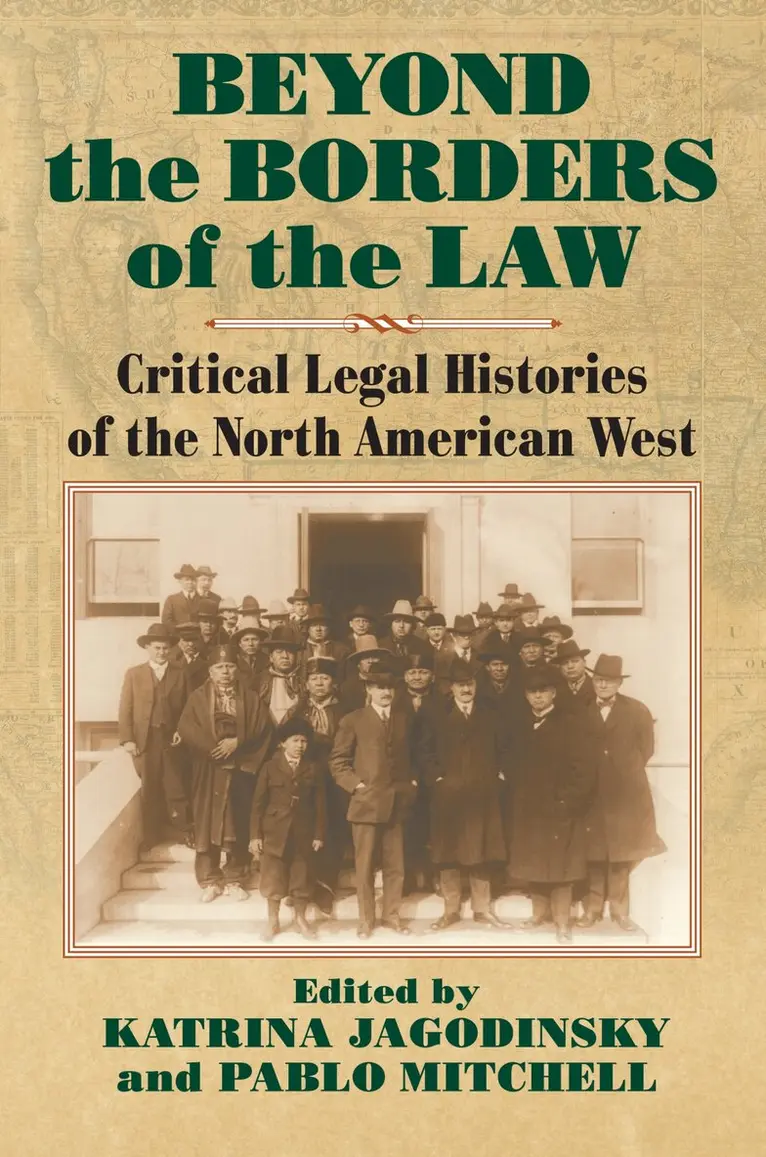
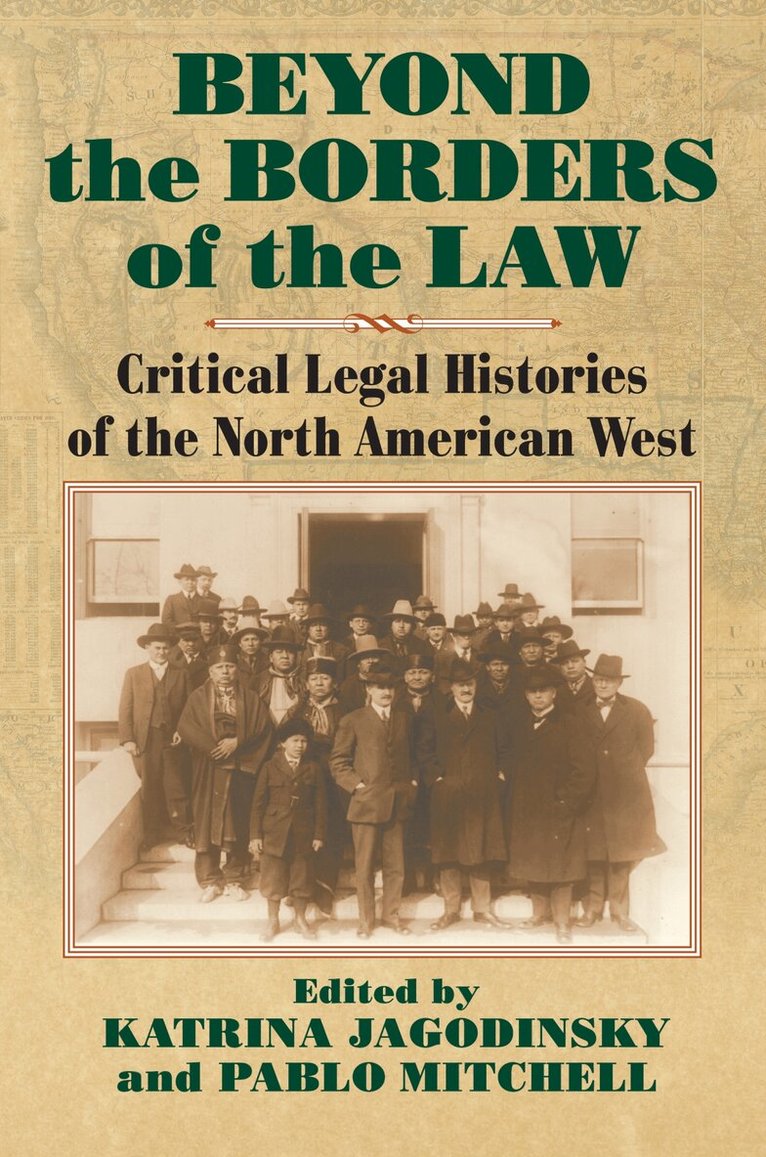
In the American imagination “the West” denotes a border—between civilization and wilderness, past and future, native and newcomer—and its lawlessness is legendary. In fact, there was an abundance of law in the West, as in all borderland regions of vying and overlapping claims, jurisdictions, and domains. It is this legal borderland that Beyond the Borders of the Law explores. Combining the concepts and insights of critical legal studies and western/borderlands history, this book demonstrates how profoundly the North American West has been, and continues to be, a site of contradictory, overlapping, and overreaching legal structures and practices steeped in articulations of race, gender, and power.The authors in this volume take up topics and time periods that include Native history, the US-Canada and US-Mexico borders, regions from Texas to Alaska and Montana to California, and a chronology that stretches from the mid-nineteenth century to the near-present. From water rights to women’s rights, from immigrant to indigenous histories, from disputes over coal deposits to child custody, their essays chronicle the ways in which marginalized westerners have leveraged and resisted the law to define their own rights and legacies. For the authors, legal borderlands might be the legal texts that define and regulate geopolitical borders, or they might be the ambiguities or contradictions creating liminal zones within the law. In their essays, and in the volume as a whole, the concept of legal borderlands proves a remarkably useful framework for finally bringing a measure of clarity to a region characterized by lawful disorder and contradiction.
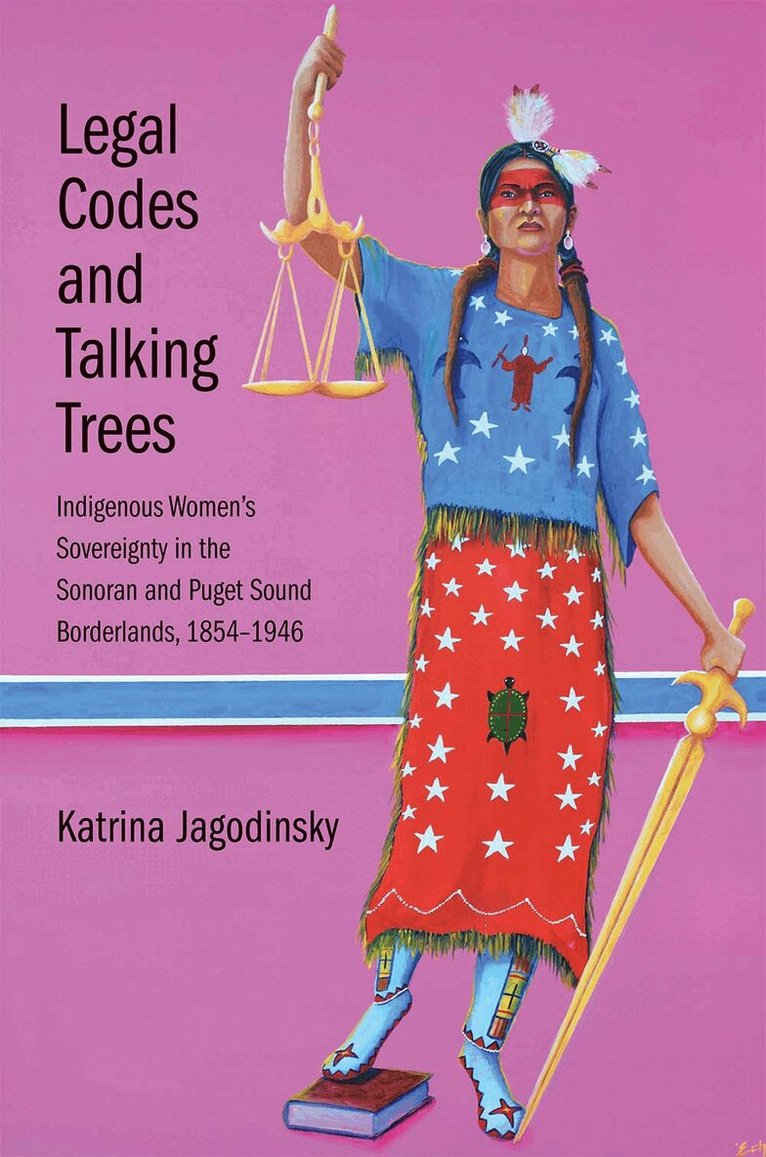
Katrina Jagodinsky’s enlightening history is the first to focus on indigenous women of the Southwest and Pacific Northwest and the ways they dealt with the challenges posed by the existing legal regimes of the nineteenth and twentieth centuries. In most western states, it was difficult if not impossible for Native women to inherit property, raise mixed-race children, or take legal action in the event of rape or abuse. Through the experiences of six indigenous women who fought for personal autonomy and the rights of their tribes, Jagodinsky explores a long yet generally unacknowledged tradition of active critique of the U.S. legal system by female Native Americans.Published in cooperation with the William P. Clements Center for Southwest Studies, Southern Methodist University
In the American imagination “the West” denotes a border—between civilization and wilderness, past and future, native and newcomer—and its lawlessness is legendary. In fact, there was an abundance of law in the West, as in all borderland regions of vying and overlapping claims, jurisdictions, and domains. It is this legal borderland that Beyond the Borders of the Law explores. Combining the concepts and insights of critical legal studies and western/borderlands history, this book demonstrates how profoundly the North American West has been, and continues to be, a site of contradictory, overlapping, and overreaching legal structures and practices steeped in articulations of race, gender, and power.The authors in this volume take up topics and time periods that include Native history, the US-Canada and US-Mexico borders, regions from Texas to Alaska and Montana to California, and a chronology that stretches from the mid-nineteenth century to the near-present. From water rights to women’s rights, from immigrant to indigenous histories, from disputes over coal deposits to child custody, their essays chronicle the ways in which marginalized westerners have leveraged and resisted the law to define their own rights and legacies. For the authors, legal borderlands might be the legal texts that define and regulate geopolitical borders, or they might be the ambiguities or contradictions creating liminal zones within the law. In their essays, and in the volume as a whole, the concept of legal borderlands proves a remarkably useful framework for finally bringing a measure of clarity to a region characterized by lawful disorder and contradiction.
Katrina Jagodinsky’s enlightening history is the first to focus on indigenous women of the Southwest and Pacific Northwest and the ways they dealt with the challenges posed by the existing legal regimes of the nineteenth and twentieth centuries. In most western states, it was difficult if not impossible for Native women to inherit property, raise mixed-race children, or take legal action in the event of rape or abuse. Through the experiences of six indigenous women who fought for personal autonomy and the rights of their tribes, Jagodinsky explores a long yet generally unacknowledged tradition of active critique of the U.S. legal system by female Native Americans.Published in cooperation with the William P. Clements Center for Southwest Studies, Southern Methodist University