
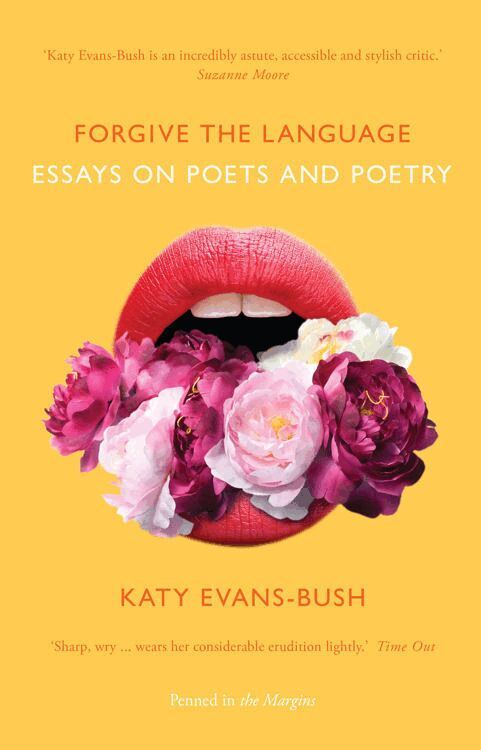
"Splendidly various" TIMES LITERARY SUPPLEMENTTypewriters, plagiarism and the poetic line are just three of the subjects under the spotlight in this book of essays by much-loved literary blogger Katy Evans-Bush.Studies of Ted Hughes, Louis MacNeice and Dylan Thomas sit alongside a new look at Keats, a search for forgotten war poet Eloise Robinson, and practical guides on poetic technique. Katy Evans-Bush combines the intellectual rigour of the literary critic with the dynamism of a seasoned traveller in the blogosphere. These essays place poetry at the heart of contemporary culture, meeting at the borders it shares with music, politics and sculpture. She writes about art and life in a way that is generous, witty and incisive.
A Guardian Poetry Book of the Year, 2024. Made homeless by her landlord’s rent hike, her isolation compounded by Covid lockdowns, Katy Evans-Bush began talking to the American poet Kenneth Patchen (1911–72), whose poems she had first read in her teens, and Patchen talked back. The result is this storm of poems that encompass rage, hunger for justice and laughter in the dark.
Cities exist inside as well as outside us. They are, not just buildings and people, but histories, ideas, stories and mythologies, both shared and private. Cities, like recordings (and like writing itself), are repositories of memory and knowledge. These poems, written in roughly the period since the Crash, use humour, linguistic experimentation and wide-ranging cultural icons to explore both global breakdown and personal crisis. Every city, constantly rebuilding, breaks its previous self underneath.
"Splendidly various" TIMES LITERARY SUPPLEMENTTypewriters, plagiarism and the poetic line are just three of the subjects under the spotlight in this book of essays by much-loved literary blogger Katy Evans-Bush.Studies of Ted Hughes, Louis MacNeice and Dylan Thomas sit alongside a new look at Keats, a search for forgotten war poet Eloise Robinson, and practical guides on poetic technique. Katy Evans-Bush combines the intellectual rigour of the literary critic with the dynamism of a seasoned traveller in the blogosphere. These essays place poetry at the heart of contemporary culture, meeting at the borders it shares with music, politics and sculpture. She writes about art and life in a way that is generous, witty and incisive.
A Guardian Poetry Book of the Year, 2024. Made homeless by her landlord’s rent hike, her isolation compounded by Covid lockdowns, Katy Evans-Bush began talking to the American poet Kenneth Patchen (1911–72), whose poems she had first read in her teens, and Patchen talked back. The result is this storm of poems that encompass rage, hunger for justice and laughter in the dark.
Cities exist inside as well as outside us. They are, not just buildings and people, but histories, ideas, stories and mythologies, both shared and private. Cities, like recordings (and like writing itself), are repositories of memory and knowledge. These poems, written in roughly the period since the Crash, use humour, linguistic experimentation and wide-ranging cultural icons to explore both global breakdown and personal crisis. Every city, constantly rebuilding, breaks its previous self underneath.