Kausik Pradhan – författare
Visar alla böcker från författaren Kausik Pradhan. Handla med fri frakt och snabb leverans.
7 produkter
7 produkter
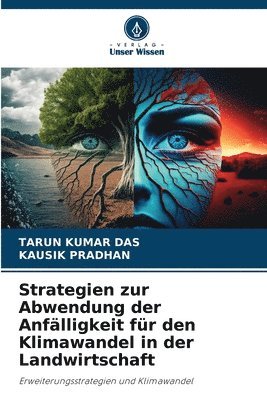
Strategien zur Abwendung der Anfälligkeit für den Klimawandel in der Landwirtschaft
Häftad, Tyska, 2024
991 kr
Skickas inom 5-8 vardagar
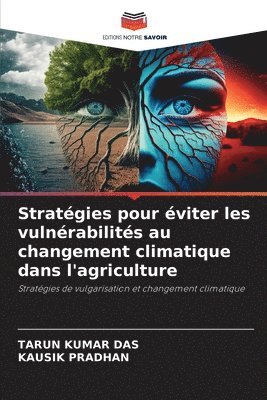
Stratégies pour éviter les vulnérabilités au changement climatique dans l'agriculture
Häftad, Franska, 2024
991 kr
Skickas inom 5-8 vardagar
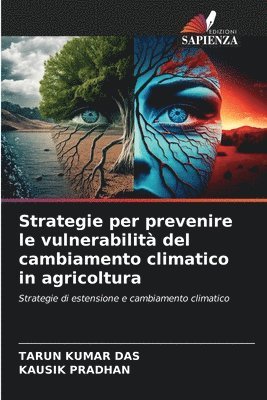
Strategie per prevenire le vulnerabilità del cambiamento climatico in agricoltura
Häftad, Italienska, 2024
991 kr
Skickas inom 5-8 vardagar
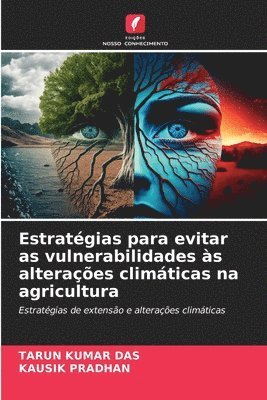
Estratégias para evitar as vulnerabilidades às alterações climáticas na agricultura
Häftad, Portugisiska, 2024
991 kr
Skickas inom 5-8 vardagar
991 kr
Skickas inom 5-8 vardagar
2 301 kr
Skickas inom 11-20 vardagar
The book Technology Commercialization and Incubation offers a comprehensive guide to transforming innovations into viable ventures, particularly in the agriculture and allied sectors. Designed for students, researchers, agripreneurs, policymakers, and technology managers, the book bridges theory and practice, with special emphasis on Indian ecosystems within a global perspective.Beginning with foundational concepts, the book clearly distinguishes between discovery, invention, innovation, and technology. It explains different types of innovationbasic, breakthrough, disruptive, and sustainingfollowed by models and stages of the technology commercialization process. It further clarifies the distinctions between technology transfer and commercialization, emphasizing the lifecycle and refinement of agricultural technologies.A key focus of the book is Intellectual Property Rights (IPR) Management. It covers patents, copyrights, trademarks, and geographical indications, while discussing international treaties like TRIPS, UPOV, and CBD. It also explores India national laws including the PPVFR Act, Biodiversity Act, and systems to protect grassroots and indigenous knowledge like the TKDL, PBRs, and the Honeybee Network. Topics such as GMOs and biosafety are examined in policy contexts.The book dives deep into Technology Commercialization Strategies. It covers methods for assessment, refinement, and valuationusing market-based and royalty-rate models. It offers insights into licensing, scale-up models, agripreneur handholding, and engagement of startups, SHGs, and producer organizations. It also outlines policy support like the Startup India and Atal Innovation Mission initiatives.A dedicated section covers Technology Incubation, including its definition, types, and processes. It examines Indian incubation modelsprofit and non-profitand government support for incubators. Livelihood-focused incubation and rural incubator frameworks are particularly emphasized.The book also explores Technology Promotion and Soft Skills critical for commercialization success. It includes methods like technology fairs, business plan contests, and scientistentrepreneur dialogues, while encouraging strong business communication and networking abilities.In the final sections, the book addresses Emerging Approaches, including technology scouting, innovation management, and evolving incubation ecosystems.Blending academic insight with practical strategies, this book is a vital resource for anyone involved in moving technologies from lab to market. It empowers readers with the tools and understanding required to drive sustainable innovation and build entrepreneurial capacity in the knowledge economy.
2 327 kr
Skickas inom 7-10 vardagar
The contemporary era has witnessed a rapid decrease in the ability of future generations to produce food and maintain productivity due to the depletion of natural resources as a result of intensive agricultural practices that rely heavily on external inputs. It is widely accepted that the demise of ancient civilizations in regions such as Mesopotamia, the Mediterranean, the pre-Columbian southwest of the United States, and Central America was significantly influenced by the degradation of natural resources caused by unsustainable farming and forestry practices. In response to this, sustainable agriculture seeks to utilize the existing natural resource base and minimize external inputs in order to regenerate productivity while minimizing the harmful impacts on ecosystems.