Inbunden, Engelska, 2020
804 kr
Skickas inom 5-8 vardagar
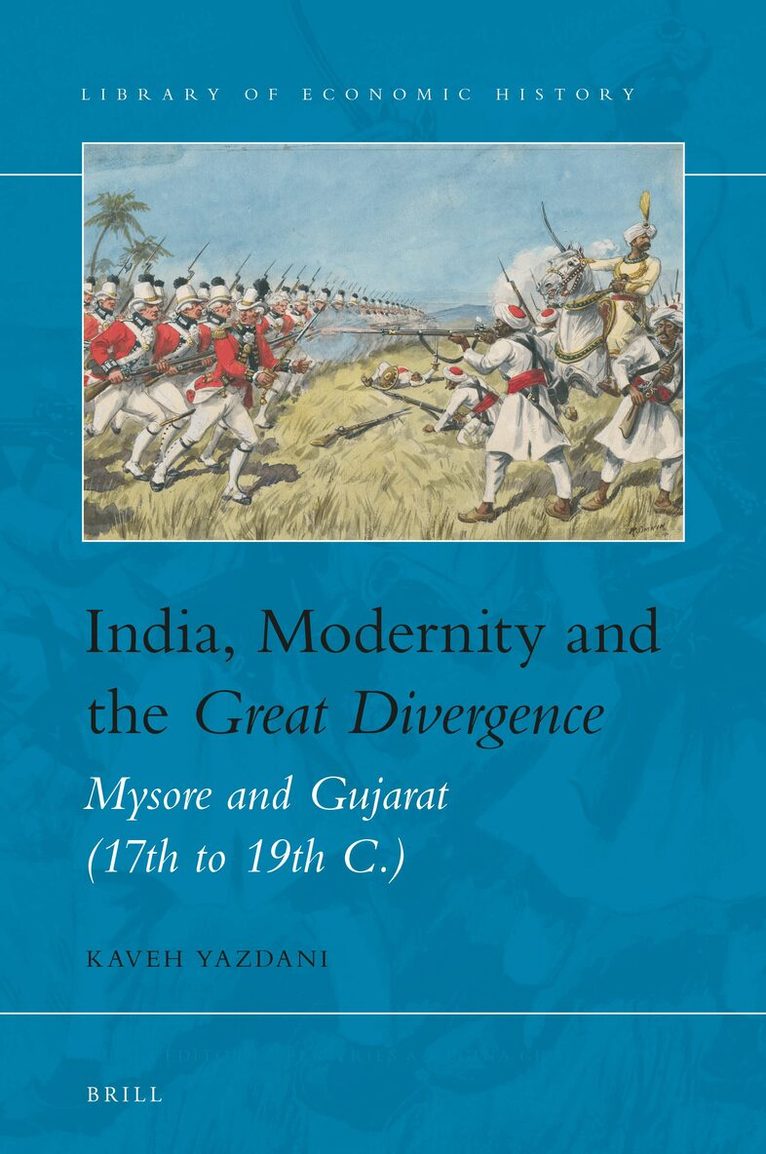
This book tries to decenter work on the history of capitalism by looking at the longue durée from the tenth century; at regions as diverse as Song China, South and South East Asia, Latin America and the Ottoman and Safavid Empires; and exploring the plurality of developments over this extended time and space. The authors argue against conventional accounts that locate the origins of capitalism solely within Europe and within the conjuncture of the industrial revolution. The essays emphasize historical conjunctures, flows of commodities, circulation of knowledge and personnel, the role of mercantile capital and small producers and stress throughout the necessity to think beyond present day national boundaries. The volume contends with clichés of Western exceptionalism to make a set of historical arguments about non-Western and interconnected economic developments across the globe, prior to the era of colonialism. It argues fundamentally that the multiple histories of capitalism can be better understood from a truly global perspective.