Kazuo Tomozawa – författare
Visar alla böcker från författaren Kazuo Tomozawa. Handla med fri frakt och snabb leverans.
8 produkter
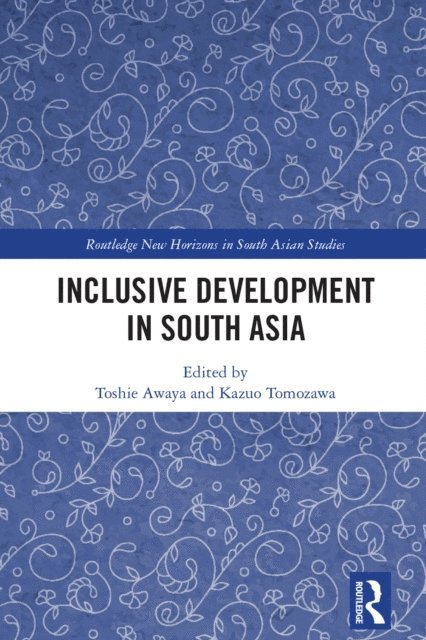
Inclusive Development in South Asia
Av Kazuo Tomozawa, Toshie Awaya
E-bok, 2022
727 kr
Lägg i varukorg
This book examines the multi-layered aspects and the complexities of inclusive development in South Asia based on recent data and using innovative methodology. The book offers an analysis of the existing ground realities in terms of economic and inclusive development, presenting relevant discussion …
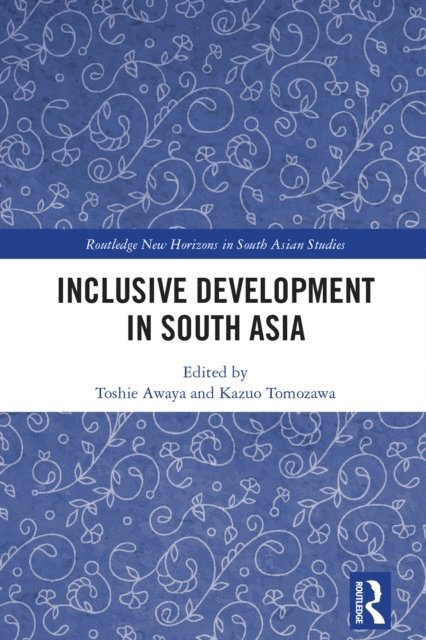
Inclusive Development in South Asia
Av Kazuo Tomozawa, Toshie Awaya
E-bok, 2022
727 kr
Lägg i varukorg
This book examines the multi-layered aspects and the complexities of inclusive development in South Asia based on recent data and using innovative methodology. The book offers an analysis of the existing ground realities in terms of economic and inclusive development, presenting relevant discussion …
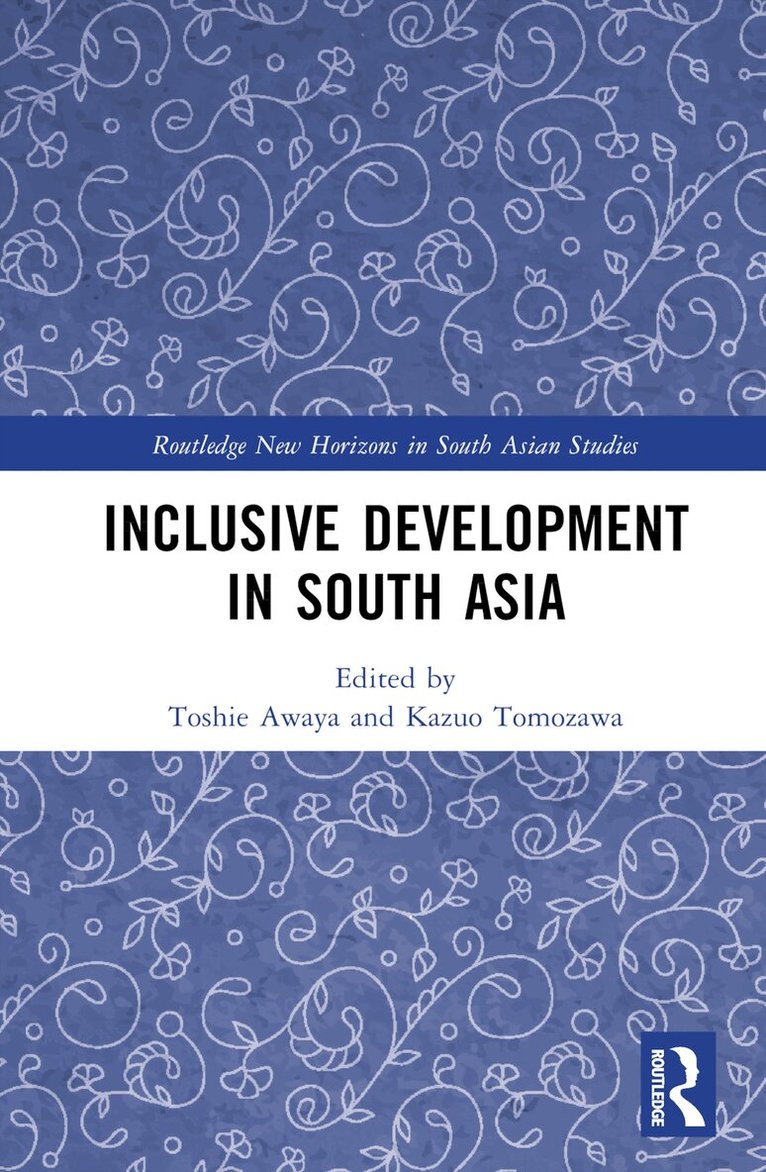
Inclusive Development in South Asia
Av Toshie Awaya, Kazuo Tomozawa
Inbunden, 2022
2126 kr
Lägg i varukorg
This book examines the multi-layered aspects and the complexities of inclusive development in South Asia based on recent data and using innovative methodology. The book offers an analysis of the existing ground realities in terms of economic and inclusive development, presenting relevant discussion …
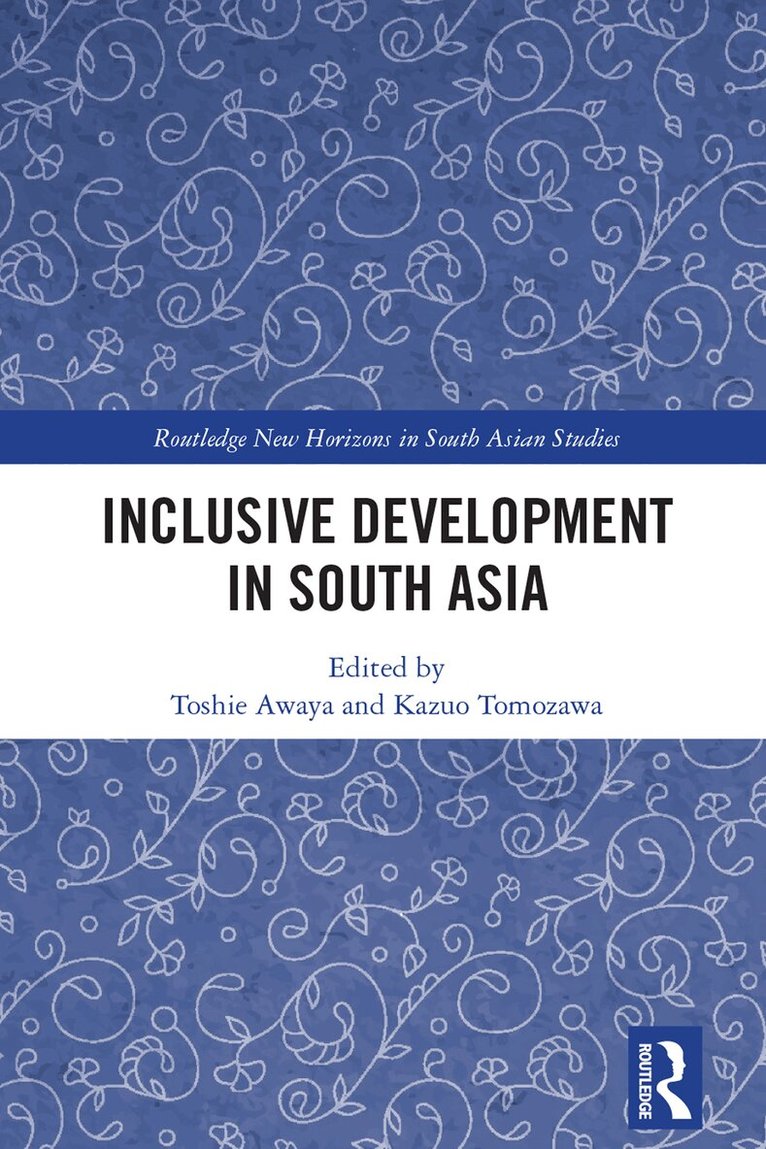
Inclusive Development in South Asia
Av Toshie Awaya, Kazuo Tomozawa
Häftad, 2022
617 kr
Lägg i varukorg
This book examines the multi-layered aspects and the complexities of inclusive development in South Asia based on recent data and using innovative methodology. The book offers an analysis of the existing ground realities in terms of economic and inclusive development, presenting relevant discussion …
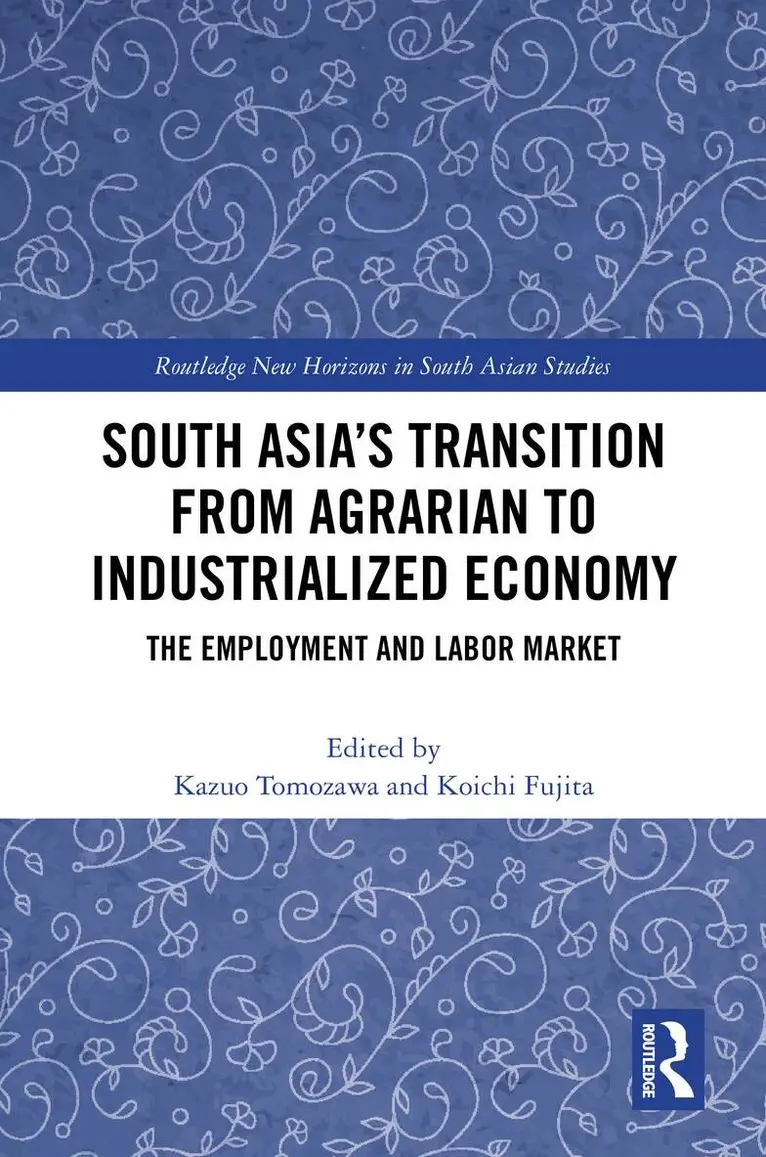
South Asia's Transition from Agrarian to Industrialized Economy
The Employment and Labor Market
Av Kazuo Tomozawa, Koichi Fujita
Inbunden, 2024
2504 kr
Lägg i varukorg
This book analyses the transition of South Asian nations from agrarian to industrialized economies, which is accompanied by a widening gap between agricultural and non-agricultural growth rates and a greater income disparity between farmers and urban residents. The chapters, contributed by experts …
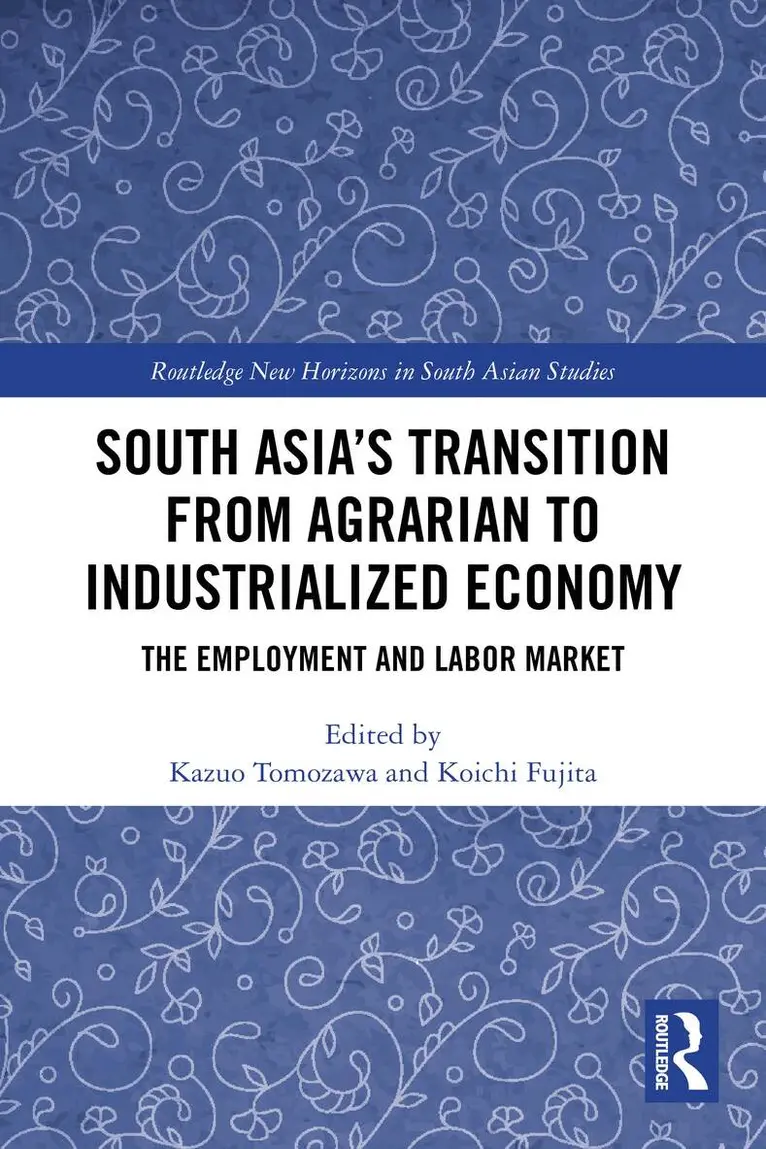
South Asia's Transition from Agrarian to Industrialized Economy
The Employment and Labor Market
Av Kazuo Tomozawa, Koichi Fujita
Häftad, 2026
725 kr
Lägg i varukorg
This book analyses the transition of South Asian nations from agrarian to industrialized economies, which is accompanied by a widening gap between agricultural and non-agricultural growth rates and a greater income disparity between farmers and urban residents. The chapters, contributed by experts …
South Asia's Transition from Agrarian to Industrialized Economy
The Employment and Labor Market
Av Koichi Fujita, Kazuo Tomozawa
E-bok, 2024
838 kr
Lägg i varukorg
This book analyses the transition of South Asian nations from agrarian to industrialized economies, which is accompanied by a widening gap between agricultural and non-agricultural growth rates and a greater income disparity between farmers and urban residents. The chapters, contributed by experts …
South Asia's Transition from Agrarian to Industrialized Economy
The Employment and Labor Market
Av Koichi Fujita, Kazuo Tomozawa
E-bok, 2024
856 kr
Lägg i varukorg
This book analyses the transition of South Asian nations from agrarian to industrialized economies, which is accompanied by a widening gap between agricultural and non-agricultural growth rates and a greater income disparity between farmers and urban residents. The chapters, contributed by experts …