K.C. Ho – författare
Visar alla böcker från författaren K.C. Ho. Handla med fri frakt och snabb leverans.
11 produkter
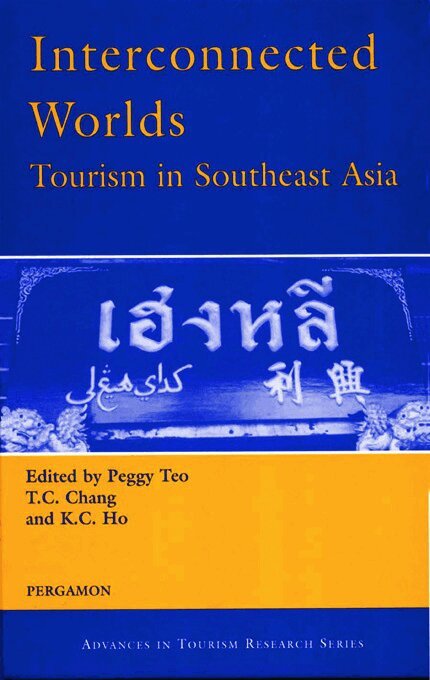
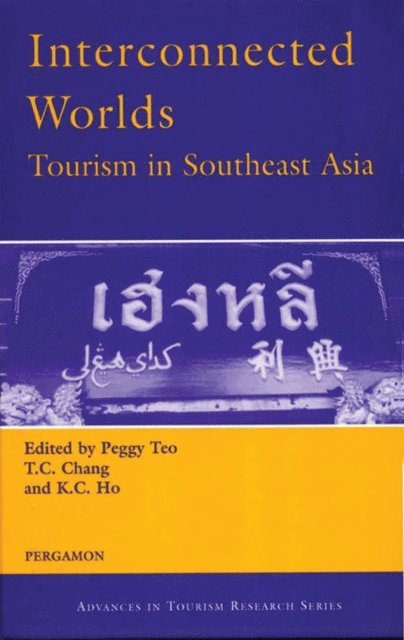
Interconnected Worlds: Tourism in Southeast Asia
Inbunden, 2001
2506 kr
Lägg i varukorg
Examines the political discourse behind tourism, presenting some questions regarding the tensions associated with the interconnections. This title focuses on deterritorialisation and the development of fresh regionalisms, paying specific attention to collaborative efforts in tourism development.
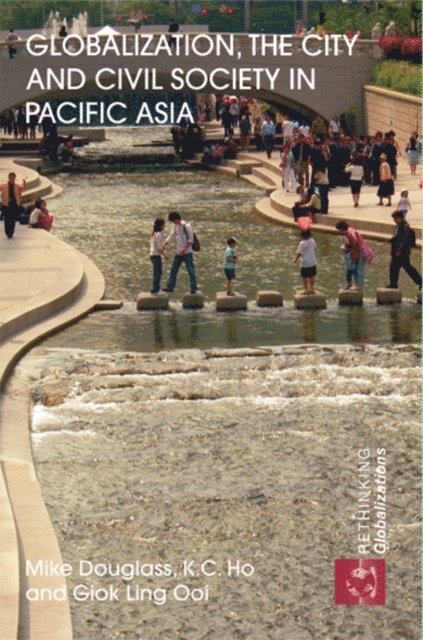
Globalization, the City and Civil Society in Pacific Asia
The Social Production of Civic Spaces
Av Mike Douglass, K.C. Ho m. fl.
Inbunden, 2007
2506 kr
Lägg i varukorg
Globalization, the City and Civil Society in Pacific Asia presents a detailed examination of the underlying issues of urban life in the Far East.Leading authorities on globalization and politics in the region cover key themes of continuity and change:relationships between civil society and the …
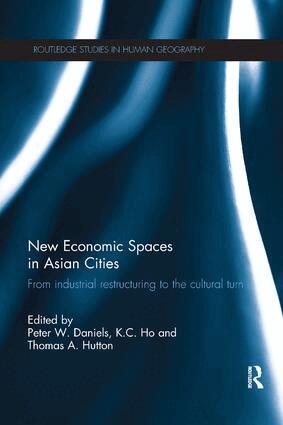
New Economic Spaces in Asian Cities
From Industrial Restructuring to the Cultural Turn
Av Peter W. Daniels, K.C. Ho m. fl.
Inbunden, 2012
2506 kr
Lägg i varukorg
The East and Southeast Asia region constitutes the world’s most compelling theatre of accelerated globalization and industrial restructuring. Following a spectacular realization of the ‘industrialization paradigm’ and a period of services-led growth, the early twenty-first century economic …
Globalization, the City and Civil Society in Pacific Asia
The Social Production of Civic Spaces
Av Mike Douglass, K.C. Ho m. fl.
Häftad, 2010
748 kr
Lägg i varukorg
Globalization, the City and Civil Society in Pacific Asia presents a detailed examination of the underlying issues of urban life in the Far East.Leading authorities on globalization and politics in the region cover key themes of continuity and change:relationships between civil society and the …
Globalization, the City and Civil Society in Pacific Asia
The Social Production of Civic Spaces
Av Giok Ling Ooi, K.C. Ho m. fl.
E-bok, 2007
883 kr
Lägg i varukorg
Globalization, the City and Civil Society in Pacific Asia presents a detailed examination of the underlying issues of urban life in the Far East. Leading authorities on globalization and politics in the region cover key themes of continuity and change: relationships between civil society and the …
Globalization, the City and Civil Society in Pacific Asia
The Social Production of Civic Spaces
Av Giok Ling Ooi, K.C. Ho m. fl.
E-bok, 2007
864 kr
Lägg i varukorg
Globalization, the City and Civil Society in Pacific Asia presents a detailed examination of the underlying issues of urban life in the Far East. Leading authorities on globalization and politics in the region cover key themes of continuity and change: relationships between civil society and the …
New Economic Spaces in Asian Cities
From Industrial Restructuring to the Cultural Turn
Av Thomas A. Hutton, K.C. Ho m. fl.
E-bok, 2012
883 kr
Lägg i varukorg
The East and Southeast Asia region constitutes the world’s most compelling theatre of accelerated globalization and industrial restructuring. Following a spectacular realization of the ‘industrialization paradigm’ and a period of services-led growth, the early twenty-first century economic …
New Economic Spaces in Asian Cities
From Industrial Restructuring to the Cultural Turn
Av Thomas A. Hutton, K.C. Ho m. fl.
E-bok, 2012
883 kr
Lägg i varukorg
The East and Southeast Asia region constitutes the world’s most compelling theatre of accelerated globalization and industrial restructuring. Following a spectacular realization of the ‘industrialization paradigm’ and a period of services-led growth, the early twenty-first century economic …
Interconnected Worlds: Tourism in Southeast Asia
Av K.C. Ho, T.C. Chang m. fl.
E-bok, 2001
1022 kr
Lägg i varukorg
Examines the political discourse behind tourism, presenting some questions regarding the tensions associated with the interconnections. This title focuses on deterritorialisation and the development of fresh regionalisms, paying specific attention to collaborative efforts in tourism development.
Interconnected Worlds: Tourism in Southeast Asia
Av K.C. Ho, T.C. Chang m. fl.
E-bok, 2001
1022 kr
Lägg i varukorg
Examines the political discourse behind tourism, presenting some questions regarding the tensions associated with the interconnections. This title focuses on deterritorialisation and the development of fresh regionalisms, paying specific attention to collaborative efforts in tourism development.
New Economic Spaces in Asian Cities
From Industrial Restructuring to the Cultural Turn
Av Peter W. Daniels, K.C. Ho m. fl.
Häftad, 2017
751 kr
Lägg i varukorg
The East and Southeast Asia region constitutes the world’s most compelling theatre of accelerated globalization and industrial restructuring. Following a spectacular realization of the ‘industrialization paradigm’ and a period of services-led growth, the early twenty-first century economic …