Ke Chung Kim – författare
Visar alla böcker från författaren Ke Chung Kim. Handla med fri frakt och snabb leverans.
3 produkter
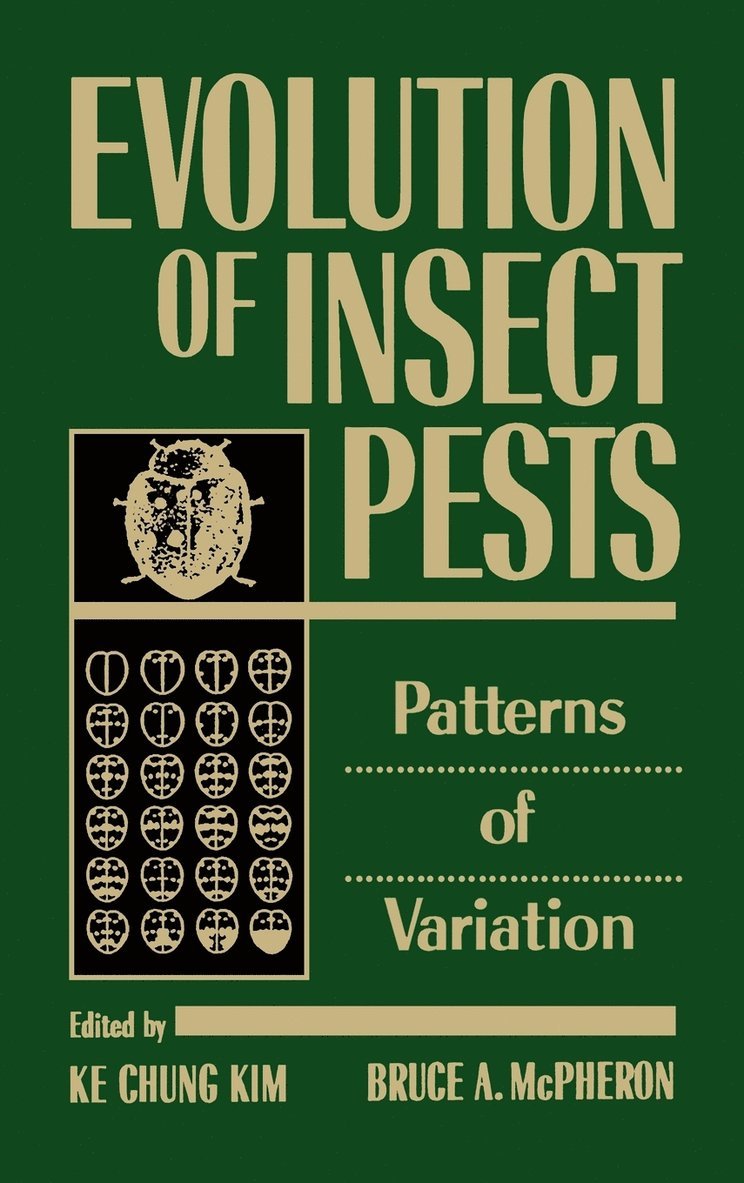
Evolution of Insect Pests
Patterns of Variation
Av Ke Chung Kim, Ke Chung Kim m. fl.
Inbunden, 1993
5208 kr
Lägg i varukorg
Reflects on insect pests' evolution by evaluating existing theories, documenting case studies of diverse pest species and presenting new concepts regarding the problem of variation and implications for pest management strategies. Leading experts offer contributions which deal with variations in …
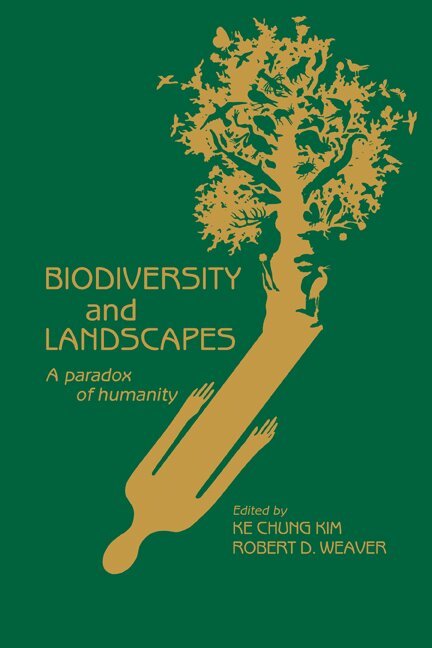
Biodiversity and Landscapes
A Paradox of Humanity
Av Ke Chung Kim, Robert D. Weaver
Häftad, 2009
732 kr
Lägg i varukorg
This book is concerned with the paradox that humanity depends on biodiversity and landscape systems for its survival, yet, at the same time, the current burden of humanity's use of living resources places the existence of these natural systems at risk. The role of human values, technological …
Biodiversity and Landscapes
A Paradox of Humanity
Av Ke Chung Kim, Robert D. Weaver
Inbunden, 1994
2117 kr
Lägg i varukorg
This book is concerned with the paradox that humanity depends on biodiversity and landscape systems for its survival, yet, at the same time, the current burden of humanity's use of living resources places the existence of these natural systems at risk. The role of human values, technological …