Keiko Kiyotaki – författare
Visar alla böcker från författaren Keiko Kiyotaki. Handla med fri frakt och snabb leverans.
3 produkter
3 produkter
Inbunden, Engelska, 2004
2 008 kr
Skickas inom 10-15 vardagar
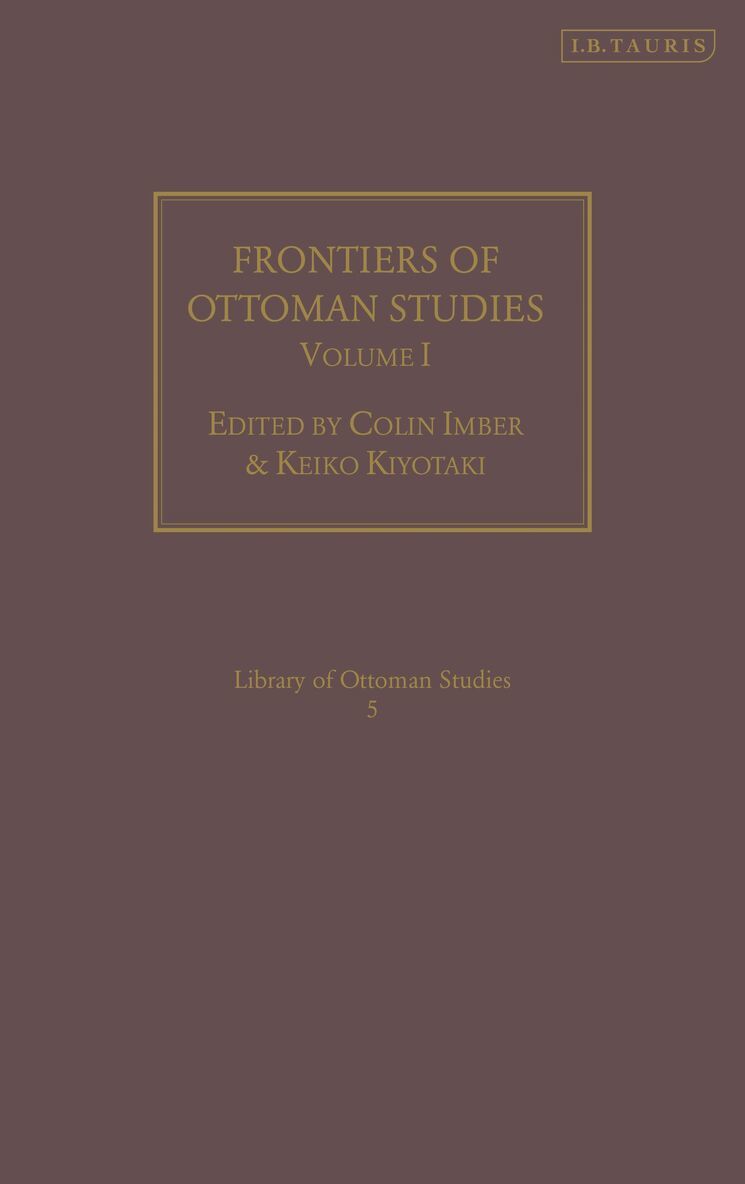
Frontiers of Ottoman Studies provides a comprehensive overview of the surge in research into Ottoman history and culture over the past two decades. The first volume reflects the growing interest in the provinces, communities and cultures outside the imperial capital of Istanbul and covers four major areas: politics and Islam; economy and taxation; development of Ottoman towns and Arab and Jewish communities. Chapters on Ottoman legal and fiscal institutions provide a fascinating insight into the Ottoman government's interaction with the Empire's subjects, while reviews of Egypt and the Arab provinces emphasise the stirrings of Arab nationalism in the late nineteenth and twentieth centuries that ultimately contributed to the demise of the Empire.
Inbunden, Engelska, 2004
2 008 kr
Skickas inom 10-15 vardagar
Frontiers of Ottoman Studies provides a comprehensive overview of the surge in research into Ottoman history and culture of the past two decades. The second volume covers Ottoman-European International Relations; Ottoman manuscripts in Europe; Ottoman-European cultural exchange and Christian influence and the advent of the Europeans. The work makes a significant contribution to diplomatic history and international relations; Ottoman geographical knowledge; the nature of Ottoman artistic and cultural aesthetics and the intellectual, cultural, technological and human interactions between the Ottoman world and Europe.
E-bok
PDF, Engelska, 20192 281 kr
Läs direkt efter köp
In Ottoman Land Reform in the Province of Baghdad, Keiko Kiyotaki traces the Ottoman reforms of tax farming and land tenure and establishes that their effects were the key ingredients of agricultural progress. These modernizing reforms are shown to be effective because they were compatible with local customs and tribal traditions, which the Ottoman governors worked to preserve. Ottoman rule in Iraq has previously been considered oppressive and blamed with failure to develop the country. Since the British mandate government's land and tax policies were little examined, the Ottoman legacy has been left unidentified. This book proves that Ottoman land reforms led to increases in agricultural production and tax revenue, while the hasty reforms enacted by the mandate government ignoring indigenous customs caused new agricultural and land problems.