Keith Clements – författare
Visar alla böcker från författaren Keith Clements. Handla med fri frakt och snabb leverans.
9 produkter
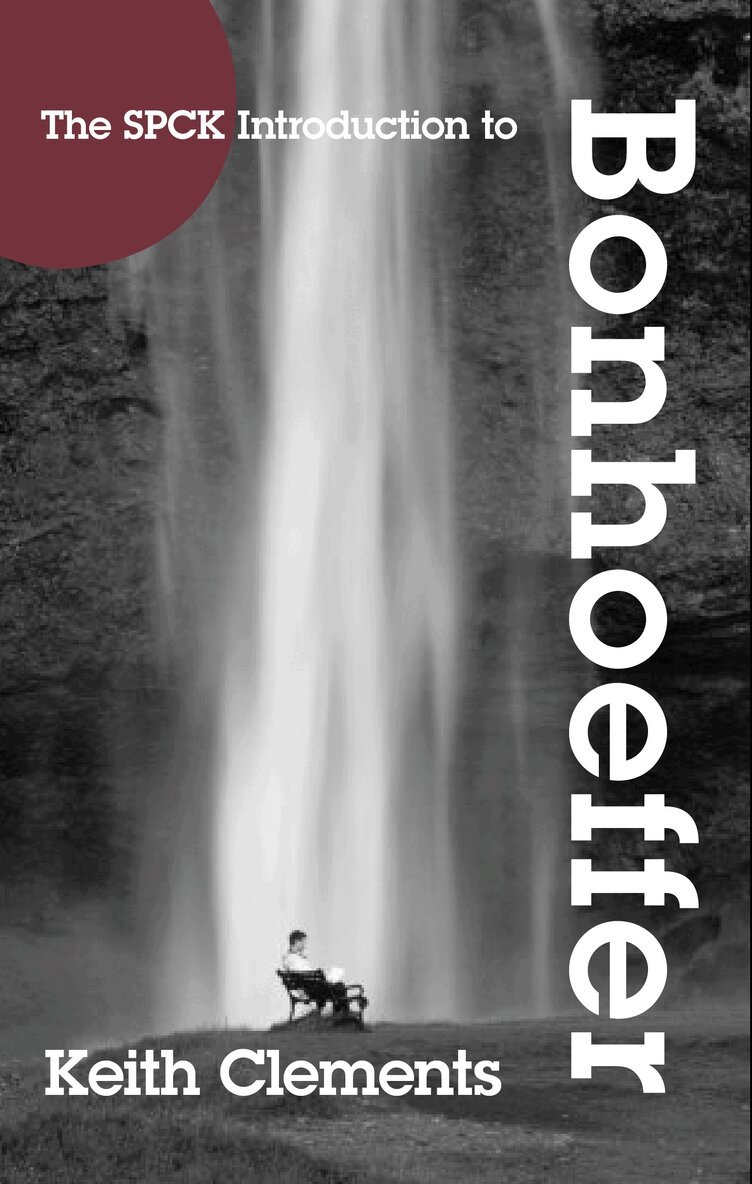
SPCK Introduction to Bonhoeffer
Häftad, 2010
166 kr
Lägg i varukorg
Dietrich Bonhoeffer remains one of the twentieth century's most influential theologians and this is a short, accessible and engaging introduction to the man. Written by an internationally acclaimed Bonhoeffer scholar, the book considers the role Bonhoeffer played in resisting the Nazis and his …
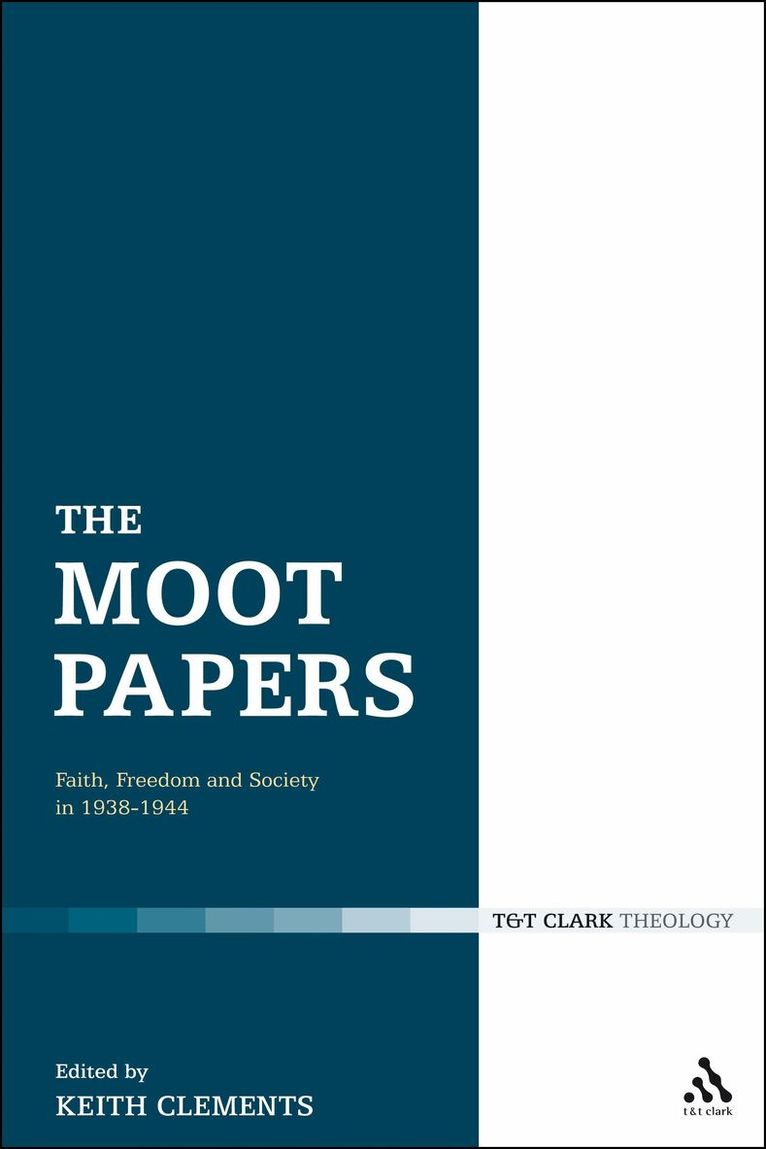
Moot Papers
Faith, Freedom and Society 1938-1944
Inbunden, 2009
5305 kr
Lägg i varukorg
The Moot was the study and discussion group set up by J.H. Oldham (1874-1969) following the 1937 Oxford Conference on "Church, Community and State." Its purpose was to continue, in an informal, confidential but serious way, exploration of the relation between church and society and the realisation …
Faith on the Frontier
A Life of J. H. Oldham
Häftad, 1999
1657 kr
Lägg i varukorg
J.H. Oldham is one of the greatest pioneers of ecumenism in the 20th century. Sections relate to Oldham''s time as a missionary in India, his role as secretary of the World missionary Conference and his role in the Life and Work movement.'
Moot Papers
Faith, Freedom and Society 1938-1944
E-bok, 2015
5844 kr
Lägg i varukorg
The Moot was the study and discussion group set by J.H. Oldham (1874-1969) following the 1937 Oxford conference on "Church, Community and State". Its purpose was to continue, in an informal but serious way, exploration of the relation between church and society and the realization of Christian …
Moot Papers
Faith, Freedom and Society 1938-1944
E-bok, 2015
5844 kr
Lägg i varukorg
The Moot was the study and discussion group set by J.H. Oldham (1874-1969) following the 1937 Oxford conference on "Church, Community and State". Its purpose was to continue, in an informal but serious way, exploration of the relation between church and society and the realization of Christian …
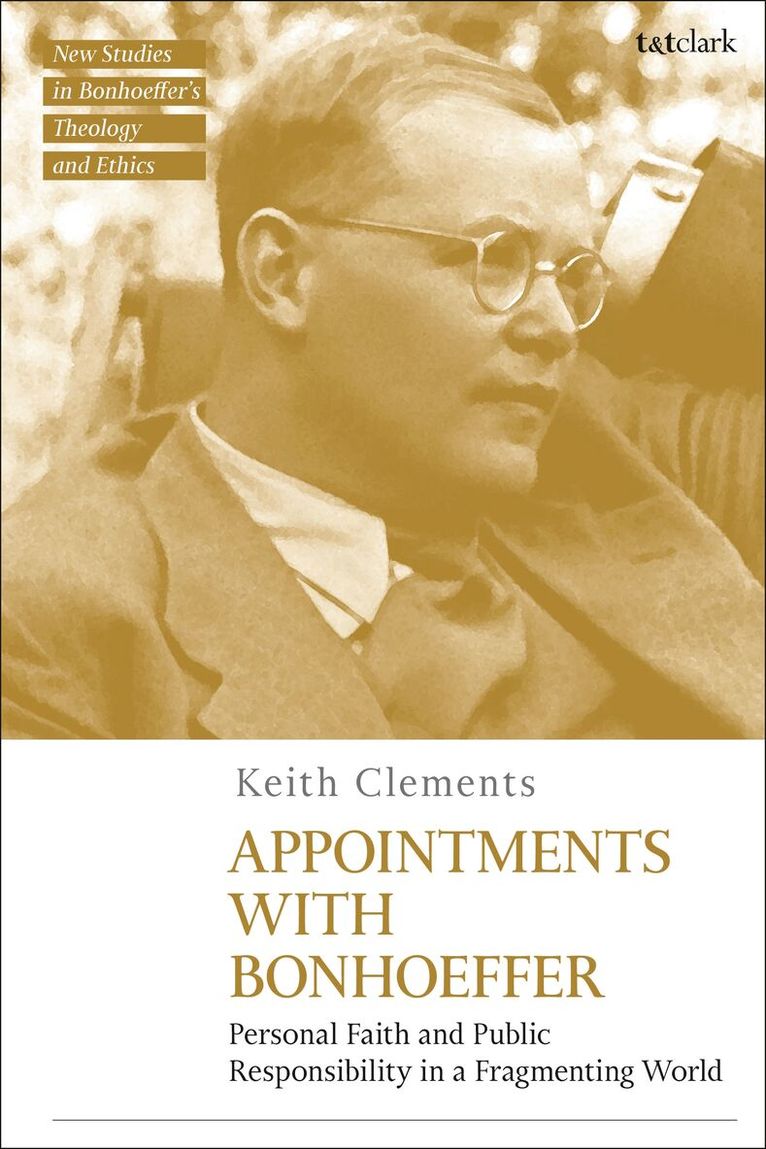
Appointments with Bonhoeffer
Personal Faith and Public Responsibility in a Fragmenting World
Av Keith Clements, Jennifer McBride
Inbunden, 2022
1349 kr
Lägg i varukorg
Keith Clements sets out how and why Dietrich Bonhoeffer, more than seventy-five years after his execution by the Nazis, still speaks cogently both to the churches and society. Beginning with the earlier reception of him as a martyr-figure and then as a provocatively original theologian, this book …
Appointments with Bonhoeffer
Personal Faith and Public Responsibility in a Fragmenting World
E-bok, 2022
453 kr
Lägg i varukorg
Keith Clements sets out how and why Dietrich Bonhoeffer, more than seventy-five years after his execution by the Nazis, still speaks cogently both to the churches and society. Beginning with the earlier reception of him as a martyr-figure and then as a provocatively original theologian, this book …
Appointments with Bonhoeffer
Personal Faith and Public Responsibility in a Fragmenting World
E-bok, 2022
468 kr
Lägg i varukorg
Keith Clements sets out how and why Dietrich Bonhoeffer, more than seventy-five years after his execution by the Nazis, still speaks cogently both to the churches and society. Beginning with the earlier reception of him as a martyr-figure and then as a provocatively original theologian, this book …
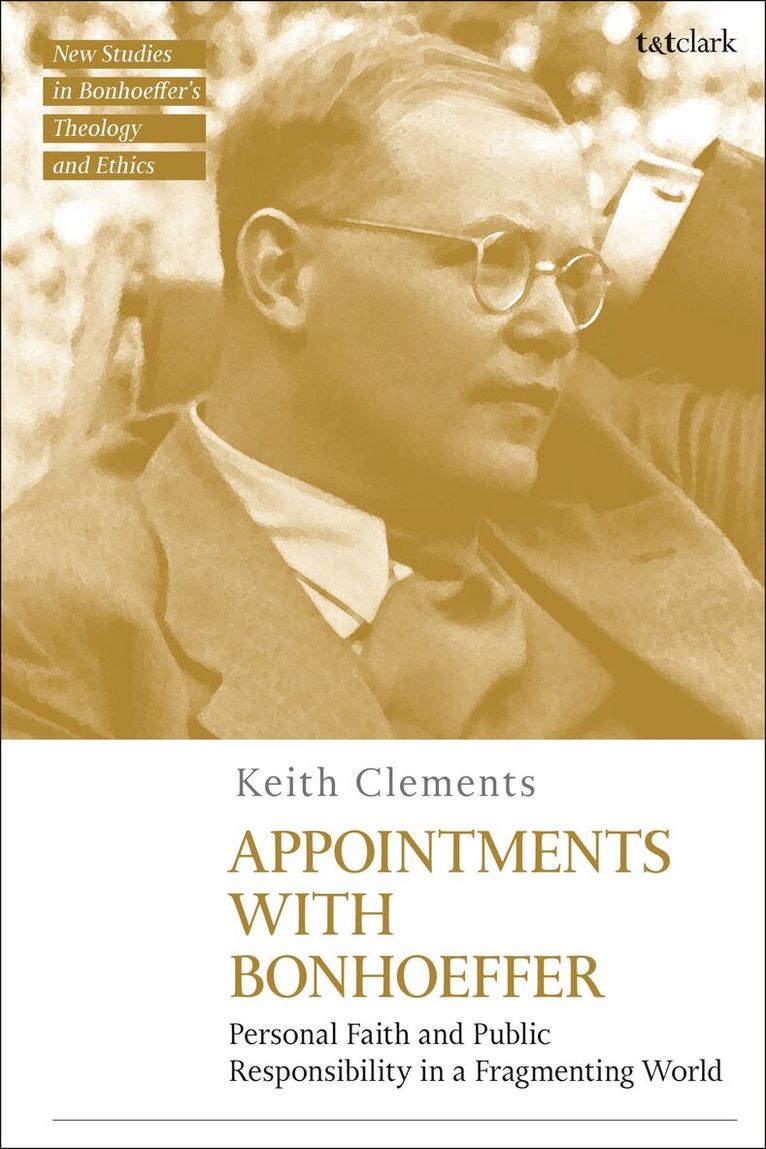
Appointments with Bonhoeffer
Personal Faith and Public Responsibility in a Fragmenting World
Av Keith Clements, Jennifer McBride
Häftad, 2024
431 kr
Lägg i varukorg
Keith Clements sets out how and why Dietrich Bonhoeffer, more than seventy-five years after his execution by the Nazis, still speaks cogently both to the churches and society. Beginning with the earlier reception of him as a martyr-figure and then as a provocatively original theologian, this book …