Keith E. Whitfield – författare
Visar alla böcker från författaren Keith E. Whitfield. Handla med fri frakt och snabb leverans.
4 produkter
4 produkter
Inbunden, Engelska, 2007
560 kr
Skickas inom 10-15 vardagar
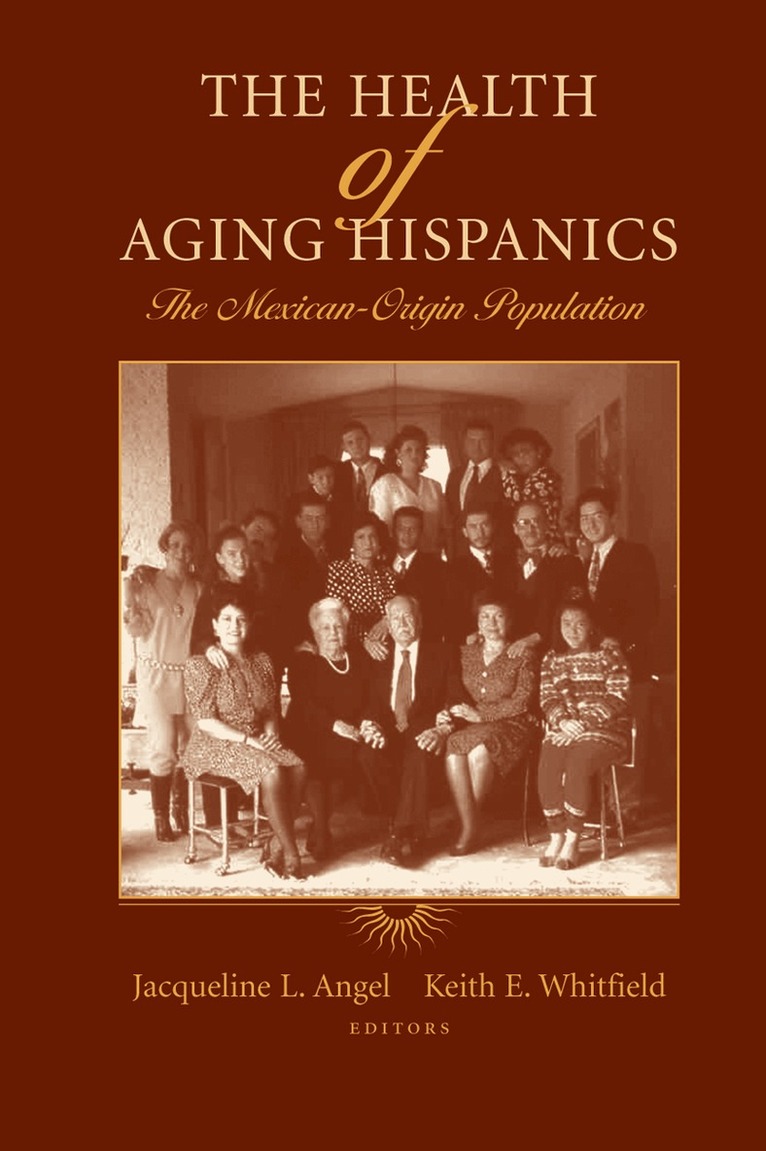
The emergence of the Hispanic population in the United States and the incre- ing pro?le of Latin America on the North and South American continents have raised the pro?le of “Latino” issues in the American consciousness. Much of this attention, however, has revolved around trends in culture, art, food and music or pathological concerns about poverty, crime, drugs, and immigration. At best, the scholarly and policy assessments of the implications of the impact of Latinos in the United States revolve around Mexican-Americans, Puerto Ricans, and Central Americans(aswellasthechildrenofanolderCubanpopulation)andtheirstruggles toachieveameasureofeducation,healthcare,employment,andcivilrights. What have not been adequately addressed are the demographic trends affecting Latinos in the United States, Mexico, and Latin America, particularly the aging of the H- panic population and its resultant health and long-term care needs. That Latinos are living longer and shifting from a youthful population to an increasingly older cohort is little known, except among the small cadre of Hispanic gerontologists. Ironically, this invisibility of aging Hispanics is juxtaposed to the almost p- icked response of the U. S. media and public toward the aging of the general U. S. population and the ?scal and political controversies over Social Security, Me- care, and health care costs. The policy debates of an aging U. S. population as a whole arise from substantial research and policy analysis—a level of attention not seen with regard to the aging of the Hispanic population.
E-bok
PDF, Engelska, 2007734 kr
Läs direkt efter köp
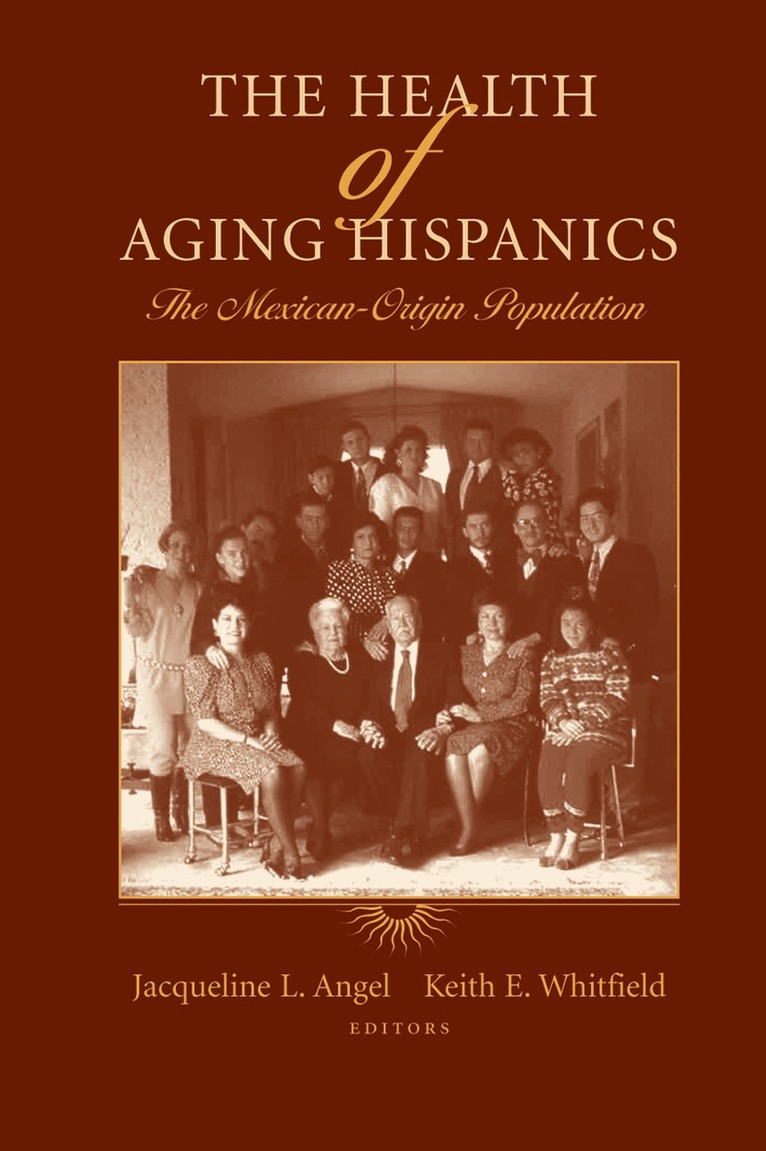
The emergence of the Hispanic population in the United States and the incre- ing pro?le of Latin America on the North and South American continents have raised the pro?le of “Latino” issues in the American consciousness. Much of this attention, however, has revolved around trends in culture, art, food and music or pathological concerns about poverty, crime, drugs, and immigration. At best, the scholarly and policy assessments of the implications of the impact of Latinos in the United States revolve around Mexican-Americans, Puerto Ricans, and Central Americans(aswellasthechildrenofanolderCubanpopulation)andtheirstruggles toachieveameasureofeducation,healthcare,employment,andcivilrights. What have not been adequately addressed are the demographic trends affecting Latinos in the United States, Mexico, and Latin America, particularly the aging of the H- panic population and its resultant health and long-term care needs. That Latinos are living longer and shifting from a youthful population to an increasingly older cohort is little known, except among the small cadre of Hispanic gerontologists. Ironically, this invisibility of aging Hispanics is juxtaposed to the almost p- icked response of the U. S. media and public toward the aging of the general U. S. population and the ?scal and political controversies over Social Security, Me- care, and health care costs. The policy debates of an aging U. S. population as a whole arise from substantial research and policy analysis—a level of attention not seen with regard to the aging of the Hispanic population.
Häftad, Engelska, 2001
212 kr
Skickas inom 5-8 vardagar
Fighting for Your African American Marriage gives you solid solutions to the challenges your marriage faces every day. The book contains a unique perspective and presents the powerful, proven strategies of the highly acclaimed PREP(Prevention and Relationship Enhancement Program) approach for helping black couples beat the odds and master the skills that can prevent marital distress and divorce.
Häftad, Engelska, 2010
560 kr
Skickas inom 10-15 vardagar
The emergence of the Hispanic population in the United States and the incre- ing pro?le of Latin America on the North and South American continents have raised the pro?le of “Latino” issues in the American consciousness. Much of this attention, however, has revolved around trends in culture, art, food and music or pathological concerns about poverty, crime, drugs, and immigration. At best, the scholarly and policy assessments of the implications of the impact of Latinos in the United States revolve around Mexican-Americans, Puerto Ricans, and Central Americans(aswellasthechildrenofanolderCubanpopulation)andtheirstruggles toachieveameasureofeducation,healthcare,employment,andcivilrights. What have not been adequately addressed are the demographic trends affecting Latinos in the United States, Mexico, and Latin America, particularly the aging of the H- panic population and its resultant health and long-term care needs. That Latinos are living longer and shifting from a youthful population to an increasingly older cohort is little known, except among the small cadre of Hispanic gerontologists. Ironically, this invisibility of aging Hispanics is juxtaposed to the almost p- icked response of the U. S. media and public toward the aging of the general U. S. population and the ?scal and political controversies over Social Security, Me- care, and health care costs. The policy debates of an aging U. S. population as a whole arise from substantial research and policy analysis—a level of attention not seen with regard to the aging of the Hispanic population.