Keith F. Chater – författare
Visar alla böcker från författaren Keith F. Chater. Handla med fri frakt och snabb leverans.
2 produkter
2 produkter
E-bok
PDF, Engelska, 2012672 kr
Läs direkt efter köp
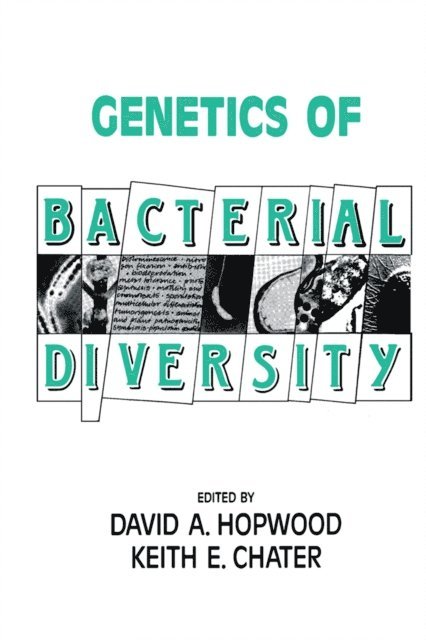
While other texts in this area deal almost solely with the "workhorse strain" Escherischia coli, Genetics of Bacterial Diversity is the first to deal with genetics and molecular biology of the wide range of other bacteria, which carry out a whole spectrum of important scientific, medical, agricultural, and biotechnological activities. Taking genetic diversity as its theme it illustrates a range of interesting phenomena such as genetic systems controlling pathogenicity, symbiosis, chemotaxis, metabolic characteristics, and differentiation. With each chapter written by acknowledged experts, this definitive book contains up-to-the-minute information on this rapidly developing field.Written by leading experts, this text--aimed at graduate-level students and above--describes the genetics and molecular biology of a wide range of bacteria.
E-bok
PDF, Engelska, 2013756 kr
Läs direkt efter köp
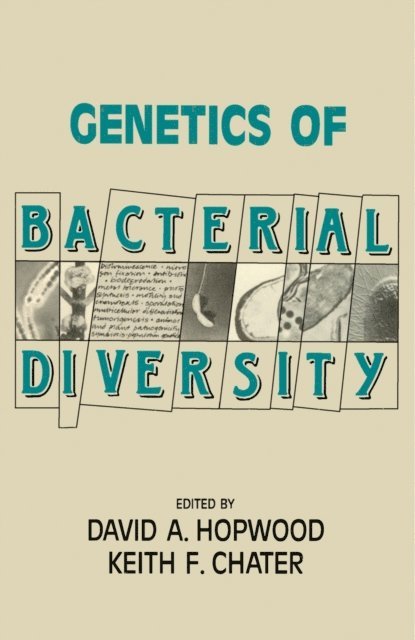
Genetics of Bacterial Diversity focuses on the rapidly developing field of ""non-K-12"" bacterial genetics that is largely outside the scope of other texts. The book begins with an introductory chapter that outlines the phylogenetic relationships of bacteria and the range of metabolic, behavioral, and developmental phenomena displayed by them. Two chapters then review the genetic processes found in bacteria generally, and discuss a range of genetic techniques used to analyze the various special systems described in the body of the book, respectively. Subsequent chapters deal with various special metabolic capabilities characteristic of certain groups of bacteria (light production, photosynthesis, nitrogen fixation, antibiotic production, degradation of aromatic compounds and mercury resistance); developmental processes of cell-cycle associated motility, sporulation, and specialized colonial behavior; four components of bacterial pathogenicity for animals; and pathogenic and symbiotic interactions of bacteria with higher plants. The final chapter explains some of the concepts and the progress being made in the application of population genetics to bacteria. This book may be of interest to microbiologists wishing to catch up on the genetic basis of some of the classical phenomena of bacteriology, and geneticists unfamiliar with some of the things that bacteria can accomplish.