Kekke Stadin – författare
Visar alla böcker från författaren Kekke Stadin. Handla med fri frakt och snabb leverans.
12 produkter
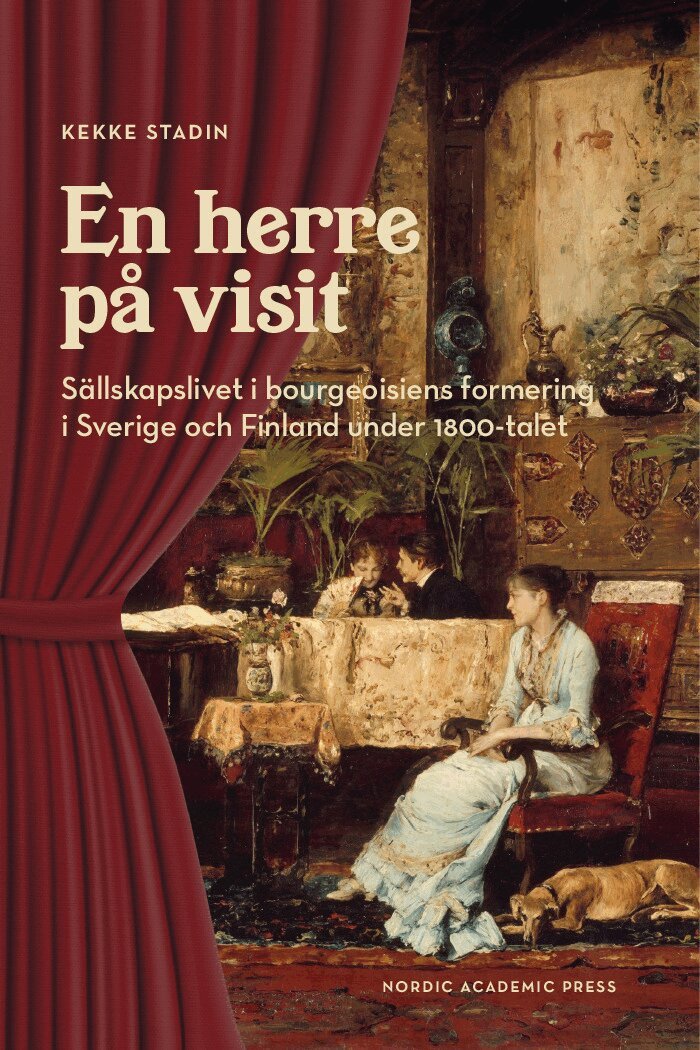
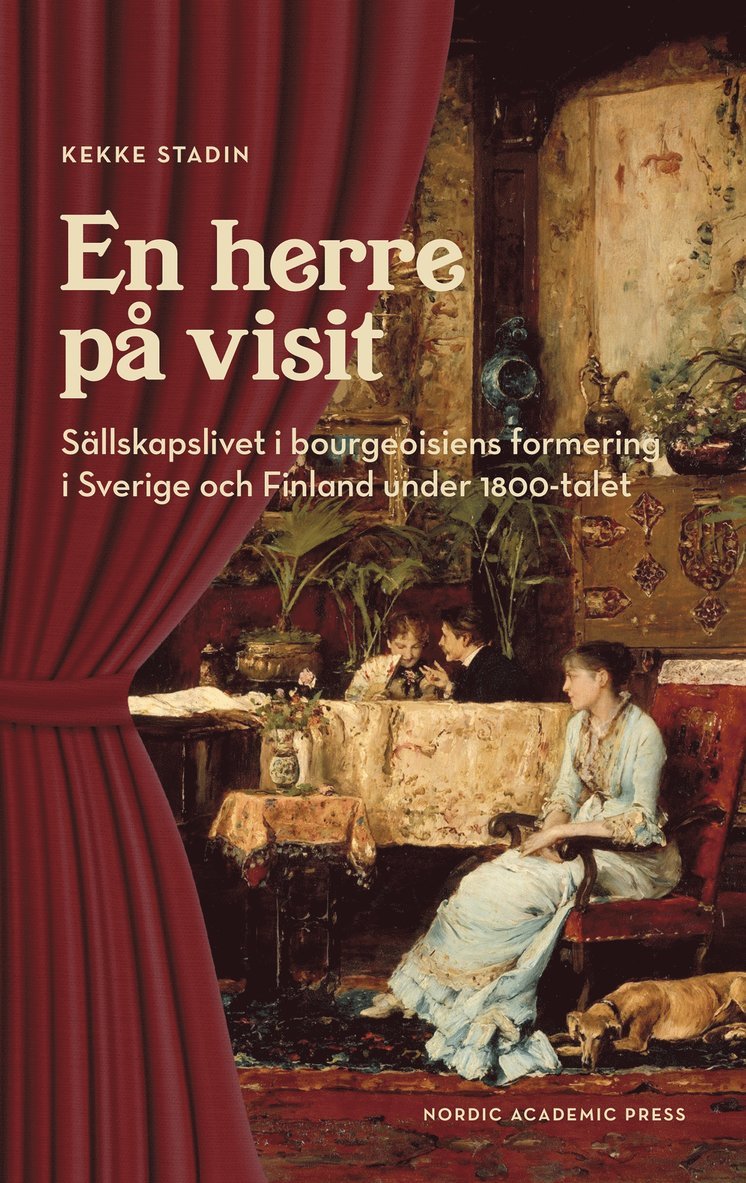
En herre på visit : sällskapslivet i bourgeoisiens formering i Sverige och Finland under 1800-talet
Av Kekke Stadin
Inbunden, 2025
5,0 utav 5 stjärnor. Totalt antal röster: (1)
222 kr
Lägg i varukorg
Den som vill komma upp sig och bli någon att räkna med i samhällseliten måste röra sig i rätt kretsar. Nu på 2000-talet gäller det att synas i sociala medier och att mingla med många, gärna populära, personer. Under 1800-talet skulle man delta i sällskapslivet helst flera dagar i veckan och i …
Promenerandets historia : från kungligt framträdande till folknöje
Av Kekke Stadin
Inbunden, 2023
271 kr
Lägg i varukorg
Människor har gått i alla tider, men promenader har det inte varit fråga om. Att promenera var under flera sekel detsamma som att åka häst och vagn eller gå till fots en bit, för nöjes skull, utan ett bestämt ärende. Nöjet var en lyx, länge förbehållet kungafamiljen och aristokratin. Den inhägnade …
Stånd och genus i stormaktstidens Sverige
Av Kekke Stadin
Häftad, 2009
4,0 utav 5 stjärnor. Totalt antal röster: (2)
219 kr
Lägg i varukorg
Stormaktstiden associeras gärna med manlighet, krutrök och hjältemod, men 1600-talet var så mycket mer än bara krig. Manlighet kan inte begränsas till våld och vi får inte låta krutröken skymma kvinnorna i samhället. Det är först när det manliga ses i relation till det kvinnliga som könsrollerna …
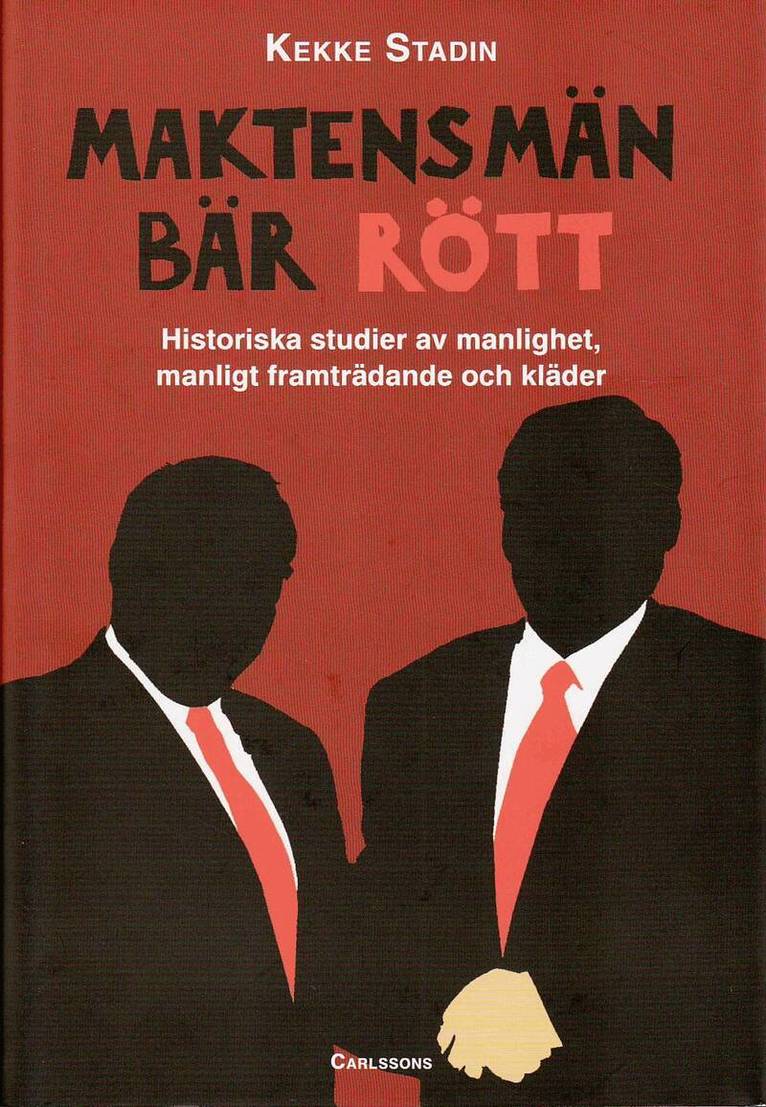
Maktens män bär rött : historiska studier av manlighet, manligt framträdande och kläder
Av Kekke Stadin
Inbunden, 2010
263 kr
Lägg i varukorg
I denna djuplodande och rikt illustrerade bok undersöker författaren hur bilden av manlighet och makt genom historien har kommunicerats genom kropp, kläder, mimik och statussymboler. För att kläder och statussymboler ska kunna tala till oss måste vi kunna tolka dem. Att högklackade, lårhöga stövlar …
Makt och skaparkraft : en antologi om den makalösa Christina Piper
Av Peder Lamm, Johan Brandtler m. fl.
Inbunden, 2021
4,0 utav 5 stjärnor. Totalt antal röster: (2)
325 kr
Lägg i varukorg
Vem var den makalösa Christina Piper? Ständigt aktiv, orädd och beslutsam styrde hon ett imperium av slott, gårdar och olika affärsintressen. 1720 lämnade Christina högkvarteret i Stockholm och intrigerna vid hovet för att bosätta sig i Skåne. Flytten blev en nytändning för den 47-åriga grevinnan, …
Stånd och genus i stormaktstidens Sverige
Av Kekke Stadin
E-bok, 2015
169 kr
Lägg i varukorg
Stormaktstiden associeras gärna med manlighet, krutrök och hjältemod, men 1600-talet var så mycket mer än bara krig. Manlighet kan inte begränsas till våld och vi får inte låta krutröken skymma kvinnorna i samhället. Det är först när det manliga ses i relation till det kvinnliga som könsrollerna …
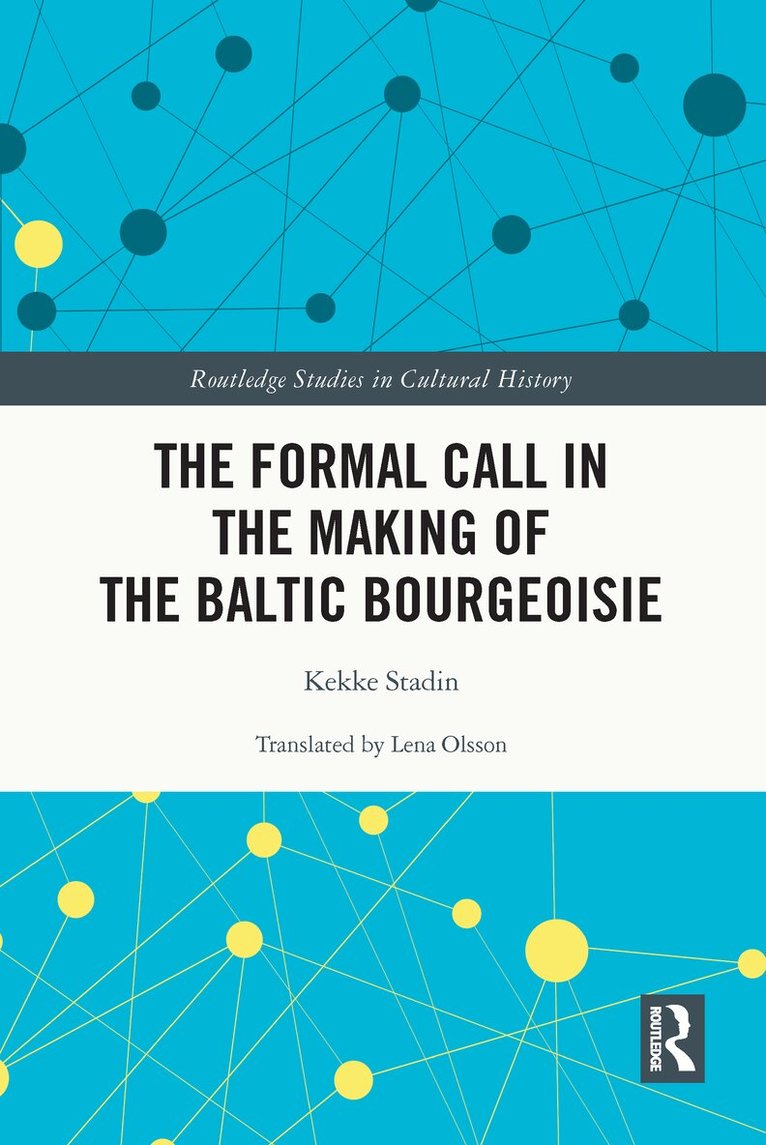
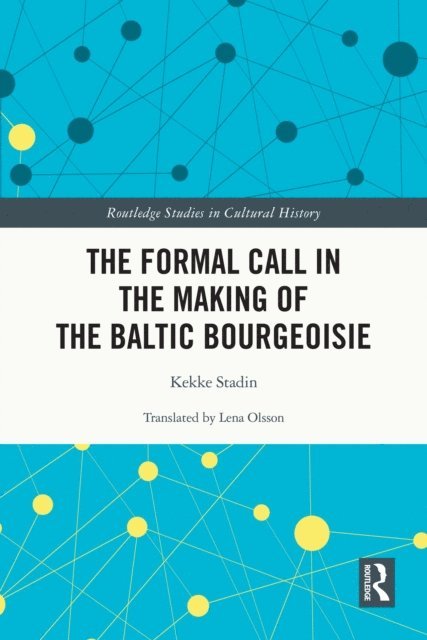
Formal Call in the Making of the Baltic Bourgeoisie
Av Kekke Stadin
Inbunden, 2021
2578 kr
Lägg i varukorg
This book studies the making of the bourgeoisie the Baltic Sea region in the nineteenth Century. This region was peripheral in comparison to England and France, with respect to urbanization, economic development, liberalism, and consumption. The bourgeoisie was still a class-to-be. By the end of …
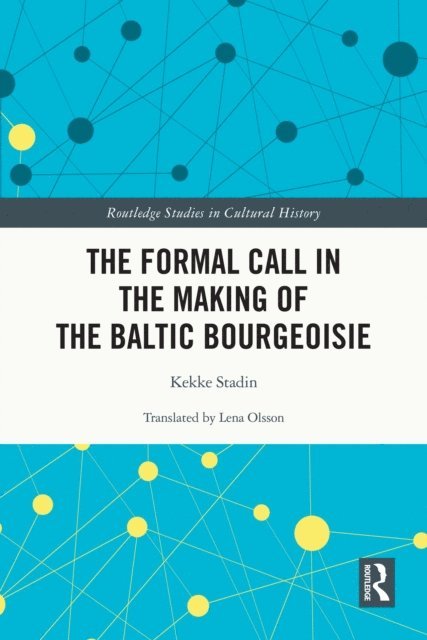
Formal Call in the Making of the Baltic Bourgeoisie
Av Kekke Stadin
Häftad, 2023
785 kr
Lägg i varukorg
This book studies the making of the bourgeoisie the Baltic Sea region in the nineteenth Century. This region was peripheral in comparison to England and France, with respect to urbanization, economic development, liberalism, and consumption. The bourgeoisie was still a class-to-be. By the end of …
Formal Call in the Making of the Baltic Bourgeoisie
Av Kekke Stadin
E-bok, 2021
907 kr
Lägg i varukorg
This book studies the making of the bourgeoisie the Baltic Sea region in the nineteenth Century. This region was peripheral in comparison to England and France, with respect to urbanization, economic development, liberalism, and consumption. The bourgeoisie was still a class-to-be. By the end of …
Formal Call in the Making of the Baltic Bourgeoisie
Av Kekke Stadin
E-bok, 2021
927 kr
Lägg i varukorg
This book studies the making of the bourgeoisie the Baltic Sea region in the nineteenth Century. This region was peripheral in comparison to England and France, with respect to urbanization, economic development, liberalism, and consumption. The bourgeoisie was still a class-to-be. By the end of …
Connecting the Baltic area : the Swedish postal system in the seventeenth century
Av Heiko Droste, Magnus Linnarsson m. fl.
Häftad, 2011
241 kr
Lägg i varukorg
The establishment in Europe of a postal service revolutionized seventeenth century communications as well as the media landscape. Throughout most of Europe news, which rose sharply in volume, now traveled expeditiously. The comparative ease by which word could be sent helped new social and economic …
En herre på visit. Sällskapslivet i bourgeoisiens formering i Sverige och Finland under 1800-talet
Av Kekke Stadin
E-bok, 2025
169 kr
Lägg i varukorg
Den som vill komma upp sig och bli någon att räkna med i samhällseliten måste röra sig i rätt kretsar. Nu på 2000-talet gäller det att synas i sociala medier och att mingla med många, gärna populära, personer. Under 1800-talet skulle man delta i sällskapslivet helst flera dagar i veckan och i …