Kelli Connell-Carrick – författare
Visar alla böcker från författaren Kelli Connell-Carrick. Handla med fri frakt och snabb leverans.
3 produkter
3 produkter
E-bok
Engelska, 2005842 kr
Läs direkt efter köp
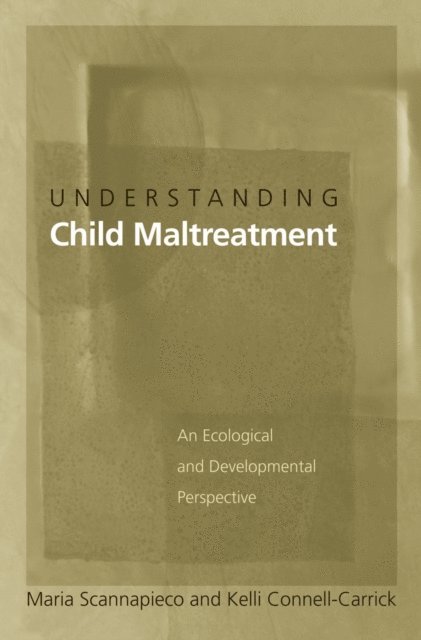
Child maltreatment professionals from all disciplines struggle to find better ways of understanding and treating the families and children affected by maltreatment. Since the mid-1960s, the "battered child syndrome," and recent high-profile abuse cases, a plethora of research and literature on child maltreatment has emerged, yet this is the first volume to offer a comprehensive integrated analysis for understanding, assessing, and treating child maltreatment within the ecological framework in a developmental context. This framework systematically organizes and integrates the complex empirical literature in child maltreatment and development, including the often-overlooked period of adolescence. Viewing child maltreatment from an ecological perspective, this volume identifies the risk and protective factors correlated with abuse and neglect. The authors present a comprehensive assessment framework, addressing the multiple developmental and environmental factors unique to each case. This framework fully considers risk and protective factors and their relationship to individuals, families, and environmental elements, presenting a much-needed perspective for today''s child protective services workers. Understanding Child Maltreatment is the first of its kind. While most books broadly address the developmental consequences of maltreatment, this volume goes further by proposing assessment and intervention strategies based on a deep understanding of each stage of a child''s development. Interventions center on the caregiver and the family, with particular attention to parenting skills and the challenges the child may experience within his or her developmental stage. Each chapter emphasizes empirically based interventions and includes a case illustration that guides readers in applying these concepts to their own practice. Providing a comprehensive, nuanced perspective on maltreatment, this book will be invaluable to students, researchers, and professionals.
Inbunden, Engelska, 2005
727 kr
Skickas inom 5-8 vardagar
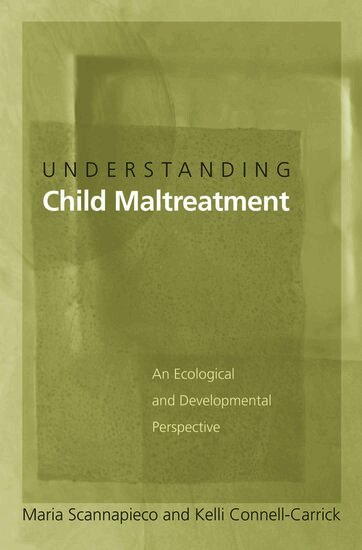
Child maltreatment professionals from all disciplines struggle to find better ways of understanding and treating the families and children affected by child maltreatment. Since the mid-1960's, the "battered child syndrome," and recent high-profile abuse cases, a plethora or research and literature on child maltreatment has emerged, yet thesis the first volume to offer a comprehensive integrated analysis for understanding, assessing, and treating child maltreatment within the ecological framework in a developmental context. This framework systematically organizes and integrates the complex empirical literature in child maltreatment and development, including the often over-looked period of adolescence. Viewing child maltreatment from an ecological perspective, this volume identifies the risk and protective factors correlated with abuse and neglect. The authors present a comprehensive assessment framework, addressing the multiple developmental and environmental factors unique to each case. This framework fully considers risk and protective factors and their relationship to individuals, families, and environmental elements, presenting a much-needed perspective for today's child protective services workers. Understanding Child Maltreatment is the first book of its kind; while most books broadly address the developmental consequences of maltreatment, this book goes further by proposing assessment and intervention strategies based on a deep understanding of each stage of a child's development. Interventions center on the caregiver and the family, with particular attention to parenting skills and the challenges the child may experience within his or her developmental stage. Each chapter emphasizes empirically based interventions and includes a case illustration that guides perspective on maltreatment, this book will be invaluable to students, researchers, and professionals.
E-bok
PDF, Engelska, 2005842 kr
Läs direkt efter köp
Child maltreatment professionals from all disciplines struggle to find better ways of understanding and treating the families and children affected by maltreatment. Since the mid-1960s, the "battered child syndrome," and recent high-profile abuse cases, a plethora of research and literature on child maltreatment has emerged, yet this is the first volume to offer a comprehensive integrated analysis for understanding, assessing, and treating child maltreatment within the ecological framework in a developmental context. This framework systematically organizes and integrates the complex empirical literature in child maltreatment and development, including the often-overlooked period of adolescence. Viewing child maltreatment from an ecological perspective, this volume identifies the risk and protective factors correlated with abuse and neglect. The authors present a comprehensive assessment framework, addressing the multiple developmental and environmental factors unique to each case. This framework fully considers risk and protective factors and their relationship to individuals, families, and environmental elements, presenting a much-needed perspective for today''s child protective services workers. Understanding Child Maltreatment is the first of its kind. While most books broadly address the developmental consequences of maltreatment, this volume goes further by proposing assessment and intervention strategies based on a deep understanding of each stage of a child''s development. Interventions center on the caregiver and the family, with particular attention to parenting skills and the challenges the child may experience within his or her developmental stage. Each chapter emphasizes empirically based interventions and includes a case illustration that guides readers in applying these concepts to their own practice. Providing a comprehensive, nuanced perspective on maltreatment, this book will be invaluable to students, researchers, and professionals.