Kemal Kirisci – författare
Visar alla böcker från författaren Kemal Kirisci. Handla med fri frakt och snabb leverans.
13 produkter
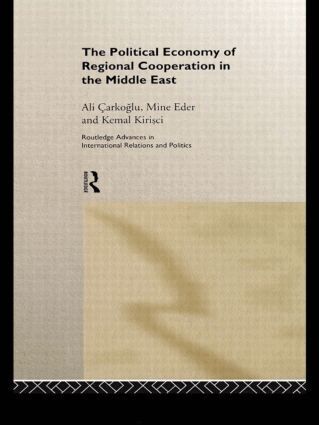
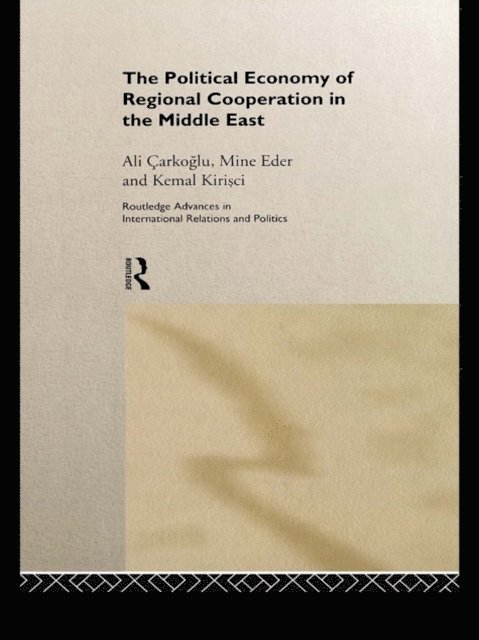
Political Economy of Regional Cooperation in the Middle East
Av Ali Carkoglu, Mine Eder m. fl.
Inbunden, 1998
2510 kr
Lägg i varukorg
This book explores the current anatomy of regional cooperation and why it has often failed to take hold. It offers an alternative view of politics and international relations in the Middle East. The findings show that co-operation between many of the more open regimes, such as Israel, Jordan, …
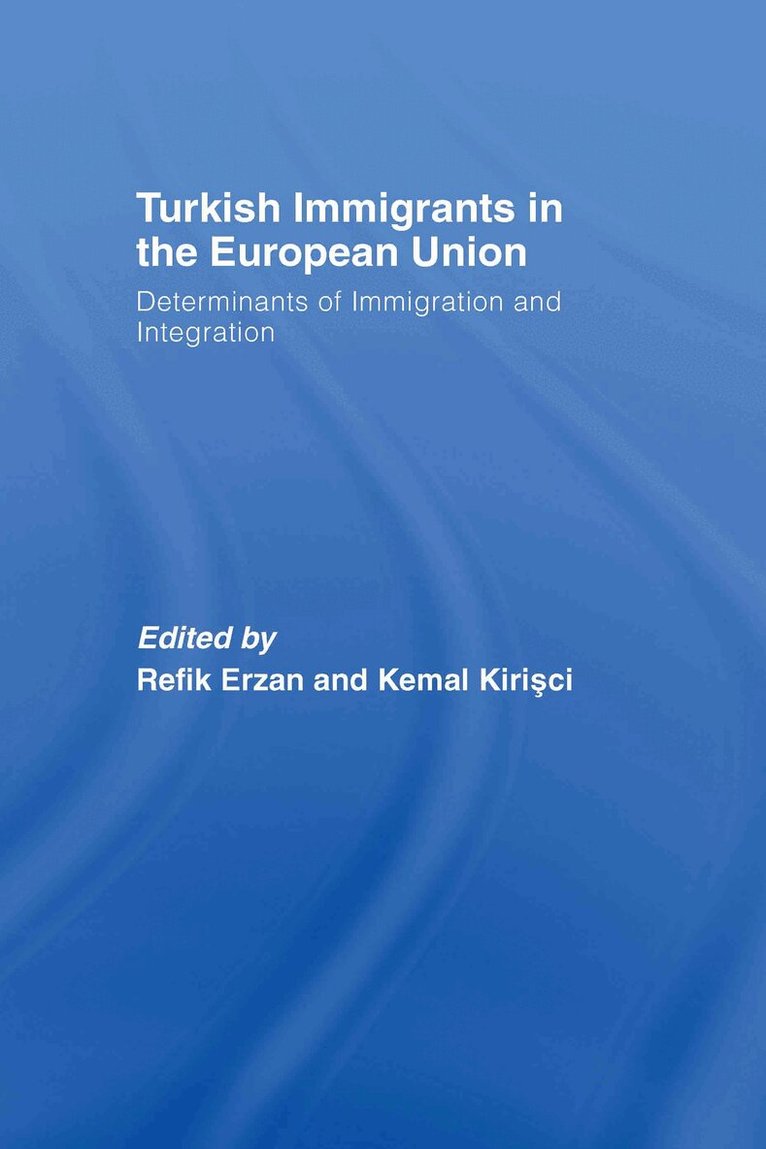
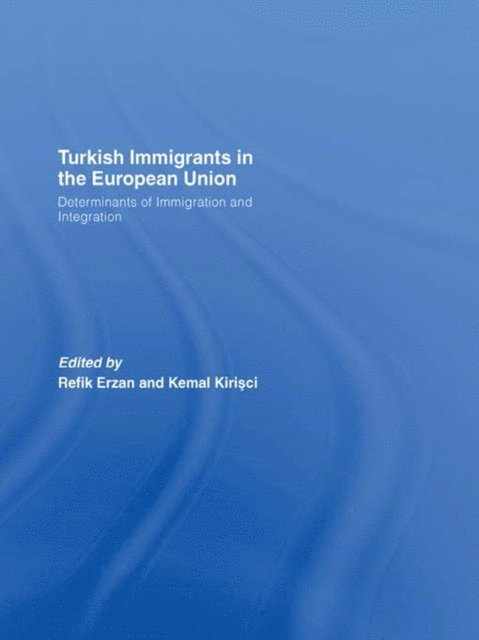
Turkish Immigrants in the European Union
Determinants of Immigration and Integration
Inbunden, 2007
1521 kr
Lägg i varukorg
This book provides an analytical contribution to the contested issues marking Turkish membership to the European Union.On October 2005 Turkey started the accession process towards EU membership. Currently, many Europeans fear that large numbers of Turkish nationals will flood member countries if …
Turkish Immigrants in the European Union
Determinants of Immigration and Integration
Häftad, 2009
575 kr
Lägg i varukorg
This book provides an analytical contribution to the contested issues marking Turkish membership to the European Union.On October 2005 Turkey started the accession process towards EU membership. Currently, many Europeans fear that large numbers of Turkish nationals will flood member countries if …
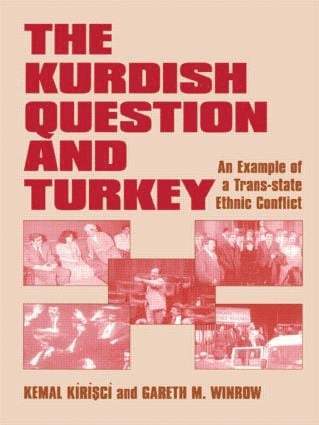
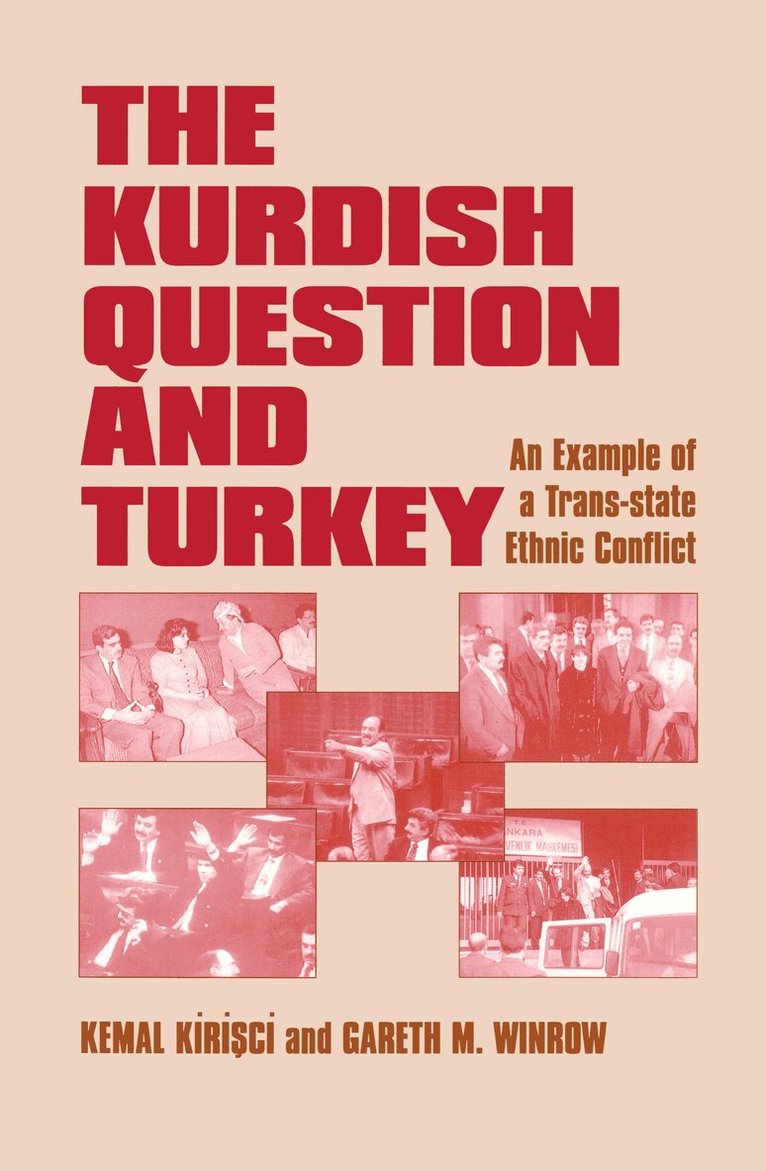
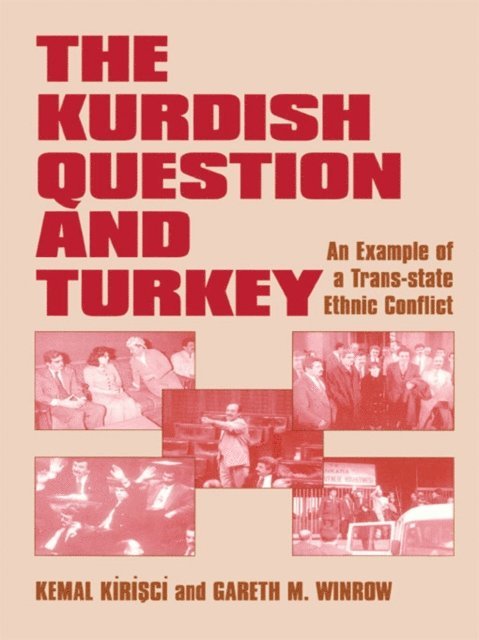
Kurdish Question and Turkey
An Example of a Trans-state Ethnic Conflict
Av Kemal Kirisci, Gareth M. Winrow
Häftad, 1997
822 kr
Lägg i varukorg
This volume examines the Kurdish question in Turkey, tracing its developments from the end of the Ottoman Empire to the present day. The study considers: secession; federal schemes; various forms of autonomy; the provision of special rights; and further democratization.
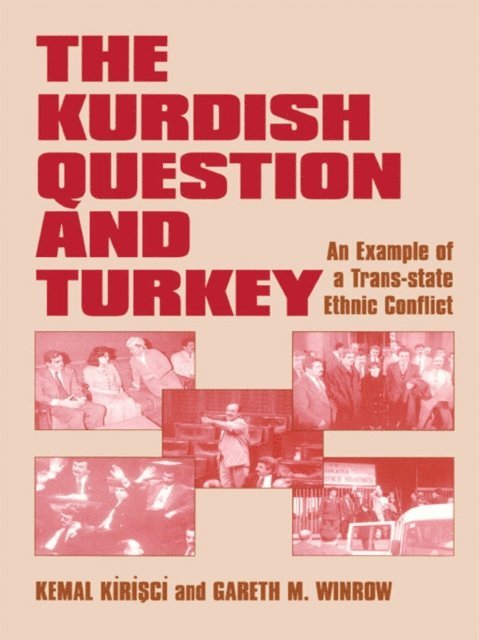
Kurdish Question and Turkey
An Example of a Trans-state Ethnic Conflict
Av Kemal Kirisci, Gareth M. Winrow
Inbunden, 1997
2510 kr
Lägg i varukorg
This volume examines the Kurdish question in Turkey, tracing its developments from the end of the Ottoman Empire to the present day. The study considers: secession; federal schemes; various forms of autonomy; the provision of special rights; and further democratization.
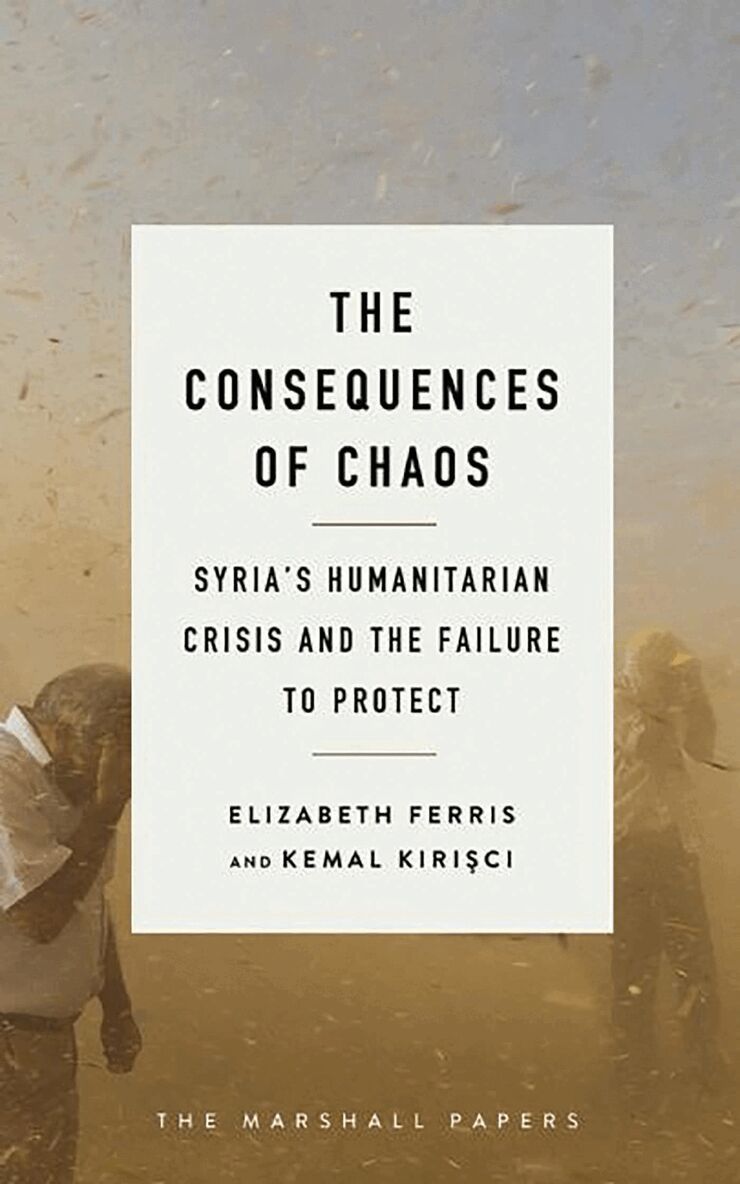
Consequences of Chaos
Syria's Humanitarian Crisis and the Failure to Protect
Av Elizabeth G. Ferris, Kemal Kirisci
Häftad, 2016
254 kr
Lägg i varukorg
The massive dimensions of Syria's refugee crisis—and the search for solutionsThe civil war in Syria has forced some 10 million people—more than half the country's population—from their homes and communities, creating one of the largest human displacements since the end of World War II. Daily …
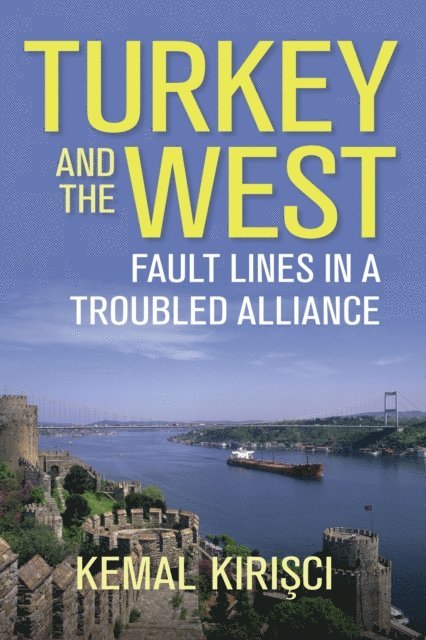
Turkey and the West
Fault Lines in a Troubled Alliance
E-bok, 2017
428 kr
Lägg i varukorg
Turkey: A necessary ally in a troubled region With the new administration in office, it is not clear whether the U.S. will continue to lead and sustain a global liberal order that was already confronted by daunting challenges. These range from a fragile European Union rocked by the United …
Political Economy of Regional Cooperation in the Middle East
Av Kemal Kirisci, Mine Eder m. fl.
E-bok, 2005
831 kr
Lägg i varukorg
This book explores the current anatomy of regional cooperation and why it has often failed to take hold. It offers an alternative view of politics and international relations in the Middle East. The findings show that co-operation between many of the more open regimes, such as Israel, Jordan, …
Political Economy of Regional Cooperation in the Middle East
Av Kemal Kirisci, Mine Eder m. fl.
E-bok, 2005
813 kr
Lägg i varukorg
This book explores the current anatomy of regional cooperation and why it has often failed to take hold. It offers an alternative view of politics and international relations in the Middle East. The findings show that co-operation between many of the more open regimes, such as Israel, Jordan, …
Kurdish Question and Turkey
An Example of a Trans-state Ethnic Conflict
Av Gareth M. Winrow, Kemal Kirisci
E-bok, 2013
999 kr
Lägg i varukorg
This volume examines the Kurdish question in Turkey, tracing its developments from the end of the Ottoman Empire to the present day. The study considers: secession; federal schemes; various forms of autonomy; the provision of special rights; and further democratization.
Kurdish Question and Turkey
An Example of a Trans-state Ethnic Conflict
Av Gareth M. Winrow, Kemal Kirisci
E-bok, 2013
999 kr
Lägg i varukorg
This volume examines the Kurdish question in Turkey, tracing its developments from the end of the Ottoman Empire to the present day. The study considers: secession; federal schemes; various forms of autonomy; the provision of special rights; and further democratization.
Turkish Immigrants in the European Union
Determinants of Immigration and Integration
E-bok, 2013
661 kr
Lägg i varukorg
This book provides an analytical contribution to the contested issues marking Turkish membership to the European Union. On October 2005 Turkey started the accession process towards EU membership. Currently, many Europeans fear that large numbers of Turkish nationals will flood member countries if …
Turkish Immigrants in the European Union
Determinants of Immigration and Integration
E-bok, 2013
676 kr
Lägg i varukorg
This book provides an analytical contribution to the contested issues marking Turkish membership to the European Union. On October 2005 Turkey started the accession process towards EU membership. Currently, many Europeans fear that large numbers of Turkish nationals will flood member countries if …