Ken Johns – författare
Visar alla böcker från författaren Ken Johns. Handla med fri frakt och snabb leverans.
7 produkter
7 produkter
Inbunden, Engelska, 1999
2 395 kr
Skickas inom 10-15 vardagar
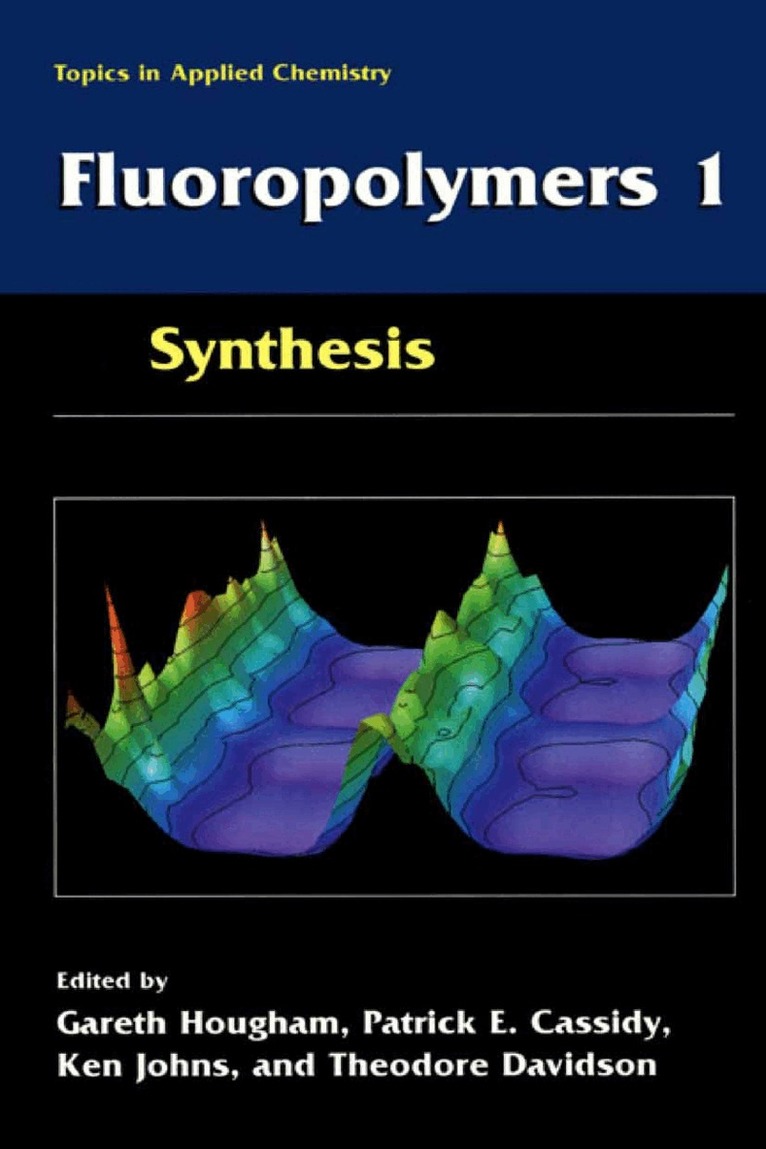
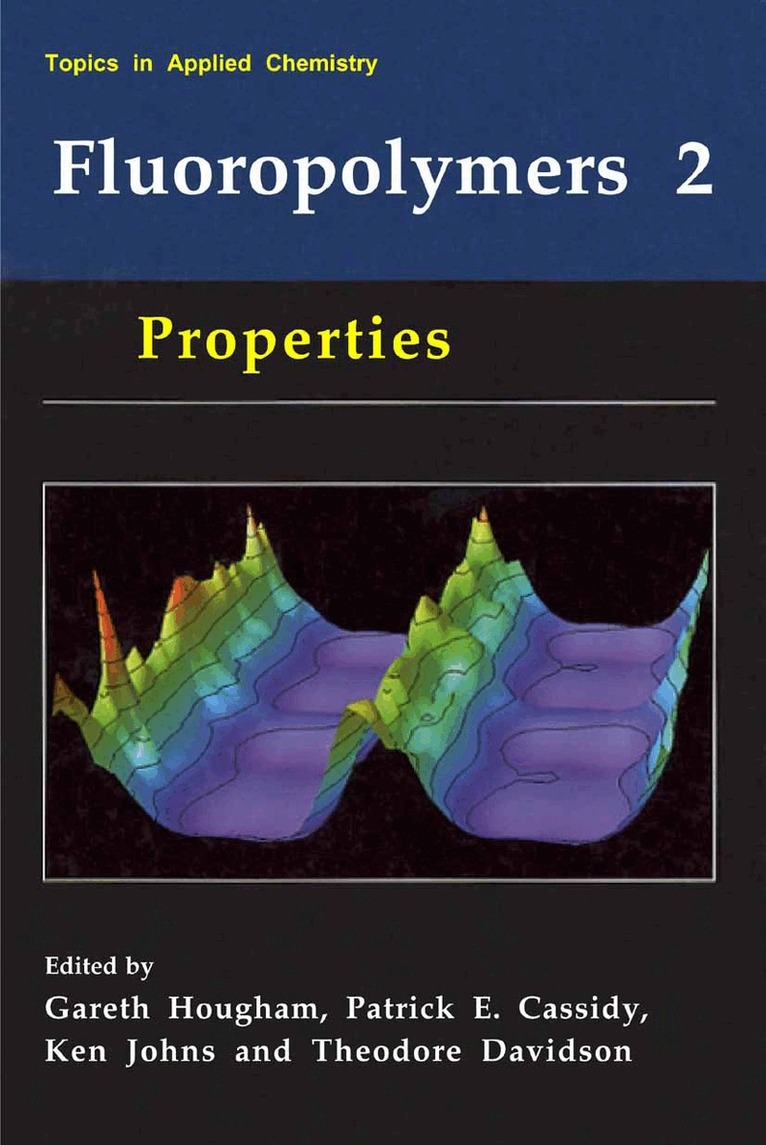
The fluorine atom, by virtue of its electronegativity, size, and bond strength with carbon, can be used to create compounds with remarkable properties. Small molecules containing fluorine have many positive impacts on everyday life of which blood substitutes, pharmaceuticals, and surface modifiers are only a few examples. Fluoropolymers, too, while traditionally associated with extreme hi- performance applications have found their way into our homes, our clothing, and even our language. A recent American president was often likened to the tribology of PTFE. Since the serendipitous discovery of Teflon at the Dupont Jackson Laboratory in 1938, fluoropolymers have grown steadily in technological and marketplace importance. New synthetic fluorine chemistry, new processes, and new apprec- tion of the mechanisms by which fluorine imparts exceptional properties all contribute to accelerating growth in fluoropolymers. There are many stories of harrowing close calls in the fluorine chemistry lab, especially from the early years, and synthetic challenges at times remain daunting. But, fortunately, modern techniques and facilities have enabled significant strides toward taming both the hazards and synthetic uncertainties. In contrast to past environmental problems associated with fluorocarbon refrigerants, the exceptional properties of fluorine in polymers have great environmental value. Some fluoropolymers are enabling green technologies such as hydrogen fuel cells for automobiles and oxygen-selective membranes for cleaner diesel combustion.
Inbunden, Engelska, 1999
2 720 kr
Skickas inom 10-15 vardagar
The fluorine atom, by virtue of its electronegativity, size, and bond strength with carbon, can be used to create compounds with remarkable properties. Small molecules containing fluorine have many positive impacts on everyday life of which blood substitutes, pharmaceuticals, and surface modifiers are only a few examples. Fluoropolymers, too, while traditionally associated with extreme high performance applications have found their way into our homes, our clothing, and even our language. A recent American president was often likened to the tribology of PTFE. Since the serendipitous discovery of Teflon at the DuPont Jackson Laboratory in 1938, fluoropolymers have grown steadily in technological and marketplace importance. New synthetic fluorine chemistry, new processes, and new apprecia tion of the mechanisms by which fluorine imparts exceptional properties all contribute to accelerating growth in fluoropolymers. There are many stories of harrowing close calls in the fluorine chemistrylab, especially from the early years, and synthetic challenges at times remain daunting. But, fortunately, modem techniques and facilities have enabled significant strides toward taming both the hazards and synthetic uncertainties, In contrast to past environmental problems associated with fluorocarbon refrigerants, the exceptional properties of fluorine in polymers have great environmental value. Some fluoropolymers are enabling green technologies such as hydrogen fuel cells for automobiles and oxygen selective membranes for cleaner diesel combustion.
E-bok
PDF, Engelska, 20063 046 kr
Läs direkt efter köp
The fluorine atom, by virtue of its electronegativity, size, and bond strength with carbon, can be used to create compounds with remarkable properties. Small molecules containing fluorine have many positive impacts on everyday life of which blood substitutes, pharmaceuticals, and surface modifiers are only a few examples. Fluoropolymers, too, while traditionally associated with extreme hi- performance applications have found their way into our homes, our clothing, and even our language. A recent American president was often likened to the tribology of PTFE. Since the serendipitous discovery of Teflon at the Dupont Jackson Laboratory in 1938, fluoropolymers have grown steadily in technological and marketplace importance. New synthetic fluorine chemistry, new processes, and new apprec- tion of the mechanisms by which fluorine imparts exceptional properties all contribute to accelerating growth in fluoropolymers. There are many stories of harrowing close calls in the fluorine chemistry lab, especially from the early years, and synthetic challenges at times remain daunting. But, fortunately, modern techniques and facilities have enabled significant strides toward taming both the hazards and synthetic uncertainties. In contrast to past environmental problems associated with fluorocarbon refrigerants, the exceptional properties of fluorine in polymers have great environmental value. Some fluoropolymers are enabling green technologies such as hydrogen fuel cells for automobiles and oxygen-selective membranes for cleaner diesel combustion.
E-bok
PDF, Engelska, 20063 351 kr
Läs direkt efter köp
The fluorine atom, by virtue of its electronegativity, size, and bond strength with carbon, can be used to create compounds with remarkable properties. Small molecules containing fluorine have many positive impacts on everyday life of which blood substitutes, pharmaceuticals, and surface modifiers are only a few examples. Fluoropolymers, too, while traditionally associated with extreme high performance applications have found their way into our homes, our clothing, and even our language. A recent American president was often likened to the tribology of PTFE. Since the serendipitous discovery of Teflon at the DuPont Jackson Laboratory in 1938, fluoropolymers have grown steadily in technological and marketplace importance. New synthetic fluorine chemistry, new processes, and new apprecia tion of the mechanisms by which fluorine imparts exceptional properties all contribute to accelerating growth in fluoropolymers. There are many stories of harrowing close calls in the fluorine chemistrylab, especially from the early years, and synthetic challenges at times remain daunting. But, fortunately, modem techniques and facilities have enabled significant strides toward taming both the hazards and synthetic uncertainties, In contrast to past environmental problems associated with fluorocarbon refrigerants, the exceptional properties of fluorine in polymers have great environmental value. Some fluoropolymers are enabling green technologies such as hydrogen fuel cells for automobiles and oxygen selective membranes for cleaner diesel combustion.
Häftad, Engelska, 2013
2 718 kr
Skickas inom 10-15 vardagar
The fluorine atom, by virtue of its electronegativity, size, and bond strength with carbon, can be used to create compounds with remarkable properties. Small molecules containing fluorine have many positive impacts on everyday life of which blood substitutes, pharmaceuticals, and surface modifiers are only a few examples. Fluoropolymers, too, while traditionally associated with extreme high performance applications have found their way into our homes, our clothing, and even our language. A recent American president was often likened to the tribology of PTFE. Since the serendipitous discovery of Teflon at the DuPont Jackson Laboratory in 1938, fluoropolymers have grown steadily in technological and marketplace importance. New synthetic fluorine chemistry, new processes, and new apprecia tion of the mechanisms by which fluorine imparts exceptional properties all contribute to accelerating growth in fluoropolymers. There are many stories of harrowing close calls in the fluorine chemistrylab, especially from the early years, and synthetic challenges at times remain daunting. But, fortunately, modem techniques and facilities have enabled significant strides toward taming both the hazards and synthetic uncertainties, In contrast to past environmental problems associated with fluorocarbon refrigerants, the exceptional properties of fluorine in polymers have great environmental value. Some fluoropolymers are enabling green technologies such as hydrogen fuel cells for automobiles and oxygen selective membranes for cleaner diesel combustion.
Häftad, Engelska, 2013
2 393 kr
Skickas inom 10-15 vardagar
The fluorine atom, by virtue of its electronegativity, size, and bond strength with carbon, can be used to create compounds with remarkable properties. Small molecules containing fluorine have many positive impacts on everyday life of which blood substitutes, pharmaceuticals, and surface modifiers are only a few examples. Fluoropolymers, too, while traditionally associated with extreme hi- performance applications have found their way into our homes, our clothing, and even our language. A recent American president was often likened to the tribology of PTFE. Since the serendipitous discovery of Teflon at the Dupont Jackson Laboratory in 1938, fluoropolymers have grown steadily in technological and marketplace importance. New synthetic fluorine chemistry, new processes, and new apprec- tion of the mechanisms by which fluorine imparts exceptional properties all contribute to accelerating growth in fluoropolymers. There are many stories of harrowing close calls in the fluorine chemistry lab, especially from the early years, and synthetic challenges at times remain daunting. But, fortunately, modern techniques and facilities have enabled significant strides toward taming both the hazards and synthetic uncertainties. In contrast to past environmental problems associated with fluorocarbon refrigerants, the exceptional properties of fluorine in polymers have great environmental value. Some fluoropolymers are enabling green technologies such as hydrogen fuel cells for automobiles and oxygen-selective membranes for cleaner diesel combustion.
Del 1 - Split-Second Time Travel Stories
Lost In Time
Split-Second Time Travel Story #1
Häftad, Engelska, 2018
171 kr
Tillfälligt slut