162 kr
Skickas
162 kr
Skickas
309 kr
Skickas inom 3-6 vardagar
183 kr
Skickas
122 kr
Läs direkt efter köp
287 kr
Skickas
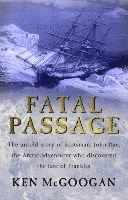
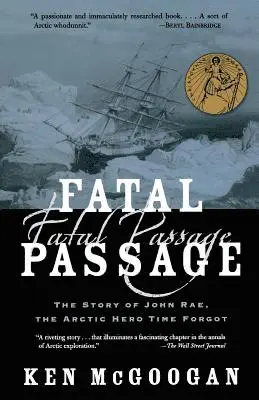
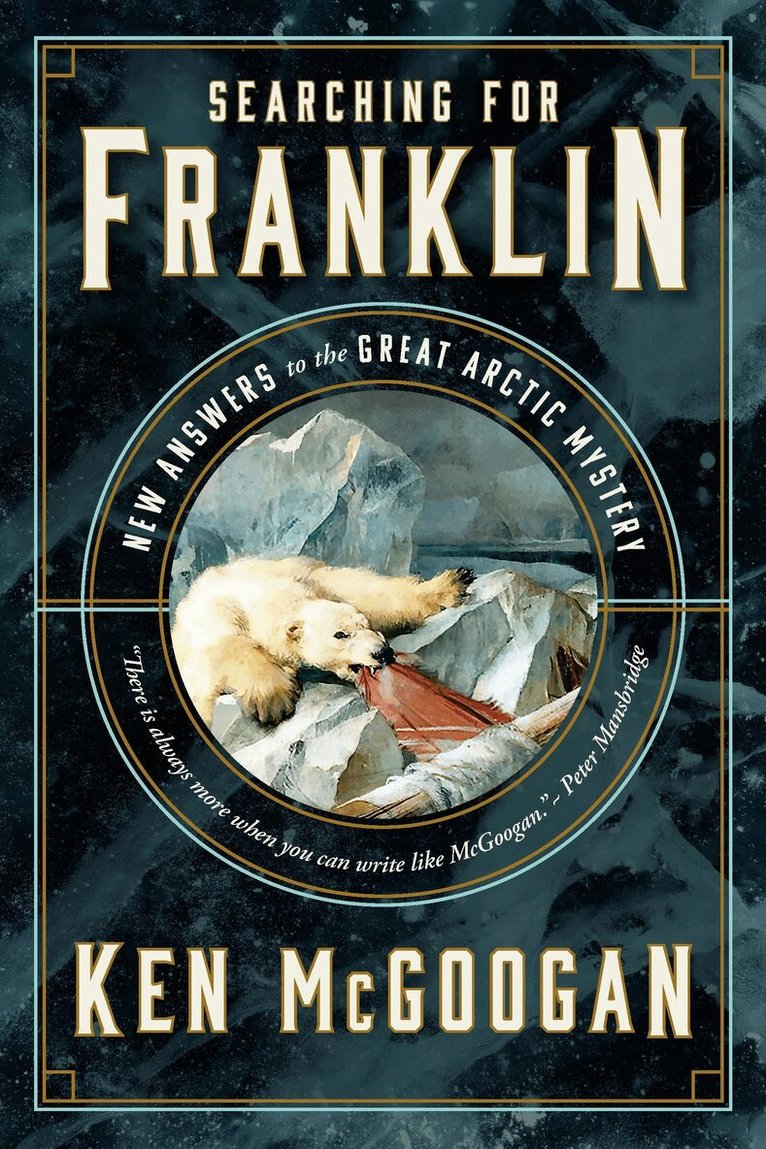
Arctic historian Ken McGoogan approaches the legacy of nineteenth-century explorer Sir John Franklin from a contemporary perspective and offers a surprising new explanation of an enduring Northern mystery.
Two of Arctic explorer Sir John Franklin’s expeditions were monumental failures—the last one leading to more than a hundred deaths, including his own. Yet many still see the Royal Navy man as a heroic figure who sacrificed himself to discover the Northwest Passage.
This book, McGoogan’s sixth about Arctic exploration, challenges that vision. It rejects old orthodoxies, incorporates the latest discoveries, and interweaves two main narratives. The first treats the Royal Navy’s Arctic Overland Expedition of 1819, a harbinger-misadventure during which Franklin rejected the advice of Dene and Métis leaders and lost eleven of his twenty-one men to exhaustion, starvation and murder. The second discovers a startling new answer to that greatest of Arctic mysteries: what was the root cause of the catastrophe that engulfed Franklin’s last expedition?
The well-preserved wrecks of Erebus and Terror—located in 2014 and 2016—promise to yield more clues about what cost the lives of the expedition members, some of whom were reduced to cannibalism. Contemporary researchers, rejecting theories of lead poisoning and botulism, continue to seek conclusive evidence both underwater and on land.
Drawing on his own research and Inuit oral accounts, McGoogan teases out many intriguing aspects of Franklin’s expeditions, including the explorer’s lethal hubris in ignoring the expert advice of the Dene leader Akaitcho. Franklin disappeared into the Arctic in 1845, yet people remain fascinated with his final doomed voyage: what happened? McGoogan will captivate readers with his first-hand account of travelling to relevant locations, visiting the graves of dead sailors and experiencing the Arctic—one of the most dramatic and challenging landscapes on the planet.
346 kr
Skickas inom 3-6 vardagar
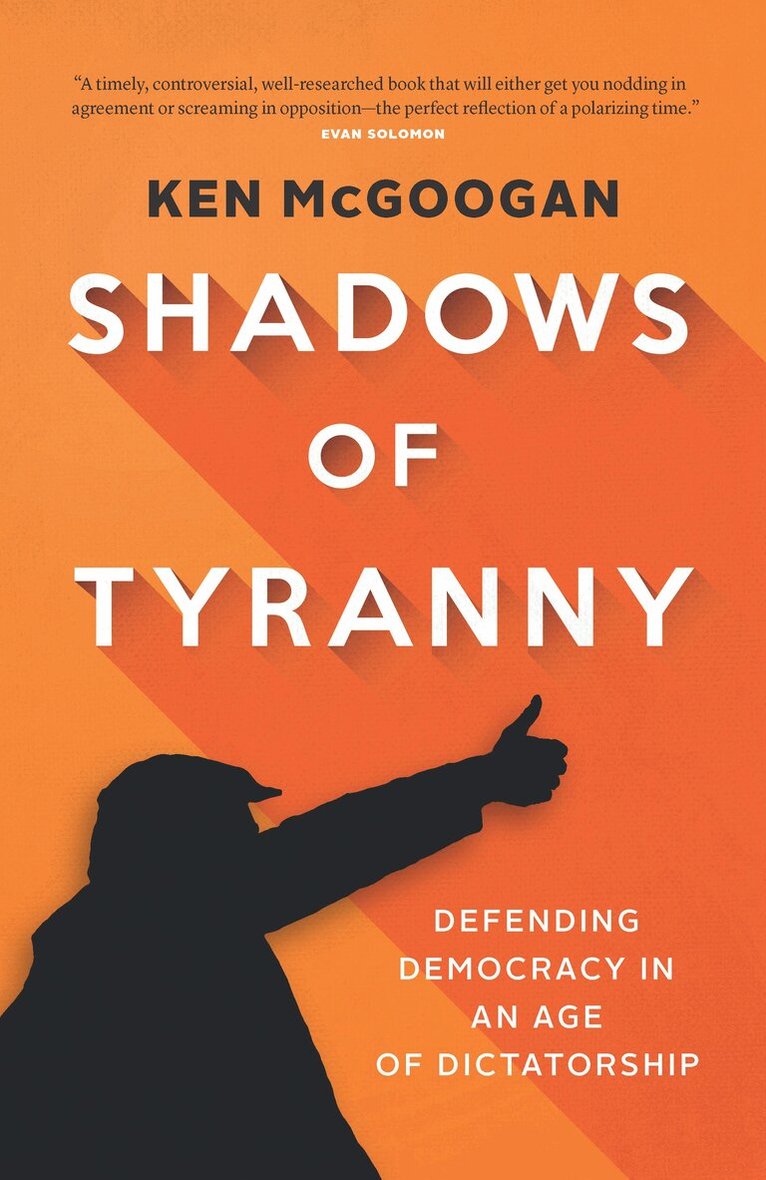
In response to right-wing extremism in the United States and around the world, Ken McGoogan offers lessons from history by looking back at the rise of authoritarianism and the collapse of European democracies in the lead-up to World War II.*INDIES Book of the Year Award Finalist
In Shadows of Tyranny, historian Ken McGoogan warns against the future by drawing on the past, setting the emergence of alt-right fascism in the US against what happened last century in Europe. Incorporating conventional history, political analysis, biographical sketches and literary criticism—referencing visionary works by Margaret Atwood, George Orwell, H.G. Wells, Yevgeny Zamyatin, Jack London, Sinclair Lewis and Philip Roth—Shadows of Tyranny honors those who defied dictatorship and exposed totalitarianism in all its guises.
McGoogan traces the ways democracy succumbed to paranoia, polarization, scapegoating and demagoguery less than a hundred years ago in the days of Stalin, Hitler and Mussolini. Taking a biographical approach to history, he highlights the personal stories of those individuals who fought their way through the Great Depression, the Spanish Civil War and the Second World War. He looks at what the authors, journalists and poets of the day were writing, who was listening, and who wasn’t.
The book tracks George Orwell, of course, but also journalists like Matthew Halton, Dorothy Thompson and Martha Gellhorn, philosophers like Walter Benjamin and Hannah Arendt, and such multi-faceted figures as Winston Churchill, Andre Malraux, Norman Bethune and William Stephenson. It follows them from the obliviousness of the 1920s through the stunned awakening of the 1930s, and on into the nightmare horror of the 1940s. McGoogan spotlights heroes of the French Resistance, such as Josephine Baker and Marie Madeleine Fourcade, before shifting the focus to reveal startling similarities between those events of the past and the trajectory of American politics under leaders like McCarthy and Trump.
Shadows of Tyranny aims to revive the words of Winston Churchill when he said, “Those that fail to learn from history are doomed to repeat it.” Twentieth-century novels such as George Orwell’s 1984 and Margaret Atwood’s The Handmaid’s Tale produced visions of future dystopia that rang with echoes of past tyrannies. Always implied was a warning that history’s worst chapters are never truly closed, and that we must not fail—as many of our forebears did—to recognize that the threat of totalitarianism cannot simply be wished away.
162 kr
Skickas
309 kr
Skickas inom 3-6 vardagar
183 kr
Skickas
122 kr
Läs direkt efter köp
287 kr
Skickas
Arctic historian Ken McGoogan approaches the legacy of nineteenth-century explorer Sir John Franklin from a contemporary perspective and offers a surprising new explanation of an enduring Northern mystery.
Two of Arctic explorer Sir John Franklin’s expeditions were monumental failures—the last one leading to more than a hundred deaths, including his own. Yet many still see the Royal Navy man as a heroic figure who sacrificed himself to discover the Northwest Passage.
This book, McGoogan’s sixth about Arctic exploration, challenges that vision. It rejects old orthodoxies, incorporates the latest discoveries, and interweaves two main narratives. The first treats the Royal Navy’s Arctic Overland Expedition of 1819, a harbinger-misadventure during which Franklin rejected the advice of Dene and Métis leaders and lost eleven of his twenty-one men to exhaustion, starvation and murder. The second discovers a startling new answer to that greatest of Arctic mysteries: what was the root cause of the catastrophe that engulfed Franklin’s last expedition?
The well-preserved wrecks of Erebus and Terror—located in 2014 and 2016—promise to yield more clues about what cost the lives of the expedition members, some of whom were reduced to cannibalism. Contemporary researchers, rejecting theories of lead poisoning and botulism, continue to seek conclusive evidence both underwater and on land.
Drawing on his own research and Inuit oral accounts, McGoogan teases out many intriguing aspects of Franklin’s expeditions, including the explorer’s lethal hubris in ignoring the expert advice of the Dene leader Akaitcho. Franklin disappeared into the Arctic in 1845, yet people remain fascinated with his final doomed voyage: what happened? McGoogan will captivate readers with his first-hand account of travelling to relevant locations, visiting the graves of dead sailors and experiencing the Arctic—one of the most dramatic and challenging landscapes on the planet.
346 kr
Skickas inom 3-6 vardagar
In response to right-wing extremism in the United States and around the world, Ken McGoogan offers lessons from history by looking back at the rise of authoritarianism and the collapse of European democracies in the lead-up to World War II.*INDIES Book of the Year Award Finalist
In Shadows of Tyranny, historian Ken McGoogan warns against the future by drawing on the past, setting the emergence of alt-right fascism in the US against what happened last century in Europe. Incorporating conventional history, political analysis, biographical sketches and literary criticism—referencing visionary works by Margaret Atwood, George Orwell, H.G. Wells, Yevgeny Zamyatin, Jack London, Sinclair Lewis and Philip Roth—Shadows of Tyranny honors those who defied dictatorship and exposed totalitarianism in all its guises.
McGoogan traces the ways democracy succumbed to paranoia, polarization, scapegoating and demagoguery less than a hundred years ago in the days of Stalin, Hitler and Mussolini. Taking a biographical approach to history, he highlights the personal stories of those individuals who fought their way through the Great Depression, the Spanish Civil War and the Second World War. He looks at what the authors, journalists and poets of the day were writing, who was listening, and who wasn’t.
The book tracks George Orwell, of course, but also journalists like Matthew Halton, Dorothy Thompson and Martha Gellhorn, philosophers like Walter Benjamin and Hannah Arendt, and such multi-faceted figures as Winston Churchill, Andre Malraux, Norman Bethune and William Stephenson. It follows them from the obliviousness of the 1920s through the stunned awakening of the 1930s, and on into the nightmare horror of the 1940s. McGoogan spotlights heroes of the French Resistance, such as Josephine Baker and Marie Madeleine Fourcade, before shifting the focus to reveal startling similarities between those events of the past and the trajectory of American politics under leaders like McCarthy and Trump.
Shadows of Tyranny aims to revive the words of Winston Churchill when he said, “Those that fail to learn from history are doomed to repeat it.” Twentieth-century novels such as George Orwell’s 1984 and Margaret Atwood’s The Handmaid’s Tale produced visions of future dystopia that rang with echoes of past tyrannies. Always implied was a warning that history’s worst chapters are never truly closed, and that we must not fail—as many of our forebears did—to recognize that the threat of totalitarianism cannot simply be wished away.