Kendrick Frazier - Böcker
Visar alla böcker från författaren Kendrick Frazier. Handla med fri frakt och snabb leverans.
14 produkter
14 produkter
350 kr
Skickas inom 5-8 vardagar
In northwestern New Mexico's Chaco Canyon lies a spectacular array of ruins. Like Stonehenge, they are both a monument to our pre-history and a cryptic puzzle. We know that in Chaco Canyon, one thousand years ago, there arose among the Pueblo people a great and culturally sophisticated civilization. But many questions remain: Just what function did Chaco Canyon fulfill? How great was its extent and influence? Why did its culture collapse? First published in 1986 and now updated with the latest archaeological and anthropological evidence, People of Chaco is an essential book for the general reader on the Chaco culture and ruins. With grace and erudition, Kendrick Frazier scours the canyon for clues about its unique cultural system, confirms its importance to archaeology, and saves this vital American narrative from the oblivion of history.
370 kr
Skickas inom 3-6 vardagar
Headlines and television news reports feature accounts of reincarnation, the predictions of astrologers, and psychic 'miracles'. Citizens report UFO sightings. Police departments call on psychics to provide clues in baffling crimes. From every available information source, the public is bombarded with unsubstantiated claims of paranormal phenomena. How much of the evidence is reliable? What is the truth behind these claims? This is an exciting, well-informed examination of the most publicized and exotic claims of astrology, ESP, psychokinesis, precognition, UFOs, biorhythms, and other phenomena. Written by respected psychologists, astronomers and other scientists, philosophers, investigative journalists, and magicians, the 47 articles in this superb collection present a skeptical treatment of pseudo scientific claims - an aspect often sorely neglected in sensationalized media reports. The book is an effort to help readers sort fact from fiction and sense from nonsense among the astonishing variety of assertions labeled 'paranormal'.Never before published in book form, the essays in this anthology originally appeared in the "Skeptical Inquirer", a leading magazine devoted to the critical investigation of pseudoscience from a scientific viewpoint. Among the contributors are: Isaac Asimov (distinguished science fiction author), Martin Gardner ("Scientific American" columnist), James Randi ("The Amazing Randi"), Philip Klass (noted UFO sceptic), Scot Morris ("Omni"), and James Oberg (NASA). An essential contribution to skeptical literature, this book will be of lasting value to all those wishing to balance the case for paranormal claims by reading the dissenting critics.
349 kr
Tillfälligt slut
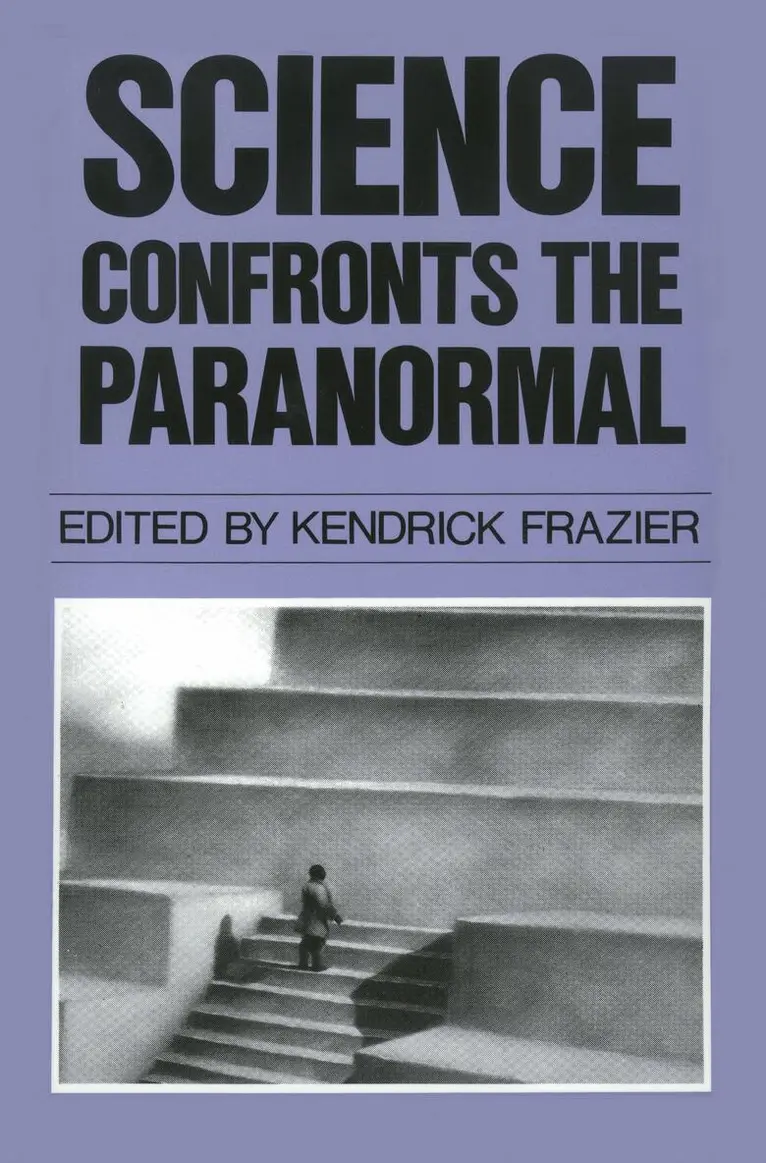
A Gallop poll surveyed 506 American teenagers, aged 13 to 18 and discovered the following:- 69% believe in angels - 59% believe in ESP- 55% believe in astrology - 28% believe in clairvoyance- 24% believe in Bigfoot - 22% believe in witchcraft- 20% believe in ghosts - 18% believe in the Loch Ness MonsterCarl Sagan has said that the wonders of real science far surpass the supposed and imagined mysteries of fringe science. Yet, as statistics show, the paranormal is still an endless source of fascination for people around the world.This collection of critical essays and investigative reports examines virtually every area of fringe science and the paranormal from a refreshingly scientific and clear-minded viewpoint. The authors are noted scientists, philosophers, psychologists, and writers. All bring to the task a determination to sift sense from nonsense and fact from fiction in an area notorious for misinformation, misperception, self-delusion, and wishful thinking. They do so in a way that highlights the differences between real science and pseudoscience. They've made special efforts first to find the actual facts behind numerous claims that have popular appeal, and then to explain and communicate what scientific investigation and reasoning reveal about them.Subjects treated to incisive and entertaining examination include astrology, ESP, psychic detectives, psychic predictions, parapsychology, remote-viewing, UFOs, creationism, the Shroud of Turin, coincidences, cult archaeology, palmistry and fringe medicine.There are also explorations of the implications of paranormal beliefs for science education.
325 kr
Skickas inom 5-8 vardagar
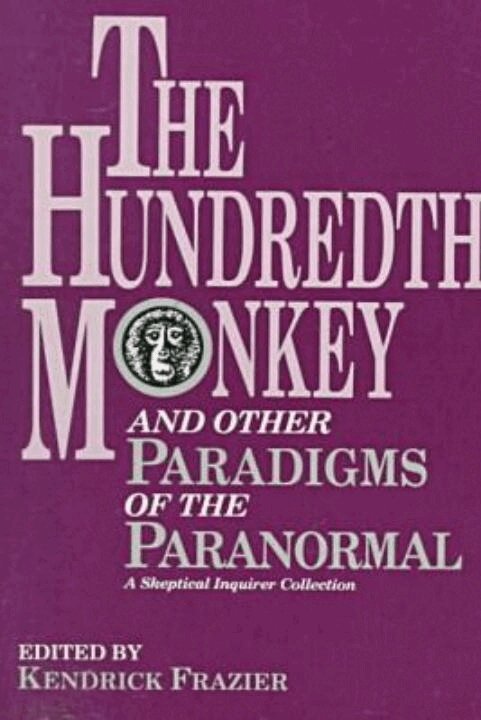
The Hundredth Monkey takes its title from philosopher Ron Amundson's expose of the "Hundredth Monkey Phenomenon," a claim about collective consciousness. Forty-three essays by thirty-nine authors, including Isaac Asmov, Martin Gardner, Carl Sagan, Ray Hyman, Paul Kurtz, and James Randi, examine aspects of paranormal and fringe-science beliefs from an authoritative, scientific point of view. The penetrating and entertaining essays, many with timely postscripts, are grouped into nine categories:- Understanding Human Need - Examining Popular Claims- Encouraging Critical Thinking - Medical Controversies- Evaluating the Anomalous Experience - Astrology- Considering Parapsychology - Crashed Saucer Claims- Controversies Within ScienceScientists and scholars discuss the burden of skepticism and the delicate balance between a creative openness to new ideas and the relentless scrutiny of new claims. A classic source book for scientifically responsible explanations of controversies, hoaxes, bizarre mysteries, and popular cultural myths.
408 kr
Skickas inom 3-6 vardagar
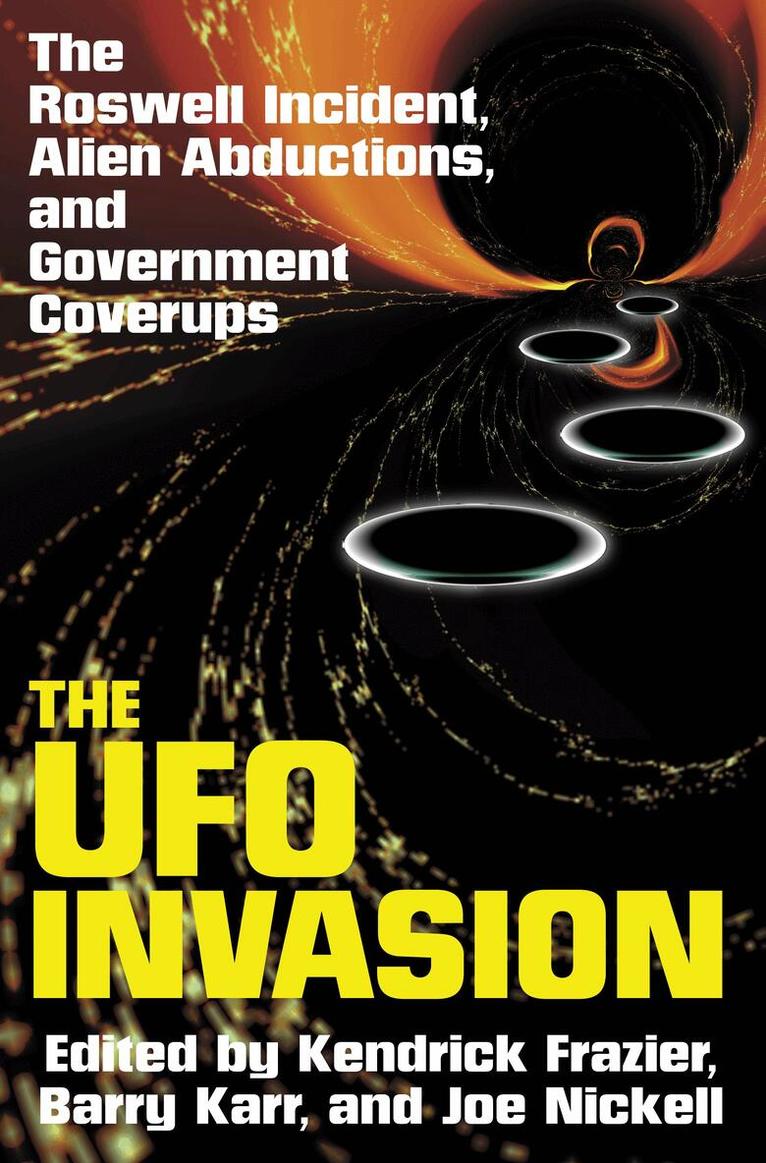
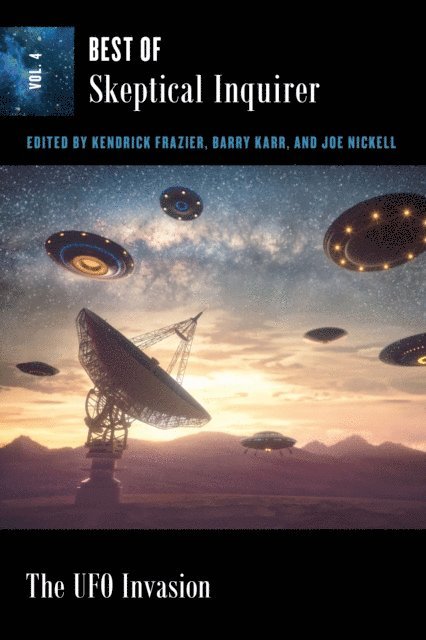
UFOs and space aliens are visiting Earth?! Now it's time to get the facts!Did a "flying saucer" really crash near Roswell, New Mexico, in 1947, and have we been victims of a sinister government conspiracy to hide its alien occupants in a secret facility? Is there truth behind the swirled crops phenomenon? Have humans been abducted by aliens?In an effort to counter media misinformation The UFO Invasion offers definitive, behind-the-scenes accounts of each case of extraterrestrial visitations and paranormal claims. This fully documented look at sightings, encounters, the Roswell incident, "MJ-12" documents, crop circles, the "alien autopsy," and more will challenge, illuminate, anger and amuse. Included are revealing articles by Robert A. Baker, Robert E. Bartholomew, Joseph A. Bauer, William B. Blake, Robyn M. Dawes, C. Eugene Emery, Zen Faulkes, John F. Fischer, Kingston A. George, Jr., Philip J. Klass, Joe Nickell, James E. Oberg, Peter J. Reeven, Ian Ridpath, Robert Sheaffer, Armando Simon, Lloyd Stires, Trey Stokes, Dave Thomas, Richard L. Weaver (Col. USAF), Jeff Wells, and Robert P. Young. Also, SETI coordinator Thomas P. McDonough ponders searching for extraterrestrial intelligence.
282 kr
Tillfälligt slut
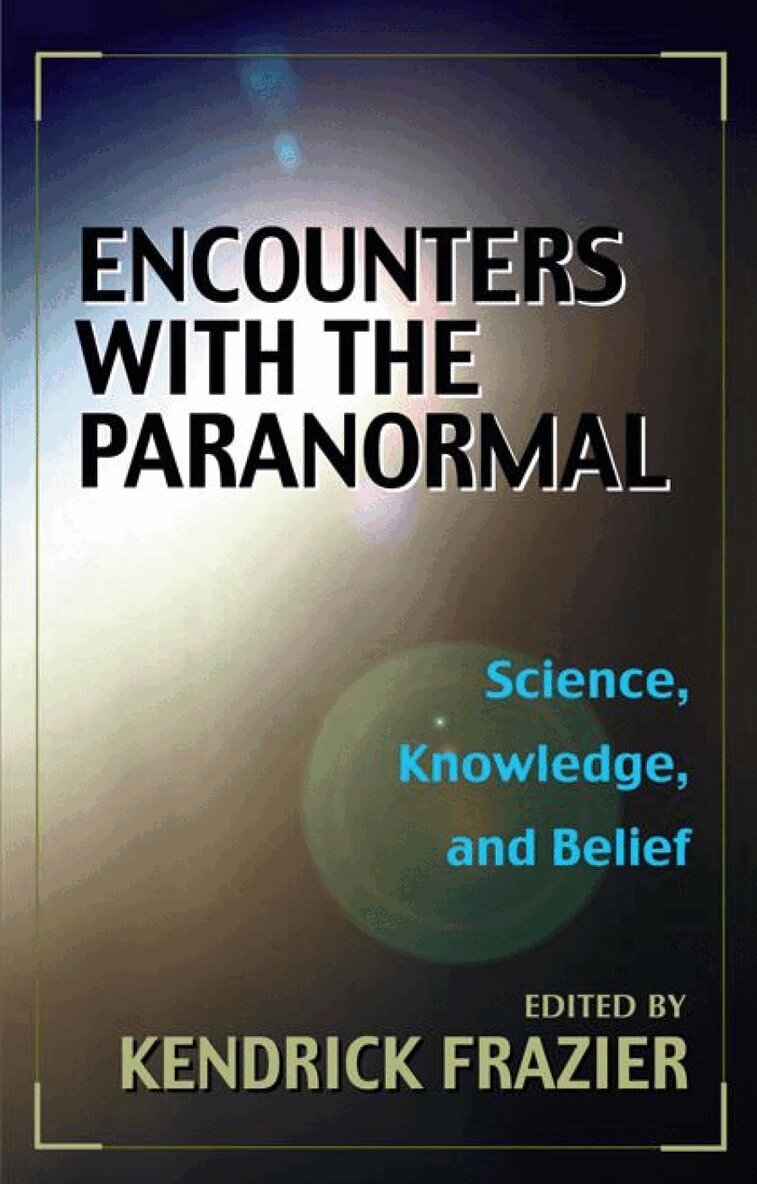
Do polygraph tests really detect lies? Can memories be implanted? Is subliminal perception a reality? What is the relationship between science and belief?Experts in the fields of physical/biological science, psychology, philosophy, social science, and forensic science bring their perspectives to controversies that affect the way we think and how we perceive reality and the natural world. From science's influence on beauty to antiscience in our universities and from UFO mythologies to near-death experiences, this volume spans the gamut of pseudoscience today.Contributors include James Alcock, Susan Blackmore, Alan Cromer, Mandy Fowler, Christopher C. French, Martin Gardner, Thomas Gilovich, Theodore Goertzel, Paul R. Gross, Peter Huston, Ray Hyman, Noretta Koertge, Paul Kurtz, Dan Larhammar, Leon M. Lederman, James Lett, Norman Levitt, Scott O. Lilienfeld, Elizabeth Loftus, Lee Loevinger, Katy McCarthy, Joe Nickell, Bernard Oritz de Montellano, Debbie Peers, Anthony Pratkanis, Carl Sagan, Kenneth Savitsky, Glenn Seaborg, Elie Shneour, Matthew Smith, Victor Stenger, Jeffrey F. Victor, Jeff Wiseman, and Richard Wiseman.
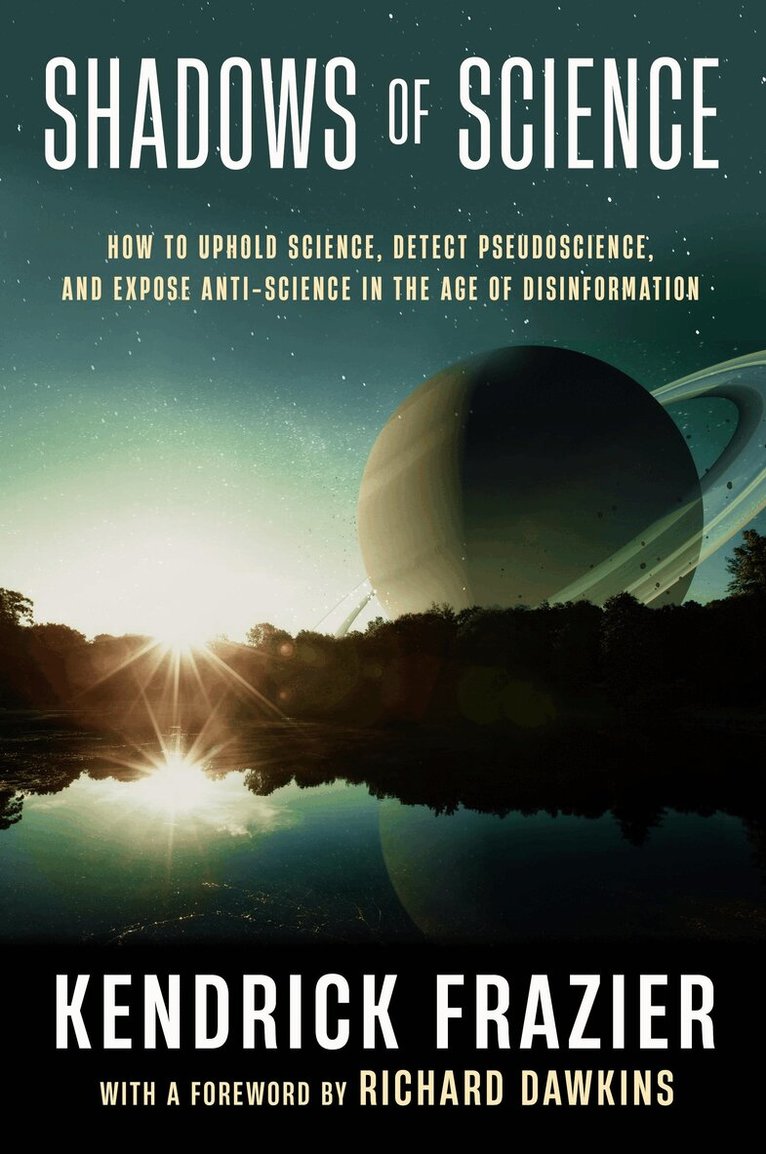
Shadows of Science
How to Uphold Science, Detect Pseudoscience, and Expose Antiscience in the Age of Disinformation
Inbunden, Engelska, 2024
239 kr
Skickas
In this enlightening and entertaining book, author and Skeptical Inquirer editor Kendrick Frazier takes readers on a journey to the contentious boundary zone between science and its antagonists: pseudoscience (pretend science) and anti-science (open hostility to science). Pseudoscience romps in the shadows of science but takes on the guise of science to excite, sell, mislead, and deceive the public. Anti-science denigrates, even denies, findings of science for ideological ends. In this dangerous age of misinformation (and dis-information), we need science’s remarkable truth-seeking tools more than ever to help counter society’s crazier impulses in which opinion, beliefs, and lies trump facts, evidence, and truth.In one sense, Shadows of Science is Frazier’s love letter to science, one of humanity’s greatest inventions, one we should exalt for its unique ability to find provisional truths about nature. In congenial prose he reports on recent discoveries and describes how science works and how its error-correcting mechanisms lead eventually to new knowledge. He tells the stories of some of our champions of science and reason. He describes the little-appreciated values of science, how it embraces uncertainty and humility, and its emphasis on fact-based observation and experiment. Pseudoscience adopts some of science’s language and has a beguiling appeal, but there the similarities end. Frazier has professionally reported on frontier scientific discoveries and observed and exposed the pretensions and dangers of pseudoscience and anti-science his entire career. Here he shares his experiences, his knowledge and insights, and his love and passion for our ability to learn what’s real about the natural world—and to identify and expose fake science, pretend science, and anti-science in all their multifarious forms.
361 kr
Skickas inom 3-6 vardagar
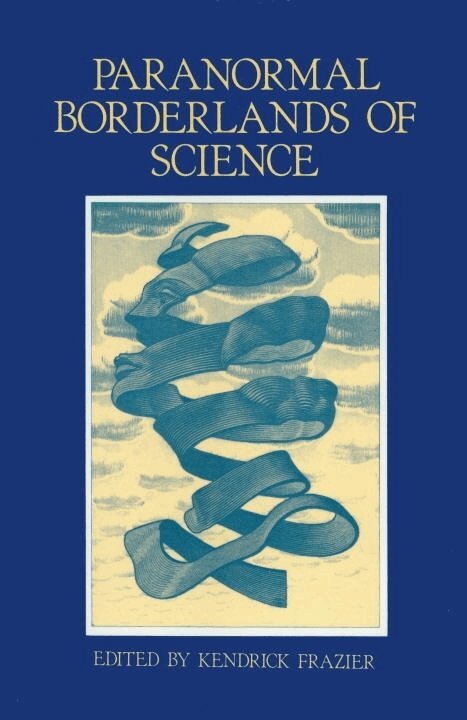
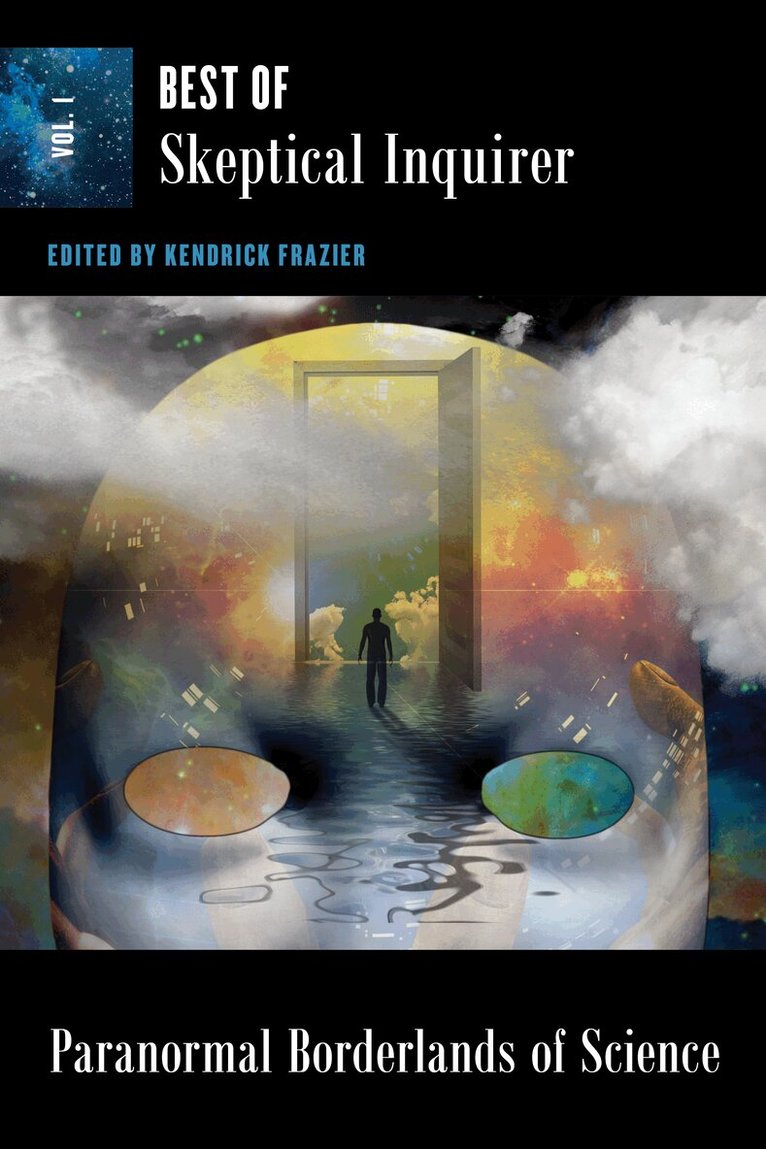
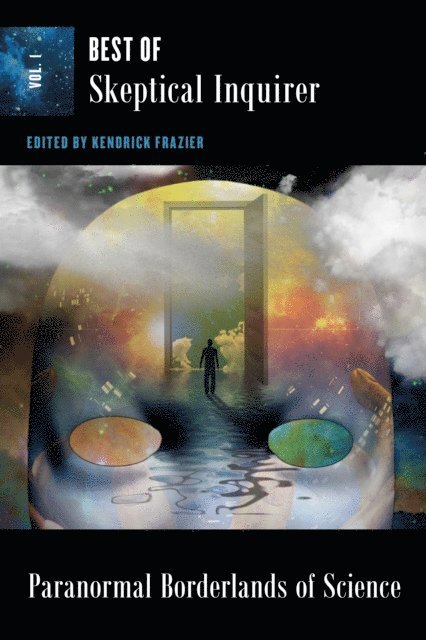
Headlines and television news reports feature accounts of reincarnation, the predictions of astrologers, and psychic "miracles." Citizens report UFO sightings. Police departments call on psychics to provide clues in baffling crimes. From every available information source, the public is bombarded with unsubstantiated claims of paranormal phenomena. How much of the evidence is reliable? What is the truth behind these claims?Paranormal Borderlands of Science is an exciting, well-informed examination of the most publicized and exotic claims of astrology, ESP, psychokinesis, precognition, UFOs, biorhythms, and other phenomena. Written by respected psychologists, astronomers and other scientists, philosophers, investigative journalists, and magicians, the 47 articles in this superb collection present a skeptical treatment of pseudoscientific claims - an aspect often sorely neglected in sensationalized media reports.This book is an effort to help readers sort fact from fiction and sense from nonsense among the astonishing variety of assertions labeled "paranormal." Never before published in book form, the essays in this anthology originally appeared in the Skeptical Inquirer, a leading magazine devoted to the critical investigation of pseudoscience from a scientific viewpoint.Among the contributors are: Isaac Asimov (distinguished science fiction author), Martin Gardner (Scientific American columnist), James Randi (The Amazing Randi), Philip Klass (noted UFO skeptic), Scot Morris (Omni), and James Oberg (NASA).An essential contribution to skeptical literature, this book will be of lasting value to all those wishing to balance the case for paranormal claims by reading the dissenting critics.
322 kr
Skickas inom 3-6 vardagar
A Gallop poll surveyed 506 American teenagers, aged 13 to 18 and discovered the following:- 69% believe in angels - 59% believe in ESP- 55% believe in astrology - 28% believe in clairvoyance- 24% believe in Bigfoot - 22% believe in witchcraft- 20% believe in ghosts - 18% believe in the Loch Ness MonsterCarl Sagan has said that the wonders of real science far surpass the supposed and imagined mysteries of fringe science. Yet, as statistics show, the paranormal is still an endless source of fascination for people around the world.This collection of critical essays and investigative reports examines virtually every area of fringe science and the paranormal from a refreshingly scientific and clear-minded viewpoint. The authors are noted scientists, philosophers, psychologists, and writers. All bring to the task a determination to sift sense from nonsense and fact from fiction in an area notorious for misinformation, misperception, self-delusion, and wishful thinking. They do so in a way that highlights the differences between real science and pseudoscience. They've made special efforts first to find the actual facts behind numerous claims that have popular appeal, and then to explain and communicate what scientific investigation and reasoning reveal about them. Subjects treated to incisive and entertaining examination include astrology, ESP, psychic detectives, psychic predictions, parapsychology, remote-viewing, UFOs, creationism, the Shroud of Turin, coincidences, cult archaeology, palmistry and fringe medicine.There are also explorations of the implications of paranormal beliefs for science education.
361 kr
Skickas inom 3-6 vardagar
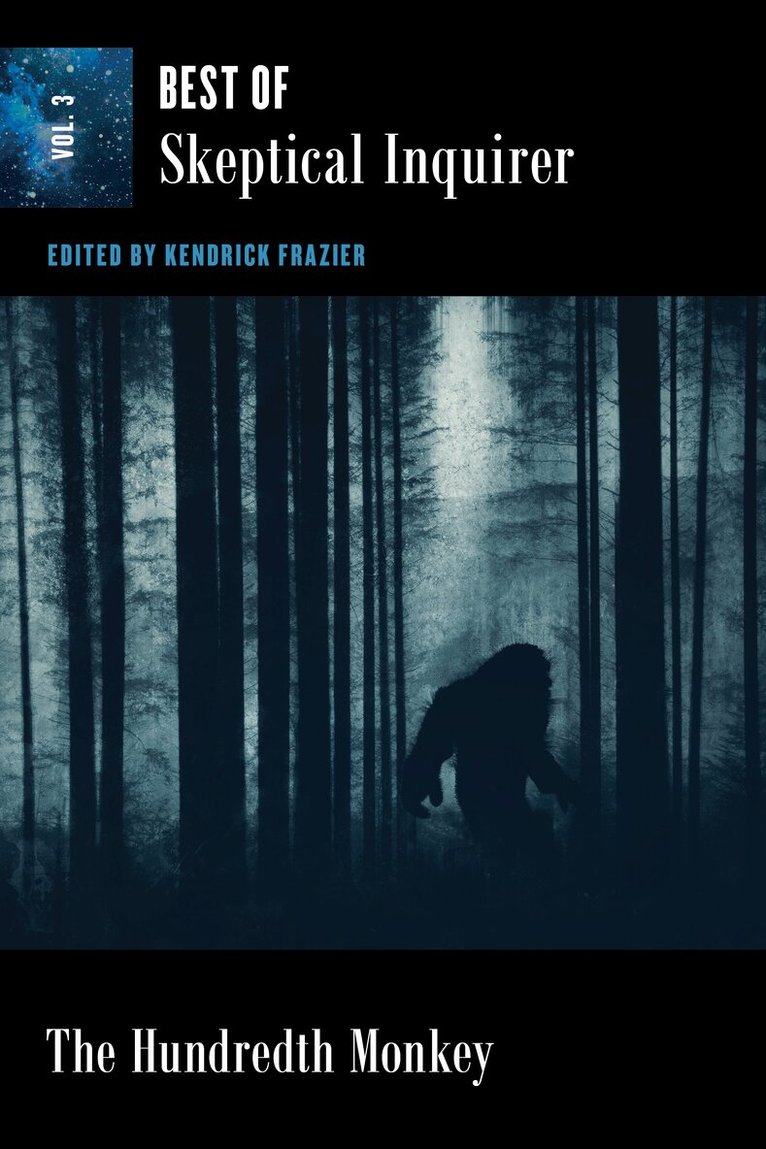
The Hundredth Monkey takes its title from philosopher Ron Amundson's expose of the "Hundredth Monkey Phenomenon," a claim about collective consciousness. Forty-three essays by thirty-nine authors, including Isaac Asimov, Martin Gardner, Carl Sagan, Ray Hyman, Paul Kurtz, and James Randi, examine aspects of paranormal and fringe-science beliefs from an authoritative, scientific point of view. The penetrating and entertaining essays, many with timely postscripts, are grouped into nine categories:- Understanding Human Need - Examining Popular Claims- Encouraging Critical Thinking - Medical Controversies- Evaluating the Anomalous Experience - Astrology- Considering Parapsychology - Crashed Saucer Claims- Controversies Within ScienceScientists and scholars discuss the burden of skepticism and the delicate balance between a creative openness to new ideas and the relentless scrutiny of new claims. A classic source book for scientifically responsible explanations of controversies, hoaxes, bizarre mysteries, and popular cultural myths.
334 kr
Skickas inom 3-6 vardagar
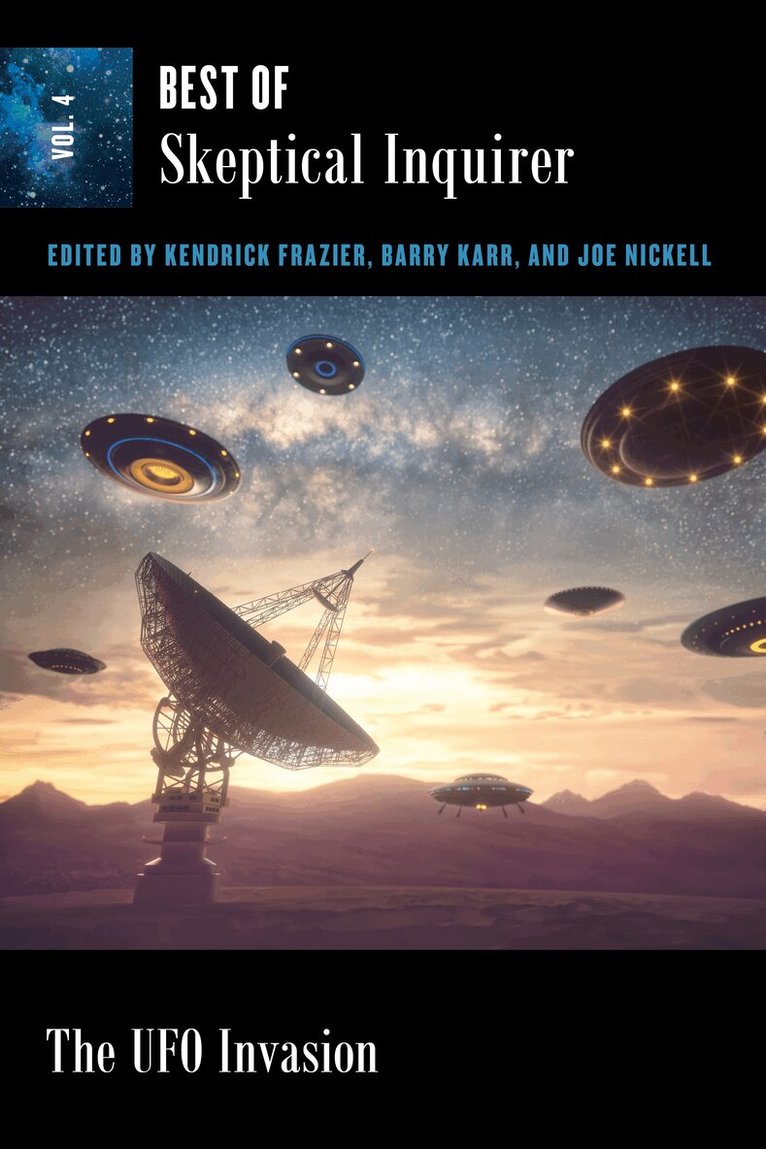
UFOs and space aliens are visiting Earth?! Now it's time to get the facts!Did a "flying saucer" really crash near Roswell, New Mexico, in 1947, and have we been victims of a sinister government conspiracy to hide its alien occupants in a secret facility? Is there truth behind the swirled crops phenomenon? Have humans been abducted by aliens?In an effort to counter media misinformation The UFO Invasion offers definitive, behind-the-scenes accounts of each case of extraterrestrial visitations and paranormal claims. This fully documented look at sightings, encounters, the Roswell incident, "MJ-12" documents, crop circles, the "alien autopsy," and more will challenge, illuminate, anger and amuse. Included are revealing articles by Robert A. Baker, Robert E. Bartholomew, Joseph A. Bauer, William B. Blake, Robyn M. Dawes, C. Eugene Emery, Zen Faulkes, John F. Fischer, Kingston A. George, Jr., Philip J. Klass, Joe Nickell, James E. Oberg, Peter J. Reeven, Ian Ridpath, Robert Sheaffer, Armando Simon, Lloyd Stires, Trey Stokes, Dave Thomas, Richard L. Weaver (Col. USAF), Jeff Wells, and Robert P. Young. Also, SETI coordinator Thomas P. McDonough ponders searching for extraterrestrial intelligence.
361 kr
Skickas inom 3-6 vardagar
Do polygraph tests really detect lies? Can memories be implanted? Is subliminal perception a reality? What is the relationship between science and belief?Experts in the fields of physical/biological science, psychology, philosophy, social science, and forensic science bring their perspectives to controversies that affect the way we think and how we perceive reality and the natural world. From science's influence on beauty to antiscience in our universities and from UFO mythologies to near-death experiences, this volume spans the gamut of pseudoscience today.Contributors include James Alcock, Susan Blackmore, Alan Cromer, Mandy Fowler, Christopher C. French, Martin Gardner, Thomas Gilovich, Theodore Goertzel, Paul R. Gross, Peter Huston, Ray Hyman, Noretta Koertge, Paul Kurtz, Dan Larhammar, Leon M. Lederman, James Lett, Norman Levitt, Scott O. Lilienfeld, Elizabeth Loftus, Lee Loevinger, Katy McCarthy, Joe Nickell, Bernard Oritz de Montellano, Debbie Peers, Anthony Pratkanis, Carl Sagan, Kenneth Savitsky, Glenn Seaborg, Elie Shneour, Matthew Smith, Victor Stenger, Jeffrey F. Victor, Jeff Wiseman, and Richard Wiseman.
361 kr
Skickas inom 3-6 vardagar
361 kr
Skickas inom 3-6 vardagar
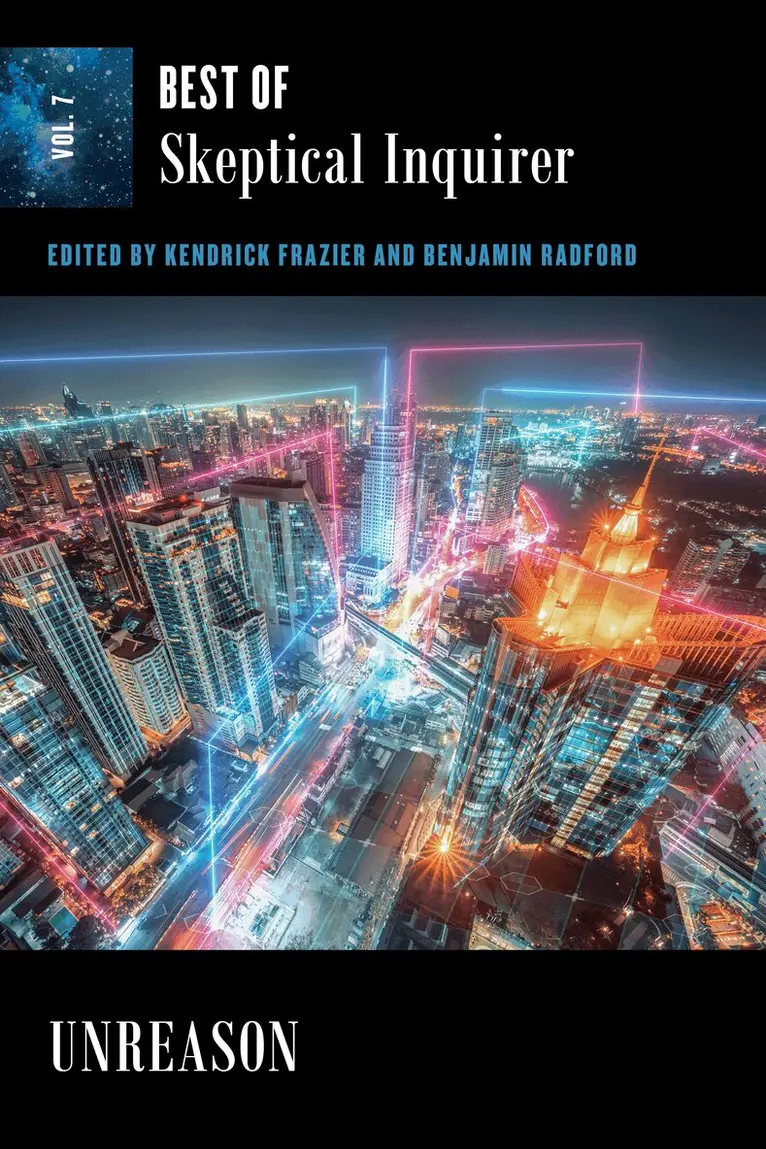
UNREASON: Exploring Pseudoscience, Conspiracies, and Extraordinary Claims is a collection of forty-five of the best articles the legendary Skeptical Inquirer magazine has published in the past decade. Featuring articles from writers including Neil deGrasse Tyson on the process of science, Richard Dawkins on the standards of truth, Elizabeth Loftus on memory, Steven Pinker on the notion of progress, and many others covering topics from the politicization of science to the frightening rise of misinformation, each entry in this collection se scientific examination to bear in order to ferret out the facts and misconceptions behind popular claims.All of the articles within are interesting and readable. Yet they are also quite diverse. Some articles reinforce and complement each other; others (as happens in science) may voice disagreements or differing perspectives. But they all have one thing in common: a respect for evidence—a demand for the best, most well-tested, most scientifically reliable information. Readers will learn: Why and how conspiracy rumors start, spread, and readily gain believers How to stay afloat in a sea of disinformation and survive the age of misinformation Why and how we form beliefs and adhere to them so powerfullyHow and why memory is fallible—and what we can do about itHow pseudoexperiments mislead the public about scienceUnreason will arm readers with scientific knowledge to curb the misinformation and misconceptions that increasingly threaten our civil discourse. Even further, these essays present a way for us to be better citizens, equipped to deal with the winds of misinformation and disinformation swirling about us and better able to look ahead to a world where science and reason—indeed just good old common sense—can prevail.