Keng Hua Chong - Böcker
Visar alla böcker från författaren Keng Hua Chong. Handla med fri frakt och snabb leverans.
4 produkter
4 produkter
644 kr
Skickas inom 10-15 vardagar
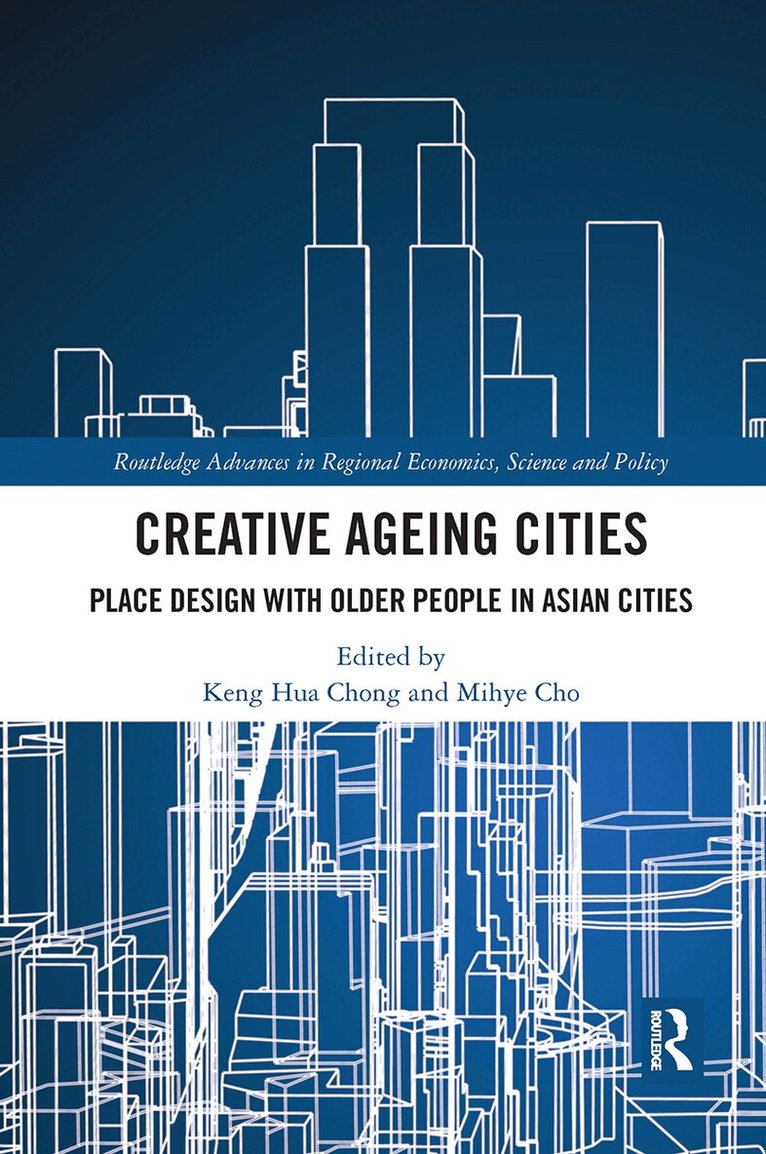
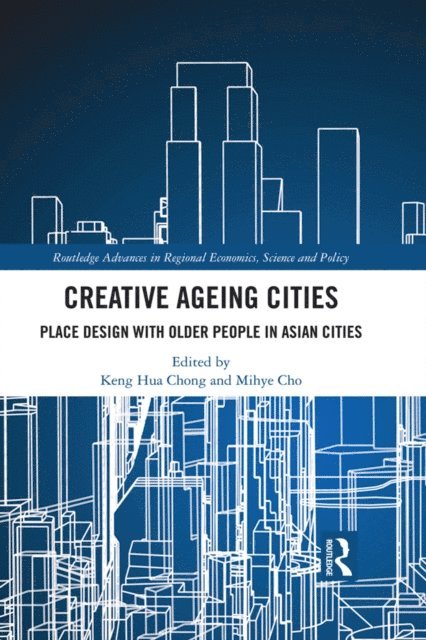
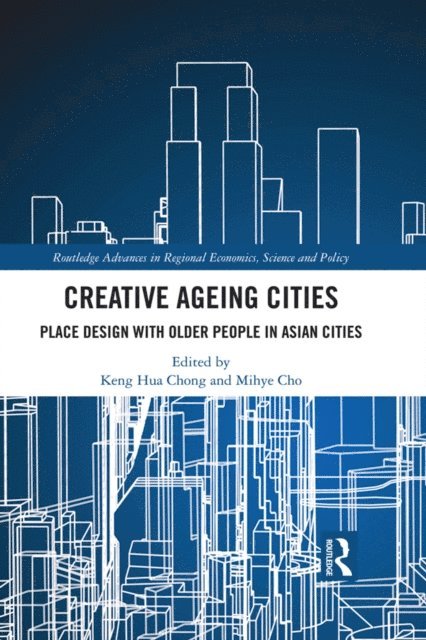
Ageing population and rapid urbanisation are the two major demographic shifts in today’s world. Architectural designs and urban policies have to deal with issues of an ever larger elderly population living in the cities, especially in old urban neighbourhoods, while also taking into consideration the evolving lifestyles and wellbeing of the diverse elderly demographic. Being able to continue living in these existing urban neighbourhoods would thus require necessary interventions, both to adapt the changing needs of the ageing population and to improve the deteriorating environment for better liveability. Creative Ageing Cities discusses the participation and contribution of the ageing population as a positive and creative force towards urban design and place-making, particularly in high-density urban contexts, as observed in a collection of empirical cases found in rapidly ageing Asian cities. This book is the first to bring together multidisciplinary scholastic research on ageing and urban issues from across top six ageing cities in Asia: Singapore, Seoul, Tokyo, Taipei, Hong Kong, and Shanghai. Through these case studies, this book gives a good overview of diverse challenges and opportunities in the various Asian urban contexts and offers a new perspective of an ageing and urban design framework that emphasises multi-stakeholder collaboration, inter-generational relations and the collective wisdom of older people as a source of creativity.
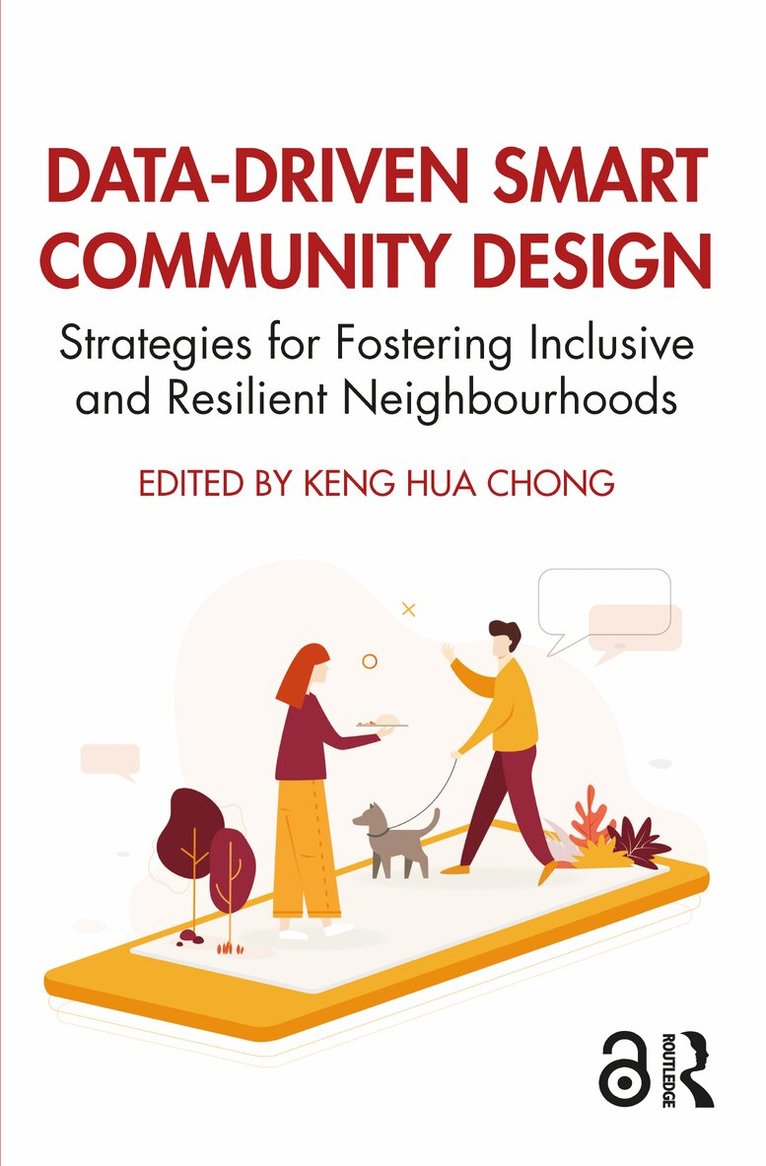
Data-Driven Smart Community Design
Strategies for Fostering Inclusive and Resilient Neighbourhoods
Häftad, Engelska, 2024
677 kr
Skickas inom 10-15 vardagar
This book couples data analytics with social behavioural studies and participatory design to derive deeper insights on city dwellers’ present needs and future aspirations, thereby enabling the development of targeted spatial and programmatic interventions for diverse communities.Public housing in Singapore has been regarded internationally as a success story. This book outlines the latest strategies and concepts for addressing the emerging social challenges of the ageing population: shrinking household size, increasingly diverse demographics and widening inequality, and fostering inclusive and resilient neighbourhoods. Adopting an interdisciplinary approach, this book:Outlines an innovative data-driven planning process for housing neighbourhood and community designProvides a framework for planners and designers to synthesise qualitative and quantitative data analysesPresents a comprehensive set of tested urban analytics tools, digital platforms and participatory toolkits used to design and develop community initiatives.A recommended text for students undertaking urban planning, urban design, housing design, architecture, real estate, urban sociology and community design, the book’s strategies for evidence-based neighbourhood designs will also appeal to practitioners and policymakers.The Open Access version of this book, available at www.taylorfrancis.com, has been made available under a Creative Commons [Attribution-Non Commercial-No Derivatives (CC-BY-NC-ND)] 4.0 license.
Data-Driven Smart Community Design
Strategies for Fostering Inclusive and Resilient Neighbourhoods
Inbunden, Engelska, 2024
2 012 kr
Skickas inom 10-15 vardagar
This book couples data analytics with social behavioural studies and participatory design to derive deeper insights on city dwellers’ present needs and future aspirations, thereby enabling the development of targeted spatial and programmatic interventions for diverse communities.Public housing in Singapore has been regarded internationally as a success story. This book outlines the latest strategies and concepts for addressing the emerging social challenges of the ageing population: shrinking household size, increasingly diverse demographics and widening inequality, and fostering inclusive and resilient neighbourhoods. Adopting an interdisciplinary approach, this book:Outlines an innovative data-driven planning process for housing neighbourhood and community designProvides a framework for planners and designers to synthesise qualitative and quantitative data analysesPresents a comprehensive set of tested urban analytics tools, digital platforms and participatory toolkits used to design and develop community initiatives.A recommended text for students undertaking urban planning, urban design, housing design, architecture, real estate, urban sociology and community design, the book’s strategies for evidence-based neighbourhood designs will also appeal to practitioners and policymakers.The Open Access version of this book, available at www.taylorfrancis.com, has been made available under a Creative Commons [Attribution-Non Commercial-No Derivatives (CC-BY-NC-ND)] 4.0 license.
2 088 kr
Skickas inom 10-15 vardagar
Ageing population and rapid urbanisation are the two major demographic shifts in today’s world. Architectural designs and urban policies have to deal with issues of an ever larger elderly population living in the cities, especially in old urban neighbourhoods, while also taking into consideration the evolving lifestyles and wellbeing of the diverse elderly demographic. Being able to continue living in these existing urban neighbourhoods would thus require necessary interventions, both to adapt the changing needs of the ageing population and to improve the deteriorating environment for better liveability. Creative Ageing Cities discusses the participation and contribution of the ageing population as a positive and creative force towards urban design and place-making, particularly in high-density urban contexts, as observed in a collection of empirical cases found in rapidly ageing Asian cities. This book is the first to bring together multidisciplinary scholastic research on ageing and urban issues from across top six ageing cities in Asia: Singapore, Seoul, Tokyo, Taipei, Hong Kong, and Shanghai. Through these case studies, this book gives a good overview of diverse challenges and opportunities in the various Asian urban contexts and offers a new perspective of an ageing and urban design framework that emphasises multi-stakeholder collaboration, inter-generational relations and the collective wisdom of older people as a source of creativity.