Kenneth G. Furton - Böcker
Visar alla böcker från författaren Kenneth G. Furton. Handla med fri frakt och snabb leverans.
4 produkter
4 produkter
983 kr
Skickas inom 10-15 vardagar
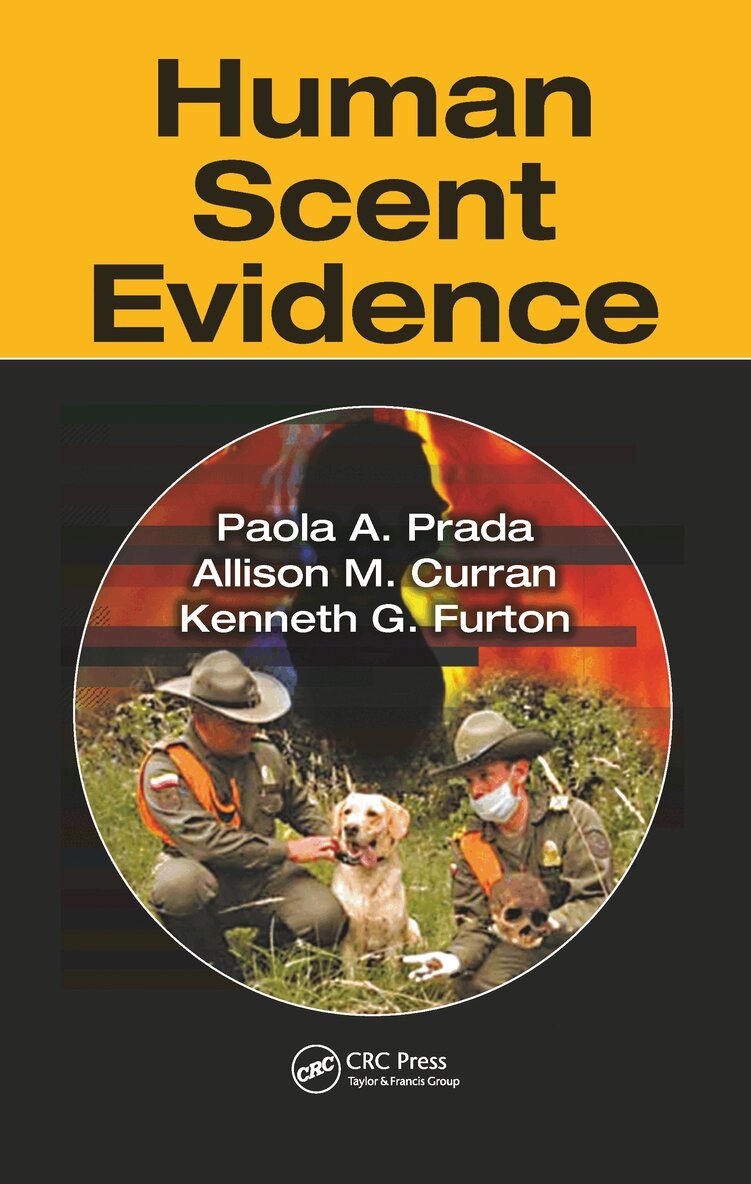
During the last decade, a significant number of scientific studies have supported the use of human scent as a biometric tool and indicator of the presence, or absence, of an individual at a crime scene. These findings even extend to conducting scent identification line-ups with suspects. Human Scent Evidence focuses on some of these recent advances in the use of human scent as forensic evidence and as an identifier. Topics include: Various theories of human odor production The variability, stability, and persistence of human scent Historical aspects of the use of human scent in police work in the United States and internationally Current trends in scent collection techniques, including devices, materials, and storage protocols Chemical aspects of the evaluation of human scent, including instrumental methods for odor detection and analysis The legal significance of human scent evidence results Canine scent work from multiple search categories as described in the Scientific Working Group on Dog and Orthogonal detector Guidelines (SWGDOG) Human scent evidence may be of critical use in many cases where other types of evidence such as DNA, fingerprints, or fibers are not readily available. As such, it can be a valuable tool in forensic investigations. With examples from North and South America and Europe, this book draws upon an extensive literature review of past and current research and is enhanced with findings from the authors’ own research. It concludes with a glimpse of the future direction of human scent evidence in the forensic field and its application as a biometric and diagnostic tool.
2 490 kr
Skickas inom 10-15 vardagar
Ongoing advances in arson detection tools and techniques increase the importance of scientific evidence in related court proceedings. In order to assemble an airtight case, investigators and forensic scientists need a resource that assists them in properly conducting the chemical analysis and interpretation of physical evidence found at scenes of suspected arson.Analysis and Interpretation of Fire Scene Evidence introduces the techniques that determine the presence of ignitable liquid residues (ILRs) at fire scenes. It bridges the disciplines of investigation and forensic chemistry, enabling effective communication during critical periods of evidence detection, collection, packaging, and transport.The initial chapters are written from an investigator's perspective, allowing forensic specialists to understand fire dynamics, ignition, heat transfer, and investigations. Later chapters include a comparison of the use of canines versus new detection techniques, and an examination of laboratory facilities, equipment, and procedures that are essential to organizing a new lab or upgrading an existing one.By detailing the methods used to identify potential evidence at the scene of suspected arson fires, this volume also benefits attorneys and judges in preparing for prosecution and defense of arson cases.
2 088 kr
Skickas inom 10-15 vardagar
During the last decade, a significant number of scientific studies have supported the use of human scent as a biometric tool and indicator of the presence, or absence, of an individual at a crime scene. These findings even extend to conducting scent identification line-ups with suspects. Human Scent Evidence focuses on some of these recent advances in the use of human scent as forensic evidence and as an identifier. Topics include: Various theories of human odor production The variability, stability, and persistence of human scent Historical aspects of the use of human scent in police work in the United States and internationally Current trends in scent collection techniques, including devices, materials, and storage protocols Chemical aspects of the evaluation of human scent, including instrumental methods for odor detection and analysis The legal significance of human scent evidence results Canine scent work from multiple search categories as described in the Scientific Working Group on Dog and Orthogonal detector Guidelines (SWGDOG)Human scent evidence may be of critical use in many cases where other types of evidence such as DNA, fingerprints, or fibers are not readily available. As such, it can be a valuable tool in forensic investigations. With examples from North and South America and Europe, this book draws upon an extensive literature review of past and current research and is enhanced with findings from the authors’ own research. It concludes with a glimpse of the future direction of human scent evidence in the forensic field and its application as a biometric and diagnostic tool.
1 953 kr
Kommande
This book explores the transformative role of artificial intelligence (AI) in the field of digital forensics, offering a comprehensive overview of how AI technologies are reshaping crime investigation, cybersecurity, and evidence analysis. The book bridges traditional forensic methodologies with cutting-edge AI techniques, such as machine learning, deep learning, natural language processing, and graph analytics, to improve the accuracy, speed, and scalability of forensic investigations. Structured around real-world applications and case studies, the book covers critical areas including AI-enhanced malware detection, user behavior profiling, deep fake identification, social media profile cloning detection, canine forensics and hybrid approaches to analyzing digital artifacts. It also delves into the integration of AI with forensic tools for automating incident response, identifying anomalies in massive log files, and supporting decision-making in complex cybercrime scenarios. A key feature of the book is its interdisciplinary approach, blending insights from computer science, cybersecurity, law, and ethics. It addresses not only the technical mechanisms behind AI-driven forensics but also the legal, ethical, and societal implications, particularly regarding privacy, accountability, and the admissibility of AI-generated evidence in courts. Geared toward researchers, practitioners, students, and policymakers, Artificial Intelligence Driven Forensics serves as both a foundational text and an advanced guide to understanding the future of forensic science in the age of AI.